What Happens If I Go 6 Months Without an Oil Change
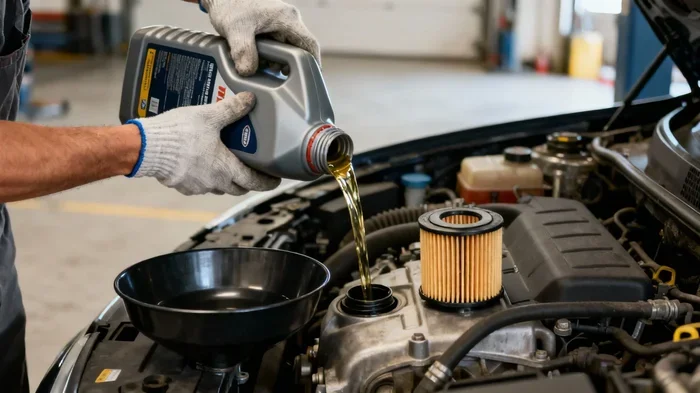
Going 6 months without an oil change can seriously harm your engine. Old oil breaks down, loses lubrication, and causes sludge buildup that leads to costly repairs. Most manufacturers recommend changing oil every 5,000 to 7,500 miles or 6 months, whichever comes first. Skipping this simple preventive maintenance task risks engine wear, overheating, and even total engine failure.
You have been busy. Work has been hectic. Life got in the way. And before you know it, six months have passed since your last oil change. Maybe you have been driving your car every day, or maybe it has been sitting in the garage. Either way, a question starts creeping into your mind. What happens if you go 6 months without an oil change?
The short answer is that it is not great. Your car depends on clean oil to keep everything running smoothly. When that oil sits too long, it breaks down. It loses its ability to protect your engine. And the damage can add up fast. Let us walk through exactly what happens and why staying on top of your car maintenance schedule matters so much.
Key Takeaways
- Engine damage risk: Old oil loses its lubricating power, causing metal-on-metal friction and premature wear.
- Sludge buildup: Contaminants accumulate in old oil, forming sludge that clogs vital engine passages.
- Overheating danger: Degraded oil cannot regulate engine temperature effectively.
- Costly repairs: Neglecting oil changes can lead to thousands of dollars in engine repair bills.
- Warranty voiding: Skipping scheduled oil changes may void your vehicle warranty.
- Oil life monitor: Modern cars have systems that remind you when it is time for a change.
- Simple prevention: Regular oil changes are one of the cheapest and easiest ways to protect your car.
📑 Table of Contents
- What Does Engine Oil Actually Do?
- What Happens If You Go 6 Months Without an Oil Change?
- How Often Should You Really Change Your Oil?
- Warning Signs That Your Oil Needs Changing
- Can You Go 2 Years Without an Oil Change?
- How Much Does an Oil Change Cost?
- How to Make Sure You Never Miss an Oil Change
- Common Mistakes People Make With Oil Changes
- Expert Insights on Oil Change Intervals
- Final Thoughts
What Does Engine Oil Actually Do?
Before we talk about what goes wrong, it helps to understand what engine oil does. Think of it as the lifeblood of your car. Every time you turn the key, oil springs into action.
It lubricates all the moving parts inside your engine. Without oil, metal parts would grind against each other. Friction would build up fast. Heat would spike. Eventually, your engine would seize up completely.
But oil does more than just reduce friction. It also cleans away contaminants. It carries heat away from critical components. It prevents rust and corrosion. And it helps seal gaps between pistons and cylinders. That is a lot of responsibility for one fluid.
Over time, all of that work takes a toll. Oil breaks down. It gets dirty. It loses its viscosity, which is its thickness and ability to flow properly. This is why regular oil changes are so important.
The Role of Oil Viscosity
Oil viscosity refers to how thick or thin your oil is at different temperatures. When you buy oil, you see numbers like 5W-30 or 0W-20. The W stands for winter. The first number tells you how the oil flows in cold temperatures. The second number tells you how it performs when the engine is hot.
Fresh oil has the right viscosity to do its job. But as oil ages, it thins out or thickens. Either way, it stops protecting your engine the way it should. After six months, this degradation becomes a real concern.
What Happens If You Go 6 Months Without an Oil Change?
So what exactly goes wrong after six months? The answer depends on several factors. Your driving habits matter. Your climate matters. The type of oil you use matters. But in most cases, six months is pushing the limit.
Here is what can happen when you skip or delay an oil change for too long.
1. Oil Degradation and Loss of Lubrication
Engine oil is not indestructible. It breaks down over time, even if you are not driving much. Heat and oxygen slowly break down the oil molecules. Additives that protect your engine wear out too.
When oil degrades, it becomes less effective at lubricating. Metal parts that should glide smoothly start grinding against each other. This creates friction. Friction creates heat. And heat accelerates wear on critical engine components.
Even if you have only driven a few thousand miles in those six months, the oil is still aging. Time matters just as much as mileage. This is why most service schedules recommend changing oil every 6 months, regardless of mileage.
2. Sludge Buildup
As oil ages, it collects contaminants. These include dirt, metal particles, fuel residue, and combustion byproducts. Over time, these contaminants form a sticky, dark substance called sludge.
Sludge is dangerous. It clogs oil passages and restricts flow. When oil cannot reach all the parts of your engine, those parts go unprotected. Sludge can block oil galleries, which are tiny channels inside the engine block.
Once sludge builds up, it is very hard to remove. You may need a full engine flush or even more expensive repairs. This is one of the most common consequences of going too long between oil changes.
3. Overheating
Oil plays a huge role in regulating engine temperature. It absorbs heat from components like the pistons and crankshaft. Then it carries that heat to the oil pan, where it cools down.
When oil is old and degraded, it cannot absorb heat as effectively. Your engine may start running hotter than normal. Over time, this can lead to overheating.
Overheating can warp engine parts. It can blow head gaskets. In the worst cases, it can cause your engine to crack. All of these repairs are expensive and entirely preventable with timely oil changes.
4. Increased Engine Wear
The inside of your engine has many moving parts. Pistons, camshafts, crankshafts, valve lifters, and bearings all rely on a constant supply of clean oil.
When oil is old, it loses its ability to form a protective film between these parts. Metal starts rubbing against metal. This causes wear and tear that accumulates over time.
You might not notice the damage right away. But after months of running on degraded oil, the wear adds up. Eventually, you may start noticing reduced engine performance. Your car might feel sluggish. It might make unusual noises. These are warning signs you should not ignore.
5. Clogged Oil Filter
Your oil filter works hard to trap contaminants. But it has a limited capacity. After six months, the filter is likely saturated with debris.
A clogged filter restricts oil flow. When oil cannot flow freely, your engine does not get the lubrication it needs. This compounds all the problems we have already discussed.
Most people replace the oil filter during an oil change. But if you skip the oil change entirely, the filter stays on with dirty oil. This is a double whammy for your engine.
6. Voided Warranty
If your car is still under warranty, skipping oil changes can void that warranty. Most manufacturers require you to follow a specific maintenance schedule.
If something goes wrong with your engine, the dealer may check your service records. If they see you skipped oil changes, they may deny your warranty claim. That means you pay for all the repairs out of pocket.
For Toyota owners, it is worth noting that you can take your Toyota to any dealer for service and still maintain your warranty. But you must keep up with the recommended maintenance.
How Often Should You Really Change Your Oil?
The old rule of thumb was every 3,000 miles or 3 months. But modern cars and modern oils have changed things. Today, the answer depends on several factors.
Conventional Oil vs Synthetic Oil
Not all oils are created equal. Conventional oil is the standard option. It works well for most vehicles but needs to be changed more frequently. Synthetic oil is engineered to last longer. It resists breakdown better and handles extreme temperatures more effectively.
If you use conventional oil, you should probably change it every 5,000 miles or 6 months. If you use synthetic oil, you might be able to stretch it to 7,500 or even 10,000 miles. But six months is still the general maximum for most oils.
Check Your Owner Manual
Your vehicle owner manual is the best resource for oil change intervals. It tells you exactly what your manufacturer recommends. Follow those guidelines to keep your engine healthy and your warranty intact.
Many newer cars have an oil life monitor system. This system tracks your driving conditions and tells you when it is time for a change. Do not ignore these alerts.
Driving Conditions That Shorten Oil Life
Certain driving conditions cause oil to break down faster. If you regularly experience any of the following, you may need to change your oil more often:
- Short trips under 5 miles
- Stop-and-go traffic
- Extreme heat or cold weather
- Towing heavy loads
- Driving on dusty or dirty roads
- High-altitude driving
These conditions are called “severe service” by most manufacturers. If you drive in any of them frequently, stick to a shorter oil change interval.
Warning Signs That Your Oil Needs Changing
Sometimes you cannot rely on the calendar alone. Your car will tell you when something is wrong. Here are the warning signs to watch for.
Dark or Dirty Oil
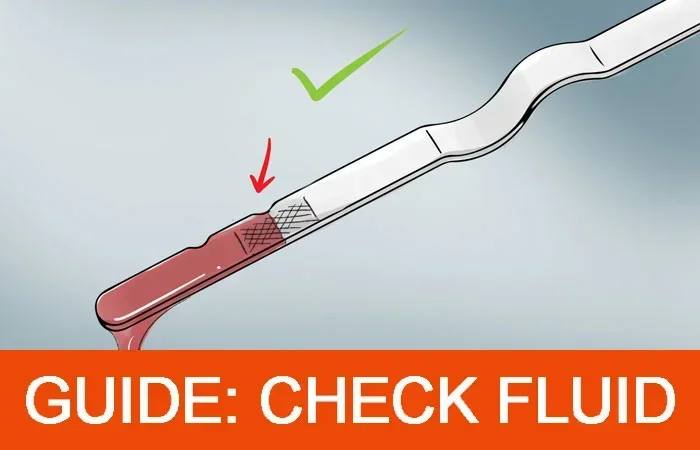
Fresh oil is amber in color. As it ages, it turns dark brown or black. You can check your oil with the dipstick. If it looks very dark and gritty, it is time for a change.
Oil Level Drops
If you notice your oil level dropping faster than usual, do not just top it off and ignore it. Low oil can mean a leak or increased oil consumption. Both are signs of potential problems.
If your oil is low, you might wonder if you can just add oil to your car. The answer is yes, but only as a temporary fix. You still need to get the oil changed properly.
Engine Noise
Clean oil keeps engine parts running quietly. If you start hearing knocking, ticking, or rumbling sounds, your oil may not be doing its job anymore.
Oil Pressure Warning Light
If your dashboard shows an oil pressure warning, take it seriously. Pull over safely and check your oil level. Low oil pressure can cause serious engine damage within minutes.
Burning Oil Smell
A smell of burning oil inside or outside your car is a red flag. It could mean an oil leak or oil dripping onto hot engine parts. Get your car checked right away.
Can You Go 2 Years Without an Oil Change?
Some car owners push the limits even further than six months. You might wonder if going 2 years without an oil change is possible. The honest answer is that it is risky and not recommended.
Even if your car sits in the garage and barely gets driven, oil still degrades over time. Moisture can accumulate in the oil. Additives break down. Contaminants settle and form sludge.
Going two years without an oil change greatly increases your risk of engine damage. At that point, the oil has likely lost almost all of its protective properties. The sludge buildup can be severe.
Some people ask, can you go two years without an oil change? While it might be technically possible in rare cases, the potential cost of engine repairs far outweighs any savings from skipping the service.
How Much Does an Oil Change Cost?
Here is some good news. Oil changes are one of the most affordable car maintenance tasks you can do. The cost varies depending on your vehicle and the type of oil you use.
Conventional oil changes typically cost between 30 and 50 dollars. Synthetic oil changes usually run between 50 and 80 dollars. Some dealerships and service centers even offer free oil changes as part of a maintenance package.
Compare that to the cost of engine repairs. A new engine can cost anywhere from 4,000 to 8,000 dollars or more. Even a partial engine rebuild runs into thousands. Suddenly, a 50-dollar oil change looks like a bargain.
If you are wondering about costs, you might also ask if you can negotiate the price of an oil change. The answer is yes, in many cases. It never hurts to ask, especially at independent shops.
How to Make Sure You Never Miss an Oil Change
The best way to protect your engine is to build a routine. Here are some practical tips to help you stay on track.
Set Calendar Reminders
Use your phone or calendar app to set a reminder every 6 months. Pick a date that is easy to remember, like the start of a new season.
Track Your Mileage
Keep a log of your oil changes. Note the date, mileage, and type of oil used. Many apps and even simple spreadsheets can help you stay organized.
Use Your Oil Life Monitor
If your car has an oil life monitoring system, trust it. It uses algorithms to determine when your oil needs changing based on your actual driving habits.
Choose a Trusted Service Provider
Find a mechanic or service center you trust. If you drive a Toyota, you might consider Toyota dealership oil changes since they are sometimes complimentary with maintenance packages.
Common Mistakes People Make With Oil Changes
Even well-meaning car owners make mistakes when it comes to oil changes. Here are a few to avoid.
Only Changing Oil Based on Mileage
Time matters just as much as mileage. Even if you have only driven 2,000 miles in six months, the oil has been sitting in your engine for half a year. Change it.
Using the Wrong Oil Type
Not every car needs synthetic oil. And not every car can use conventional oil. Check your owner manual to make sure you are using the right oil viscosity and type for your engine.
Ignoring the Oil Filter
Always replace the oil filter when you change your oil. A clean filter ensures that your new oil stays clean longer. Skipping the filter is like putting fresh water through a dirty straw.
DIY Oil Changes Without Proper Disposal
Changing your own oil can save money. But you must dispose of the old oil properly. Used oil is a hazardous material. Many auto parts stores accept used oil for recycling.
Expert Insights on Oil Change Intervals
Automotive experts agree that staying on top of your oil changes is the single most important thing you can do for your engine. According to the American Automobile Association (AAA), regular oil changes can extend the life of your engine by tens of thousands of miles.
Modern engines are built tighter than ever before. They run hotter and rely more on clean oil for protection. This makes timely oil changes even more critical than they were decades ago.
Mechanics also point out that transmission fluid and other fluids should be checked during an oil change. If you are getting your oil changed, it is a great opportunity to have the mechanic inspect other fluids and components. You can learn more about what mechanics check during an oil change in our guide on do mechanics check transmission fluid during an oil change.
The bottom line is simple. Do not skip your oil change. The cost is small. The protection is huge. And the peace of mind is priceless.
Final Thoughts
So what happens if you go 6 months without an oil change? The short version is that you are rolling the dice with your engine. Oil breaks down. It loses its protective properties. Sludge builds up. Heat rises. Wear increases. And all of this leads to a higher risk of expensive repairs.
On the other hand, staying current with your oil changes is one of the easiest and most affordable ways to protect your vehicle. It takes about 30 minutes. It costs between 30 and 80 dollars. And it can save you thousands in the long run.
Your car works hard for you every day. Take care of it. Check your oil. Follow your maintenance schedule. And never underestimate the power of a fresh oil change.
Your engine will thank you. Your wallet will thank you. And your car will keep running strong for years to come.
Frequently Asked Questions
Can I drive 7,000 miles without an oil change?
It depends on your vehicle and the type of oil you use. Many modern cars with synthetic oil can go 7,000 miles safely. However, if you drive in severe conditions or use conventional oil, you should change it sooner. Always check your owner manual for the manufacturer’s recommendation.
What are the signs that my oil is bad?
Dark or gritty oil on the dipstick is a clear sign. You may also notice engine noise, a burning oil smell, or an oil pressure warning light on your dashboard. If your car feels sluggish or runs hotter than usual, your oil may need changing.
Does synthetic oil last longer than conventional oil?
Yes, synthetic oil generally lasts longer. It resists breakdown better and performs well at extreme temperatures. Synthetic oil can typically go 7,500 to 10,000 miles between changes, while conventional oil usually needs changing every 5,000 miles or 6 months.
Will skipping one oil change hurt my engine?
Skipping one oil change occasionally may not cause immediate damage, but it increases wear over time. If you are consistently late with oil changes, the cumulative damage can be significant. It is always better to stay on schedule.
How long can oil sit in a car before it goes bad?
Oil generally starts to degrade after about 6 months, even if you are not driving much. After a year, oil has likely lost most of its protective additives. Contaminants and moisture can also accumulate, leading to sludge buildup and reduced lubrication.
Is it okay to just add new oil without changing the old oil?
Topping off oil is fine as a temporary solution if your level is low. However, it does not replace a full oil change. Old contaminants remain in the engine, and the new oil mixes with degraded oil. Always get a complete oil change at the recommended interval.