Is VSC Expensive to Fix The Surprising Truth Revealed
VSC repair costs typically range from $100 to $1,200 depending on the root cause. Most drivers face moderate expenses, but ignoring the VSC warning light can lead to pricier repairs down the road. This guide breaks down every cost factor so you know what to expect before visiting a shop.
Key Takeaways
- VSC repair costs vary widely: Minor fixes like sensor replacement start around $100, while module repairs can reach $1,200 or more.
- Common VSC triggers include: Faulty wheel speed sensors, low brake fluid, steering angle sensor issues, and ABS problems.
- DIY repairs save money: Simple fixes like resetting the system or replacing a sensor are doable at home with basic tools.
- Driving with VSC on is risky: The system disables traction and stability control, increasing accident risk on wet or icy roads.
- Regular maintenance prevents VSC issues: Keeping up with brake service, fluid changes, and sensor checks avoids costly surprises.
- Toyota VSC systems are reliable: Most Toyota vehicles experience fewer VSC problems compared to other brands, making Toyota truck maintenance costs relatively manageable.
- Always diagnose first: A proper scan tool reading saves you from replacing the wrong part and wasting money.
📑 Table of Contents
- Is VSC Expensive to Fix The Surprising Truth Revealed
- What Is VSC and How Does It Work
- Common Causes of VSC Warning Light
- How Much Does It Cost to Fix VSC
- Can You Drive With the VSC Light On
- DIY VSC Repairs You Can Handle Yourself
- How to Prevent VSC Problems
- When to See a Professional for VSC Repair
- Key Takeaways on VSC Repair Costs
Is VSC Expensive to Fix The Surprising Truth Revealed
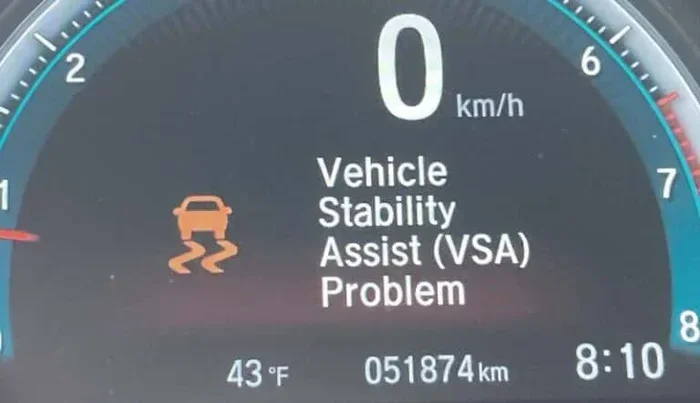
Vehicle Stability Control, or VSC, is one of the most important safety systems in modern cars. It helps you stay in control during slippery conditions, sharp turns, and sudden stops. But what happens when that little dashboard light pops on and you wonder, is VSC expensive to fix?
The honest answer might surprise you. In many cases, VSC repairs are affordable and straightforward. Sometimes it is as simple as replacing a sensor that costs under $100. Other times, the problem runs deeper and requires more investment. Either way, understanding the root cause is the first step toward an affordable fix.
This guide covers everything you need to know about VSC repair costs, common causes, and whether you can handle the fix yourself. By the end, you will feel confident making the right decision for your wallet and your safety.
Let us break down the truth about VSC expenses so you never pay more than you should.
What Is VSC and How Does It Work
Vehicle Stability Control is an electronic system designed to help drivers maintain control during challenging driving conditions. It works by monitoring steering input, wheel speed, yaw rate, and lateral acceleration. When the system detects a loss of traction or control, it automatically applies brakes to individual wheels and reduces engine power.
The Key Components of VSC
Your VSC system relies on several sensors and modules working together. Here are the main parts involved:
- Wheel Speed Sensors: Monitor how fast each wheel is spinning.
- Steering Angle Sensor: Tracks the direction you are steering.
- Yaw Rate Sensor: Measures how much your car is rotating or sliding.
- ABS Modulator: Controls brake pressure to individual wheels.
- VSC Control Module: The brain that processes all sensor data and makes corrections.
- Brake Actuator: Executes the braking commands from the control module.
When any one of these components fails, the VSC warning light illuminates on your dashboard. The system may also disable traction control, which means your car loses an extra layer of safety protection.
Common Causes of VSC Warning Light
Understanding what triggers the VSC light helps you anticipate repair costs. Here are the most common reasons the light comes on:
Faulty Wheel Speed Sensors
This is the number one cause of VSC warnings. Wheel speed sensors get exposed to road debris, dirt, and moisture. Over time, they wear out or get damaged. A bad sensor sends incorrect data to the control module, which triggers the light. Replacing a wheel speed sensor typically costs between $100 and $300 including parts and labor.
Low Brake Fluid
Your VSC system depends on proper brake hydraulic pressure. When brake fluid drops below the recommended level, the system flags a fault. This is one of the cheapest fixes, often costing just $20 to $50 for fluid and a top-off. However, consistently low fluid may indicate a brake line leak, which requires more attention.
Steering Angle Sensor Calibration Issues
The steering angle sensor tracks your steering wheel position. After a battery disconnect, alignment, or steering column service, this sensor may need recalibration. A calibration reset is usually free or costs under $50 at a shop. Ignoring it keeps the VSC light on and may affect car stability fix performance.
ABS Module or Control Module Failure
The ABS and VSC modules share components. When the ABS module fails, the VSC light often follows. This is a more expensive repair, ranging from $400 to $1,200 depending on your vehicle make and model. Module replacement involves both parts cost and programming labor.
Wiring and Electrical Issues
Corroded connectors, frayed wires, or damaged harnesses can disrupt sensor communication. Electrical issues are tricky because the problem is not always visible. Diagnosis time adds to the cost, but repairing a wiring issue typically runs $150 to $400.
Faulty Yaw Rate Sensor
The yaw rate sensor measures your vehicle’s rotation. When it fails, the VSC system cannot properly detect skidding or sliding. Replacement costs range from $200 to $500, including labor. This sensor is usually located near the center of the vehicle under the trunk or interior floor.
How Much Does It Cost to Fix VSC
The big question everyone wants answered: is VSC expensive to fix? The answer depends entirely on what is causing the problem. Here is a detailed breakdown of common VSC repairs and their associated costs.
| Repair Type | Parts Cost | Labor Cost | Total Estimate |
|---|---|---|---|
| Wheel Speed Sensor Replacement | $50 – $150 | $50 – $100 | $100 – $300 |
| Brake Fluid Top-Off | $10 – $30 | $0 – $20 | $20 – $50 |
| Steering Angle Sensor Calibration | $0 – $20 | $30 – $50 | $30 – $70 |
| Yaw Rate Sensor Replacement | $100 – $300 | $100 – $200 | $200 – $500 |
| ABS Modulator Replacement | $200 – $600 | $200 – $400 | $400 – $1,200 |
| VSC Control Module Replacement | $300 – $800 | $150 – $300 | $450 – $1,200 |
| Wiring Repair | $20 – $100 | $100 – $300 | $150 – $400 |
As you can see, the cost range is wide. Most VSC repairs fall in the affordable range of $100 to $500. Only module-level failures push costs higher. The good news is that most issues are sensor-related, which means they are quick and inexpensive to resolve.
For Toyota owners specifically, Toyota VSC systems are known for reliability. The vehicles themselves are not difficult to work on for most VSC-related repairs, which keeps labor costs reasonable compared to some other brands.
Factors That Affect VSC Repair Cost
Several factors influence how much you will pay for VSC repairs:
- Vehicle Make and Model: Luxury and imported vehicles cost more for parts and specialized labor.
- Location: Labor rates vary significantly by region and shop type.
- Dealership vs Independent Shop: Dealers charge more but offer OEM parts and specialized expertise.
- Extent of Damage: A single sensor failure costs less than multiple component failures.
- Diagnostic Fees: Most shops charge $75 to $150 for diagnostic scanning before any repair begins.
Can You Drive With the VSC Light On
Technically, yes, you can drive with the VSC light on. The car will still operate normally in most conditions. However, you lose the safety benefits of stability control and traction control. This means your vehicle is more likely to skid on wet roads, lose control during sharp turns, or slide on icy surfaces.
Here is what you should know before driving with the VSC light active:
- Avoid wet and icy roads whenever possible. Without stability control, these surfaces become much more dangerous.
- Drive at reduced speeds especially during turns and sudden maneuvers.
- Increase your following distance because braking distances increase without ABS and stability support.
- Get the vehicle diagnosed promptly. Driving extended periods with the light on can worsen underlying issues.
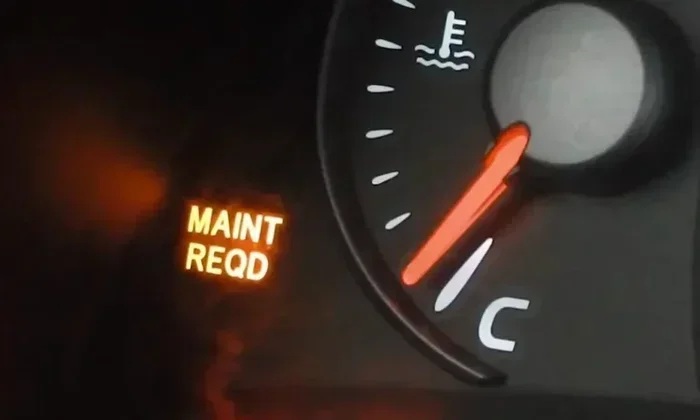
If the VSC light comes on alongside the check engine light or the wrench light, take it seriously. A bad battery causing the wrench light can sometimes trigger VSC warnings as well. Always check for multiple warning lights and address them together.
DIY VSC Repairs You Can Handle Yourself
Not every VSC issue requires a trip to the mechanic. Some repairs are simple enough for a home DIYer with basic tools and a little patience.
Reset the VSC System
Sometimes the VSC light comes on due to a temporary glitch. Try this simple reset procedure:
- Turn off the engine and wait 30 seconds.
- Restart the engine and drive for a few miles.
- If the light does not return, the issue was likely temporary.
If the light comes back, you need a deeper investigation. But this free step saves many drivers an unnecessary shop visit.
Check and Top Off Brake Fluid
Low brake fluid is one of the easiest VSC triggers to fix. Locate your brake fluid reservoir under the hood, check the level against the MIN and MAX marks, and top off with the correct DOT-rated fluid. This takes about five minutes and costs under $15 for a bottle of fluid.
Clean Wheel Speed Sensors
Debris buildup on wheel speed sensors can cause false readings. Remove the sensor, clean it with brake cleaner, and reinstall it. This free fix resolves VSC warnings caused by dirty sensors in many cases.
Replace a Wheel Speed Sensor
If cleaning does not work, replacing the sensor is the next step. Most wheel speed sensors are held in by one bolt and plug in with a connector. The part itself costs $20 to $80, and the job takes about 30 minutes per wheel. This is one of the most accessible DIY VSC repairs available.
Quick Tip: Always use an OBD2 scanner before attempting any repair. It tells you exactly which sensor or module is causing the problem, saving you time and money on unnecessary part replacements.
How to Prevent VSC Problems
Prevention is always cheaper than repair. Here are proven strategies to keep your VSC system functioning properly and avoid unexpected costs:
Follow Regular Maintenance Schedules
Stick to your manufacturer recommended maintenance schedule. Regular brake inspections, fluid changes, and tire rotations keep all systems running smoothly. Toyota truck maintenance costs are generally reasonable, and staying current with scheduled service prevents most VSC issues.
Keep Sensors Clean
Wheel speed sensors and steering angle sensors are exposed to road conditions. Regularly inspect them for dirt, corrosion, or physical damage. A quick cleaning during oil changes can prevent sensor failures before they start.
Address Warning Lights Immediately
Never ignore dashboard warning lights. A small issue like low brake fluid can snowball into a more serious problem if left unchecked. Early detection keeps repair costs low and ensures your vehicle remains safe to drive.
Use Quality Parts and Fluids
Cheap brake fluid or aftermarket sensors may seem like a savings, but they often fail sooner. Investing in quality parts the first time prevents repeat repairs and additional labor costs.
Protect Electrical Connections
Corrosion on connectors is a common cause of VSC sensor failures. Apply dielectric grease to sensor connectors during maintenance to prevent moisture intrusion and extend component life.
Monitor Brake Health Proactively
Since VSC relies heavily on the braking system, keeping your brakes in top shape directly supports stability control function. Replace brake pads and rotors on schedule, and never let brake fluid levels drop for extended periods.
When to See a Professional for VSC Repair
While some VSC fixes are DIY friendly, others require professional expertise. You should see a mechanic when:
- The VSC light stays on after a reset attempt.
- Multiple warning lights appear on your dashboard simultaneously.
- You suspect a module failure or internal electrical problem.
- You do not have access to an OBD2 scanner for proper diagnosis.
- The vehicle exhibits unusual handling or braking behavior.
Professional diagnosis typically costs $75 to $150, but it prevents the expensive mistake of replacing the wrong part. Many independent shops and Toyota dealerships offer free or low-cost diagnostics with any repair performed.
If you are considering a Toyota dealership for VSC repair, keep in mind that dealers have access to factory diagnostic tools and technical service bulletins. They can also check for any recalls or technical fixes specific to your vehicle model. However, independent shops often provide the same quality work at lower labor rates.
For those wondering whether Toyota vehicles are difficult to work on, the answer is generally no. Toyota designs their vehicles with accessibility in mind, and most VSC components are easy to reach and replace. This keeps both DIY and professional repair costs lower compared to brands with more complex systems.
Key Takeaways on VSC Repair Costs
The surprising truth about VSC repair costs is that most fixes are affordable and straightforward. The majority of VSC issues stem from sensor failures and fluid levels, which are quick and inexpensive to address. Only in rare cases involving module failure do costs climb into the higher ranges.
Staying proactive with maintenance, addressing warning lights promptly, and performing simple DIY checks can save you hundreds of dollars over the life of your vehicle. Whether you drive a Toyota or another brand, understanding your VSC system empowers you to make smart repair decisions.
So the next time that VSC warning light appears on your dashboard, do not panic. Diagnose the cause, explore your options, and choose the repair path that fits your budget and comfort level.
Frequently Asked Questions
What does the VSC light mean on my Toyota?
The VSC light indicates that your Vehicle Stability Control system has detected a malfunction. It means the stability and traction control features are partially or fully disabled. Common causes include faulty sensors, low brake fluid, or wiring issues. You should have the system diagnosed as soon as possible to restore full safety functionality.
How much does it cost to fix a VSC light on a Toyota?
Toyota VSC repair costs typically range from $100 to $1,200 depending on the root cause. Sensor replacements are the most common and affordable fix, usually costing $100 to $300. Module replacements are rarer and can reach $1,200. A proper diagnostic scan is the best first step to determine the exact cause and cost.
Can I drive my car with the VSC light on?
Yes, you can drive short distances with the VSC light on, but it is not recommended for extended periods. Without stability control, your vehicle is more vulnerable to skidding and loss of control, especially on wet or icy roads. Always get the issue diagnosed and repaired promptly to maintain safe driving conditions.
What is the most common cause of VSC warning lights?
The most common cause is a faulty wheel speed sensor. These sensors are exposed to road conditions and wear out over time. Other frequent causes include low brake fluid, steering angle sensor issues, and ABS module problems. A simple OBD2 scan can identify the exact sensor or component triggering the warning.
Can a dead battery cause the VSC light to come on?
Yes, a dead or weak battery can trigger the VSC light. When voltage drops, sensors and modules may send incorrect signals to the control unit. This is similar to how a bad battery can cause the wrench light to come on. Replacing or recharging the battery often resolves the VSC warning if it was voltage-related.
How long does it take to repair a VSC system?
Most VSC repairs take between 30 minutes and two hours. Simple sensor replacements and fluid top-offs are quick jobs. Module replacements and wiring repairs take longer due to the complexity of the work. The diagnostic process itself usually takes 30 to 60 minutes to pinpoint the exact problem.
=== CONCLUSION ===
Is VSC expensive to fix? The answer is a reassuring no for most drivers. The vast majority of VSC repairs are sensor-related and cost between $100 and $500. With proper maintenance and prompt attention to warning lights, you can keep your Vehicle Stability Control system running smoothly for years to come.
Do not let the VSC light intimidate you. Use the information in this guide to understand what is happening under the hood, explore your repair options, and make informed decisions. Whether you choose a DIY fix or professional service, addressing the issue quickly keeps both your wallet and your safety intact.