Can Low Coolant Cause a Car to Shake While Driving
Yes, low coolant can cause a car to shake while driving. When your coolant level drops, the engine can overheat, leading to misfires, warped parts, and serious vibrations. Understanding the warning signs early can save you from expensive repairs and keep your car running safely on the road.
You’re cruising down the highway, and suddenly your car starts shaking. It’s not a smooth ride anymore. Your hands grip the steering wheel tighter. What could be wrong? One culprit that often gets overlooked is low coolant. Many drivers don’t realize that can low coolant cause a car to shake until they’re already dealing with a serious problem on the road.
Coolant plays a huge role in keeping your engine at the right temperature. When the level drops too low, things start to go wrong fast. Overheating, misfires, and vibrations are all possible outcomes. This guide breaks down exactly how low coolant leads to shaking, what symptoms to watch for, and how to fix the problem before it gets worse.
Whether you’re a new car owner or someone who just wants to understand their vehicle better, this article covers everything you need to know. Let’s dive in and get you answers.
Key Takeaways
- Low coolant can trigger engine overheating, which directly causes shaking and vibrations while driving.
- Common symptoms include a rising temperature gauge, heater issues, and unusual engine noises.
- A dropped coolant level often points to leaks in the radiator, hoses, or water pump.
- Driving with low coolant can lead to costly engine damage, including a blown head gasket.
- Regular coolant flushes and level checks are the best ways to prevent low coolant problems.
- Quick action at the first sign of shaking can prevent a minor issue from becoming a major repair.
📑 Table of Contents
- What Happens When Your Coolant Level Drops Too Low
- How Low Coolant Affects Your Engine and Drivetrain
- Common Symptoms of Low Coolant While Driving
- What Causes Coolant Levels to Drop
- Can Low Coolant Cause Engine Damage?
- How to Fix and Prevent Low Coolant Issues
- Expert Insights on Coolant and Engine Vibrations
- Key Takeaways
- Conclusion
What Happens When Your Coolant Level Drops Too Low
Your car’s cooling system is designed to keep the engine running at a safe temperature. Coolant flows through the engine block, absorbs heat, and carries it to the radiator where it cools down. When the coolant level drops, this whole process breaks down. The result? Your engine starts to overheat, and that can cause your car to shake in several ways.
The Role of Coolant in Engine Stability
Coolant isn’t just about preventing overheating. It also helps maintain even heat distribution across the engine block. When the level is low, some areas get hotter than others. This uneven heating causes metal parts to expand at different rates. That uneven expansion leads to vibrations you can feel through the steering wheel or the entire car.
Here’s what happens step by step:
- The coolant level drops below the minimum mark.
- Certain parts of the engine receive less cooling.
- Hot spots develop in the combustion chambers.
- The engine runs unevenly, causing misfires.
- You feel shaking or vibrations while driving.
How Overheating Triggers Car Shaking
When your engine overheats because of low coolant, the shaking gets worse. The cylinder heads can warp, and the engine block itself can crack under extreme heat. Warped parts don’t seal properly, which leads to compression loss. Compression loss means the engine can’t fire all cylinders evenly. That imbalance is what makes your car shake, especially at idle or under load.
Low coolant also affects the thermostat, which regulates coolant flow. A stuck thermostat can make the problem even worse. The engine heats up faster, and the shaking becomes more noticeable. If you notice your temperature gauge climbing, pull over safely and check the coolant level right away.
How Low Coolant Affects Your Engine and Drivetrain
Low coolant doesn’t just affect the engine block. It can also impact other parts of your car that rely on proper cooling or heat regulation. Let’s look at how this plays out in different systems.
Engine Misfires and Rough Idle
One of the most common ways low coolant causes shaking is through engine misfires. When the engine overheats, the air-fuel mixture in the cylinders can ignite at the wrong time. This is called detonation or pre-ignition. It creates a rough, uneven running engine that vibrates noticeably.
You might notice the shaking most when:
- Idling at a red light
- Driving at low speeds in traffic
- Accelerating up a hill
- Turning on the air conditioning
If your car shakes when you first start it and the temperature gauge is already climbing, low coolant is a very likely cause.
Impact on the Transmission and Drivetrain
Here’s something many drivers don’t know. Low coolant can indirectly affect your transmission. When the engine runs hot, the transmission fluid also heats up. Overheated transmission fluid loses its lubricating properties. This can cause rough shifting, slipping gears, and vibrations during acceleration.
The drivetrain components like the driveshaft and CV joints also feel the heat. Excessive heat can warp these parts over time. So while the shaking starts in the engine, it can spread to other areas of the car if you keep driving.
Common Symptoms of Low Coolant While Driving
Knowing the warning signs early can save you from a breakdown. Here are the most common symptoms that point to low coolant causing your car to shake.
1. Rising Temperature Gauge
This is the most obvious sign. If your temperature gauge moves into the red zone, your engine is overheating. Low coolant is one of the top reasons this happens. The shaking often accompanies this warning because the engine is struggling to maintain a stable temperature.
2. Heater Blowing Cold Air
Your car’s heater uses coolant to generate warmth. If the coolant level is low, the heater may blow cold air even when you turn it up. This is a clear sign that there isn’t enough coolant circulating through the system. It often comes with a rough-running engine and noticeable vibrations.
3. Coolant Warning Light on the Dashboard
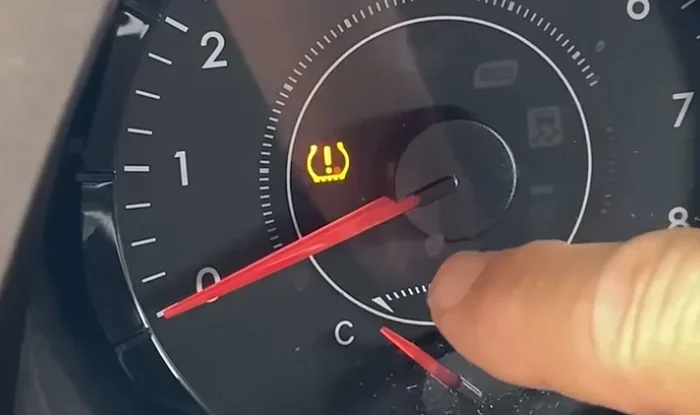
Modern cars have a coolant warning light that illuminates when the level drops too low. Don’t ignore this light. It’s there to protect your engine. If the light comes on and you feel shaking, stop driving safely and check the coolant reservoir.
4. Sweet Smell or Visible Leaks
A sweet, syrupy smell under your car often means coolant is leaking. You might also see green, orange, or pink fluid pooling beneath the vehicle. Leaks can happen from the radiator, hoses, water pump, or coolant reservoir. Any of these leaks can lead to low coolant and subsequent engine shaking.
5. Steam or Smoke from the Hood
If you see steam coming from under the hood, your engine is overheating badly. This is an emergency situation. Pull over immediately and turn off the engine. Continuing to drive with steam can cause severe engine damage and even more violent shaking or stalling.
What Causes Coolant Levels to Drop
Understanding why your coolant level drops helps you prevent the problem from happening again. Low coolant rarely happens on its own. There’s almost always a reason behind it.
External Leaks
External leaks are the most common cause of low coolant. These happen when coolant escapes from visible parts of the cooling system. Common leak points include:
- Radiator hoses — These rubber hoses crack and deteriorate over time
- Radiator cap — A worn cap can’t hold proper pressure
- Water pump — The pump seal can wear out and leak
- Heater core — Small leaks here can drain coolant slowly
- Radiator itself — Rust or damage can create holes
Internal Leaks
Internal leaks are trickier to find. They happen inside the engine where you can’t see them. A blown head gasket is a common cause of internal coolant loss. When the head gasket fails, coolant leaks into the combustion chambers or oil passages. This can cause serious engine damage if not addressed quickly.
Evaporation and Maintenance Neglect
Over time, coolant naturally evaporates through the radiator cap seal. This is normal in small amounts. But if you never check or top off your coolant, the level can drop to a dangerous point. Regular car maintenance includes checking the coolant level at least once a month during hot weather.
Can Low Coolant Cause Engine Damage?
The short answer is yes. Driving with low coolant can cause serious and expensive engine damage. Let’s look at what can go wrong and how to avoid it.
Cracked Cylinder Head
When the engine overheats, the cylinder head can crack. This is one of the most expensive repairs you can face. A cracked head allows coolant to leak into the cylinders, causing misfires, shaking, and white smoke from the exhaust. Replacing or repairing a cylinder head can cost anywhere from $500 to $2,000 depending on the vehicle.
Blown Head Gasket
The head gasket sits between the engine block and the cylinder head. It seals the combustion chambers and keeps coolant and oil separate. When the engine overheats, the gasket can blow. A blown head gasket causes coolant to mix with engine oil, leading to poor lubrication and more shaking. This repair often costs $1,000 to $2,500.
Warped Engine Block
In severe cases, the engine block itself can warp from extreme heat. A warped block means the cylinders won’t align properly, leading to compression loss and severe vibrations. This type of damage sometimes requires a full engine replacement, which can cost several thousand dollars.
How to Fix and Prevent Low Coolant Issues
The good news is that low coolant problems are often easy to fix if you catch them early. Prevention is also straightforward with a simple maintenance routine.
Step-by-Step Fix for Low Coolant
Here’s what to do if you suspect low coolant is causing your car to shake:
- Stop driving safely and pull over to a flat surface.
- Turn off the engine and wait at least 15 minutes for it to cool.
- Open the hood and locate the coolant reservoir.
- Check the level against the minimum and maximum marks.
- Top off with the correct coolant type if the level is low.
- Inspect for visible leaks under the car and around hoses.
- Start the engine and watch the temperature gauge.
- Drive to a mechanic if shaking continues or the gauge rises again.
Quick Tips to Prevent Low Coolant Problems
- Check your coolant level once a month, especially in summer
- Use the correct coolant type recommended by your car manufacturer
- Flush and replace coolant every 30,000 to 50,000 miles
- Replace the radiator cap every 3 to 5 years
- Inspect hoses and connections for cracks or leaks regularly
- Never ignore a rising temperature gauge or warning lights
When to See a Mechanic
If you’ve topped off the coolant and your car still shakes, it’s time for a professional inspection. The shaking might be caused by something more serious than just low coolant. A mechanic can perform a pressure test on the cooling system, check for internal leaks, and inspect the head gasket and water pump. Don’t try to guess — getting a proper diagnosis saves money and keeps you safe on the road.
Comparison: Low Coolant vs. Other Causes of Car Shaking
Not all car shaking is caused by low coolant. Here’s how it compares to other common causes:
| Cause | Shaking Location | Other Symptoms | Severity |
|---|---|---|---|
| Low coolant | Whole car, especially at idle | Overheating, heater issues, warning lights | High — can cause engine damage |
| Worn spark plugs | Engine vibration, rough idle | Misfires, poor fuel economy | Medium — easy to fix |
| Unbalanced wheels | Steering wheel, speed-dependent | Tire wear, vibration at high speeds | Low — routine fix |
| Damaged motor mounts | Whole car, especially at stop | Engine movement, clunking noises | Medium — needs replacement |
| Fuel system issues | Engine hesitation, rough running | Poor acceleration, stalling | Medium — needs diagnosis |
As you can see, low coolant stands out because it comes with overheating symptoms and the potential for serious engine damage. Other causes like unbalanced wheels or worn spark plugs are usually less dangerous but still worth fixing promptly.
Expert Insights on Coolant and Engine Vibrations
Automotive experts agree that low coolant is one of the most overlooked causes of car shaking. Many drivers only think about coolant when the engine has already overheated. By that point, damage may already be done.
Regular maintenance is the best defense. A simple coolant level check takes less than two minutes and can prevent thousands of dollars in repairs. If you live in a hot climate or do a lot of stop-and-go driving, check your coolant more frequently. These driving conditions put extra stress on the cooling system and can cause coolant levels to drop faster than normal.
Another expert tip: always use the correct coolant for your vehicle. Different cars require different types of coolant, and mixing them can cause chemical reactions that reduce cooling efficiency. Check your owner’s manual or ask your mechanic for the right type.
Key Takeaways
- Low coolant can cause a car to shake while driving by creating engine overheating and uneven combustion.
- Common symptoms include a rising temperature gauge, cold air from the heater, and dashboard warning lights.
- Leaks in hoses, the radiator, water pump, or head gasket are the most common reasons coolant levels drop.
- Ignoring low coolant can lead to cracked cylinder heads, blown head gaskets, and warped engine blocks.
- Regular coolant checks and flushes are the best ways to prevent low coolant and the shaking it causes.
- If shaking continues after topping off coolant, see a mechanic immediately for a full cooling system inspection.
Conclusion
The answer to the question “can low coolant cause a car to shake” is a clear yes. Low coolant leads to engine overheating, which causes misfires, warped parts, and vibrations you can feel through the steering wheel and the whole car. It’s a serious issue that demands attention right away.
The good news is that you can prevent most low coolant problems with simple, regular maintenance. Check your coolant level monthly, watch for warning signs like a rising temperature gauge or cold air from the heater, and never ignore the coolant warning light on your dashboard. These small habits can save you from expensive engine repairs and keep your car running smoothly for years to come.
If you ever notice your car shaking while driving, don’t ignore it. Pull over safely, check the coolant level, and get professional help if needed. Your engine — and your wallet — will thank you.
Frequently Asked Questions
Can low coolant cause a car to shake at idle?
Yes, low coolant can cause shaking at idle. When the coolant level is low, the engine overheats unevenly, causing misfires that create vibrations you can feel even when the car is standing still. This is one of the most common signs of a cooling system problem.
How do I know if my car is shaking because of low coolant?
Look for other symptoms alongside the shaking. If you notice a rising temperature gauge, cold air from the heater, a coolant warning light, or a sweet smell under the car, low coolant is likely the cause. A professional cooling system pressure test can confirm the diagnosis.
Can I just add coolant and keep driving if my car is shaking?
You can top off the coolant temporarily, but you should not keep driving if the shaking continues. Low coolant often points to a leak or a deeper issue. Driving on a shaking engine risks overheating and permanent damage. Get your car inspected by a mechanic as soon as possible.
What type of coolant should I use to prevent shaking issues?
Always use the coolant type recommended by your car manufacturer. Check your owner’s manual for the correct specification. Using the wrong coolant can reduce cooling efficiency and cause the same overheating and shaking problems you’re trying to avoid.
How often should I check my coolant level?
Check your coolant level at least once a month and before any long road trips. In hot climates or during heavy driving, check it more often. This simple habit takes just a couple of minutes and can prevent serious engine problems.
Can a small coolant leak cause significant shaking?
Yes, even a small leak can cause significant shaking over time. As the coolant level slowly drops, the engine gradually loses its ability to cool properly. What starts as a minor leak can lead to overheating, misfires, and noticeable vibrations if left unaddressed.