How Do You Release a Parking Brake Without a Battery
You can release a parking brake without a battery by using the manual override cable or mechanical release lever located beneath your vehicle. Most cars have an emergency release mechanism built into the parking brake system that works independently of electrical power. Knowing this simple parking brake trick can save you from being stranded and keep you safe when your battery dies unexpectedly.
Key Takeaways
- Always consult your owner’s manual before attempting any parking brake release method on your specific vehicle model.
- Use the emergency release cable located under the driver’s seat for most vehicles with a dead battery.
- Try the ignition key method by turning the key while pressing the release button on the lever.
- Check for a manual override near the center console or shifter area on some vehicle models.
- Tow the vehicle safely if other methods fail and the parking brake remains stuck.
- Replace or recharge the battery as soon as possible to restore full parking brake functionality.
- Seek professional help immediately if you cannot release the parking brake using any available method.
📑 Table of Contents
- What Happens When Your Battery Dies and the Parking Brake Is Engaged
- How the Parking Brake System Works Without Power
- Step-by-Step Methods to Release a Parking Brake Without a Battery
- Safety Precautions to Keep in Mind
- Common Mistakes People Make When Dealing With a Dead Battery and Parking Brake
- Preventive Tips to Avoid Parking Brake Issues With a Dead Battery
- When to Call a Professional
- Final Thoughts
What Happens When Your Battery Dies and the Parking Brake Is Engaged
There is nothing more frustrating than walking up to your car, ready to head out, and realizing the parking brake won’t release. Now add a dead battery into the mix, and you have a real problem on your hands. When your car battery dies, the electrical systems that control many modern features shut down completely. This includes the mechanism that releases your parking brake in many newer vehicles.
A dead battery doesn’t just leave you stranded. It can lock you into a parked position with no easy way out. Understanding what is happening under the hood helps you stay calm and find a solution. The good news is that you are not completely stuck. There are several reliable methods you can try to release a parking brake without a battery and get back on the road.
Whether your battery died overnight or you left the lights on, the situation is manageable if you know your options. Let us walk through exactly what happens when the battery dies and how to handle the parking brake release process safely and effectively.
How the Parking Brake System Works Without Power
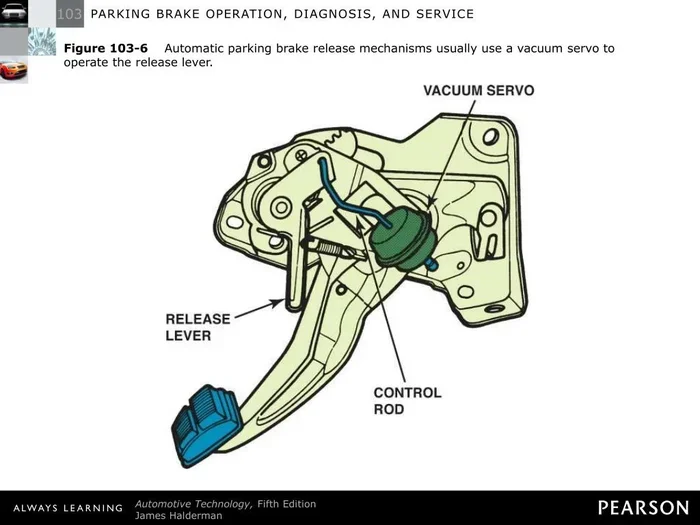
Modern vehicles use electronic parking brakes controlled by a motor or solenoid. When you press the button or pull the lever, an electrical signal tells the system to engage or release. But when the battery is dead, that signal cannot travel. The system stays exactly where you left it.
However, most cars still have a mechanical backup. This is the same principle as an older emergency brake. The parking brake uses a cable connected to the rear brakes. Even without power, you can often access this cable through a manual release. The key is knowing where to look and what to do.
The Role of the Parking Pawl
Inside your transmission, there is a small component called the parking pawl. This metal pin locks the transmission when you shift into park. It works independently of the battery. The parking brake and the parking pawl work together to keep your car stationary. Understanding this helps you realize that releasing the parking brake manually does not affect the transmission lock.
Cable-Activated vs. Electronic Systems
Older vehicles use a simple cable system. You pull a lever or press a pedal, and the cable tightens. Newer vehicles use electronic controls. Both systems can fail when the battery dies, but the cable systems are easier to bypass. If your car has an electronic parking brake, look for a manual release tab or screw near the rear of the system.
Step-by-Step Methods to Release a Parking Brake Without a Battery
Now let us get into the practical steps. These methods work for most vehicles, but always check your owner’s manual first. Every car is slightly different, and safety comes first.
Method 1: Use the Manual Override
Many vehicles have a hidden manual override for the parking brake. Look behind the center console or under the dashboard near the steering column. You may find a small hole or a removable cap. Insert a flathead screwdriver or a key into this opening and push or turn it. This bypasses the electrical system and releases the brake cable directly.
This is the fastest method if you can find the access point. Some vehicles label this as the parking brake release or emergency release. If you cannot find it, check your owner’s manual or search online for your specific make and model.
Method 2: Lift the Vehicle and Release the Cable
If the manual override is not accessible, you can release the parking brake cable directly. You will need a jack and jack stands or access to a lift. Here is what to do:
- Lift the rear of the vehicle securely using a jack.
- Place jack stands under the frame for safety.
- Locate the parking brake cable near the rear brakes.
- Find the adjustment nut or release lever on the cable.
- Loosen the nut or pull the lever to release tension.
- The parking brake should disengage once the cable slackens.
This method works well when you have the tools and a safe workspace. It gives you full control over the brake system without needing any electrical power.
Method 3: Shift Into Neutral and Push the Vehicle
For vehicles where the parking brake is partially engaged, you can sometimes work around it. Shift the transmission into neutral. This releases the parking pawl from the transmission. You can then push the vehicle to a safe location. This is not a permanent fix, but it helps in an emergency.
Be careful when pushing a vehicle. Make sure the area is clear and you have enough help. This method works best on flat ground. If you are on a hill, this approach can be dangerous and should be avoided.
Method 4: Jump-Start the Battery First
Sometimes the easiest path is to restore power to the vehicle. A jump start can bring your battery back to life quickly. Once the battery has enough charge, the electronic parking brake will release normally.
You can use jumper cables and another vehicle, or a portable jump starter. Connect the cables to the correct terminals, start the working vehicle, and then try starting yours. Once the engine is running, press the parking brake release button. This method is ideal if you do not want to get under the car.
Keep in mind that if your battery keeps dying, there may be an underlying issue. Consider having a professional check the charging system and battery health.
| Method | Difficulty Level | Tools Needed | Best For |
|---|---|---|---|
| Manual Override | Easy | Flathead screwdriver or key | Quick access under dashboard |
| Cable Release | Moderate | Jack, jack stands, wrench | Vehicles with accessible cable |
| Shift to Neutral | Easy | None | Emergency situations on flat ground |
| Jump Start | Easy | Jumper cables or portable starter | Restoring full electrical power |
Safety Precautions to Keep in Mind
Working on your vehicle’s brake system without power requires extra care. A car that is not properly secured can roll and cause serious injury. Always follow these safety steps before you start any repair.
- Never work under a vehicle supported only by a jack. Always use jack stands.
- Chock the wheels before lifting the vehicle. Use blocks or bricks behind the tires.
- Wear protective gloves and eyewear when handling brake components.
- Make sure the transmission is in neutral before attempting any release method.
- Work on a flat, stable surface away from traffic.
The parking brake is a safety feature designed to keep you and others safe. Treat it with respect. If at any point you feel unsure, stop and seek professional help. There is no shame in calling a tow truck or a mechanic when the situation feels dangerous.
One thing to keep in mind: a dead battery can sometimes affect other systems too. Your dashboard lights, power steering, and brake assist may not work properly. Drive carefully if you manage to release the parking brake and move the vehicle, even for a short distance.
Common Mistakes People Make When Dealing With a Dead Battery and Parking Brake
When you are stressed and your car will not move, it is easy to make mistakes. Here are the most common errors people encounter when trying to release a parking brake without a battery.
Forcing the Parking Brake Lever
Some people try to yank or force the parking brake lever harder when it will not release. This can damage the cable, the linkage, or the brake pads. The parking brake cable is under tension, and forcing it can snap the cable or strip the mechanism. Always use gentle, controlled movements.
Ignoring the Owner’s Manual
Every vehicle is different. The location of the manual release, the type of parking brake system, and the cable routing all vary by make and model. Skipping the owner’s manual means you might miss the simplest solution. Many newer vehicles have a hidden release tab that is easy to miss without guidance.
Trying to Drive With the Brake Partially Engaged
This is a dangerous mistake. If the parking brake is only partially released, driving the vehicle can overheat the brake components and cause damage to the rotors and pads. It also creates a burning smell and reduces braking performance. Always make sure the parking brake is fully disengaged before driving.
Neglecting the Root Cause
Releasing the parking brake is only half the battle. If your battery died because of a parasitic drain, a faulty alternator, or an old battery, the problem will return. Address the underlying battery issue to prevent being stranded again. A simple load test at an auto parts store can reveal a lot about your battery health.
Preventive Tips to Avoid Parking Brake Issues With a Dead Battery
The best way to handle this situation is to prevent it from happening in the first place. A few simple habits can save you time, money, and frustration.
- Check your battery regularly. Have it tested every six months, especially before winter and summer extremes.
- Turn off all accessories before shutting off the engine. This includes lights, radio, and phone chargers.
- Use the parking brake correctly. Engage it fully when parking and release it completely when driving.
- Keep jumper cables in your trunk. A portable jump starter is even better for emergencies.
- Address warning signs early. If your dashboard battery light comes on or the engine cranks slowly, get the battery checked right away.
Regular vehicle maintenance goes a long way. A healthy battery means your electronic parking brake will work when you need it. It also means you will not face the stressful situation of a dead battery and a stuck parking brake.
Another great tip is to keep your owner’s manual accessible. Whether it is a physical copy in the glove box or a digital version on your phone, quick access to your vehicle’s specific instructions can make all the difference in an emergency.
When to Call a Professional
There are times when DIY methods are not enough. If you have tried the manual override, cable release, and jump start without success, it is time to call in the experts. A certified mechanic has the tools and knowledge to diagnose the problem safely.
You should also call a professional if you notice any of the following signs:
- The parking brake cable is frayed, rusted, or visibly damaged.
- The brake system makes grinding or squealing noises.
- The vehicle pulls to one side when the brake is released.
- The parking brake engages but will not release at all, even with the manual override.
- You smell burning or notice smoke near the wheels.
These symptoms could indicate a deeper problem with the brake system that requires professional attention. Trying to force a fix in these situations can lead to costly repairs or safety hazards.
Sometimes the simplest solution is the best one. If you cannot release the parking brake safely, a tow truck can transport your vehicle to a nearby shop. It is always better to spend a little money on a tow than to risk your safety or damage your vehicle further.
Final Thoughts
Dealing with a dead battery and a stuck parking brake is never fun, but it is a situation you can handle with the right knowledge. Whether you use the manual override, release the cable by hand, or jump-start the battery first, you have real options that work. The key is staying calm, following the steps carefully, and prioritizing safety above everything else.
Remember that parking brake release without power is a common issue many drivers face. You are not alone, and there is always a way forward. Keep your tools handy, know your vehicle, and do not be afraid to call a professional when needed. With the right approach, you can get back on the road quickly and safely.
The most important takeaway is this: preparation prevents problems. Regular battery maintenance, understanding your vehicle’s systems, and keeping emergency tools in your trunk all make a big difference. The next time your battery dies and the parking brake won’t release, you will know exactly what to do.
Stay safe, stay prepared, and keep your vehicle running strong. A little knowledge goes a long way when it comes to handling the unexpected on the road.
Frequently Asked Questions
Can You Release a Parking Brake Without a Battery?
Yes, you can release a parking brake without a battery using mechanical override methods. Most vehicles have a manual release cable or lever located under the dashboard or near the center console. This allows you to disengage the brake even when the electrical system is completely dead.
How Do You Release a Parking Brake Without a Battery Using the Manual Cable?
Locate the manual release cable, which is usually found beneath the steering column or near the driver’s seat. Pull the cable firmly to disengage the parking brake mechanism. This method works on most older and many newer vehicles regardless of battery status.
What Happens If the Parking Brake Won’t Release Without Power?
If the parking brake won’t release without power, the cable may be stuck or corroded over time. Try tapping gently on the brake caliper or cable housing to loosen any rust or debris. You can also attempt to rock the vehicle forward and backward slightly to help release tension on the brake.
Is It Safe to Drive With a Manually Released Parking Brake?
It is safe to drive short distances with a manually released parking brake, but you should have the issue resolved quickly. Driving with the parking brake partially engaged can cause overheating and damage to the brake components. Always check that the brake is fully disengaged before driving.
Can You Jump-Start a Car to Release the Parking Brake?
Yes, jump-starting the car can restore enough electrical power to release the electronic parking brake. Once the battery has sufficient charge, simply press the parking brake release button as normal. This is the quickest solution if you have jumper cables or a portable jump starter available.
What Should You Do If the Parking Brake Stays Locked After Battery Replacement?
If the parking brake remains locked after replacing the battery, check the fuse box for a blown fuse related to the braking system. Sometimes the electronic control module needs a reset after a power loss. Consult your vehicle’s owner manual or a trusted mechanic if the problem persists.