How Do I Clear the Oil Change Required Message Fast
The oil change required message can be annoying, but clearing it is usually quick and easy. Most vehicles let you reset the reminder through the dashboard menu or a simple button sequence. This guide covers the exact steps for popular car brands so you can clear the oil change required message in minutes without visiting a mechanic.
This is a comprehensive guide about How Do I Clear the Oil Change Required Message?.
Key Takeaways
- Resetting the oil change message is different from actually changing your oil. Always get the oil changed first before clearing the reminder.
- Most cars let you reset the message through the steering wheel controls or dashboard menu in under five minutes.
- Ignoring the oil change required message can lead to engine damage and reduced vehicle performance over time.
- Different car brands use different reset procedures. Toyota, Honda, Ford, and Chevrolet all have their own methods.
- You can usually still drive safely for a short period after the message appears, but do not delay the actual oil change.
- If the message keeps coming back, there may be a deeper issue with the oil life monitoring system that needs professional attention.
[FEATURED_IMAGE_PLACEHOLDER]
How Do I Clear the Oil Change Required Message Fast?
That little message on your dashboard saying “Oil Change Required” can really get on your nerves. It seems to pop up at the worst possible time. Maybe you just got busy, or maybe you genuinely forgot. Either way, you are here because you want to know how to make it go away. Good news: clearing the oil change required message is something you can do yourself in most cases. You do not need a mechanic or expensive tools. This guide walks you through everything you need to know, step by step.
Before we dive into the reset steps, let us talk about why this message even exists. Your car has an oil life monitoring system that tracks driving conditions, mileage, and engine hours. When the system decides your oil is due for a change, it triggers the reminder. Some cars use a simple mileage counter. Others use a more sophisticated algorithm that considers your driving habits. Either way, the goal is the same: protect your engine by reminding you to change the oil on time.
Now, here is the most important thing to remember. Clearing the message does not replace the oil. It only resets the reminder. You must change the oil first. Skipping the actual oil change and just resetting the light can cause serious engine damage. Think of the message as a warning, not an inconvenience to dismiss. Once you have the fresh oil in, then you can clear the reminder and move on.
Why Does the Oil Change Required Message Appear?
Understanding why the message shows up helps you appreciate the reset process. Your vehicle’s oil life monitoring system is always working behind the scenes. It tracks factors like engine temperature, driving conditions, and time since the last service. When the system determines the oil has reached the end of its useful life, it triggers the dashboard alert.
Several factors influence when the message appears. Short trips in cold weather can cause the system to flag an oil change sooner. Stop-and-go city driving also takes a toll on oil quality. Towing heavy loads or driving in extreme heat can accelerate oil degradation. Even your driving style matters. If you tend to accelerate quickly and brake hard, your oil may break down faster than someone who drives more gently.
Most manufacturers recommend changing conventional oil every 3,000 to 5,000 miles. Synthetic oil can last longer, sometimes up to 7,500 or even 10,000 miles. Check your owner’s manual for the specific oil change interval for your vehicle. The message will typically appear based on this schedule, adjusted for your actual driving conditions.
Oil Life Monitoring Systems Explained
Modern cars use one of two main types of oil life monitoring. The first is a time-based system that counts miles or days since the last reset. This is the simpler approach. The second is a condition-based system that actually analyzes driving patterns to estimate oil quality. Condition-based systems are more accurate but also more complex. They account for factors like engine temperature fluctuations, idling time, and load conditions.
Some older vehicles do not have an oil life monitoring system at all. Instead, they rely on a simple mileage-based reminder. If your car falls into this category, the message will appear at a fixed interval, usually around 5,000 miles. Regardless of the type, the reset process is similar. You clear the message after completing the oil change.
How to Clear the Oil Change Required Message by Brand
Every car brand has its own reset procedure. There is no universal button or menu that works for all vehicles. Below, we cover the most common brands and their specific steps. These instructions are based on general procedures. Always double-check your owner’s manual for model-specific details.
How to Reset the Oil Change Message on Toyota
Toyota vehicles are among the most popular on the road, and the reset process is straightforward. Start by turning the ignition to the “ON” position without starting the engine. You should see the dashboard lights come on. Next, use the steering wheel arrows to navigate to the maintenance menu on the instrument cluster display. Scroll until you see the oil life indicator. Press and hold the reset button on the steering wheel until the display flashes. Release the button and turn the ignition off. When you start the car again, the message should be gone.
If you own a newer Toyota with a touchscreen display, the process is slightly different. Go to the settings menu, find the vehicle maintenance section, and select the oil life reset option. Follow the on-screen prompts to complete the reset. The entire process takes less than two minutes once you know where to look.
How to Reset the Oil Change Message on Honda
Honda vehicles use a similar but slightly different process. Turn the ignition to the “ON” position. Locate the select/reset knob on the instrument panel, usually near the speedometer. Press the knob and hold it for about 10 seconds. The oil life indicator should start to blink. Continue holding the knob until the light resets and the display shows 100% oil life. Release the knob, and the message is cleared.
Some Honda models use a different button combination. If the knob method does not work, try pressing and holding the trip button on the steering wheel while cycling the ignition. Check your Honda owner’s manual for the exact procedure for your specific model year.
How to Reset the Oil Change Message on Ford
Ford trucks and SUVs have a slightly more involved process, but it is still manageable. Use the steering wheel controls to navigate to the main menu on the instrument display. Scroll down to “Vehicle Info” and select it. Look for “Maintenance Required” or “Oil Life Reset.” Select the option and confirm the reset. The display should show the oil life percentage returning to 100%.
For older Ford models without a digital display, the process involves a different approach. Turn the ignition key to the “ON” position three times within five seconds, ending in the “ON” position. The oil change light should start flashing. Press the gas pedal three times within 10 seconds. The light should turn off, indicating the reset was successful.
How to Reset the Oil Change Message on Chevrolet
Chevrolet vehicles also have their own reset sequence. Turn the ignition to the “ON” position without cranking the engine. Use the steering wheel arrows to scroll through the display menus. Find the “Vehicle Information” or “Settings” section. Look for the oil life reset option and select it. Hold the reset button until the display confirms the reset. Turn the ignition off and back on to verify the message is gone.
Some Chevrolet models, particularly trucks and SUVs, may have a slightly different menu layout. If you cannot find the oil life reset option, try looking under “Driver Information” or “Gauge Control.” The key is to navigate through the vehicle settings menu systematically. It should not take more than a couple of minutes.
Common Mistakes When Clearing the Oil Change Required Message
Resetting the oil change message seems simple enough, but people make mistakes all the time. Here are the most common errors to avoid.
Resetting the message without changing the oil. This is by far the biggest mistake. The message exists for a reason. If you clear it without fresh oil in the engine, you are just delaying a necessary service. Over time, this can lead to engine wear, reduced fuel efficiency, and costly repairs.
Not following the correct reset procedure for your specific model. Every car brand has its own method. Using the wrong procedure can sometimes trigger error messages or fail to reset the light. Always refer to your owner’s manual or a trusted online guide specific to your vehicle.
Turning the ignition off too quickly during the reset. Some reset procedures require you to hold a button for several seconds or cycle the ignition multiple times. If you rush through the process, the reset may not take effect. Be patient and follow each step carefully.
Assuming the message will never come back. Even after a successful reset, the oil change message will return when the next service interval is reached. This is normal. Do not panic when it happens again. Just repeat the reset process after your next oil change.
What If the Oil Change Required Message Will Not Go Away?
Sometimes the message persists even after you follow the reset steps correctly. This can be frustrating, but there are a few things you can try. First, double-check that you completed the oil change. If you recently had the oil changed at a shop, they may not have reset the system for you. In that case, you can do it yourself using the steps above.
If you did change the oil and reset the system but the message remains, there may be an issue with the oil life monitoring sensor. The sensor could be faulty or miscalibrated. In this situation, it is best to visit a trusted mechanic or dealership. They can diagnose the problem and recalibrate the system if needed.
Another possible cause is a low oil level. If your oil is below the recommended level, some vehicles will continue to display the maintenance message even after a reset. Check your oil level using the dipstick or the electronic oil level indicator on the dashboard. If the level is low, add the recommended oil type for your vehicle and try resetting again.
For vehicles where the message keeps returning despite regular oil changes, there may be a deeper issue with the oil life monitoring system itself. A dealership or qualified mechanic can run diagnostics to identify the problem. In rare cases, the system may need to be reprogrammed or replaced.
How Often Should You Actually Change Your Oil?
The oil change required message is a helpful guide, but it should not be the only factor you consider. The frequency of oil changes depends on several variables, including the type of oil you use, your driving conditions, and your vehicle model. Most modern cars recommend oil changes every 5,000 to 7,500 miles for synthetic oil. Older vehicles or those using conventional oil may need changes every 3,000 to 5,000 miles.
If you frequently drive in severe conditions, you may need to change your oil more often. Severe conditions include extreme temperatures, dusty environments, frequent short trips, and heavy towing. In these cases, the oil degrades faster and loses its protective properties sooner. Following the manufacturer recommended maintenance schedule is always a safe bet.
Some drivers wonder if they can go longer between oil changes to save money. While synthetic oils have improved significantly, sticking to the recommended interval is the best way to protect your engine. Skipping oil changes may save a little money in the short term, but engine repairs are far more expensive. Think of oil changes as a small investment in your vehicle’s long-term health.
Signs Your Oil Needs Changing Sooner Than Scheduled
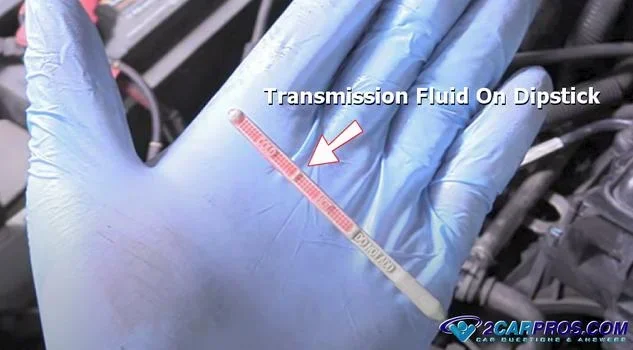
The oil change required message is the most obvious signal, but there are other signs to watch for. Dark or dirty oil on the dipstick is a clear indicator. Fresh oil is amber in color, while used oil turns dark brown or black. If you notice a burning smell coming from the engine bay, that could indicate overheating oil. Unusual engine noise, such as knocking or ticking, can also suggest that the oil is not lubricating properly.
Reduced fuel efficiency is another subtle sign. When oil breaks down, it does not lubricate the engine as effectively. This creates more friction, which forces the engine to work harder and consume more fuel. If you notice your gas mileage dropping, it might be time for an oil change even if the reminder has not yet appeared.
Quick Tips for Staying on Top of Your Oil Changes
- Set a reminder on your phone or calendar app when you have the oil changed. This way, you will know exactly when the next change is due.
- Keep a log of all oil changes in a notebook or a car maintenance app. Tracking your service history helps you spot patterns and stay proactive.
- Use the right oil for your vehicle. Check your owner’s manual for the recommended oil viscosity and type. Using the wrong oil can reduce engine performance.
- Check your oil level monthly. A quick dipstick check takes less than a minute and can catch low oil levels before they cause problems.
- Do not ignore the oil change required message. Even if you are busy, schedule the oil change as soon as possible. Delaying increases the risk of engine damage.
- Keep a spare quart of oil in your trunk. If you notice the level is low between changes, you can top it off safely.
How to Choose the Right Oil for Your Vehicle
Not all engine oils are created equal. Choosing the right one makes a big difference in engine performance and longevity. The two main types are conventional oil and synthetic oil. Conventional oil is derived from crude oil and is more affordable. It works well for older vehicles with simpler engine designs. Synthetic oil, on the other hand, is chemically engineered for superior performance and protection.
Synthetic oil flows better in cold temperatures and resists breakdown at high temperatures. This makes it ideal for modern engines with tighter tolerances. Many newer vehicles require synthetic oil, so always check your owner’s manual before purchasing. Using the wrong type of oil can void your warranty and potentially damage the engine.
You also need to consider the oil viscosity, which is the thickness of the oil. Common viscosities include 5W-30, 5W-20, and 0W-20. The “W” stands for winter, and the number before it indicates how the oil flows in cold temperatures. The number after the “W” indicates the oil’s thickness at operating temperature. Lower viscosity oils are becoming more popular because they improve fuel efficiency. However, always use the viscosity recommended by your vehicle manufacturer.
Can You Still Drive With the Oil Change Required Message On?
The short answer is yes, you can usually still drive safely for a short period after the message appears. The oil change required message is a reminder, not an emergency alert. However, that does not mean you should ignore it indefinitely. Driving with old oil can lead to increased engine wear, reduced performance, and eventually, engine failure.
If the message comes up while you are far from a service center, you can drive carefully to the nearest oil change location. Avoid aggressive driving, heavy acceleration, and towing. These activities put extra stress on the engine, which is already less protected by old oil. Once you reach the service center, get the oil changed and then reset the message.
If the message is accompanied by other warning lights, such as the check engine light or an oil pressure warning, pull over safely and turn off the engine immediately. These additional warnings indicate a more serious problem that requires immediate attention. Continuing to drive in this situation could cause catastrophic engine damage.
How Much Does an Oil Change Cost?
The cost of an oil change varies depending on several factors, including the type of oil used, the vehicle model, and where you get the service done. On average, a standard oil change with conventional oil costs between $35 and $75. Synthetic oil changes typically range from $65 to $125. Luxury vehicles and high-performance cars may cost more due to the larger oil capacity and premium oil requirements.
Getting an oil change at a quick-lube shop like Jiffy Lube is often more affordable than going to a dealership. However, dealerships offer the advantage of trained technicians who know your specific vehicle. They also use manufacturer-approved parts and fluids. If you are concerned about cost, ask about oil change coupons or membership programs that offer discounted services.
Some dealerships and service centers also bundle the oil change with other routine maintenance tasks, such as tire rotation, fluid checks, and multi-point inspections. This can provide better value compared to paying for each service separately. Always ask what is included in the service package before committing.
Final Thoughts on Clearing the Oil Change Required Message
Clearing the oil change required message is a simple process that most car owners can handle on their own. Whether you drive a Toyota, Honda, Ford, or Chevrolet, the reset procedure is quick and easy once you know the steps. Just remember to change the oil first, and then reset the reminder using the method specific to your vehicle. Keeping up with regular oil changes is one of the most important things you can do to protect your engine and extend the life of your car.
If you ever find that the message will not clear or keeps returning, do not hesitate to seek professional help. A qualified mechanic can diagnose the issue and make sure your vehicle is running at its best. Regular maintenance, including timely oil changes, keeps your car safe, reliable, and ready for the road ahead.
Now that you know how to handle the oil change required message, you can tackle it with confidence the next time it appears. Keep this guide bookmarked for reference, and share it with fellow car owners who might find it helpful. Staying on top of your vehicle’s maintenance schedule pays off in the long run with better performance, improved fuel economy, and fewer unexpected repairs.
Frequently Asked Questions
Can I clear the oil change required message without changing the oil?
Yes, you can clear the message without changing the oil, but this is not recommended. The message exists to remind you that the oil needs to be replaced. Clearing it without an actual oil change means your engine is running on old, degraded oil. This can lead to increased wear and potential engine damage over time. Always change the oil first, then reset the reminder.
How long can I drive after the oil change required message appears?
You can typically drive for a short distance after the message appears, but do not delay the oil change for too long. Most vehicles can safely travel another 300 to 500 miles after the reminder shows up. However, pushing beyond this limit increases the risk of engine wear. Schedule the oil change as soon as possible to keep your engine protected.
Why does my oil change required message keep coming back after I reset it?
If the message keeps returning, it could mean the oil life monitoring system was not fully reset. It might also indicate a faulty sensor or low oil level. Check your oil level first and top it off if needed. If the message persists, visit a mechanic or dealership to inspect the oil life monitoring system and recalibrate it if necessary.
Is the oil change required message the same as the check engine light?
No, these are two different warnings. The oil change required message is specifically tied to your oil maintenance schedule. The check engine light indicates a broader range of issues, from emissions problems to sensor malfunctions. If both lights appear at the same time, address them promptly, as they may or may not be related.
Can I reset the oil change message myself, or do I need a mechanic?
In most cases, you can reset the oil change message yourself using the steps outlined in your vehicle’s owner manual or this guide. The process typically involves a few button presses on the steering wheel or dashboard controls. You do not need a mechanic for the reset. However, if the message will not clear after multiple attempts, a professional inspection may be needed.
Does clearing the oil change required message affect my warranty?
No, resetting the oil change reminder does not affect your warranty. However, failing to actually change the oil on schedule can void certain warranty coverage related to engine damage. Always keep records of your oil changes and follow the manufacturer’s recommended maintenance schedule to protect your warranty.