How Do You Start a Car With a Dead Key Battery Fast
Finding yourself stranded with a dead key battery is frustrating but fixable. This guide shows you exactly how to start a car with a dead key battery using simple emergency methods anyone can do. You will learn prevention tips, replacement steps, and safety advice to keep your car running smoothly.
There is nothing worse than standing next to your car, ready to head out, and realizing your key fob has no juice left. The screen is blank. The buttons do nothing. You press the start button over and over, and your car just will not respond. This situation happens to millions of drivers every year, and it can strike at the worst possible moment.
But here is the good news. You can still start your car even with a completely dead key battery. Several simple methods work reliably, and most drivers can do them in under two minutes. This guide walks you through every option step by step. Whether you drive a Toyota, a Honda, or any other brand, these techniques will get you back on the road fast.
We will also cover how to prevent this problem from happening again, when to replace your key fob battery, and what safety steps to keep in mind. By the end of this article, you will feel confident handling a dead key battery situation no matter where you are.
Key Takeaways
- Multiple backup methods exist: You can start your car even when the key fob battery is completely dead using the physical key, push button override, or portable jump starter.
- Replacement is simple and cheap: Swapping out a key fob battery costs under $10 and takes just a few minutes at home.
- Prevention saves you from trouble: Replacing your key fob battery every 1-2 years and keeping a spare prevents unexpected failures.
- Safety matters: Always handle car batteries carefully and follow manufacturer instructions to avoid damage or injury.
- Know when to seek help: If emergency start methods fail, a professional mechanic can diagnose deeper issues with your ignition system.
📑 Table of Contents
- What Happens When Your Key Battery Dies
- How to Start a Car With a Dead Key Battery
- How to Replace Your Key Fob Battery
- Preventing Key Fob Battery Failures
- Safety Tips When Dealing With Dead Key Batteries
- Common Mistakes People Make With Dead Key Batteries
- Expert Insights on Key Battery Maintenance
- Conclusion
What Happens When Your Key Battery Dies
Understanding what goes wrong when your key battery dies helps you respond faster and smarter. Most modern cars use a key fob with a small coin-cell battery inside. This battery sends a signal to your car so it recognizes the key is nearby. When that battery runs out, the signal stops, and your car cannot detect the key.
Common Signs Your Key Battery Is Dying
Your key fob usually gives you warning signs before it dies completely. Watch for these red flags:
- The fob screen dims or goes completely dark
- You need to press the button very close to the car for it to work
- The car does not beep or flash lights when you approach
- Push-button start fails even though the fob is inside the cabin
- You notice the key fob range shrinking over days or weeks
If you notice any of these signs, do not wait. Replace the battery right away. Catching the problem early means you never have to deal with a fully dead battery at the worst possible time. Many drivers ignore these early warnings and then find themselves stuck.
Why Cars Rely on Key Fob Batteries
Modern vehicles use keyless entry and push-button start systems. These systems depend on a constant wireless connection between your fob and the car. The small battery inside the fob powers this connection. Without it, the car treats the fob as invisible. This design is convenient but means one small battery controls your access to the vehicle.
Some people wonder, can you drive a car if the key fob battery dies? The answer depends on your car model and whether you can start it using backup methods, which we cover below. Many vehicles allow you to keep driving once the engine is running, even if the fob battery is dead.
How to Start a Car With a Dead Key Battery
Now for the part you really need. When your key battery is dead and your car will not start, try these methods in order. Most drivers find that one of the first three methods works immediately.
Method 1: Use the Physical Key
Most key fobs have a hidden physical key inside them. This is your best friend when the battery dies. Look for a small button or slider on the side of your fob. Press it, and a thin metal key pops out. Use this key to manually unlock your door.
Once inside, look for a key slot near the steering column or on the center console. Insert the physical key and turn it to start the engine. Many newer cars hide this slot behind a small cover panel. Push or pull the cover to reveal it.
This method works on almost all vehicles. Even cars with push-button start usually have a backup key slot. Check your owner manual if you are not sure where yours is located.
Method 2: Hold the Fob Against the Start Button
Many cars have a backup sensor built into the start button. Even with a dead battery, if you hold the fob directly against the button, the car can pick up a weak signal through proximity. Just press the start button with the fob pressed right against it.
This trick works because the car reads the fob through direct contact rather than relying on a wireless signal. Try holding the fob to the button with firm pressure. You may need to press the brake pedal at the same time, depending on your vehicle.
Method 3: Use a Portable Jump Starter
If the physical key method does not work or you do not have a hidden key, a portable jump starter can help. These small devices fit in your glove box and provide enough power to start your car even when the battery is weak.
Connect the jump starter cables to your car battery terminals. Make sure you match positive to positive and negative to negative. Then turn the jump starter on and press the start button as normal. The extra power often allows the car to recognize the fob and start the engine.
Keep in mind that this method addresses a low car battery situation too. If your car won’t start with a new battery, there may be another issue beyond the key fob that needs attention.
Method 4: Replace the Key Fob Battery on the Spot
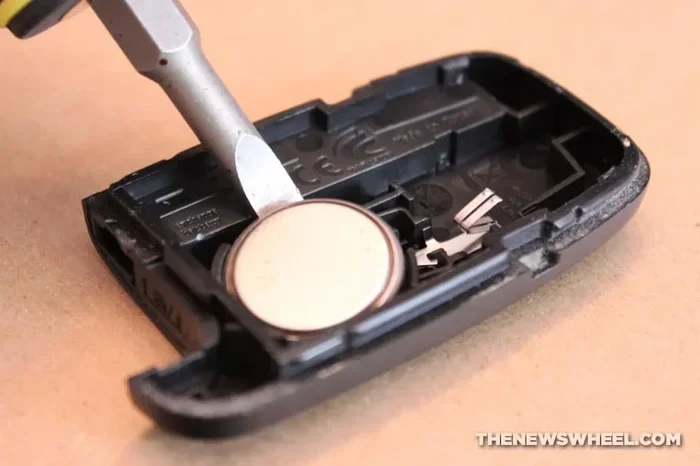
If you carry a spare CR2032 or CR2025 battery in your glove box, you can replace the dead battery right where you are. Open the fob using a small flathead screwdriver or a coin. Swap out the old battery for the new one. Close the fob and try starting the car again.
Make sure you insert the new battery with the correct side facing up. Check the markings inside the fob to confirm the battery type. This method takes less than three minutes and solves the problem completely.
After replacing the battery, you might wonder, do you have to do anything after replacing a key fob battery? In most cases, the fob works immediately. However, some vehicles require you to reprogram the fob or reset the system. Check your owner manual for specific instructions.
Method 5: Call for Roadside Assistance
If none of the above methods work, it is time to call for help. Roadside assistance services can often help you start your car or provide a replacement key. Many insurance policies and car warranties include this service, so check yours before you need it.
Having a backup plan in place before you are stranded saves time and stress. Keep your insurance roadside assistance number saved in your phone. You can also download apps from companies like AAA or your insurance provider for quick access.
How to Replace Your Key Fob Battery
Replacing your key fob battery at home is one of the easiest car maintenance tasks you can do. It costs just a few dollars and takes less than five minutes. Here is a simple walkthrough.
Step-by-Step Replacement Guide
- Find the right battery: Most key fobs use a CR2032 coin battery. Check your owner manual or look at the old battery to confirm the type.
- Open the fob: Use a small flathead screwdriver to pry open the fob shell. Look for a tiny seam along the edge. Insert the screwdriver gently and twist.
- Remove the old battery: Push the old battery out carefully. Note which side faces up so you can match the orientation with the new battery.
- Insert the new battery: Place the new battery in the same position as the old one. Make sure it sits flat and secure in the compartment.
- Close the fob: Snap the two halves back together until you hear a click. Press around the edges to make sure the seal is tight.
- Test the fob: Stand near your car and press the lock and unlock buttons. The car should respond immediately.
Which Battery Type Do You Need
The most common key fob batteries are CR2032 and CR2025. Both are widely available at grocery stores, drugstores, and auto parts shops. A pack of two or three costs between $3 and $8. Always buy name-brand batteries for the best reliability.
Some luxury vehicles use different battery types. BMW key fobs, for example, may use a CR2025 or a rechargeable battery. Tesla key cards use a different system entirely. When in doubt, check your vehicle manual or ask your dealer.
Preventing Key Fob Battery Failures
The best way to handle a dead key battery is to never let it happen. A few simple habits can keep your key fob working reliably for years.
Replace the Battery on a Schedule
Most key fob batteries last between one and two years. Mark your calendar or set a phone reminder to replace the battery every 18 months. This simple habit eliminates surprise failures entirely.
Some drivers notice their fob battery dies more often in cold weather. Extreme temperatures drain batteries faster. If you live in a very cold or very hot climate, consider replacing the battery every 12 months instead.
Keep a Spare Battery and Key
Always keep a spare key fob battery in your glove box or emergency kit. A dead battery at home is easy to fix. A dead battery at a parking lot or on the side of the road is a major inconvenience.
Similarly, having a spare physical key saves you if the fob breaks entirely. Store the spare key in a safe place at home or give one to a trusted family member.
Avoid Battery Drain Habits
Certain habits drain your key fob battery faster than normal. Avoid pressing the buttons unnecessarily when you are far from the car. Do not leave the fob near other electronic devices that emit strong signals. Store the fob in a cool, dry place when not in use.
If you have multiple key fobs in your household, make sure each one gets its battery replaced on schedule. It is easy to forget about the spare fob sitting in a drawer.
Safety Tips When Dealing With Dead Key Batteries
While a dead key battery is not dangerous, there are some safety steps worth following. These tips protect both you and your vehicle.
Handle Batteries Carefully
Coin-cell batteries contain chemicals that can be harmful if swallowed or mishandled. Keep batteries away from children and pets. If a battery leaks, clean the compartment with a dry cloth before inserting a new one. Do not use a damaged or leaking battery.
Do Not Attempt Dangerous Workarounds
Some online videos suggest risky methods for starting a car with a dead key battery. Never try to hotwire your vehicle or bypass security systems. These actions can damage your car and may be illegal in many areas. Stick to the manufacturer-approved methods described in this guide.
Also, be careful when working near the car battery. If you need to check your car battery terminals or jump-start your vehicle, follow proper safety procedures. Wear gloves and avoid touching both terminals at the same time. If you are unsure about any step, consult a professional.
Know When to Visit a Mechanic
If you have tried all the methods above and your car still will not start, there may be a deeper issue. A dead key battery is usually the culprit, but other problems can mimic the same symptoms. A faulty ignition switch, a dead car battery, or a malfunctioning start button can all cause similar issues.
A mechanic can test a car battery with a multimeter and check the entire ignition system. They can also reprogram or replace your key fob if needed. Do not hesitate to seek professional help if the simple methods do not work.
Common Mistakes People Make With Dead Key Batteries
Avoid these common errors that make a bad situation worse:
- Ignoring early warning signs: If your fob range is getting shorter, replace the battery immediately. Waiting until it dies completely puts you at risk of being stranded.
- Using the wrong battery type: Always match the exact battery model. Using the wrong size or voltage can damage the fob.
- Forgetting to reprogram: Some vehicles need a reprogramming step after battery replacement. Check your manual to be sure.
- Panic and repeated button pressing: Mashing the start button over and over drains your car battery faster. Stay calm and work through the methods systematically.
- Leaving the fob in a cold car overnight: Cold weather kills batteries faster. Bring your fob inside or store it in a warm pocket.
Expert Insights on Key Battery Maintenance
Automotive experts recommend treating your key fob battery the same way you treat your car battery. Regular maintenance prevents unexpected failures. According to most dealership service departments, the average driver should replace their key fob battery at least once every two years.
Dealerships can also help with more complex issues. If you are wondering whether any dealership can replace a key fob battery, the answer is yes. Most dealerships will replace the battery for free or a small fee. They can also check the fob for any other issues during the visit.
For hybrid and electric vehicle owners, the situation is slightly different. Some hybrid systems have additional battery considerations beyond the key fob. If you drive a Toyota hybrid or any other hybrid vehicle, make sure you understand the difference between your key fob battery and your hybrid battery. These are completely separate systems that serve different purposes.
One final expert tip: always keep your owner manual accessible. Whether it is a physical copy in your glove box or a digital version on your phone, the manual contains specific instructions for your vehicle model. It will tell you exactly where the backup key slot is, what battery type you need, and any special steps for your make and model.
Conclusion
Starting a car with a dead key battery is easier than most people think. You have multiple backup methods available, from using the physical key to holding the fob against the start button. The key is to stay calm and work through the options one by one.
Prevention is your best long-term strategy. Replace your key fob battery every one to two years, keep a spare battery on hand, and watch for early warning signs. These simple habits save you from the stress and inconvenience of a dead battery at the worst possible moment.
Remember, if none of the DIY methods work, roadside assistance and professional mechanics are always available to help. Do not force anything or attempt unsafe workarounds. Your vehicle is designed with backup systems for exactly this situation, and with the right knowledge, you will handle it like a pro every time.
Take a few minutes today to check your key fob battery. A small act of maintenance now can save you a major headache later. Stay prepared, stay safe, and keep your car running smoothly.
Frequently Asked Questions
Can you start a car with a dead key fob battery using the push button?
Yes, in most vehicles you can. Hold the dead fob directly against the push-button start and press the button while pressing the brake pedal. The car can sometimes pick up a weak signal through direct contact. If this does not work, use the hidden physical key that is built into most fobs.
How much does it cost to replace a key fob battery?
A key fob battery replacement costs between $3 and $10 for the battery itself. You can buy CR2032 or CR2025 batteries at any grocery store, pharmacy, or auto parts shop. If you visit a dealership, they may charge a small service fee on top of the battery cost.
How long does a key fob battery last?
Most key fob batteries last between one and two years. Cold weather, frequent use, and long distances from the car can shorten battery life. Replacing the battery every 18 months is a good practice to prevent unexpected failures.
What should I do if my key fob battery dies while driving?
If the battery dies while you are already driving, you can usually keep driving and reach your destination safely. The car stays running once the engine is started. When you arrive, replace the battery using the steps in this guide. If the car will not restart after you turn it off, use the physical backup key method.
Can a dead key fob battery damage my car?
No, a dead key fob battery will not damage your car. It simply prevents the wireless signal from reaching the vehicle. The backup physical key and proximity sensor methods allow you to start and drive the car normally. Always use the manufacturer-recommended battery type to avoid any potential issues.
Where is the backup key slot located in my car?
The backup key slot location varies by vehicle model. Common locations include near the steering column, inside the center console, or behind a small removable panel near the start button. Check your owner manual for the exact location in your specific car model.
=== CONCLUSION ===
Dealing with a dead key battery does not have to be a stressful experience. You now know multiple ways to start your car when the fob fails, from using the hidden physical key to holding the fob against the start button. You also know how to prevent the problem with regular battery replacement and smart habits.
Keep spare batteries in your glove box, replace your fob battery on a schedule, and always stay calm when the unexpected happens. These small preparations make a huge difference when you need them most. Share this guide with friends and family so they too can handle a dead key battery with confidence.


