Can You Still Drive a Hybrid Vehicle Without the Battery
Yes, you can still drive a hybrid vehicle without the battery in most cases, but it comes with serious risks and limitations. Hybrid cars rely on both a gasoline engine and an electric motor, and removing or disabling the battery can damage the drivetrain and reduce performance. Understanding how your hybrid system works helps you make smarter decisions about battery replacement and maintenance.
This is a comprehensive guide about Can You Still Drive a Hybrid Without the Battery?.
Key Takeaways
- Limited Driving Possible: Most hybrids can run on gasoline alone for short distances if the battery fails, but performance drops significantly.
- Risk of Drivetrain Damage: Driving without a hybrid battery can strain the gasoline engine and other components, leading to costly repairs.
- Warning Signs Matter: Recognizing early symptoms of battery failure can save you from getting stranded and prevent further damage.
- Replacement Cost Varies: Hybrid battery replacement costs range from $1,000 to $6,000 depending on the vehicle type and model.
- Maintenance Extends Life: Regular maintenance and smart driving habits can significantly prolong your hybrid battery life.
- Warranty Coverage Helps: Many hybrid batteries come with generous warranty coverage that can offset replacement expenses.
- Professional Diagnosis Is Key: Always get a proper hybrid system diagnostic before assuming the battery is the problem.
[FEATURED_IMAGE_PLACEHOLDER]
Can You Still Drive a Hybrid Vehicle Without the Battery?
Here is a question that surprises a lot of car owners. You are cruising down the road in your hybrid vehicle, and suddenly a warning light pops up on the dashboard. The battery icon is flashing. Your heart sinks. Can you still drive a hybrid without the battery? The short answer is yes, in most cases. But the longer answer comes with important caveats that every hybrid driver should know.
Hybrid cars are built differently from traditional gasoline vehicles. They use two power sources: a gasoline engine and an electric motor powered by a high-voltage battery pack. When one of these systems fails, the car does not simply shut down like a regular car might. Instead, it tries to compensate, and that compensation can cause hidden damage over time. Understanding what happens under the hood helps you make informed decisions and avoid expensive mistakes.
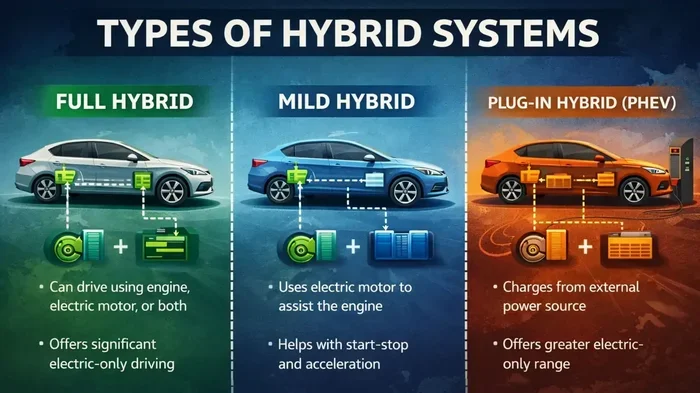
Whether you drive a full hybrid, a mild hybrid, or a plug-in hybrid, the battery plays a critical role in how your vehicle performs. This article breaks down exactly what happens when your hybrid battery fails, whether you can keep driving, and what steps to take next. We will also cover warning signs, replacement costs, and maintenance tips to keep your hybrid drivetrain running smoothly.
What Happens When a Hybrid Battery Fails
When a hybrid battery starts to fail, your car does not always stop working right away. The hybrid system is designed with some redundancy built in. However, that does not mean you should ignore the problem. Here is what typically happens when the battery begins to degrade or completely fails.
The Gasoline Engine Takes on Extra Work
In a functioning hybrid, the electric motor assists the gasoline engine during acceleration and low-speed driving. When the battery is no longer holding a charge or has failed entirely, the gasoline engine must handle all the work alone. This puts extra strain on the engine components, including the power inverter and transmission. Over time, this added stress can lead to premature wear and more expensive repairs down the road.
Regenerative Braking Stops Working
One of the biggest benefits of hybrid vehicle technology is regenerative braking. This system captures energy during braking and sends it back to the battery for later use. Without a working battery, this system becomes useless. You lose the efficiency boost that makes hybrids so fuel-friendly. Your fuel economy will likely drop, and you may notice the car feels less responsive during coasting and braking scenarios.
Your Vehicle May Go into Limp Mode
Many modern hybrids have a built-in safety feature called limp mode. When the hybrid system detects a serious fault, it limits the vehicle’s speed and power to protect the engine. You might find yourself stuck driving at 40 or 50 miles per hour on the highway. While this allows you to reach a repair shop, it is far from ideal and can be dangerous in certain driving conditions.
Can You Drive a Hybrid on Gasoline Alone?
This is the question most hybrid owners want answered. The good news is that most hybrid vehicles can still operate using just the gasoline engine. But how well they perform depends on several factors, including the type of hybrid system and the nature of the battery failure.
Full Hybrids and Battery-Free Driving
Full hybrids, like the Toyota Prius, have a larger electric motor and battery pack. These vehicles can technically run on gasoline alone if the battery completely dies. The car will start, shift gears, and move forward. However, you will notice a significant drop in acceleration and power. The gasoline engine has to work harder without the electric motor’s assistance, which means your fuel economy will suffer. You might also experience rough idling and hesitation during acceleration.
Mild Hybrids: A Different Story
Mild hybrids are a different beast entirely. In a mild hybrid system, the electric motor is small and mainly assists the gasoline engine during startup and light acceleration. If the battery in a mild hybrid fails, the vehicle may not start at all or may run very poorly. The electric motor in a mild hybrid handles tasks like stop-start functionality, and without it, the driving experience becomes noticeably degraded.
Plug-In Hybrids: The Battery Is Essential
Plug-in hybrids, or PHEVs, have larger batteries that can power the vehicle for dozens of miles on electricity alone. When the battery dies in a plug-in hybrid, the car reverts to gasoline-only mode. This is similar to a full hybrid, but because the plug-in hybrid is heavier due to the larger battery, the fuel economy drop is more pronounced. You essentially lose the main reason you bought a plug-in hybrid in the first place.
Warning Signs Your Hybrid Battery Is Going Bad
The best way to handle a failing hybrid battery is to catch the problem early. Most hybrid vehicles give you plenty of warning before a complete battery failure. Knowing these signs can save you from a roadside breakdown and prevent secondary damage to your hybrid drivetrain.
Dashboard Warning Lights
The first and most obvious sign is a warning light on the dashboard. Most hybrids have a dedicated hybrid system warning light or a battery icon that illuminates when there is a problem. Do not ignore this light. Even if the car seems to drive fine, the warning indicates an underlying issue that will only get worse over time.
Decreased Fuel Economy
One of the main reasons people buy hybrids is for better fuel economy. If you notice your gas mileage dropping significantly without any change in your driving habits, the battery might be to blame. A degraded battery cannot hold a proper charge, which means the electric motor contributes less to propulsion. The gasoline engine compensates, and your trips to the gas pump become more frequent.
Unusual Noises from the Powertrain
Listen to your car. A healthy hybrid is remarkably quiet during electric-only driving. If you start hearing grinding, whining, or clicking noises from the powertrain area, something is wrong. These sounds can indicate a failing power inverter, a damaged electric motor, or a battery pack that is deteriorating internally.
Battery State of Charge Fluctuates
If you can monitor your battery’s state of charge through the dashboard display or a diagnostic tool, watch for unusual fluctuations. A healthy hybrid battery maintains a relatively stable charge range. If you see the charge bouncing between very high and very low, or if it stays abnormally low even after driving, the battery cells are likely degrading unevenly.
Reduced Electric-Only Range
For plug-in hybrids and full hybrids that support electric-only driving, a shrinking electric range is a clear red flag. If your car used to go three miles on electric power and now it barely makes it half a mile, the battery capacity has diminished. This is an early indicator that full battery failure could be on the horizon.
Hybrid Battery Replacement: What to Expect
When a hybrid battery does fail, replacement is usually the only real option. But before you panic about the cost, let us walk through what the replacement process actually looks like and what you should expect.
How Much Does a Hybrid Battery Cost?
The cost of a hybrid battery replacement varies widely depending on your vehicle make and model. For most popular hybrids, you can expect to pay between $1,000 and $6,000 for the battery pack alone. Labor costs for installation typically add another $500 to $1,500. Some luxury or newer hybrid models with advanced battery technology can cost even more.
Here is a rough cost breakdown for common hybrid vehicles:
- Toyota Prius: $2,000 to $4,000 for parts and labor
- Toyota Camry Hybrid: $2,500 to $4,500 for parts and labor
- Honda Insight: $1,500 to $3,500 for parts and labor
- Ford Escape Hybrid: $3,000 to $5,500 for parts and labor
- Chevrolet Volt (Plug-in Hybrid): $3,500 to $6,000 for parts and labor
These are rough estimates and can vary based on your location, the shop you choose, and whether you opt for a new or refurbished battery pack.
New vs. Refurbished vs. Rebuilt Batteries
When replacing a hybrid battery, you have options beyond a brand-new OEM pack. Refurbished batteries are used packs that have been tested, repaired, and reconditioned. They typically cost 30 to 50 percent less than new batteries. Rebuilt batteries involve replacing only the failed cells within the pack rather than the entire unit. Both options can be reliable and are worth considering if you want to save money on battery replacement cost.
Does Warranty Cover Battery Replacement?
Good news for many hybrid owners. Most manufacturers cover the high-voltage battery under warranty for either eight years or 100,000 miles, whichever comes first. Some states, particularly California, extend this coverage to 10 years or 150,000 miles. If your hybrid battery fails within the warranty period, the replacement should be free or heavily discounted. Always check your specific warranty terms before assuming you will pay out of pocket.
Can You Replace Just One Battery Module?
In some cases, yes. Hybrid battery packs are made up of individual modules or cells. If only one or two modules have failed, a technician may be able to replace just those modules rather than the entire pack. This approach can save you hundreds or even thousands of dollars. However, this option is not available for all hybrid models, so it is worth asking your repair shop about this possibility.
Expert Tips for Maintaining Your Hybrid Battery
Prevention is always better than cure. Taking care of your hybrid battery can extend its life and help you avoid the headache and expense of a premature failure. Here are some expert-backed tips to keep your hybrid system in top shape.
Drive Regularly
Hybrid batteries do not like sitting idle for long periods. If you leave your car parked for weeks or months, the battery can lose its charge and begin to degrade. Try to drive your hybrid at least a few times per week to keep the battery active and properly charged. Even a short 15-minute drive around the block helps maintain battery health.
Avoid Extreme Temperatures When Possible
Extreme heat and cold both take a toll on hybrid batteries. Parking in a garage or shaded area during hot summer months helps protect the battery pack from overheating. In freezing climates, consider using a garage or a battery blanket to keep the temperature within the optimal range. Temperature extremes accelerate battery cell degradation and can significantly shorten your battery life.
Monitor Your Hybrid System Regularly
Do not skip your scheduled maintenance appointments. During routine service, ask the technician to run a hybrid system diagnostic. These diagnostics check the battery state of health, the power inverter condition, and the overall performance of the electric motor. Catching small issues early can prevent them from turning into major battery failures.
Drive Smoothly
Aggressive driving habits, such as rapid acceleration and hard braking, put extra stress on the hybrid battery and electric motor. Smooth, steady driving not only improves fuel economy but also reduces wear on the battery cells. Over thousands of miles, gentle driving adds up to a significantly longer battery lifespan.
Keep the Cooling System in Good Shape
Many hybrid vehicles have a dedicated cooling system for the battery pack. This system prevents the battery from overheating during heavy use. Make sure the coolant levels are checked and the cooling system is serviced according to your vehicle’s maintenance schedule. A failing cooling system can lead to overheating and permanent battery damage.
Common Mistakes Hybrid Owners Make
Even well-meaning hybrid owners can make mistakes that shorten their battery life or lead to unnecessary expenses. Here are some common pitfalls to avoid.
Ignoring Warning Lights
This is the number one mistake. When a hybrid warning light appears on the dashboard, some owners simply clear the code and keep driving. This approach can turn a minor repair into a major battery replacement. Always get warning lights diagnosed promptly by a qualified technician who specializes in hybrid car maintenance.
Delaying Battery Maintenance
Hybrid batteries need attention just like any other car component. Skipping maintenance checks means you miss early warning signs of battery degradation. Regular maintenance catches problems when they are small and far less expensive to fix.
Using the Wrong Charger for Plug-In Hybrids
If you drive a plug-in hybrid, using an incompatible or low-quality charger can damage the battery over time. Always use the charger recommended by the manufacturer or a certified third-party option that matches your vehicle’s charging specifications.
Assuming a Dead Battery Means a New Car
A failed hybrid battery does not mean you need to buy a new car. In most cases, the gasoline engine and drivetrain remain fully functional. Replacing or refurbishing the battery restores your vehicle to normal operation. The battery replacement cost is a fraction of what a new car costs.
Key Takeaways
- Limited Driving Possible: Most hybrids can run on gasoline alone for short distances if the battery fails, but performance drops significantly.
- Risk of Drivetrain Damage: Driving without a hybrid battery can strain the gasoline engine and other components, leading to costly repairs.
- Warning Signs Matter: Recognizing early symptoms of battery failure can save you from getting stranded and prevent further damage.
- Replacement Cost Varies: Hybrid battery replacement costs range from $1,000 to $6,000 depending on the vehicle type and model.
- Maintenance Extends Life: Regular maintenance and smart driving habits can significantly prolong your hybrid battery life.
- Warranty Coverage Helps: Many hybrid batteries come with generous warranty coverage that can offset replacement expenses.
- Professional Diagnosis Is Key: Always get a proper hybrid system diagnostic before assuming the battery is the problem.
Conclusion
So, can you still drive a hybrid vehicle without the battery? The answer is yes, but it is not a situation you want to find yourself in for long. A failed hybrid battery forces the gasoline engine to do all the work, which hurts your fuel economy, reduces performance, and risks long-term damage to other components. The smart move is to address battery problems as soon as you notice warning signs.
Regular maintenance, smooth driving habits, and prompt attention to dashboard warnings go a long way toward keeping your hybrid battery healthy and your vehicle running strong. When replacement does become necessary, you have options ranging from new OEM packs to refurbished alternatives that can save you significant money.
Your hybrid car is a sophisticated piece of engineering that offers incredible efficiency and performance when both the gasoline engine and electric motor are working together. Treat the battery with the care it deserves, and your hybrid drivetrain will reward you with years of reliable, fuel-efficient driving. Do not wait until the warning light comes on to start paying attention to your battery health. Stay proactive, stay informed, and keep your hybrid on the road where it belongs.
Frequently Asked Questions
How long can I drive a hybrid with a dead battery?
Most hybrids can run on gasoline alone for short distances with a dead battery, but you should not push it. Driving for extended periods without a working battery can cause damage to the engine and transmission. Get to a repair shop as soon as possible for proper diagnosis and repair.
Is it safe to drive a hybrid when the battery warning light is on?
It is generally safe for short distances, but you should treat it as a serious warning. The vehicle may enter limp mode, limiting your speed and power. Continued driving with an active battery warning can lead to further damage to the hybrid system and other components.
Can a hybrid battery be repaired instead of replaced?
Yes, in many cases. Individual battery cells or modules can be replaced rather than the entire pack. A qualified technician can diagnose which cells have failed and perform targeted repairs. This approach is often significantly cheaper than a full battery replacement.
How do I know if my hybrid battery is failing or if it is a different problem?
Only a professional hybrid system diagnostic can give you a definitive answer. Symptoms like reduced fuel economy, warning lights, and unusual noises can point to multiple issues. A trained technician can use specialized diagnostic tools to pinpoint whether the battery or another component is the culprit.
Does removing the hybrid battery void my car’s warranty?
It can, depending on your warranty terms and who performs the work. Many manufacturers require that battery work be done by authorized dealers or certified technicians. Check your warranty documentation carefully before making any changes to the hybrid system.
Can I install a hybrid battery myself?
This is not recommended. Hybrid batteries operate at high voltages that can be extremely dangerous without proper training and equipment. Even experienced mechanics need specialized tools and safety protocols to work on high-voltage battery systems. Always have a qualified professional handle hybrid battery installation and repair.
Frequently Asked Questions
What is Can You Still Drive a Hybrid Without the Battery??
Can You Still Drive a Hybrid Without the Battery? is an important topic with many practical applications.