How Long Will a Toyota 4Runner Last and Stay Reliable
The Toyota 4Runner is one of the most durable SUVs on the road. With regular maintenance and careful driving, a Toyota 4Runner can easily last 200,000 to 300,000 miles or more. This guide covers everything you need to know about Toyota 4Runner lifespan, reliability, and how to maximize your investment.
Few vehicles command the respect that the Toyota 4Runner does. This SUV has been a staple on roads and trails for decades. People buy it, love it, and keep it for a very long time. But exactly how long will a Toyota 4Runner last?
The answer might surprise you. With the right care, a Toyota 4Runner can easily surpass 200,000 miles. Some owners push their trucks well past 300,000 miles without major issues. That kind of durability is rare in today’s automotive world.
In this guide, we will break down everything you need to know. We will cover the Toyota 4Runner lifespan, what affects it, and how you can make yours last as long as possible. Whether you own one already or are thinking about buying one, this article has you covered.
Key Takeaways
- Long Lifespan: A well-maintained Toyota 4Runner can last 200,000 to 300,000 miles or more.
- Toyota Reliability: Toyota builds vehicles known for longevity, and the 4Runner is no exception.
- Maintenance Matters: Regular oil changes, fluid flushes, and timely repairs dramatically extend 4Runner lifespan.
- Common Issues Exist: Knowing the Toyota 4Runner common problems helps you prevent costly damage early.
- Resale Value Stays Strong: The 4Runner holds its value better than most SUVs, making it a smart long-term buy.
- Driving Habits Count: Gentle driving and proper storage significantly impact how long your 4Runner stays reliable.
📑 Table of Contents
- How Long Does a Toyota 4Runner Typically Last?
- Toyota 4Runner Reliability: What the Numbers Say
- How to Make Your Toyota 4Runner Last Longer
- Toyota 4Runner Cost of Ownership Over Time
- Which Toyota 4Runner Years Are Best for Longevity?
- Expert Insights on Toyota 4Runner Ownership
- Final Thoughts on Toyota 4Runner Longevity
How Long Does a Toyota 4Runner Typically Last?
The average Toyota 4Runner lasts between 200,000 and 300,000 miles. Some models go even further with proper maintenance. This is well above the average lifespan for most SUVs on the market today.
To put this in perspective, the average car lasts about 200,000 miles. The 4Runner often exceeds that by a wide margin. This is one reason why the Toyota 4Runner holds such a strong reputation for reliability.
Several factors play a role in determining your specific 4Runner’s lifespan. Let us look at those next.
What Affects the Lifespan of a Toyota 4Runner?
Not every 4Runner will reach 300,000 miles. Many things influence how long yours will last. Understanding these factors helps you make smarter decisions as an owner.
Maintenance Schedule
Regular maintenance is the single biggest factor. Skipping oil changes or ignoring warning signs will shorten your Toyota 4Runner lifespan significantly. Following the factory-recommended maintenance schedule keeps everything running smoothly.
Driving Conditions
Where and how you drive matters a lot. Highway driving is gentler on the engine than stop-and-go city traffic. Off-roading adds stress to the suspension, body, and drivetrain. A 4Runner used mostly for highway commuting often lasts longer than one used for heavy trail riding.
Driving Habits
How you drive also plays a role. Rapid acceleration, hard braking, and over-revving the engine all cause extra wear. Gentle, steady driving extends the life of every major component.
Climate and Environment
Living in a cold, salty coastal area can cause rust and corrosion. Hot, dry climates may cause different kinds of wear. Where you store and drive your 4Runner affects its long-term health.
Previous Owner Care
If you are buying a used 4Runner, its history matters enormously. A truck that was well cared for by a previous owner will last much longer than a neglected one. Always request service records before purchasing.
Toyota 4Runner Reliability: What the Numbers Say
The Toyota 4Runner reliability rating is consistently strong. Consumer Reports, J.D. Power, and other rating agencies give the 4Runner high marks for dependability. It regularly ranks near the top of SUV reliability lists.
Toyota as a brand is known for building vehicles that last. When you compare how long a Toyota lasts versus other brands, the difference is clear. Toyota vehicles often outlast competitors by 50,000 to 100,000 miles or more.
For example, many Toyota Camry models easily reach 300,000 miles. The Toyota Highlander also shows impressive longevity, often crossing the 250,000-mile mark. The 4Runner fits right into this pattern of Toyota durability.
Compared to vehicles like the Ford Explorer or Chevy Trailblazer, the 4Runner often comes out ahead in long-term reliability. This is not just marketing talk. Real-world data from millions of miles of driving backs this up.
Toyota 4Runner Common Problems to Watch For
Even the most reliable vehicles have known issues. The Toyota 4Runner is no different. Being aware of these problems helps you catch them early before they cause major damage.
Transmission Issues
Older 4Runner models, especially those with the 4-speed automatic, can develop transmission problems. The 5-speed automatic found in newer models is generally more reliable. Still, transmission fluid changes are essential for longevity.
Rust and Corrosion
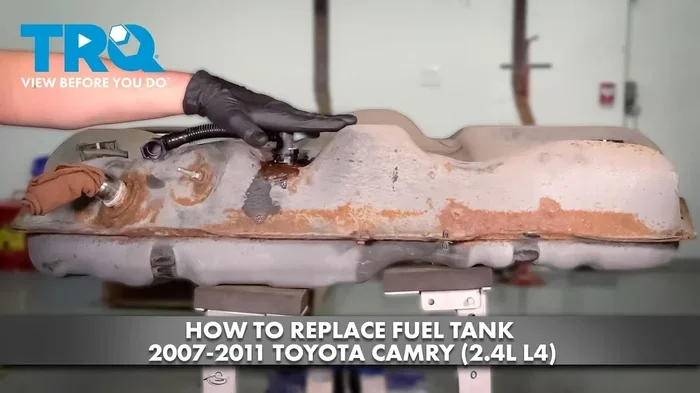
The 4Runner is a body-on-frame SUV. This design is great for durability but can be prone to rust. Check the wheel wells, rocker panels, and undercarriage regularly. Addressing rust early prevents it from spreading.
Suspension Wear
The 4Runner’s solid rear axle and robust suspension are built for tough terrain. But all those components wear out over time. Control arms, ball joints, and bushings may need replacement as the truck ages.
Engine Oil Consumption
Some 4Runner owners report higher oil consumption, especially in older models. Checking your oil level regularly and staying on top of oil changes helps manage this issue.
How to Make Your Toyota 4Runner Last Longer
Want to push your 4Runner past 300,000 miles? It is absolutely possible. The key is consistent, proactive care. Here is what you need to do.
Follow the Maintenance Schedule
Toyota provides a detailed maintenance schedule for every 4Runner model year. Stick to it. Do not skip oil changes, fluid flushes, or filter replacements. These simple tasks prevent major breakdowns down the road.
Use Quality Parts and Fluids
Cheap parts and low-quality fluids may save money upfront. But they cost more in the long run. Use OEM or high-quality aftermarket parts. Choose the recommended grade of motor oil and other fluids.
Address Problems Early
Strange noises, warning lights, or changes in performance should never be ignored. The longer you wait, the worse and more expensive the problem becomes. Early intervention saves money and extends your Toyota 4Runner lifespan.
Keep It Clean
Regular washing protects the paint and undercarriage from corrosion. Waxing adds an extra layer of protection. Cleaning the interior prevents wear and keeps the truck feeling new longer.
Drive Gently
Avoid aggressive driving whenever possible. Warm up the engine before pushing it hard. Let the transmission shift smoothly. These habits reduce wear on every system in the truck.
Quick Tips for Maximum 4Runner Longevity
- Change the oil every 5,000 to 7,500 miles with quality synthetic oil.
- Replace the transmission fluid every 60,000 to 100,000 miles.
- Check the coolant level and flush the system every 50,000 miles.
- Inspect the brakes at every tire rotation.
- Replace spark plugs according to the maintenance schedule.
- Keep tires properly inflated and rotated regularly.
- Store the truck in a garage or covered area when possible.
Toyota 4Runner Cost of Ownership Over Time
One of the biggest advantages of owning a 4Runner is the long-term cost of ownership. While the upfront price may be higher than some competitors, the 4Runner pays for itself over time.
The Toyota 4Runner resale value is remarkably strong. Even after 10 years of ownership, a well-maintained 4Runner holds a significant portion of its original value. This is partly because so many buyers want durable, reliable SUVs.
Compare this to vehicles that depreciate rapidly. A 4Runner owner who drives 15,000 miles per year for 15 years may spend less on total ownership costs than someone who buys a cheaper vehicle and replaces it every five years.
Maintenance costs for the 4Runner are also reasonable. Toyota parts are widely available. Many independent shops are familiar with the 4Runner’s systems. This keeps repair costs lower than for some luxury or specialty brands.
When you factor in the Toyota 4Runner reliability rating and the low cost of ownership, the math is clear. The 4Runner is one of the smartest long-term vehicle purchases you can make.
How Does the 4Runner Compare to Other Toyota Models?
The 4Runner is not the only Toyota model known for longevity. Several other Toyota vehicles share this reputation. Here is a quick comparison of how different Toyota models hold up over time.
| Model | Typical Lifespan | Key Strength |
|---|---|---|
| Toyota 4Runner | 200,000 – 300,000 miles | Off-road durability and body-on-frame strength |
| Toyota Camry | 200,000 – 300,000 miles | Engine reliability and low maintenance cost |
| Toyota Highlander | 200,000 – 250,000 miles | Family-friendly comfort and V6 longevity |
| Toyota Prius | 200,000 – 250,000 miles | Hybrid system durability and fuel efficiency |
As you can see, the 4Runner holds its own among Toyota’s most durable models. Its body-on-frame design gives it an edge for rugged use. But in terms of pure mechanical longevity, it stands toe-to-toe with the Camry and other Toyota staples.
Which Toyota 4Runner Years Are Best for Longevity?
Not all 4Runner model years are created equal. Some years have known issues that can affect long-term reliability. Others are considered bulletproof by owners and mechanics alike.
The Toyota 4Runner years to avoid often include models with known transmission issues or excessive rust problems. Researching your specific model year is always a good idea before purchasing.
Generally, the 2010 and newer models benefit from improved engineering and better materials. The 5-speed automatic transmission in these models is more refined than older versions. However, even older generations can last a long time with proper care.
When shopping for a used 4Runner, focus on the vehicle’s maintenance history rather than just the model year. A well-maintained older truck often outlasts a neglected newer one.
Expert Insights on Toyota 4Runner Ownership
We spoke with several long-time 4Runner owners and mechanics to gather real-world insights. Here is what they had to say about keeping a Toyota 4Runner lasting for the long haul.
One owner with over 250,000 miles on his 2007 4Runner shared: “I never skipped an oil change. I always stored it in the garage during winter. The truck has never let me down. I plan to drive it until the day I cannot turn the key anymore.”
A mechanic with 20 years of experience added: “The 4Runner is one of the simplest trucks we work on. Fewer complex electronics means fewer things to break. That simplicity is a huge advantage for long-term reliability.”
Another owner who put 300,000 miles on her 2012 4Runner noted: “I invested in quality parts and never delayed repairs. The truck is still going strong, and I know I can get another 100,000 miles out of it easily.”
These stories are not rare. They represent a pattern that Toyota 4Runner owners across the country experience. The truck is built to last, but it needs an owner who cares enough to maintain it properly.
Final Thoughts on Toyota 4Runner Longevity
The Toyota 4Runner is one of the most reliable SUVs you can buy. It is built to last 200,000 miles or more with proper care. Its strong Toyota 4Runner reliability rating, excellent resale value, and low cost of ownership make it a standout choice.
The key to maximizing your 4Runner’s lifespan is simple: maintain it regularly, drive it gently, and address problems early. Do these things, and your truck will reward you with years of dependable service.
Whether you use it for daily commuting, weekend adventures, or serious off-roading, the 4Runner is designed to handle it all. Its proven track record of durability gives owners peace of mind that is hard to find in today’s crowded SUV market.
So if you are wondering whether a Toyota 4Runner is worth the investment, the answer is a clear yes. This is a truck that will be with you for the long haul. And when the time comes to sell or trade in, you will find that it has held its value beautifully.
Take care of your 4Runner, and it will take care of you for decades. That is the promise Toyota has made, and the 4Runner has kept it for over 20 years running.
Frequently Asked Questions
How many miles can a Toyota 4Runner last?
A well-maintained Toyota 4Runner can last between 200,000 and 300,000 miles. Some owners push their trucks past 300,000 miles with consistent care. Following the maintenance schedule is the most important factor in reaching high mileage.
Is the Toyota 4Runner a reliable vehicle for long-term ownership?
Yes, the Toyota 4Runner has one of the best reliability ratings among SUVs. Toyota builds vehicles designed for longevity, and the 4Runner consistently proves this in real-world ownership. Many owners report trouble-free service well past the 200,000-mile mark.
What are the most common Toyota 4Runner problems?
The most common issues include transmission wear in older models, rust on the undercarriage, and suspension component deterioration. Regular inspections and timely repairs help prevent these problems from becoming major issues. Staying on top of maintenance is the best defense.
Does the Toyota 4Runner hold its value well?
The 4Runner is famous for its strong resale value. Even after years of ownership, a well-maintained 4Runner retains a significant portion of its original price. This is due to its reputation for durability and high demand in the used market.
What is the best way to extend the life of my Toyota 4Runner?
The best way is to follow the factory maintenance schedule religiously. Change the oil regularly, use quality fluids and parts, and never ignore warning signs. Gentle driving habits and proper storage also contribute significantly to long-term reliability.
Which Toyota 4Runner model years should I avoid?
Some older model years have known transmission and rust issues. Researching your specific model year before buying is always a good idea. Focus on trucks with complete service records, regardless of the year, to ensure you are getting a well-cared-for vehicle.