How Bad Is Toyota 4Runner Gas Mileage Compared to Rivals
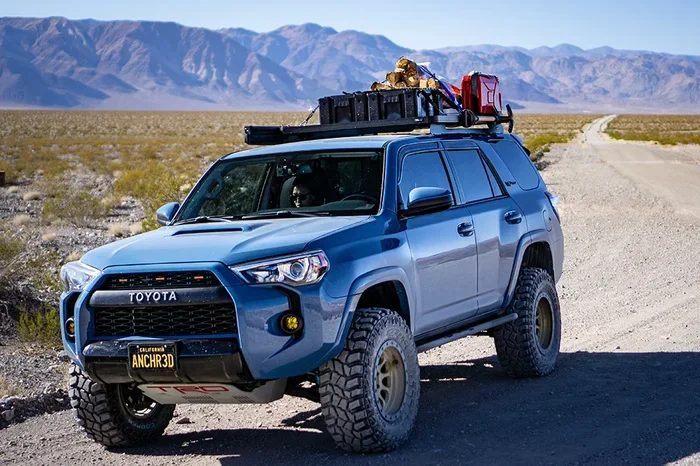
The Toyota 4Runner delivers around 16-20 MPG, which is below average for today’s SUV market. While its rugged build and powerful V6 engine sacrifice fuel efficiency, the 4Runner still holds its own against many off-road rivals. Let us break down the real numbers and see how it stacks up.
The Toyota 4Runner has been a favorite among truck and SUV lovers for decades. It is tough, reliable, and built to handle just about anything you throw at it. But there is one question that comes up every single time someone talks about this truck. How bad is Toyota 4Runner gas mileage, really?
If you are thinking about buying a 4Runner or already own one, you have probably noticed the numbers at the pump. The fuel economy is not great by modern standards. But is it as bad as people say? That is exactly what we are going to look at today. We will compare the 4Runner to its biggest rivals, break down the real-world numbers, and share tips to help you get every last mile out of each gallon.
Toyota 4Runner gas mileage is a hot topic in the SUV world. Some people love the truck for its off-road chops and ignore the fuel numbers. Others refuse to buy it because of the MPG. The truth lies somewhere in between, and this article will help you find it.
Key Takeaways
- Low MPG: The 4Runner averages 16-20 MPG, which is below the SUV average.
- Big Gas Tank: A full tank can go a long way, especially on the highway.
- Rivals Get Better Mileage: Competitors like the Ford Bronco and Jeep Wrangler often match or beat the 4Runner on fuel economy.
- City Driving Hurts: Stop-and-go traffic drags the MPG down significantly.
- Simple Fixes Help: Small driving habits can improve your 4Runner gas mileage by a noticeable margin.
- Worth the Trade-Off: Many buyers accept lower MPG for the 4Runner’s legendary durability and off-road capability.
📑 Table of Contents
What Is the Toyota 4Runner Gas Mileage?
Let us start with the basics. The Toyota 4Runner gets an EPA-rated 16 MPG in the city and 19-20 MPG on the highway. These numbers come from the current generation 4Runner with the 4.0-liter V6 engine. That puts it well below the average SUV, which typically sits around 22-25 MPG combined.
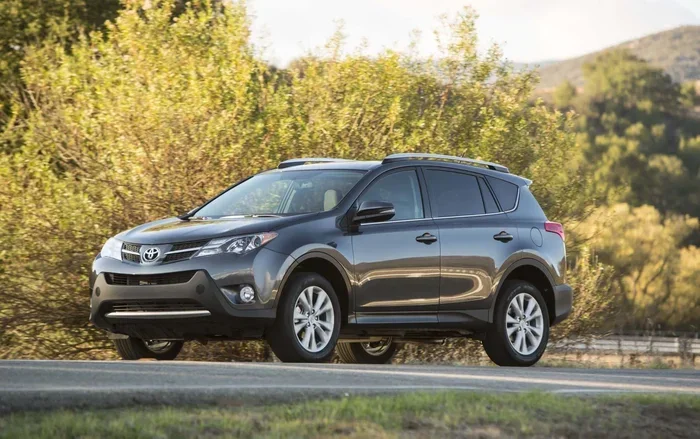
For comparison, a Toyota RAV4 gets around 27-30 MPG combined. The difference is huge. But the 4Runner is not a compact crossover. It is a mid-size body-on-frame SUV with a V6 engine and serious off-road credentials. That means fuel economy was never going to be its strong suit.
The 4Runner gas tank holds about 18.6 gallons. With a full tank and 19 MPG on the highway, you can expect to cover roughly 350 miles before you need to stop for fuel. That is actually not terrible for a truck of this size. If you want to know exactly how much fuel a full tank holds across different vehicles, check out our guide on how many gallons is a full tank of gas.
Real-world drivers often report numbers slightly lower than EPA estimates. Many 4Runner owners say they get around 14-17 MPG in mixed driving. If you spend a lot of time off-road towing or hauling gear, the numbers can drop even further. But for a vehicle this capable, most owners say it is a fair trade-off.
Why Does the 4Runner Get Lower MPG?
There are several reasons the 4Runner falls behind on fuel economy. First, it uses a body-on-frame construction. This makes it heavier than unibody SUVs. More weight means more fuel burned. Second, the 4.0-liter V6 engine is old but proven. It produces around 270 horsepower but was not designed with fuel savings in mind. Finally, the 4Runner has solid rear axles and part-time 4WD systems that add mechanical drag and weight.
How Does the 4Runner Compare to Rival SUVs?
This is where things get interesting. The 4Runner does not exist in a vacuum. There are plenty of rivals that offer similar capability but sometimes better fuel economy. Let us put the 4Runner head-to-head with some of the most popular competitors.
| Vehicle | City MPG | Highway MPG | Combined MPG |
|---|---|---|---|
| Toyota 4Runner | 16 | 19-20 | 17 |
| Jeep Wrangler Unlimited | 17 | 22 | 19 |
| Ford Bronco (4-door) | 16 | 22 | 18 |
| Chevy Tahoe | 16 | 20 | 17 |
| Ford Explorer | 19 | 27 | 22 |
| Toyota Land Cruiser | 16 | 20 | 17 |
As you can see, the 4Runner is not the worst in its class. The Jeep Wrangler and Ford Bronco offer slightly better numbers. But the difference is not massive. The 4Runner holds its own against trucks like the Chevy Tahoe, which shares its platform with many GM SUVs. If you want to know more about how long vehicles like the 4Runner can last in terms of mileage and reliability, read our article on how many miles can a car last.
One thing worth noting is that Toyota recently introduced a hybrid version of the 4Runner. The 2024 and newer models come with a hybrid powertrain that improves fuel economy. We will talk more about that later. For now, know that the traditional V6 4Runner sits in the middle of the pack when it comes to gas mileage.
If you are curious about how Toyota hybrid systems switch between battery and gas power, we have a detailed breakdown on at what speed do Toyota hybrid cars switch from battery to gas. This is especially relevant as Toyota moves toward hybrid versions of its most popular models.
City vs Highway: Where Does the 4Runner Struggle Most?
The 4Runner is not great in the city. That should not surprise anyone. Stop-and-go traffic is the enemy of fuel economy, especially for a heavy V6 truck. In city driving, the 4Runner barely scrapes 16 MPG. You will find yourself visiting the gas station more often than you would like.
Highway driving is where the 4Runner shines a bit more. At steady speeds of 60-70 mph, the engine operates in its sweet spot. You can expect to see 19-20 MPG on long road trips. If you do a lot of highway miles, the 4Runner is more tolerable than if you live in a city with heavy traffic.
One thing that surprises many 4Runner owners is how far they can go on a single tank. Even with city mileage, the large gas tank gives you a decent range. But when the fuel light comes on, how much gas is actually left? Most vehicles have about 2-3 gallons remaining when the low fuel warning activates. Want to know more about this? We explain it in detail when you check out how many gallons are left when the light comes on.
The Impact of Driving Style on 4Runner MPG
Your driving habits matter more than you think. Aggressive acceleration, speeding, and hard braking can all reduce your MPG by 15-30%. If you drive the 4Runner gently and anticipate traffic flow, you will see better numbers. Simple changes like maintaining a steady speed and avoiding excessive idling can make a real difference.
Another factor is tire pressure. Underinflated tires create more rolling resistance, which forces the engine to work harder. Keeping your tires at the proper pressure is one of the easiest ways to improve fuel economy. It is a small change that adds up over time.
Factors That Affect 4Runner Gas Mileage
Several things influence how many miles per gallon your 4Runner delivers. Understanding these factors can help you manage your expectations and improve your numbers.
Vehicle Weight: The 4Runner weighs around 4,700 pounds. That is heavy. Every extra pound means more fuel is needed to move the vehicle. Roof racks, cargo carriers, and heavy equipment all add weight and reduce MPG.
Engine Size: The 4.0-liter V6 is a proven powerhouse, but it is not efficient. Newer turbocharged four-cylinder engines in competing SUVs deliver similar power with better fuel economy. The 4Runner has not updated its engine in over a decade, which is a big reason for its lower MPG.
Drivetrain: Part-time 4WD adds mechanical components that create drag. Running 4WD on pavement reduces efficiency. If you do not need 4WD, switching to 2WD can help improve your gas mileage.
Aerodynamics: The 4Runner has a boxy shape that creates a lot of wind resistance. At highway speeds, aerodynamics play a big role in fuel economy. Adding aftermarket accessories like roof rails or cargo carriers makes this worse.
Maintenance: A well-maintained 4Runner will always get better fuel economy than a neglected one. Regular oil changes, clean air filters, and properly functioning spark plugs all contribute to better MPG. If your maintenance light comes on, do not ignore it. Learn how to reset it by reading our guide on how can I reset my maintenance required light.
Tips to Improve Your 4Runner’s Fuel Economy
Even though the 4Runner is not a fuel-efficient vehicle, there are things you can do to squeeze out a few extra miles per gallon. These tips are simple and do not require any modifications.
- Drive at steady speeds. Use cruise control on the highway to maintain a consistent pace. Avoid rapid acceleration and hard braking.
- Keep tires properly inflated. Check your tire pressure at least once a month. Properly inflated tires reduce rolling resistance and improve MPG.
- Remove unnecessary weight. Clean out your truck bed and remove any heavy items you do not need. Less weight means less fuel burned.
- Use 2WD when possible. If you are driving on paved roads, switch to 2WD to reduce drivetrain drag.
- Keep up with maintenance. Regular oil changes, air filter replacements, and spark plug checks keep the engine running efficiently.
- Plan your trips. Combine errands into one trip to reduce cold starts. A warmed-up engine runs more efficiently than a cold one.
- Use the right grade of fuel. The 4Runner recommends regular unleaded gasoline. Using premium fuel will not improve performance or MPG.
These tips will not turn your 4Runner into a hybrid, but they can help you gain 1-2 MPG. Over thousands of miles, that adds up to real savings at the pump.
Is the 4Runner Worth the Gas Cost?
This is the million-dollar question. Is the Toyota 4Runner worth owning despite its poor gas mileage? The answer depends on what you value in a vehicle.
If you need a daily commuter and care deeply about fuel costs, the 4Runner is probably not the best choice. A Toyota RAV4 or Honda CR-V will save you hundreds of dollars per year in gas. But if you need a rugged, reliable off-road SUV that can go anywhere and last for hundreds of thousands of miles, the 4Runner is hard to beat.
The 4Runner holds its value incredibly well. Used 4Runners depreciate much slower than most competitors. This means you lose less money when it is time to sell. The strong resale value can offset the higher fuel costs over the life of the vehicle.
Many 4Runner owners say they do not regret their purchase, even with the gas mileage. The truck is fun to drive, capable off-road, and incredibly durable. It is a vehicle that you can own for 15-20 years with proper maintenance. Few vehicles offer that kind of longevity.
If you are also wondering about the price of a brand new vehicle and how it compares to the long-term fuel costs, our article on how much is a brand new car provides helpful context on total ownership costs.
At the end of the day, Toyota 4Runner gas mileage is a known quantity. It is not secret. Anyone buying a 4Runner knows the fuel economy is not going to be great. But for the right buyer, the trade-off is worth it. You get a truck that is tougher, more capable, and more reliable than most competitors, even if it drinks a little more gas.
The new hybrid 4Runner is a game-changer for those who want better fuel economy without sacrificing capability. If you are in the market for a 4Runner and fuel efficiency matters to you, strongly consider the hybrid version. It delivers noticeably better MPG while still offering the legendary 4Runner experience.
Final Thoughts
So, how bad is Toyota 4Runner gas mileage? The answer is: it is below average, but not the worst in its class. The 4Runner gets around 16-20 MPG depending on driving conditions, which is lower than most modern SUVs. However, when you compare it to similar off-road-capable trucks like the Jeep Wrangler, Ford Bronco, and Chevy Tahoe, the gap is not enormous.
The 4Runner compensates for its thirst at the pump with incredible durability, strong resale value, and unmatched off-road ability. If you are willing to pay a little extra at the gas station, the 4Runner delivers a driving experience that few vehicles can match. And with the new hybrid model on the horizon, Toyota is finally addressing the fuel economy concern without compromising what makes the 4Runner special.
If you want to keep your 4Runner running its best, proper maintenance is key. From checking your power steering fluid to staying on top of oil changes, small efforts go a long way. The 4Runner rewards owners who take care of it, and in return, it will take care of you for years to come.
Whether you are a current owner or just starting your research, understanding the fuel economy picture helps you make a smarter buying decision. Toyota 4Runner gas mileage is not perfect, but for the right driver, it is more than acceptable.
Frequently Asked Questions
Why is the Toyota 4Runner’s gas mileage so low?
The 4Runner uses a body-on-frame design, a heavy V6 engine, and a part-time 4WD system. These features add weight and mechanical drag, which reduces fuel efficiency. The engine has also not been updated in over a decade, so it lacks modern fuel-saving technology.
How many miles can you drive on a full tank of gas in a 4Runner?
With an 18.6-gallon tank and an average of 17 MPG combined, you can expect to drive about 315 miles on a full tank. Highway driving will push that number closer to 350 miles, while city driving may reduce it to around 290 miles.
Does the 4Runner Hybrid get better gas mileage?
Yes. The new hybrid 4Runner offers noticeably improved fuel economy compared to the traditional V6 model. While exact numbers vary by trim, the hybrid version is expected to deliver mid-20s MPG in combined driving, which is a significant improvement.
How does the 4Runner’s gas mileage compare to the Jeep Wrangler?
The Jeep Wrangler Unlimited gets slightly better fuel economy, with 17 MPG city and 22 MPG highway. The difference is not huge, but the Wrangler edges ahead thanks to its lighter weight and more aerodynamic shape.
Can you improve a 4Runner’s gas mileage with driving habits?
Absolutely. Driving at steady speeds, avoiding aggressive acceleration, keeping tires properly inflated, and removing unnecessary weight can all improve your 4Runner’s MPG by 1-3 miles per gallon. Small changes add up over time.
Is the Toyota 4Runner worth buying if gas mileage is a concern?
It depends on your priorities. If you value off-road capability, durability, and long-term reliability, the 4Runner is worth the fuel cost. But if you need a daily commuter with excellent fuel economy, a smaller SUV like the RAV4 or Highlander might be a better fit.