How Do You Start a Car With a Key Ignition For Beginners
Starting a car with a key ignition is simple once you understand the basics. This guide walks you through every step, from inserting the key to turning the ignition switch and getting your engine running. You will also learn how to troubleshoot common starting problems and avoid mistakes that could damage your vehicle.
There is something satisfying about turning a key and hearing your car engine roar to life. For many drivers, especially those who grew up with traditional vehicles, the key ignition is second nature. But if you are new to driving or just purchased a car with a manual key system, the process can feel a little confusing at first.
This guide will show you exactly how to start a car with a key ignition in simple, easy-to-follow steps. We will also cover what each ignition position does, common problems you might face, and how to keep your ignition system working reliably for years to come. Whether you drive a sedan, truck, or SUV, this article has you covered.
Starting a car with a key ignition is a fundamental skill every driver should master. Even with modern push button start technology becoming more common, millions of vehicles on the road still use traditional keys. Understanding how your ignition switch works gives you confidence behind the wheel and helps you handle unexpected situations on the road.
Key Takeaways
- Know Your Ignition Positions: Understanding the OFF, ACC, ON, and START positions is essential for every driver.
- Always Step on the Brake: Pressing the brake pedal before turning the key is a safety requirement in most vehicles.
- Check the Steering Wheel Lock: A locked steering wheel is one of the most common reasons a car will not start with a key.
- Listen for the Starter Motor: The sound your car makes when you turn the key tells you a lot about its health.
- Regular Maintenance Matters: Keeping your ignition cylinder and key in good shape prevents starting issues.
- Safety First: Always ensure the car is in park or neutral before attempting to start the engine.
📑 Table of Contents
- Understanding the Key Ignition System
- Step-by-Step Guide to Starting Your Car
- What to Do If the Car Will Not Start
- Safety Tips for Using a Key Ignition
- Maintenance Tips to Keep Your Ignition System Healthy
- Key Ignition vs Push Button Start: What You Should Know
- Common Mistakes Beginners Make When Starting a Car
- Conclusion
Understanding the Key Ignition System
Before you turn that key, it helps to understand what is happening inside your car. The ignition system is a series of components that work together to start your engine. When you insert your car key and turn it, you are activating a sequence that powers up the electrical systems and engages the starter motor.
The ignition cylinder is the slot where you insert your key. It connects to the ignition switch, which controls the flow of electricity throughout the vehicle. Together, these parts form the heart of your car’s starting mechanism. Without a functioning ignition system, your car engine simply will not turn over.
The Four Ignition Positions
Most cars with a key ignition have four positions. Each position serves a specific purpose. Let us break them down so you know exactly what happens when you turn the key.
- Position 1 – OFF: This is the locked position. The key will not come out unless the steering wheel is locked. No electrical systems are active.
- Position 2 – ACC (Accessory): This powers accessories like the radio, power windows, and USB ports. The engine remains off.
- Position 3 – ON: This is the run position. All electrical systems are active, and the dashboard lights up. The engine is ready to start.
- Position 4 – START: This is the cranking position. The starter motor engages and turns the engine over. The key will spring back to the ON position once you release it.
Knowing these positions is the first step to mastering how to start a car with a key ignition. Always move the key through the positions in order. Do not force the key past START, as this can damage the ignition switch over time.
Step-by-Step Guide to Starting Your Car
Now that you understand the basics, let us walk through the actual process of starting your car. Follow these steps every time you get behind the wheel.
Step 1: Get Inside and Close the Door
Sit in the driver seat and close the door firmly. Make sure your seat belt is fastened. This is a basic safety habit that should become automatic. Many modern cars will not allow you to remove the key from the ignition cylinder unless the door is closed.
Step 2: Depress the Brake Pedal
This is a step many beginners forget. Press the brake pedal all the way down with your right foot. In most vehicles, the car will not start unless the brake is pressed. This is a safety feature designed to prevent the car from lurching forward unexpectedly when you turn the key.
Step 3: Insert the Key into the Ignition Cylinder
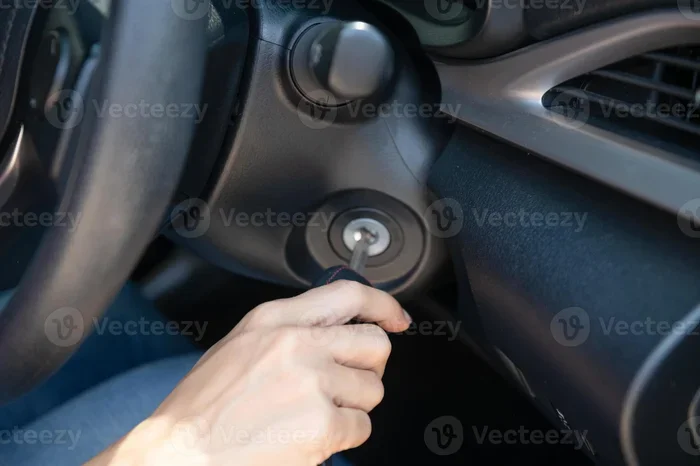
Take your car key and insert it fully into the ignition cylinder. The key should slide in smoothly. If it feels stiff or does not go in easily, do not force it. A stuck key could indicate a problem with the ignition switch or the steering wheel lock.
Step 4: Turn the Key to START
Turn the key gently from the OFF position to ACC, then to ON, and finally to START. You only need to hold the key at the START position for a second or two. The moment the engine turns over, release the key. It will spring back to the ON position on its own.
Step 5: Release the Brake and Check the Dashboard
Once the engine is running, slowly release the brake pedal. Glance at the dashboard lights to make sure there are no warning indicators. If everything looks normal, you are ready to drive. Always remember to put the car in gear before moving.
What to Do If the Car Will Not Start
We have all been there. You turn the key, and nothing happens. A car that will not start can be frustrating, but it is usually a simple problem to fix. Here are the most common reasons your key ignition might not be working.
Dead Battery
A dead battery is the number one reason cars fail to start. If you hear a clicking sound but the engine does not turn over, your battery likely has insufficient charge. You can test a car battery with a multimeter to check the voltage level. If the battery is dead, you may need to jump-start the vehicle or replace it entirely. In some cases, even a new battery might not solve the problem if it was not installed correctly or if there is a parasitic drain.
Steering Wheel Lock
Sometimes the steering wheel locks up when you turn off the car, which also locks the ignition cylinder. To fix this, gently wiggle the steering wheel left and right while simultaneously trying to turn the key. The wheel should release, and the key will turn smoothly.
Faulty Starter Motor
The starter motor is what actually cranks the engine when you turn the key. If the starter is worn out or faulty, you might hear a grinding noise or nothing at all. A bad starter motor requires professional replacement. You should not attempt to drive the car if you suspect the starter is failing.
Empty Fuel Tank
This sounds obvious, but it happens more often than you would think. Before you panic about the ignition system, check your fuel gauge. Running on empty can also cause the fuel pump to overheat, leading to more serious and expensive repairs over time.
Flooded Engine
If you try to start the car too many times in quick succession, you can flood the engine with fuel. This is especially common in older vehicles. If you suspect a flooded engine, wait a few minutes before trying again. You can also try pressing the accelerator pedal halfway and holding it while turning the key. If you are unsure about this process, it is worth learning more about how you can flood a fuel injected car so you understand what not to do.
Safety Tips for Using a Key Ignition
Starting a car is routine, but safety should always come first. The key ignition system involves electrical current and mechanical movement, both of which demand respect and careful handling.
- Always Start in Park or Neutral: Never start the car in any gear other than park or neutral. This prevents the vehicle from lurching forward or backward unexpectedly.
- Do Not Leave the Key in the IGNITION Position When the Engine Is Off: Leaving the key in the ON position with the engine off can drain the battery and damage the ignition switch.
- Keep Spare Keys in a Safe Place: Losing your only key can leave you stranded. Always keep a spare ignition key somewhere secure, like a locked drawer or a safe.
- Never Attempt to Hotwire a Modern Vehicle: Older cars may be vulnerable to hotwiring, but modern vehicles have anti-theft systems that make this ineffective and potentially dangerous. Tampering with the ignition system can also void your warranty.
Can a Car Battery Cause Serious Harm?
Many people wonder whether a car battery can cause injury. The short answer is yes, under certain circumstances. Car batteries store electrical energy and can produce sparks that may ignite flammable gases. In rare cases, a battery can deliver a shock strong enough to cause harm. Always handle your battery terminals with care, especially when cleaning or jump-starting the vehicle. If you are curious about the risks, you can read more about whether a car battery can kill you to understand the potential dangers fully.
Maintenance Tips to Keep Your Ignition System Healthy
A well-maintained ignition system ensures your car starts reliably every time. Regular care can extend the life of your key ignition and prevent unexpected breakdowns. Here are some simple tips to keep everything running smoothly.
Wiggle the Key Gently When Inserting and Removing
Over time, the ignition cylinder can become stiff. Gently wiggling the key while inserting or removing it helps prevent wear and tear. Do not force the key if it is stuck. Forcing a key can break it inside the cylinder, which requires professional extraction and repair.
Keep the Key Clean
Dirt and debris can accumulate on the key’s grooves, making it harder to turn in the ignition switch. Wipe your key with a clean cloth regularly. If the key shows signs of wear, consider getting a replacement cut before it fails completely.
Replace the Battery in Your Key Fob Regularly
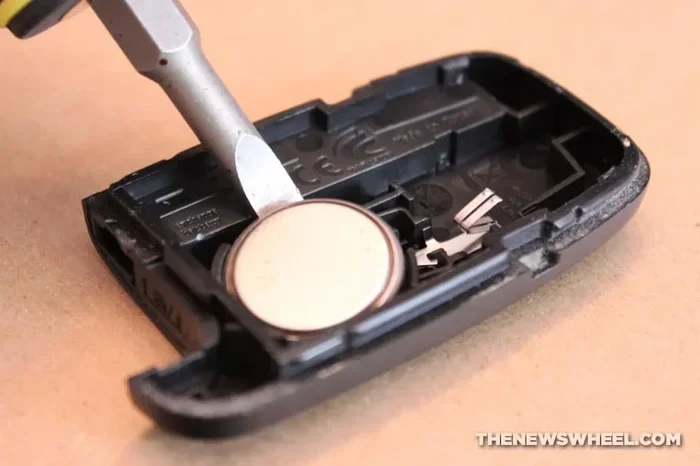
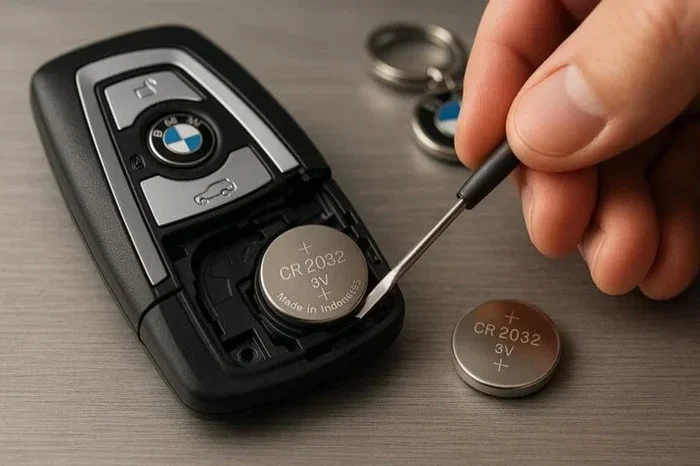
If your car uses a key fob with a built-in ignition key, the fob battery will need periodic replacement. A weak fob battery can cause starting problems or prevent the car from recognizing the key. After replacing the fob battery, make sure to follow the proper steps to ensure the system resets correctly.
Get the Ignition System Checked During Regular Service
During routine maintenance visits, ask your mechanic to inspect the ignition cylinder and switch. They can spot early signs of wear before they become major problems. Catching issues early saves you time, money, and the frustration of a car that will not start.
What If You Need to Test the Electrical System?
If you suspect an electrical issue is preventing your car from starting, you can use a multimeter to test the battery and connections. Learning how to test a car battery with a multimeter is a valuable skill that every car owner should have. It helps you determine whether the problem is with the battery, the alternator, or the ignition system itself.
Key Ignition vs Push Button Start: What You Should Know
Modern vehicles increasingly feature push button start systems instead of traditional keys. Both systems achieve the same goal, but they operate differently. With a key ignition, you physically insert and turn the key. With push button start, you press a button after the car detects your key fob.
Each system has its advantages. A key ignition is simple, reliable, and does not depend on battery power in the key fob for basic operation. Push button start offers convenience and a modern feel but can be more vulnerable to electronic failures. Understanding both systems helps you appreciate how far automotive technology has come while recognizing the enduring reliability of the traditional key ignition.
Common Mistakes Beginners Make When Starting a Car
New drivers often make mistakes when learning how to use a key ignition. Here are the most common errors and how to avoid them.
- Forgetting to Press the Brake: This is the single most common mistake. Always press the brake before turning the key.
- Holding the Key in START Too Long: The starter motor is designed to run for only a few seconds. Holding the key in START for too long can overheat and damage the motor.
- Starting the Car in Gear: Always ensure the transmission is in park before starting the engine. Starting in gear can cause the car to lurch forward dangerously.
- Ignoring Warning Lights: If a warning light stays on after you start the car, do not ignore it. It could signal a problem with the engine, transmission, or electrical system.
- Using the Wrong Key: Not all keys fit all ignitions. Using the wrong key can damage the ignition cylinder and the key itself.
Avoiding these simple mistakes keeps your ignition system healthy and ensures a smooth start every time you get behind the wheel.
Conclusion
Learning how to start a car with a key ignition is one of the first and most important skills every driver needs to develop. From understanding the four ignition positions to following proper safety steps, this guide has covered everything you need to know. Remember to always press the brake, check your gear position, and listen for the sounds your car makes when you turn the key.
Regular maintenance of your ignition system goes a long way in preventing starting problems. Keep your key clean, replace the fob battery when needed, and have the ignition cylinder inspected during routine service. These small habits save you from the frustration of a car that will not start when you need it most.
Whether you drive a car with a traditional key ignition or are curious about how older vehicles work, the knowledge in this guide will serve you well. Take your time, follow the steps, and soon starting your car will feel like second nature. Safe driving and happy starting.
Frequently Asked Questions
Can I start a car with a key ignition if the battery is dead?
No, a dead battery will prevent the starter motor from engaging. You will need to jump-start the car or replace the battery. You can test a car battery with a multimeter to confirm whether the battery is the issue before taking further action.
Why does my key get stuck in the ignition cylinder?
A key can get stuck due to a locked steering wheel, a worn ignition cylinder, or debris inside the lock. Gently wiggling the steering wheel while turning the key often releases it. Avoid using force, as this can break the key inside the cylinder.
Is it bad to hold the key in the START position for too long?
Yes, holding the key in START for more than a few seconds can overheat the starter motor and drain the battery. The key should spring back to the ON position on its own once the engine starts. If the engine does not start after two attempts, wait a minute before trying again.
What should I do if the car cranks but does not start?
If the engine cranks but does not start, check the fuel level, spark plugs, and battery connections. It could also be a problem with the fuel system or the ignition switch. If basic checks do not resolve the issue, consult a professional mechanic for diagnosis.
Do I need to warm up the car before driving after starting it?
Modern cars do not need extended warm-up time. After starting the engine, let it idle for about 30 seconds to a minute, then drive gently. This allows the oil to circulate and the engine to reach optimal temperature without wasting fuel.
Can I replace the ignition switch myself?
Replacing an ignition switch is possible for experienced DIYers, but it involves working with electrical connections and steering column components. If you are not comfortable, it is best to have a professional handle the replacement to avoid damaging the ignition cylinder or electrical system.