How Do I Reset My Parking Brake Simple Steps Inside
Resetting your parking brake is easier than most people think. Whether your parking brake is stuck, not holding, or won’t release, this guide walks you through the process safely. You will learn the most common reasons your emergency brake fails and how to fix them yourself.
Your parking brake is one of the most important safety features on your car. It keeps your vehicle from rolling when parked, especially on hills. But what happens when it stops working properly? A stuck or failing parking brake can leave you stranded or create unsafe driving conditions.
If you have ever wondered how do I reset my parking brake, you are not alone. Many car owners face this problem at some point. The good news is that resetting your parking brake is often a simple fix you can do at home. This guide gives you clear, step-by-step instructions to get your brake working again.
We will cover the most common reasons your parking brake fails, the tools you need, and how to prevent future problems. By the end, you will feel confident tackling this repair yourself. Let us get into it.
Key Takeaways
- Regular maintenance keeps your parking brake working smoothly and safely.
- A stuck parking brake is often caused by rust, cable tension, or worn brake pads.
- You can fix most parking brake issues at home with basic tools.
- Ignoring a brake warning light can lead to costly repairs or safety risks.
- Knowing when to call a professional saves time and money.
- Proper brake adjustment extends the life of your entire braking system.
- Always test your parking brake in a safe, flat area after resetting it.
📑 Table of Contents
- Understanding Your Parking Brake System
- Common Reasons Your Parking Brake Gets Stuck
- How to Reset Your Parking Brake Step by Step
- When to Seek Professional Help
- Preventing Future Parking Brake Problems
- Quick Tips for a Successful Parking Brake Reset
- How Your Parking Brake Connects to Other Safety Features
- Final Thoughts on Resetting Your Parking Brake
Understanding Your Parking Brake System
Before you reset anything, it helps to understand how your parking brake works. Most cars use a cable system that connects the parking brake lever or pedal to the rear brakes. When you pull the lever or push the pedal, the cable tightens and engages the brakes at the rear wheels.
How the Parking Brake Cable Works
The brake cable is a steel wire rope that runs from your lever or pedal to the rear brake components. Over time, this cable can stretch, rust, or become misaligned. When that happens, your parking brake may not engage properly or may not release at all.
There are two main types of parking brake systems. The first is the lever-style hand brake found in most sedans and SUVs. The second is the pedal-style parking brake found in many trucks and some cars. Both systems use the same basic cable mechanism.
Why Your Parking Brake Matters
Your parking brake does more than just keep your car in place. It also serves as a backup braking system if your main brakes fail. This is why keeping it in good working order is so important. A properly functioning parking brake gives you peace of mind every time you park your car.
If you notice your brake warning light staying on, do not ignore it. That light is trying to tell you something is wrong with your braking system. Addressing the issue early can save you from bigger problems down the road.
Common Reasons Your Parking Brake Gets Stuck
Understanding why your parking brake gets stuck is the first step to fixing it. Here are the most common culprits behind parking brake problems.
Rust and Corrosion
Rust is the number one enemy of your parking brake cable. If you live in a rainy or snowy area, moisture can build up on the cable and cause it to seize. A seized cable will not move freely, which means your brake may stick or fail to release.
Driving in wet conditions without using your parking brake regularly can make rust worse. The cable needs regular movement to stay lubricated and free of buildup. If you leave your car parked for long periods, the cable can corrode and lock up.
Worn Brake Pads or Shoes
Your parking brake relies on the rear brake pads or shoes to do its job. When these wear down, the parking brake may not engage properly. In some cases, worn pads can cause the cable to stretch beyond its normal range.
If your rear brake pads are thin, replacing them may solve your parking brake problem. This is a good opportunity to inspect your entire brake system while you are at it. Checking your brake pads regularly helps you catch problems early.
Cable Stretch and Misalignment
Over time, the parking brake cable naturally stretches. When the cable stretches too much, it loses tension and the brake may not hold. On the other hand, a cable that is too tight can cause the brake to drag or fail to release.
Misalignment is another common issue. If the cable housing gets bent or the adjustment nut loosens, the cable will not operate correctly. Both stretch and misalignment are easy to fix with the right approach.
Broken or Damaged Components
In rare cases, a broken cable or damaged return spring causes parking brake failure. If you hear a snapping sound or notice the lever feels loose, inspect the cable immediately. A broken cable needs to be replaced before you can safely drive your car.
How to Reset Your Parking Brake Step by Step
Now that you know the common causes, let us walk through the reset process. Follow these steps carefully and always work in a safe, flat area.
Step 1: Gather Your Tools
Before you start, make sure you have the right tools on hand. Here is what you will need:
- A wrench set (most jobs use 10mm or 12mm)
- A screwdriver (flathead or Phillips depending on your car)
- Brake grease or cable lubricant
- A jack and jack stands or ramps
- Gloves and safety glasses
Having everything ready before you start makes the process smoother. You do not want to stop halfway through to find a tool.
Step 2: Release the Parking Brake Fully
Start by pressing the parking brake pedal or releasing the hand lever completely. You want the cable to be in its loosest position before you begin any adjustments. This gives you room to work with the tension later.
If your parking brake is stuck and will not release, do not force it. Forcing a stuck brake can damage the cable or the brake components. Instead, try spraying a penetrating lubricant on the cable and letting it sit for a few minutes.
Step 3: Locate the Adjustment Point
Most parking brake cables have an adjustment nut where the cable enters the lever or pedal mechanism. Look under your car or behind the center console to find this point. On some vehicles, the adjustment is located near the rear brakes.
Once you find the adjustment nut, use your wrench to loosen it slightly. This will give you slack in the cable so you can make adjustments. Turn the nut counterclockwise to loosen it.
Step 4: Adjust the Cable Tension
Now you can adjust the cable tension to reset the parking brake. Pull the cable taut by hand or with a helper, then tighten the adjustment nut. You want the cable tight enough that the brake engages firmly but not so tight that it drags.
A good test is to pull the lever or press the pedal and feel for firm resistance. If it feels loose or spongy, tighten the cable a little more. If the brake drags when released, loosen it slightly.
Step 5: Lubricate the Cable
After adjusting the tension, apply brake grease or cable lubricant to the cable. This helps prevent rust and keeps the cable moving smoothly. Use a clean cloth to wipe off any excess grease.
Do not use regular engine oil as a lubricant. Brake grease is specifically formulated to handle high temperatures and friction. Using the wrong lubricant can damage your brake system components.
Step 6: Test the Parking Brake
With the adjustment complete, it is time to test your work. Park on a flat surface, engage the parking brake, and shift into gear. Try to rock the car gently. If the car does not move, your parking brake is working properly.
Next, release the parking brake and try to roll the car. It should move freely without any dragging. If you feel resistance, you may need to loosen the cable slightly. Make small adjustments until the brake engages and releases smoothly.
If you have access to a safe hill, test your parking brake on an incline as well. Pull up on a hill and release the brake. The car should stay in place. This is the best real-world test of your parking brake.
When to Seek Professional Help
Not all parking brake problems can be fixed at home. Some situations call for a professional mechanic. Here are signs that you should seek expert help.
Your Brake Warning Light Stays On
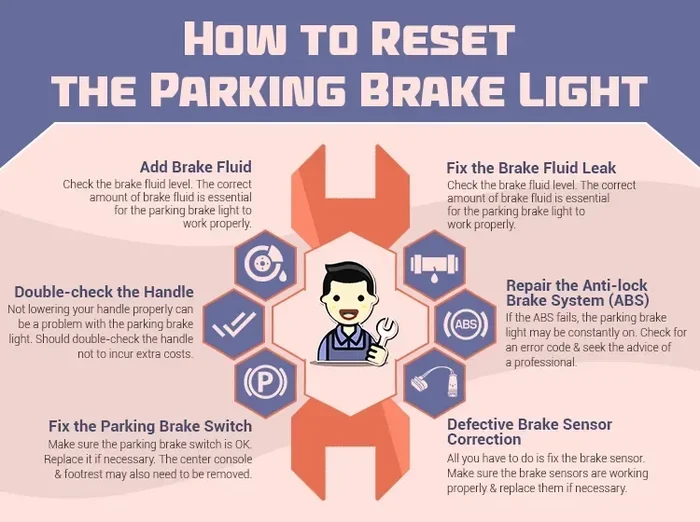
If your brake warning light stays on after you reset the parking brake, there may be a deeper issue. The light could indicate low brake fluid, a sensor problem, or a fault in the brake system. These issues require professional diagnosis.
Ignoring a brake warning light is dangerous. It could mean your main brakes are not working correctly. If the light comes on and stays on, have your car inspected as soon as possible.
The Brake Drags Even After Adjustment
If you have adjusted the cable and the brake still drags, the problem may be beyond a simple cable adjustment. Worn brake calipers, stuck brake pistons, or damaged brake rotors can all cause dragging brakes.
A mechanic can inspect these components and replace them if needed. Continuing to drive with dragging brakes wears down your brake pads quickly and can overheat your brake system.
You Notice a Burning Smell or Grinding Sound
A burning smell or grinding sound after adjusting your parking brake is a red flag. These symptoms suggest your brake pads are worn down to the metal or your brake rotor is damaged. Stop driving and get your car to a mechanic right away.
These are serious brake repair issues that should not be ignored. Driving on damaged brakes compromises your safety and the safety of others on the road.
Sometimes the problem is more complex than a cable adjustment. If you have tried the steps above and your parking brake still does not work, do not hesitate to visit a trusted mechanic. You can also check if your vehicle is still under warranty before paying for repairs.
Preventing Future Parking Brake Problems
The best way to deal with parking brake issues is to prevent them from happening in the first place. A little regular maintenance goes a long way toward keeping your brake system in top shape.
Use Your Parking Brake Regularly
Many people rely only on putting their car in park and never use the parking brake. This is a mistake. Using your parking brake regularly keeps the cable moving and prevents rust and corrosion from building up.
Make it a habit to engage your parking brake every time you park, even on flat ground. This simple habit extends the life of your entire brake system and keeps the cable in good condition.
Inspect Your Brakes Regularly
Include your parking brake in your regular vehicle inspections. Check the cable for fraying, rust, or slack. Look at your rear brake pads for wear. Catching small problems early prevents them from becoming big, expensive repairs.
A good rule of thumb is to inspect your brake system every time you get an oil change. This keeps you on a consistent maintenance schedule and helps you stay ahead of potential issues.
Keep the Cable Lubricated
Applying cable lubricant every six months or so keeps the parking brake cable moving freely. Use a silicone-based lubricant or dedicated brake cable lube. Avoid WD-40 as a long-term lubricant because it can wash away and leave the cable exposed to moisture.
Address Issues Promptly
If you notice any changes in how your parking brake feels, address them right away. A parking brake that feels loose, grabs too hard, or will not release fully is telling you something is wrong. Early intervention prevents more serious brake repair costs later.
For more tips on maintaining your vehicle, check out our guide on can I still drive my car if it says maintenance required soon. It covers important warning signs every car owner should know.
Quick Tips for a Successful Parking Brake Reset
- Always work on a flat, level surface when adjusting your parking brake.
- Never force a stuck parking brake lever or pedal. Use lubricant instead.
- Check your rear brake pads before adjusting the cable.
- Test your parking brake in both park and gear positions.
- Use the right lubricant designed for brake systems.
- Keep a record of your brake maintenance for future reference.
Following these tips makes the reset process safer and more effective. Small precautions can prevent big problems and keep you safe on the road.
How Your Parking Brake Connects to Other Safety Features
Your parking brake does not work in isolation. It connects to other safety systems in your vehicle. For example, many modern cars have a brake warning light that illuminates when the parking brake is engaged or when there is a fault in the system.
Some vehicles also have automatic features that release the parking brake when you start driving. These electronic systems add convenience but also require proper maintenance. If your electronic parking brake malfunctions, the reset process may differ from the manual cable system described above.
Understanding how all your safety features work together helps you become a more informed car owner. You can spot problems early and take action before they become serious issues.
For additional safety features, you might want to learn how to turn on your backup camera to complement your parking brake knowledge and improve overall vehicle safety.
Final Thoughts on Resetting Your Parking Brake
Resetting your parking brake is a straightforward task that most car owners can handle themselves. With the right tools, a little patience, and the steps outlined in this guide, you can have your brake working like new in no time. The key is to address the problem early and not ignore warning signs.
Regular maintenance is your best defense against parking brake problems. Keep the cable lubricated, inspect your brake pads regularly, and use the parking brake every time you park. These simple habits save you time, money, and stress in the long run.
If you ever feel unsure about any step, consult your vehicle owner manual or reach out to a professional mechanic. There is no shame in asking for help when it comes to your safety. The most important thing is that your parking brake works reliably every time you need it.
For more DIY car maintenance tips and guides, explore our full library of articles at Ferny Automotive. We are here to help you keep your car running safely and smoothly.
Frequently Asked Questions
How do I know if my parking brake needs to be reset?
You may need to reset your parking brake if it feels loose, does not hold the car on an incline, or will not release fully. A dragging brake or a brake warning light staying on are also signs that your parking brake needs attention and possibly a reset.
Can I drive my car with a broken parking brake?
You should not drive your car with a broken parking brake. The parking brake is a safety feature and a backup braking system. Driving without it working properly increases the risk of your vehicle rolling, especially on hills or uneven surfaces.
How often should I check my parking brake cable?
You should inspect your parking brake cable at least twice a year or every 6,000 miles. Regular inspection helps you catch rust, stretch, or misalignment early before they turn into bigger problems with your brake system.
What causes a parking brake to stick?
The most common causes of a stuck parking brake are rust on the cable, a stretched or misaligned cable, worn rear brake pads, or a broken return spring. Regular use and lubrication help prevent most of these issues from occurring.
Is it safe to adjust the parking brake cable myself?
Yes, adjusting the parking brake cable is safe if you follow the proper steps and work in a safe area. Make sure you have the right tools, work on a flat surface, and test the brake thoroughly after making adjustments. If you feel unsure, consult a professional.
How much does it cost to reset a parking brake professionally?
The cost to have a professional reset your parking brake typically ranges from $50 to $150 depending on your vehicle and the extent of the problem. Simple cable adjustments are on the lower end, while replacing a damaged cable or brake component will cost more.
=== CONCLUSION ===
Resetting your parking brake does not have to be intimidating. With the steps laid out in this guide, you have everything you need to tackle the job yourself. From understanding your brake system to making the adjustment and testing the results, each step is designed to be simple and clear.
Remember that your parking brake is a critical safety feature. Keeping it in good working order protects you, your passengers, and others on the road. Regular maintenance, prompt attention to warning signs, and proper use go a long way toward preventing future problems.
Now that you know how do I reset my parking brake, you can handle this common car issue with confidence. Grab your tools, follow the steps, and enjoy the satisfaction of fixing your car yourself. Your parking brake will thank you for it.