How to Reset Dashboard Warning Lights Fast and Easy
Dashboard warning lights can scare anyone, but most are easy to fix. This guide shows you exactly how to reset dashboard warning lights quickly and safely. You will learn what each light means, when to reset it yourself, and when a mechanic is needed.
Dashboard warning lights pop up at the worst times. You are driving down the road and suddenly a symbol lights up on your dash. Your heart races and you wonder what is going on.
The good news is that most dashboard warning lights are easy to handle. You do not need to be a mechanic to understand them. In this guide, we walk you through how to reset dashboard warning lights in simple steps.
We will cover every common symbol, explain what it means, and show you the exact reset method for each one. Whether it is a check engine light or a tire pressure warning, you will find clear answers here. Let us get started and take the fear out of your dash.
Key Takeaways
- Know Your Symbols: Understanding dashboard warning lights helps you respond faster and avoid unnecessary panic.
- Simple Resets Work: Many warning lights can be cleared with a basic OBD scanner or a quick battery disconnect.
- Safety First: Red warning lights need immediate attention before you attempt any reset.
- Root Cause Matters: Resetting the light without fixing the problem will just bring it back.
- DIY-Friendly: Most reset procedures take less than 10 minutes and need no special tools.
- Professional Help Exists: Some lights require dealer-level diagnostics that a DIY reset cannot fix.
📑 Table of Contents
- Understanding Dashboard Warning Lights
- How to Reset Dashboard Warning Lights Step by Step
- When You Should NOT Reset a Warning Light
- Common Mistakes People Make When Resetting Warning Lights
- How to Prevent Dashboard Warning Lights
- When to See a Professional Mechanic
- Final Thoughts on Resetting Dashboard Warning Lights
Understanding Dashboard Warning Lights
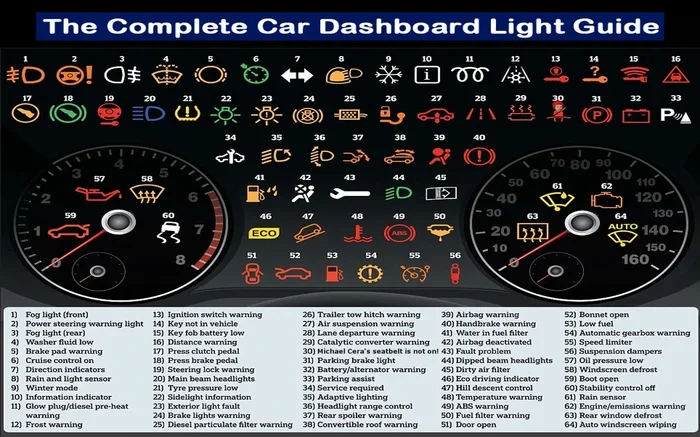
Before you learn how to reset anything, you need to understand what the lights are telling you. Dashboard indicators use a color system to communicate urgency. Green and blue lights are usually informational. Yellow lights mean something needs attention soon. Red lights mean stop and check immediately.
Every car maker uses slightly different symbols. But most follow a universal design. A red oil can means low oil pressure. A yellow engine shape means the check engine light is on. A yellow tire icon with an exclamation mark means your TPMS sensor has triggered.
Knowing these basics makes the whole process less stressful. You can quickly decide whether to pull over or keep driving. Here are the most common dashboard symbols you will see on the road today.
What Do the Colors Mean?
The color of a car warning light tells you how serious the issue is. Think of it like a traffic light. Green means go and everything is normal. Yellow means slow down and get it checked. Red means stop right away.
Some drivers ignore yellow lights for weeks. That is never a good idea. A small problem today can become a big repair bill tomorrow. Always take yellow lights seriously even if the car seems fine.
Common Warning Light Symbols Explained
Here are the symbols you will see most often on modern vehicles:
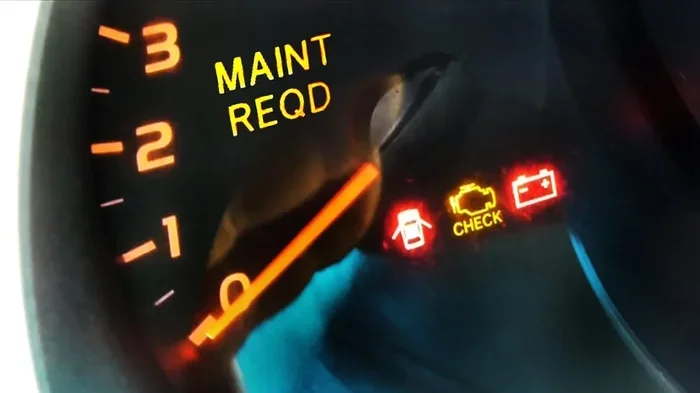
- Check Engine Light: A yellow engine shape. It can mean anything from a loose gas cap to a serious engine problem.
- Oil Pressure Light: A red oil can shape. This means your oil level is low or your oil pump is failing.
- Battery Light: A red battery icon. It signals a charging system problem, not necessarily a dead battery.
- TPMS Warning: A yellow horseshoe with an exclamation point. It means one or more tires are underinflated.
- Brake Warning: A red circle with an exclamation mark or the word BRAKE. This needs immediate attention.
- ABS Light: A yellow circle with ABS written inside. It means your anti-lock braking system has a fault.
- Coolant Temperature Light: A red thermometer or temperature gauge. It means your engine is overheating.
Each of these automotive warning lights has a specific reset method. We will cover them all below so you can handle each one with confidence.
How to Reset Dashboard Warning Lights Step by Step
Now that you know what the lights mean, let us get into the reset process. The method you use depends on the type of light and your vehicle model. Below are the most effective ways to clear dashboard warning lights at home.
Method 1: Use an OBD-II Scanner
An OBD scanner is the best tool for resetting warning lights. It plugs directly into your car’s diagnostic port. This port is usually located under the steering column on the driver’s side.
Here is how to do it:
- Turn off your engine and all accessories.
- Locate the OBD-II port under your dash.
- Plug the scanner into the port firmly.
- Turn the ignition to the on position (do not start the engine).
- Follow the scanner prompts to read the error codes.
- Note down the codes so you can research them later.
- Select the option to clear or erase the codes.
- Turn off the scanner and start your engine.
- Check if the warning light has gone off.
This method works for most warning light reset situations. It also gives you valuable diagnostic information that helps you understand the root cause. If you do not own a scanner, you can buy a basic one for under $30 or borrow one from most auto parts stores.
Method 2: Disconnect the Car Battery
Another popular way to reset your instrument panel lights is by disconnecting the battery. This method resets the car’s computer and clears most temporary fault codes.
Here is what to do:
- Turn off the engine and remove the key from the ignition.
- Open the hood and locate the negative battery terminal.
- Use a wrench to loosen the cable clamp on the negative terminal.
- Carefully pull the cable off the terminal and move it away.
- Wait at least 15 minutes. Some cars need up to 30 minutes.
- Reconnect the cable and tighten it securely.
- Start the engine and check if the light is gone.
This method is simple and effective. But keep in mind that it will also reset your radio presets, clock, and some other settings. It is a good option when you do not have a scanner handy.
Method 3: Turn the Ignition On and Off Three Times
Some vehicles respond to a simple ignition cycle reset. This trick works on many older models and some newer ones too.
Here is the process:
- Turn the key to the off position.
- Wait two seconds.
- Turn the key to the on position (do not start the engine).
- Wait two seconds.
- Repeat this cycle two more times for a total of three.
- Start the engine and check the dash.
This method does not work on all vehicles. But it is worth trying before you buy any tools. It takes less than a minute and costs nothing.
Method 4: Use the Steering Wheel Reset Button
Many modern cars have a hidden reset button behind the steering wheel. This button can clear certain warning lights without any special equipment.
To find it, look behind the steering column for a small pinhole button. Use a paperclip or pen to press it while the ignition is on. Check your owner’s manual for the exact location and procedure for your specific vehicle.
This method is especially useful for resetting dashboard malfunctions that are not tied to a serious mechanical issue.
When You Should NOT Reset a Warning Light
Resetting a warning light can be tempting. But sometimes it is the wrong move. Here are the situations where you should never clear a light on your own.
Red Warning Lights That Indicate Serious Problems
If you see a red light on your dash, do not reset it. Red lights signal problems that could be dangerous to drive with. These include the oil pressure light, the brake warning light, and the coolant temperature light.
For example, if your low coolant warning comes on, resetting it will not refill your coolant. You need to actually fix the problem first. Driving with low coolant can cause your engine to overheat and suffer serious damage.
When the Light Keeps Coming Back
If you reset a light and it comes back within a few days, there is a real problem you need to fix. Clearing the light without addressing the root cause is just hiding the symptom. The light will return and the underlying issue will get worse over time.
This is where an OBD diagnostic really shines. The scanner reads the trouble codes and tells you exactly what is wrong. You can then fix the real problem instead of just clearing the light.
After a Major Repair
If you just had a repair done, your mechanic should reset the lights for you. But if they did not, you can do it yourself using the methods above. Just make sure the repair is complete and working properly before you clear any codes.
Common Mistakes People Make When Resetting Warning Lights
Even experienced drivers make mistakes when dealing with dashboard alert lights. Here are the most common ones to avoid.
Ignoring the Light Entirely
The biggest mistake is simply ignoring the light and hoping it goes away. Most warning lights will not turn themselves off unless the problem is fixed. Ignoring them can lead to expensive repairs down the road.
Resetting Without Reading the Codes
Many people grab a scanner and immediately clear the codes without reading them first. This is a missed opportunity. The codes tell you exactly what triggered the light. Reading them first helps you understand if it is a minor issue or something serious.
Using the Wrong Reset Method
Not every reset method works for every car. Some vehicles require a specific procedure through the infotainment system. Always check your owner’s manual before attempting a reset. Using the wrong method could do nothing or even cause more issues.
Forgetting to Check the Root Cause
Resetting the light is only half the job. You must also fix whatever caused the light to come on in the first place. Otherwise you will be resetting the same light over and over again.
How to Prevent Dashboard Warning Lights
The best way to deal with warning lights is to prevent them from coming on in the first place. Regular car maintenance tips go a long way toward keeping your dash clear and your vehicle running smoothly.
Stay on Top of Routine Maintenance
Keep up with your oil changes, tire rotations, and brake inspections. These simple services prevent many common issues that trigger warning lights. Check your owner’s manual for the recommended maintenance schedule for your specific vehicle.
Watch Your Fluid Levels
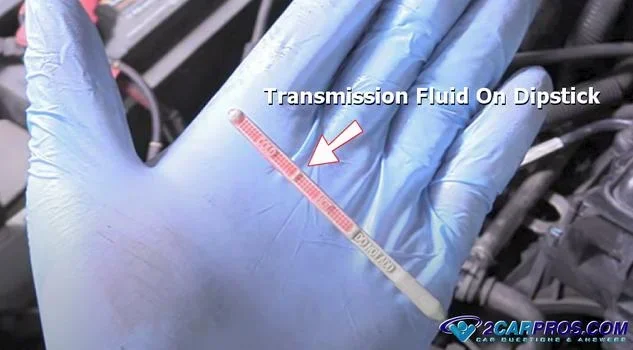
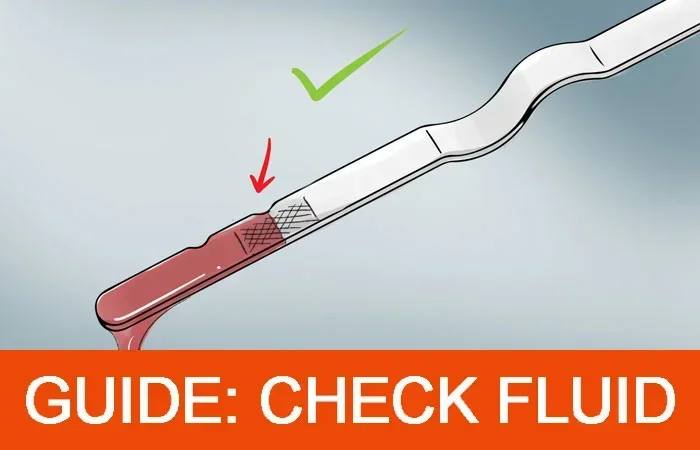
Low oil, coolant, or brake fluid can all trigger dashboard warnings. Make it a habit to check your fluid levels once a month. Topping off fluids is quick and easy and can save you from unexpected warning lights.
Keep Your Battery Healthy
A weak battery can cause all sorts of strange warning lights to appear. If your battery is more than three years old, have it tested regularly. Clean any corrosion off the terminals and make sure the connections are tight.
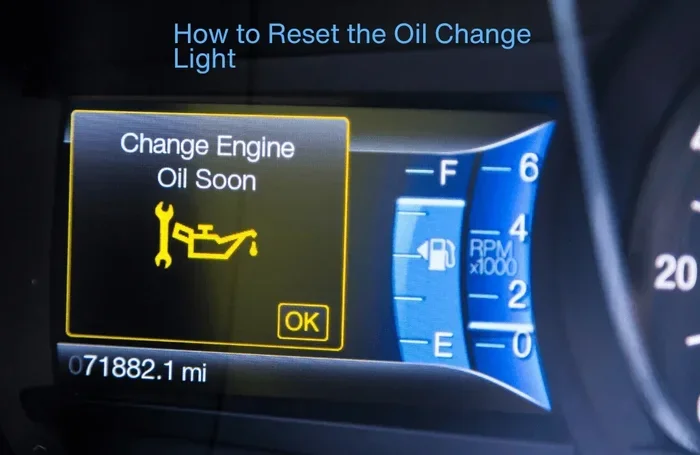
Interestingly, a bad battery can cause the wrench light to come on in many vehicles. If you notice warning lights appearing randomly, your battery might be the culprit. Replacing an old battery is one of the cheapest and easiest car repairs you can do.
Drive Smart
Harsh driving habits put extra stress on your vehicle. Avoid sudden acceleration and hard braking when possible. Smooth driving reduces wear on your brakes, engine, and transmission, which helps prevent warning lights from triggering.
When to See a Professional Mechanic
There are times when a DIY reset is not enough. If you have tried the methods above and the light keeps coming back, it is time to see a pro. Some issues require specialized tools and expertise that go beyond a simple reset.
Here are signs you need professional help:
- The warning light flashes instead of staying solid.
- Your car is making strange noises or running poorly.
- Multiple warning lights come on at the same time.
- The light returns immediately after you reset it.
- You have checked the obvious causes and the light still won’t go away.
A professional mechanic has access to advanced diagnostic equipment that can read deeper codes and identify hidden problems. They can also perform repairs that are not safe or practical to do at home.
Before you visit a mechanic, it helps to know what the light means. You can research the trouble codes yourself using the scanner or by looking them up online. This puts you in a better position to understand the repair estimate and ask informed questions.
Regular maintenance also keeps your vehicle in good shape and reduces the chances of unexpected warning lights. Simple habits like checking your fluids and staying current with oil changes make a huge difference over time.
Final Thoughts on Resetting Dashboard Warning Lights
Resetting dashboard warning lights does not have to be scary or complicated. With the right tools and a little knowledge, you can handle most warning lights yourself in under 10 minutes. The key is to understand what each light means and to always address the root cause before clearing it.
Start by identifying the color and symbol of the warning light. Then choose the right reset method for your vehicle. And remember, some lights should never be ignored or reset without proper inspection. Use this guide as your go-to resource the next time a warning light appears on your dash.
Staying proactive with your vehicle’s health keeps you safe on the road and saves you money on costly repairs. Keep this article bookmarked for quick reference whenever a dashboard warning light catches you off guard.
Frequently Asked Questions
Can I drive with a warning light on?
It depends on the color and type of light. Green and yellow lights usually mean you can drive carefully to a service center. Red lights mean you should pull over safely and not continue driving. Always check what the specific symbol means before deciding to keep driving.
How much does it cost to reset a dashboard warning light?
If you use a basic OBD scanner, the cost is zero after you buy the tool. Many auto parts stores will read and reset codes for free. If you visit a mechanic for a professional diagnostic, expect to pay between $50 and $150 depending on your location and vehicle.
Will resetting a warning light fix the underlying problem?
No. Resetting only clears the light from your dash. It does not repair any mechanical or electrical issue. You must identify and fix the root cause or the light will return. Always diagnose the problem before clearing any codes.
How long does it take to reset a dashboard warning light?
Most resets take less than 10 minutes. Using an OBD scanner is the fastest method. Disconnecting the battery takes longer because you need to wait 15 to 30 minutes for the car’s computer to fully reset. The ignition cycle method takes about one minute.
What should I do if the check engine light flashes?
A flashing check engine light indicates a serious problem that needs immediate attention. It usually means your engine is misfiring, which can damage your catalytic converter. Pull over safely, turn off the engine, and have your vehicle towed to a mechanic. Do not attempt to drive with a flashing check engine light.
Can a loose gas cap trigger a dashboard warning light?
Yes, a loose or damaged gas cap is one of the most common reasons for a check engine light. The cap seals the fuel system and prevents vapor leaks. If it is not tight, your car’s computer may detect a leak and trigger the warning. Try tightening the cap first before doing anything else.
=== CONCLUSION ===
Knowing how to reset dashboard warning lights is a valuable skill for every car owner. It saves you time, money, and the stress of not knowing what to do when a light suddenly appears. With the methods in this guide, you now have the tools to handle most warning lights confidently at home.
Remember to always check the root cause before resetting. Use an OBD scanner to read the codes and understand what triggered the light. And never ignore a red warning light or one that keeps coming back after a reset.
Keep this guide handy for your next dashboard surprise. Share it with a friend who might need it too. Staying informed and proactive is the best way to keep your vehicle running smoothly and safely for years to come.
For more tips on car maintenance and troubleshooting, check out our other articles on vehicle care and DIY repairs. Happy driving and happy resetting!