3 Cylinder Engine Cars That Deliver Big Power and Value
3 cylinder engine cars are gaining popularity because they offer great fuel economy, lower emissions, and surprisingly strong performance. Whether you are shopping for a new compact car or maintaining your current ride, understanding how these engines work helps you make smarter decisions. This guide covers everything from how three-cylinder engines operate to the best models, maintenance tips, and common problems you should know about.
You might think bigger engines always win. But 3 cylinder engine cars are proving that small can be mighty. These compact powertrains are showing up in everything from affordable city runabouts to sporty hatchbacks. And drivers are loving them for good reason.
If you are shopping for a new car or just curious about what makes these engines tick, you are in the right place. This guide breaks down how three cylinder engines work, which models lead the market, and how to keep yours running strong. Let us dive in.
Key Takeaways
- Fuel Savings: 3 cylinder engine cars use less fuel than traditional four-cylinder engines, saving you money at the pump.
- Lower Emissions: Fewer cylinders mean reduced CO2 output, making these engines more eco-friendly.
- Surprising Power: With turbocharging technology, three-cylinder engines deliver strong torque and horsepower.
- Affordable Maintenance: These engines have fewer parts, which often means lower repair costs over time.
- Top Models Available: Cars like the Ford Fiesta ST, Toyota Yaris, and BMW 3 Series offer excellent three-cylinder options.
- Regular Care Matters: Simple maintenance habits keep your 3 cylinder engine car running smoothly for years.
📑 Table of Contents
What Makes 3 Cylinder Engine Cars So Appealing
Automakers have been building engines with three cylinders for decades. But recently, these engines have exploded in popularity. Why? Because they hit a sweet spot between performance and efficiency.
Here are the main reasons people love 3 cylinder engine cars:
- Better Fuel Economy: Fewer cylinders burn less fuel. This means fewer trips to the gas station and more money in your pocket.
- Lower Weight: A three-cylinder engine is lighter than a four-cylinder. Less weight means better handling and quicker acceleration.
- Reduced Emissions: Smaller engines produce fewer harmful emissions. This helps the environment and can lower your road tax.
- Affordable Pricing: Cars with three cylinder engines often cost less to buy and maintain.
- Strong Turbo Performance: Modern turbocharging makes these small engines punch way above their weight.
Fuel Economy That Stands Out
One of the biggest draws of 3 cylinder engine cars is fuel savings. A typical three-cylinder engine sips fuel at a rate that four-cylinder engines simply cannot match. For daily commuters, this adds up to real savings over time.
Let us put this in perspective. A small car with a three cylinder engine might return 50 miles per gallon or more in mixed driving. That is impressive for a car that still feels lively on the road. Compare this to larger engines that struggle to break 30 miles per gallon, and the savings become obvious.
Lighter Weight, Better Handling
Every extra pound in a car matters. A small displacement engine with three cylinders weighs significantly less than its four-cylinder counterpart. This weight reduction improves the car’s balance, braking, and cornering.
When you drive a 3 cylinder engine car, you often notice how nimble it feels. The car responds quickly to steering inputs. It feels planted through curves. This is one reason sporty hatchbacks with three-cylinder engines have become so popular in Europe and Asia.
How Three Cylinder Engines Work
Understanding the basics of how a three cylinder engine works helps you appreciate its design. Let us keep it simple and fun.
The Basics of Engine Operation
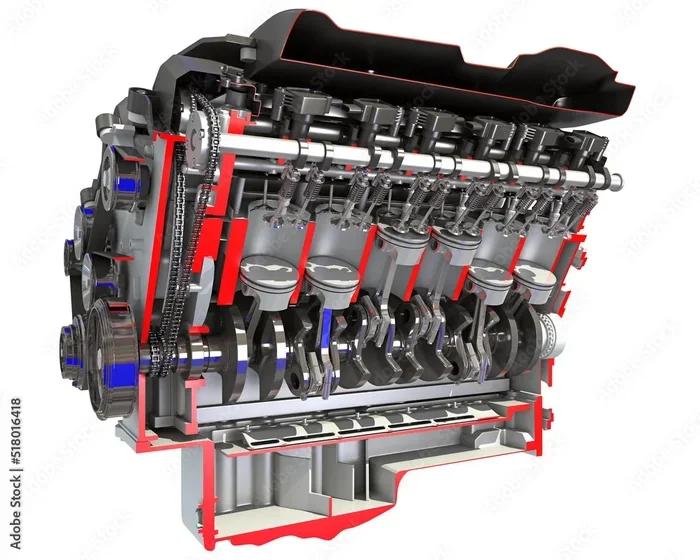
Every engine converts fuel into motion. Inside the engine block, pistons move up and down. In a three cylinder engine, there are three pistons working together. Each piston fires at a different time. This creates a smooth, continuous power delivery.
Here is how the process works in simple steps:
- Intake: Air and fuel enter the combustion chamber.
- Compression: The piston compresses the fuel-air mixture.
- Combustion: A spark plug ignites the mixture, creating a small explosion.
- Exhaust: The burnt gases exit through the exhaust valve.
In a 3 cylinder engine car, this cycle repeats three times per crankshaft rotation. That is different from a four-cylinder engine, which fires four times per rotation. The result is a unique power delivery that feels distinct from larger engines.
Why Three Cylinders and Not Four
You might wonder why engineers chose three cylinders instead of four. The answer comes down to efficiency. A three cylinder engine design has fewer moving parts. Fewer parts mean less friction, less heat loss, and better overall efficiency.
Automakers also use three cylinder engines because they fit in smaller engine bays. This allows for more compact car designs. For city cars and subcompacts, this extra space can mean more room for passengers or cargo.
Turbocharging and Forced Induction
Many modern 3 cylinder engine cars come with turbochargers. A turbocharger forces more air into the combustion chamber. This lets the engine burn more fuel per cycle. The result is more power from a smaller engine.
Turbocharged three-cylinder engines can produce horsepower numbers that rival older four-cylinder engines. For example, some turbocharged three cylinder engines produce over 200 horsepower. That is impressive for an engine with only three cylinders.
Best 3 Cylinder Engine Cars on the Market
The automotive market offers many great options if you want a 3 cylinder engine car. Let us look at some of the best models available today.
Ford Fiesta ST
The Ford Fiesta ST is a favorite among driving enthusiasts. Its 1.5 liter three cylinder engine produces around 200 horsepower. The car handles beautifully and feels alive on winding roads.
What makes the Fiesta ST special is its balance of fun and practicality. It is small enough for city driving but powerful enough for highway merging. The three cylinder engine delivers strong torque from low RPMs, making it a joy to drive in everyday traffic.
Toyota Yaris
The Toyota Yaris is a reliable and efficient city car. Its three cylinder engine focuses on fuel economy and low emissions. The Yaris is perfect for daily commuting and running errands around town.
Toyota is known for building engines that last. The 3 cylinder engine car lineup from Toyota includes models with excellent long-term reliability. Regular maintenance keeps these engines running smoothly for many years.
BMW 3 Series (G20)
BMW surprised many car lovers by offering a three cylinder engine in the 3 Series. The 320i and 328i models feature a turbocharged 1.5-liter three-cylinder engine. It delivers strong performance while keeping fuel consumption low.
This shows how far three cylinder engine technology has come. BMW engineers tuned the engine to minimize vibration and maximize smoothness. The result is a luxury sedan that feels refined and powerful.
Honda Civic and Mini Cooper
The Honda Civic and Mini Cooper also offer three-cylinder options in some markets. Both brands focus on making their three cylinder engines feel refined and responsive. These cars prove that small engines do not mean small experiences.
| Car Model | Engine Size | Horsepower | Fuel Economy (MPG) | Price Range |
|---|---|---|---|---|
| Ford Fiesta ST | 1.5L Turbo | ~200 hp | ~35 mpg | $25,000 – $30,000 |
| Toyota Yaris | 1.5L NA | ~120 hp | ~45 mpg | $16,000 – $20,000 |
| BMW 320i | 1.5L Turbo | ~180 hp | ~32 mpg | $35,000 – $42,000 |
| Honda Civic | 1.5L Turbo | ~180 hp | ~36 mpg | $23,000 – $28,000 |
Maintenance Tips for 3 Cylinder Engines
Keeping your 3 cylinder engine car in top shape does not have to be complicated. A few simple habits go a long way. Here are the most important maintenance tips every owner should follow.
Regular Oil Changes
Oil is the lifeblood of any engine. For three cylinder engines, using the right oil weight is essential. Check your owner’s manual for the manufacturer’s recommendation. Most 3 cylinder engine cars perform best with synthetic or synthetic blend oil.
Change your oil every 5,000 to 7,500 miles. If you drive in heavy traffic or extreme temperatures, consider shortening the interval. Fresh oil keeps all three pistons lubricated and reduces wear.
Spark Plug Care
Your three cylinder engine has three spark plugs. Each one fires the fuel-air mixture in its respective cylinder. Over time, spark plugs wear out and become less efficient.
Replace spark plugs according to the manufacturer’s schedule. Typically, this means every 30,000 to 60,000 miles. Worn spark plugs can cause rough idling, poor fuel economy, and reduced engine performance. This is an easy and affordable maintenance task.
Air Filter Replacement
A clean air filter ensures proper airflow into the combustion chamber. For 3 cylinder engine cars, replacing the air filter every 15,000 to 30,000 miles helps maintain optimal performance.
A clogged air filter forces the engine to work harder. This reduces fuel economy and can damage internal components over time. Check your air filter regularly, especially if you drive on dusty roads.
Cooling System Maintenance
Even small engines generate significant heat. The cooling system keeps your three cylinder engine at the right operating temperature. Flush the coolant every 30,000 to 50,000 miles.
Check the coolant level monthly. Low coolant can cause overheating, which leads to serious engine damage. If you notice steam coming from under the hood, pull over safely and check the coolant reservoir.
Timing Belt or Chain
Some 3 cylinder engine cars use a timing belt while others use a timing chain. The timing belt synchronizes the crankshaft and camshaft. If it breaks, the engine can suffer severe damage.
Replace the timing belt according to the manufacturer’s recommendation, usually between 60,000 and 100,000 miles. Timing chains typically last longer but should still be inspected regularly.
Common Problems and How to Fix Them
While 3 cylinder engine cars are generally reliable, they are not immune to issues. Here are some common problems and practical solutions.
Engine Vibration
Three-cylinder engines naturally produce more vibration than four-cylinder engines. This is because the firing intervals are uneven. However, automakers use balance shafts and engine mounts to reduce this vibration.
If you notice excessive shaking, check your engine mounts first. Worn mounts are a common cause of increased vibration. Replacing them is usually straightforward and affordable.
Rough Idle
A rough idle can signal several issues in a three cylinder engine. Common causes include dirty fuel injectors, worn spark plugs, or a vacuum leak.
Start by checking the spark plugs. If they look worn or fouled, replace them. Next, inspect the fuel injectors for clogs. A fuel system cleaner can often resolve minor injector issues. If the problem persists, have a mechanic check for vacuum leaks in the intake manifold.
Reduced Fuel Economy
If your 3 cylinder engine car starts using more fuel than usual, several factors could be at play. A dirty air filter, worn spark plugs, or a malfunctioning oxygen sensor can all reduce efficiency.
Start with the basics. Replace the air filter and spark plugs. Check tire pressure, since underinflated tires also hurt fuel economy. If these steps do not help, have the oxygen sensor tested.
Overheating Issues
Overheating is never good for any engine. In three cylinder engines, overheating often results from coolant leaks or a failing water pump.
Monitor your temperature gauge regularly. If it climbs above normal, pull over safely. Check the coolant level and look for visible leaks under the car. Address overheating immediately to prevent costly engine repairs.
Quick Maintenance Tips
- Check oil level monthly and top off as needed.
- Keep a log of all maintenance services.
- Use only manufacturer-recommended fluids.
- Listen for unusual sounds and address them early.
- Follow the recommended service schedule without skipping.
Are 3 Cylinder Engines the Future of Driving
The automotive industry is shifting toward smaller, more efficient engines. 3 cylinder engine cars are at the forefront of this change. Automakers around the world are investing heavily in three-cylinder powertrains.
Several factors are driving this trend. Stricter emissions regulations push automakers to build smaller engines. Advances in turbocharging technology make small engines more powerful than ever. And consumers increasingly prioritize fuel economy and environmental impact.
Hybrid and Electric Complements
Many manufacturers pair three cylinder engines with electric motors in hybrid setups. This combination delivers excellent fuel economy and strong performance. The electric motor fills in the torque gaps that can occur in small engines.
Hybrid 3 cylinder engine cars represent a smart bridge between traditional combustion engines and fully electric vehicles. They offer the best of both worlds: the familiarity of a gas engine and the efficiency boost of electric power.
What This Means for Car Buyers
If you are in the market for a new car, a three cylinder engine deserves serious consideration. These engines offer a compelling package of efficiency, performance, and value. They are especially well-suited for city driving, commuting, and first-time car buyers.
As automotive engineering continues to evolve, we can expect even better three-cylinder engines. Improved materials, smarter turbocharging, and tighter manufacturing tolerances will make these engines even smoother and more powerful.
Key Takeaways
- Fuel Savings: 3 cylinder engine cars use less fuel than traditional four-cylinder engines, saving you money at the pump.
- Lower Emissions: Fewer cylinders mean reduced CO2 output, making these engines more eco-friendly.
- Surprising Power: With turbocharging technology, three-cylinder engines deliver strong torque and horsepower.
- Affordable Maintenance: These engines have fewer parts, which often means lower repair costs over time.
- Top Models Available: Cars like the Ford Fiesta ST, Toyota Yaris, and BMW 3 Series offer excellent three-cylinder options.
- Regular Care Matters: Simple maintenance habits keep your 3 cylinder engine car running smoothly for years.
Conclusion
3 cylinder engine cars have earned their place in the modern automotive landscape. They deliver real-world fuel savings, satisfying performance, and lower ownership costs. Whether you are a first-time buyer or looking to replace your current vehicle, a three-cylinder engine deserves a spot on your shortlist.
These engines prove that you do not need a large displacement engine to enjoy driving. With smart engineering and turbocharging, three cylinder engines punch well above their weight. They offer a refreshing alternative to the bloated engine sizes that dominated the market for decades.
Take time to research the models available in your area. Test drive a few 3 cylinder engine cars and see how they feel on the road. You might be surprised by how much you enjoy the experience. And remember, proper maintenance keeps any engine running strong for years to come.
The future of driving is smaller, smarter, and more efficient. 3 cylinder engine cars are leading the way.
Frequently Asked Questions
Are 3 cylinder engines reliable?
Yes, three cylinder engines are generally very reliable. They have fewer moving parts than four-cylinder engines, which means fewer things can go wrong. Regular maintenance and using quality fluids go a long way in ensuring long engine life.
Do 3 cylinder engine cars vibrate more than four-cylinder cars?
Three-cylinder engines do produce slightly more vibration because of their uneven firing intervals. However, modern automakers use balance shafts and quality engine mounts to minimize this. Most drivers barely notice any difference in daily driving.
Are 3 cylinder engine cars good for highway driving?
Absolutely. While these engines shine in city driving, they perform well on highways too. Turbocharged three cylinder engines provide strong mid-range torque, which makes highway merging and passing safe and confident.
What is the best 3 cylinder engine car for beginners?
The Toyota Yaris and Honda Civic are excellent choices for beginners. They are affordable, reliable, and easy to maintain. Both models offer three cylinder engines that deliver great fuel economy without sacrificing safety features.
How often should I service my 3 cylinder engine car?
Follow the manufacturer’s service schedule, which typically includes oil changes every 5,000 to 7,500 miles, spark plug replacement every 30,000 to 60,000 miles, and coolant flushes every 30,000 to 50,000 miles. Staying on top of these services keeps your engine in excellent shape.
Can I turbo upgrade a naturally aspirated 3 cylinder engine?
Yes, many naturally aspirated 3 cylinder engines can be turbo upgraded. However, this requires professional installation and careful tuning. It is often more cost-effective to buy a factory turbocharged model if extra power is important to you.