How Does a Car Engine Work Step by Step for Beginners
Understanding how a car engine works step by step is easier than you think. This beginner-friendly guide walks you through the four-stroke cycle, explains each engine part, and shares simple maintenance tips. Whether you are a new driver or just curious, you will leave with a clear picture of what happens under your hood every time you turn the key.
Have you ever wondered what happens inside your engine when you turn the key? It feels like magic, right? One moment, your car is silent. The next, it roars to life and carries you down the road. But there is no magic involved. There is science, engineering, and a beautifully orchestrated sequence of events that all happen in a fraction of a second.
In this guide, we will walk you through how a car engine works step by step in plain, simple language. You do not need to be a mechanic to understand this. Whether you are a brand new driver, a car enthusiast who wants to learn more, or someone who just gets curious when the check engine light comes on, this article is for you. We will cover every major part, explain the four-stroke cycle in detail, and share practical tips to keep your engine healthy.
By the end, you will have a solid understanding of engine basics that will make you a smarter car owner. You will know what to listen for, what to watch for, and how to take better care of your vehicle. So let us pop the hood and dive right in.
Key Takeaways
- The four-stroke cycle is the heart of every gasoline engine and includes intake, compression, power, and exhaust strokes.
- Pistons, the crankshaft, and spark plugs work together in perfect timing to create the combustion that moves your car.
- Regular maintenance like oil changes and air filter replacements keeps your engine running smoothly for years.
- Understanding engine basics helps you spot warning signs early and avoid costly repairs.
- The air-fuel mixture must be precise for efficient combustion and optimal performance.
- Engine timing ensures valves open and close at exactly the right moment during each cycle.
- A dirty air filter or low coolant can cause serious engine problems if left unchecked.
📑 Table of Contents
What Happens Inside Your Engine
At its core, a car engine is a machine that converts fuel into motion. The process starts with a spark, a spray of fuel, and a whole lot of controlled explosions. These explosions push pistons up and down, which turns the crankshaft, which ultimately moves your wheels.
Think of it like a bicycle pump. When you push down, air compresses. When you release, something moves. An engine does the same thing, but thousands of times per minute. The key difference is that in an engine, the compressed air-fuel mixture ignites, creating a small controlled explosion that drives the piston down with real force.
This entire process happens inside what is called the combustion chamber. The combustion chamber is a space within the cylinder where the magic happens. Most car engines have four, six, or eight cylinders, and each one goes through the same cycle over and over again. The more cylinders an engine has, the smoother it runs and the more power it can produce.
Now, let us break this down into the exact steps. Every gasoline engine follows what is known as the four-stroke cycle. This is the foundation of how your engine operates. Let us look at each stroke closely.
The Four-Stroke Cycle Explained
The four-stroke cycle is the heartbeat of your engine. It happens in every cylinder, over and over, as long as your car is running. Each stroke is a single movement of the piston, and together they complete one full engine cycle. Let us walk through them one by one.
Stroke One: The Intake Stroke
The first stroke starts when the piston moves downward inside the cylinder. As it drops, it creates a vacuum that pulls in a precise mixture of air and fuel. This mixture enters through the intake valve, which opens at just the right moment.
The engine timing system controls exactly when this valve opens. It is all about precision. Too much fuel or too little air, and the engine will run poorly. Too little fuel and the engine might stall. The fuel injection system is responsible for spraying the right amount of fuel into the incoming air. Modern cars use electronic fuel injectors that are incredibly accurate.
During the intake stroke, the intake valve is open, and the exhaust valve is closed. The piston reaches the bottom of its travel, and the cylinder fills with the air-fuel mixture. Then the cycle moves to the next stroke.
Stroke Two: The Compression Stroke
Once the intake valve closes, the piston starts moving back up. This is the compression stroke. The piston squeezes the air-fuel mixture into a much smaller space, which increases its pressure and temperature dramatically.
Engine compression is critical for performance. Higher compression means a more powerful explosion when the mixture ignites. This is why high-performance engines often have higher compression ratios. However, the compression must be balanced. Too much compression can cause a problem called knocking, which can damage your engine over time.
Both valves are closed during this stroke. The mixture is trapped inside the cylinder, getting tighter and tighter until it reaches the top of its travel. This is called top dead center, and it is the point where the spark plug will fire.
Stroke Three: The Power Stroke
This is the stroke that actually makes your car move. At the peak of the compression stroke, the spark plug fires, creating a tiny electrical spark that ignites the compressed air-fuel mixture. The resulting explosion forces the piston back down with tremendous force.
This is where combustion happens. The rapid expansion of gases pushes the piston downward, rotating the crankshaft. The crankshaft is a heavy, specially shaped piece of metal that converts the up-and-down motion of the pistons into rotational motion. This rotation is what ultimately turns your wheels through the transmission and drivetrain.
The power stroke is the only stroke that produces actual energy. The other three strokes are all about setting up and cleaning up for this one moment of power. That is why engines need a starter motor to get the first few cycles going.
Stroke Four: The Exhaust Stroke
After the power stroke, the piston moves back up again. This time, the exhaust valve opens, and the burnt gases from the combustion are pushed out of the cylinder. These gases then travel through the exhaust system, which includes the exhaust manifold, catalytic converter, and muffler.
The exhaust system does more than just remove gases. It also reduces harmful emissions and minimizes noise. The catalytic converter plays a crucial role by converting toxic gases like carbon monoxide into less harmful substances before they exit the tailpipe.
Once the exhaust gases are cleared, the exhaust valve closes, the intake valve opens, and the entire cycle starts over again. This happens hundreds of times per second at highway speeds. It is truly remarkable when you think about it.
Key Parts That Make It All Work
Now that you understand the four-stroke cycle, let us look at the major engine parts that make it all possible. Each component plays a vital role, and they all depend on each other to keep the engine running smoothly.
The Engine Block
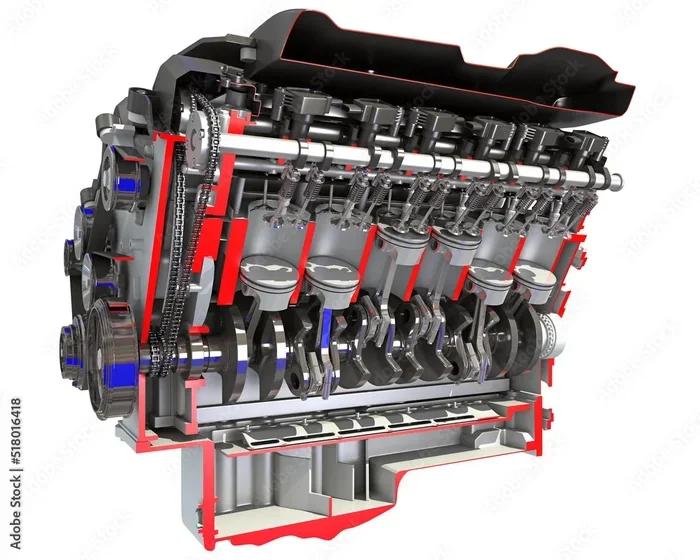
The engine block is the backbone of your engine. It is the large, heavy metal structure that houses the cylinders, pistons, and crankshaft. Most modern engine blocks are made from aluminum or cast iron because these materials can handle extreme heat and pressure.
The engine block also contains channels for engine oil and coolant to flow through. The oil lubricates moving parts to reduce friction, while the coolant absorbs heat to prevent the engine from overheating. Without either of these, your engine would fail very quickly.
The Pistons and Crankshaft
The pistons are the cylindrical components that move up and down inside each engine cylinder. They are connected to the crankshaft by connecting rods. As the pistons move, they turn the crankshaft, which is what generates the rotational force your car needs to move.
The crankshaft is one of the hardest-working parts in your vehicle. It spins thousands of times per minute and must be perfectly balanced to avoid vibrations. A worn or damaged crankshaft can cause serious engine problems, so keeping your engine well-maintained is essential.
The Camshaft and Valvetrain
The camshaft controls when the intake and exhaust valves open and close. It has specially shaped lobes that push against the valves at the right time during each cycle. The valvetrain includes the valves, rocker arms, and pushrods that work together to manage airflow into and out of the cylinders.
Proper engine timing between the camshaft and crankshaft is absolutely critical. If the timing is off, the valves could open at the wrong moment, which can cause the engine to run poorly or even sustain internal damage. Many modern cars use a timing belt or chain to keep everything synchronized.
The Spark Plugs and Ignition System
Spark plugs are small but mighty components. They create the electrical spark that ignites the air-fuel mixture in the combustion chamber. Without a working spark plug, that cylinder cannot produce power, and your engine will run rough or misfire.
The ignition system includes the ignition coil, which generates the high voltage needed to create the spark. Over time, spark plugs wear out and need to be replaced. This is one of the simplest and most affordable maintenance tasks you can do to keep your engine running strong.
How Fuel and Air Come Together
For an engine to work, it needs the right mix of air and fuel. Too much fuel and the engine runs rich, which wastes gas and produces excess emissions. Too little fuel and the engine runs lean, which can cause overheating and damage.
The air-fuel mixture is carefully controlled by the engine management system. Sensors throughout the engine monitor conditions like air temperature, altitude, and engine load, and then adjust the fuel delivery accordingly. This happens in milliseconds, ensuring your engine always gets the perfect balance.
The air filter plays an important role in this process. It cleans the incoming air before it enters the engine, removing dirt, dust, and debris. A clogged air filter restricts airflow, which can hurt performance and fuel economy. This is why regular air filter replacements are so important. If you are experiencing overheating issues, a dirty air filter can cause your car to overheat by limiting the airflow needed to cool the engine.
Fuel injectors spray a fine mist of gasoline directly into the combustion chamber or intake manifold. Older engines used carburetors to mix fuel and air, but modern fuel injection systems are far more efficient and precise. The fuel pump sends gasoline from the tank to the injectors under high pressure, ensuring a consistent supply at all times.
Common Engine Problems Beginners Should Know
Even well-maintained engines can develop problems over time. Understanding common issues helps you catch them early before they turn into expensive repairs. Here are some of the most frequent engine problems beginners should watch for.
One of the first signs of engine trouble is the check engine light. This warning light can come on for many reasons, from a loose gas cap to a more serious sensor failure. Sometimes a check engine light goes off by itself if the issue was temporary, like a momentary sensor glitch. But if it stays on, you should have your vehicle diagnosed as soon as possible. You can run diagnostics without a check engine light using an OBD-II scanner, which reads trouble codes stored in your car’s computer.
Another common problem is a dead battery or weak electrical system. If your car won’t start with a new battery, the issue might be with the alternator, starter motor, or corroded connections. The battery provides the electrical energy needed to power the ignition system and start the engine, so any disruption in that flow can prevent your car from turning over.
Engine overheating is also a serious concern. Low coolant levels, a failing water pump, or a broken thermostat can all cause your engine to run too hot. Overheating can warp engine components and lead to catastrophic failure if not addressed quickly. Keeping an eye on your temperature gauge and addressing any warning signs immediately is always a smart move.
Unusual noises like knocking, ticking, or grinding should never be ignored. These sounds often indicate worn bearings, low oil pressure, or loose components inside the engine. Early detection and prompt attention can save you from major engine repairs down the road.
Tips to Keep Your Engine Running Strong
Taking care of your engine does not have to be complicated. A few simple habits can add years to your engine’s life and keep it running efficiently. Here are some practical tips every car owner should follow.
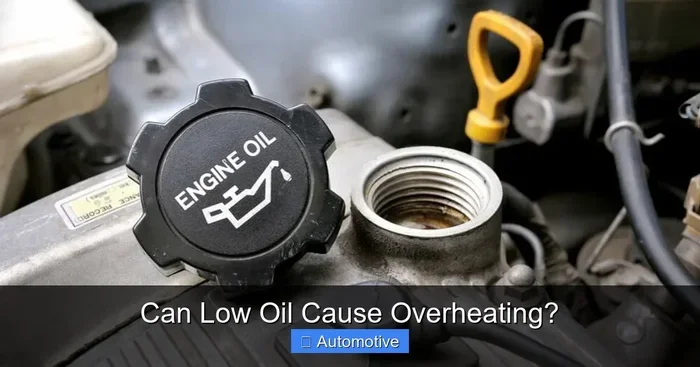
- Change your engine oil regularly. Oil lubricates the moving parts inside your engine and prevents excessive wear. Check your owner’s manual for the recommended oil change interval.
- Replace your air filter on schedule. A clean air filter ensures proper airflow and helps your engine breathe easily. A clogged filter can reduce performance and fuel economy.
- Monitor your coolant levels. Coolant keeps your engine at the right operating temperature. Low coolant can lead to overheating, which can cause serious internal damage.
- Use the right fuel grade. Check your owner’s manual to see what octane rating your engine requires. Using the wrong fuel can cause knocking and reduce performance.
- Listen to your engine. Pay attention to any unusual sounds, vibrations, or changes in performance. Your engine often tells you when something is wrong before a warning light comes on.
- Keep up with scheduled maintenance. Regular tune-ups, spark plug replacements, and timing belt inspections go a long way in preventing unexpected breakdowns.
One more thing to keep in mind: understanding your check engine light behavior can save you time and money. Sometimes the light comes on and then goes off on its own, which can be confusing. If you notice the light is intermittent, it is still worth getting checked out. A professional mechanic can connect a diagnostic tool to your car’s onboard computer and identify what is going on.
Also, if you ever find yourself stranded with engine trouble, knowing basic roadside basics can help. For instance, understanding what to do when your car stalls or won’t start can make a stressful situation much easier to handle. It is all about being prepared and informed.
Taking care of your engine is one of the best investments you can make as a car owner. A well-maintained engine runs better, lasts longer, and saves you money on fuel and repairs. The small effort you put into regular maintenance pays off in a big way over the life of your vehicle.
Conclusion
Now you know how a car engine works step by step. From the intake stroke to the exhaust stroke, every part of the four-stroke cycle plays a crucial role in turning fuel into motion. The pistons, crankshaft, camshaft, spark plugs, and valves all work together in perfect harmony to keep your car moving.
Understanding these engine basics empowers you as a car owner. You can make smarter decisions about maintenance, spot potential problems early, and communicate more effectively with your mechanic. You do not need to be a gearhead to appreciate how incredible the modern internal combustion engine truly is.
Remember, your engine is the heart of your vehicle. Treat it well with regular oil changes, clean filters, quality fuel, and prompt attention to any warning signs. Follow the maintenance schedule in your owner’s manual, and your engine will reward you with reliable performance for hundreds of thousands of miles. Keep learning, keep driving safely, and enjoy the journey.
Frequently Asked Questions
What is the four-stroke engine cycle?
The four-stroke cycle consists of intake, compression, power, and exhaust strokes. During the intake stroke, the piston pulls in an air-fuel mixture. The compression stroke squeezes that mixture, the power stroke ignites it to create energy, and the exhaust stroke pushes out the burnt gases. This cycle repeats continuously while your engine is running.
How often should I change my engine oil?
Most manufacturers recommend changing your engine oil every 5,000 to 7,500 miles for conventional oil, or every 10,000 to 15,000 miles for synthetic oil. However, always check your owner’s manual for the specific recommendation for your vehicle. Regular oil changes are one of the simplest ways to extend your engine’s lifespan.
Can a dirty air filter really cause engine problems?
Yes, a dirty air filter restricts airflow to the engine, which can lead to poor performance, reduced fuel economy, and even overheating. A clogged filter means the engine cannot breathe properly, which disrupts the air-fuel mixture. Replacing your air filter is a quick and inexpensive way to keep your engine running at its best.
What does the check engine light mean?
The check engine light is a warning from your car’s onboard diagnostics system. It can indicate anything from a loose gas cap to a serious sensor failure. If the light comes on and stays on, it is important to have your vehicle scanned for trouble codes. Sometimes the light may turn off by itself if the issue was temporary, but persistent lights need professional attention.
How does the spark plug help the engine run?
The spark plug creates a small electrical spark that ignites the compressed air-fuel mixture inside the combustion chamber. This ignition is what generates the explosive force that pushes the piston down during the power stroke. Without a functioning spark plug, that cylinder cannot produce power, which can cause your engine to misfire or run rough.
What should I do if my engine starts making unusual noises?
Unusual engine noises like knocking, ticking, or grinding should be investigated promptly. These sounds can indicate low oil pressure, worn bearings, or loose internal components. Ignoring them can lead to serious and expensive engine damage. Have a qualified mechanic inspect your vehicle as soon as possible to identify and fix the root cause.
=== CONCLUSION ===
How a car engine works step by step comes down to a repeating cycle of intake, compression, power, and exhaust. Each stroke relies on perfectly timed components working together to convert fuel into the motion that drives your car. Understanding these basics makes you a more confident and informed car owner.
Keep up with your maintenance schedule, pay attention to what your engine is telling you, and do not ignore warning signs. Your engine works hard for you every day. A little knowledge and regular care go a long way toward keeping it healthy for years to come. Drive safe, stay curious, and enjoy the ride.