How Many Honda Civics Were Made Total Production Numbers
The Honda Civic is one of the best-selling cars in history. Over 27 million Honda Civics have been built worldwide since 1972. From its first generation to the latest model, the Civic has gone through 11 major generations with massive production numbers that reflect its global popularity and lasting appeal.
Key Takeaways
- Total Production: More than 27 million Honda Civics have been manufactured since 1972.
- 11 Generations: Each generation brought new design, technology, and performance upgrades.
- Global Impact: Honda Civics were built in Japan, the US, the UK, Thailand, and more.
- Best-Selling Status: The Civic consistently ranks among the top-selling cars worldwide.
- Reliability Factor: Honda Civic longevity contributes to its massive cumulative sales.
- Evolving Market: Production numbers shifted based on demand, fuel prices, and new competition.
📑 Table of Contents
- Honda Civic: A Legendary Car Story
- Honda Civic Generation-by-Generation Production
- Total Honda Civic Production Numbers by Generation
- Where Were Honda Civics Manufactured
- Why the Honda Civic Became So Popular
- Honda Civic Production Today and Beyond
- Quick Tips for Honda Civic Buyers
- Common Mistakes When Buying a Honda Civic
- Expert Insights on Honda Civic Production
- Key Takeaways
- Conclusion
Honda Civic: A Legendary Car Story
The Honda Civic has been around for over 50 years. It first rolled off the assembly line in July 1972. Since then, it has become one of the most recognized cars on the planet. People love the Civic for many reasons. It is reliable, fuel-efficient, fun to drive, and affordable.
But how many Honda Civics were made in total? The answer might surprise you. Honda has built over 27 million units across the globe. That makes the Civic one of the best-selling cars ever made. It has outsold many luxury brands and even some of its own Honda siblings.
The story of the Civic is really the story of Honda itself. The company built this car to fill a gap in the market. People wanted a small, efficient car that still felt fun to drive. Honda delivered on that promise. And the numbers prove it. The Civic has been a steady seller through every economic downturn and boom.
In this article, we will break down the total Honda Civic production numbers by generation. We will explore where they were made, why they sold so well, and what makes each era special. Whether you are a long-time Civic fan or just curious, you will find plenty of useful information here.
Honda Civic Generation-by-Generation Production
Honda has released 11 major generations of the Civic. Each one brought changes to the design, engine options, and features. Let us walk through each generation and see how many units Honda produced.
First Generation (1972-1979)
The original Honda Civic was a compact hatchback. It came with a 1.2-liter engine that got great fuel economy. This was the oil crisis era, and people wanted efficient cars. Honda delivered. The first generation Civic sold extremely well, especially in the United States and Japan. Honda produced roughly 1.5 million first-generation Civics during its run.
The Civic was small but cleverly designed. Honda used lightweight materials and an efficient engine. This gave the car a big advantage over competitors. People loved how easy it was to maintain. A car that lasts long is every owner dream, and the first-gen Civic proved that Honda knew how to build durable vehicles.
Second Generation (1979-1983)
The second generation brought a larger body and more engine options. Honda introduced a 1.5-liter engine alongside the 1.2-liter. This generation also saw the debut of the Civic wagon. Sales continued to climb. Honda built around 1.8 million second-generation Civics worldwide.
The car gained a reputation for being fun to drive. It handled well and felt peppy. This was also the era when Honda started refining its CVCC engine technology. The Civic became known for meeting strict emissions standards without sacrificing performance.
Third Generation (1983-1987)
The third generation was a turning point. Honda introduced the Civic CRX, a sporty two-seater version. The standard Civic also got better engines and more refined styling. Production numbers jumped to around 2 million units for this generation.
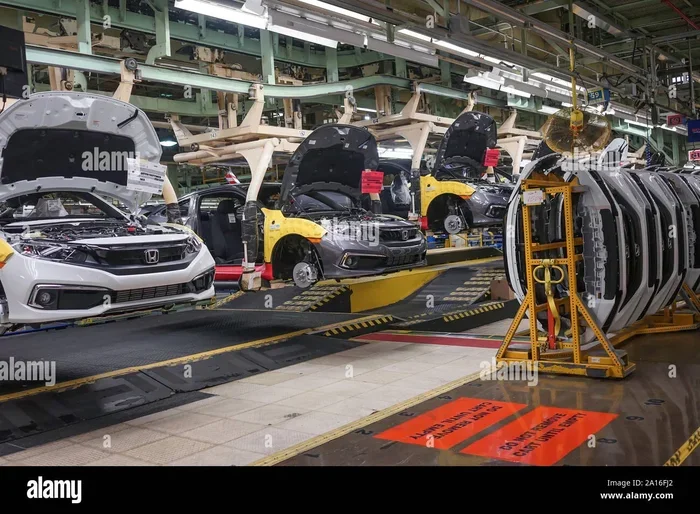
Honda also expanded its manufacturing beyond Japan. New assembly plants opened in the United States and the United Kingdom. This helped Honda meet growing demand in key markets. The Civic was becoming a truly global car.
Fourth Generation (1987-1991)
The fourth generation Civic was sleeker and more aerodynamic. Honda offered sedan, coupe, and wagon body styles. The Si trim became a fan favorite for its sporty tuning. Honda produced approximately 2.2 million units during this generation.
This era also saw the introduction of fuel injection across the lineup. The Civic became even more efficient and powerful. It competed well against the Toyota Corolla and other popular compact cars.
Fifth Generation (1991-1995)
The fifth generation Civic was a huge hit. It had a modern design and a range of engine options. The VTI and Si models offered high-performance driving. Honda built over 2.5 million fifth-generation Civics.
This was also the era when the Civic started to gain a strong following among young buyers and car enthusiasts. The lightweight chassis and responsive handling made it a favorite for tuning and aftermarket upgrades. Honda also introduced the Civic del Sol during this period, a targa-top variant that added style to the lineup.
Sixth Generation (1995-2000)
The sixth generation Civic continued the success story. Honda offered a wide range of trims from the economy CX to the performance Type R. The Type R became a cult favorite among driving enthusiasts. Total production for this generation reached about 2.6 million units.
The Civic also became more refined in this generation. Honda improved ride quality and interior comfort. The car still felt sporty but became more practical for daily driving. This broad appeal helped the Civic sell well across different demographics.
Seventh Generation (2000-2005)
The seventh generation Civic was larger than ever before. Honda aimed to make it more premium. The design was more rounded and polished. However, some enthusiasts felt it lost the raw edge of earlier models. Honda produced around 2.8 million seventh-generation Civics.
This generation introduced the Civic Hybrid, which was a significant step for Honda. The hybrid version offered excellent fuel economy and helped Honda meet tightening emissions regulations. The seventh-gen Civic also became one of the best-selling cars in the US market.
Eighth Generation (2005-2011)
The eighth generation Civic was a bold redesign. Honda went with a more streamlined look. The car was lighter and more efficient. However, some buyers felt the ride was too firm. Despite mixed reviews, Honda sold approximately 2.7 million eighth-generation Civics.
This generation also saw the introduction of the Civic Si sedan and the Civic Type R in markets outside the US. The Si offered a taste of performance at an affordable price. Honda also expanded production to Mexico and China during this era to meet global demand.
Ninth Generation (2011-2015)
The ninth generation Civic was a response to the financial crisis. Honda focused on cutting costs while maintaining quality. The car was lighter and more fuel-efficient. Honda produced around 2.3 million ninth-generation Civics.
This generation offered a range of engines from a 1.8-liter four-cylinder to a 2.4-liter for the Si trim. The interior was more spacious and refined. Honda also added more standard safety features. The Civic continued to be a top choice for first-time car buyers and families alike.
Tenth Generation (2015-2021)
The tenth generation Civic was a major leap forward. Honda gave it a sporty, coupe-like design. The car was built on a new lightweight platform. It offered a 2.0-liter engine and a 1.5-liter turbocharged option. The Type R version was a track-ready beast. Honda built approximately 3 million tenth-generation Civics.
This generation was very well received by both critics and buyers. The Civic won multiple awards for its design and driving dynamics. Honda also introduced the Civic hatchback in the US market. The sedan and hatchback versions offered different styles for different tastes. Older Honda Civics did not have Bluetooth, but the tenth generation brought modern connectivity features that buyers expected.
Eleventh Generation (2022-Present)
The latest Civic generation continues Honda’s success. It features a sleek design, advanced technology, and a 2.0-liter engine as the base. The Type R version pushes over 300 horsepower. Honda has already sold over 1.5 million eleventh-generation Civics and the number keeps growing.
The current Civic offers a hybrid variant in some markets. This shows Honda’s commitment to electrification. The eleventh generation also features improved safety tech and a more refined interior. It competes strongly against the Toyota Corolla, Hyundai Elantra, and Mazda3.
Total Honda Civic Production Numbers by Generation
Let us look at the big picture. Here is a breakdown of Honda Civic production numbers by generation.
| Generation | Years | Approximate Units Produced |
|---|---|---|
| 1st | 1972-1979 | 1.5 million |
| 2nd | 1979-1983 | 1.8 million |
| 3rd | 1983-1987 | 2.0 million |
| 4th | 1987-1991 | 2.2 million |
| 5th | 1991-1995 | 2.5 million |
| 6th | 1995-2000 | 2.6 million |
| 7th | 2000-2005 | 2.8 million |
| 8th | 2005-2011 | 2.7 million |
| 9th | 2011-2015 | 2.3 million |
| 10th | 2015-2021 | 3.0 million |
| 11th | 2022-Present | 1.5 million+ |
The total adds up to over 27 million units. This makes the Honda Civic one of the best-selling cars in automotive history. The numbers show consistent demand across every generation. Honda has managed to keep the Civic relevant for over five decades.
Production numbers have varied based on market conditions. The seventh and tenth generations were the highest sellers. This was partly due to strong marketing and competitive pricing. Honda also expanded production capacity during these periods to meet demand.
Where Were Honda Civics Manufactured
Honda built Civics in many countries around the world. This global production strategy helped the car reach every major market. Here are the key manufacturing locations.
Japan
Japan is where it all started. The first Honda Civics were assembled in Suzuka and other Honda plants. Japan remains a major production hub for the Civic. Many high-performance variants like the Type R are still built in Japan.
United States
Honda started building Civics in the US in the 1980s. The Marysville, Ohio plant is the primary US facility. This plant produces most Civics sold in North America. Building cars locally helped Honda avoid tariffs and respond faster to market demand.
United Kingdom
Honda operated a factory in Swindon, England for many years. This plant produced Civics for the European market. However, Honda announced the closure of the Swindon plant in 2021 due to Brexit-related challenges and shifting market conditions.
Thailand and Mexico
Honda also builds Civics in Thailand and Mexico. These plants serve the Asia-Pacific and Latin American markets. Thailand is a key hub for Honda in Southeast Asia. Mexico helps Honda meet North American demand efficiently.
Having multiple production sites gives Honda flexibility. It allows the company to adjust output based on regional demand. This strategy has been key to the Civic’s global success.
Why the Honda Civic Became So Popular
The Civic’s popularity did not happen by accident. Several factors contributed to its massive sales numbers.
Reliability is at the top of the list. Honda Civics are known for lasting a long time with proper maintenance. Many owners have driven their Civics well past 200,000 miles. This reliability builds trust and encourages repeat buyers.
Fuel efficiency is another major factor. The Civic has always been a frugal car. Even the performance-oriented versions offer good mileage. In an era of rising fuel prices, this matters a lot to buyers.
Affordability plays a big role too. The Civic has always been priced within reach of average buyers. It offers strong value for the money. You get a lot of car for a reasonable price.
Fun to drive is something that sets the Civic apart. Many compact cars feel boring. The Civic does not. It has responsive steering and a engaging driving feel. This appeals to a wide range of buyers from daily commuters to car enthusiasts.
Strong resale value also helps. A used Honda Civic holds its value well. This makes it a smart financial choice for buyers. People feel confident buying a Civic knowing it will last.
Continuous improvement keeps the Civic fresh. Honda updates the car with each generation. New technology, better safety features, and refined design keep buyers interested. The Civic never feels outdated.
Honda Civic Production Today and Beyond
Honda continues to produce the Civic at a strong pace. The eleventh generation is selling well globally. However, the automotive industry is changing rapidly. Electric vehicles are gaining market share. Honda has announced plans to go electrified.
The Civic Hybrid is already available in some markets. Honda may introduce a fully electric version in the future. This would mark a new chapter for the Civic. The core values of efficiency and fun would remain.
Production numbers may shift as Honda adjusts its global strategy. New factories and updated plants will play a role. The Civic will need to compete with emerging electric compact cars. But with over 50 years of success behind it, the Civic is well positioned.
One thing is certain. The Honda Civic has left an indelible mark on automotive history. No other compact car has matched its longevity and sales. As long as Honda keeps building a car that people love, the Civic will continue to thrive.
The cost of a brand new car varies widely, but the Civic has always offered strong value. This value proposition has been central to its massive production numbers. Buyers get a car that delivers on every promise Honda makes.
Quick Tips for Honda Civic Buyers
- Check the generation: Each generation has its own strengths. Research which one fits your needs best.
- Consider your budget: New Civics range from around $23,000 to $35,000 depending on the trim.
- Look at fuel economy: The hybrid version offers the best mileage if that matters to you.
- Test drive multiple trims: The Si and Type R offer very different driving experiences.
- Check local availability: Some trims or variants may not be available in all markets.
- Consider used options: Earlier generations offer great value and proven reliability.
Common Mistakes When Buying a Honda Civic
- Skipping the test drive: Always drive the car before buying. Each generation feels different.
- Ignoring maintenance history: A used Civic’s condition depends heavily on how well it was maintained.
- Overlooking insurance costs: Sportier trims like the Si and Type R may have higher insurance premiums.
- Not comparing trims: Honda offers many trims with different features. Compare carefully to get the best value.
- Forgetting about resale: Even though Civics hold value well, mileage and condition still matter.
Expert Insights on Honda Civic Production
Automotive analysts point to several reasons for the Civic’s enduring success. First, Honda understood its audience from day one. The company built a car for regular people, not just enthusiasts. This broad appeal drove massive sales.
Second, Honda invested in quality manufacturing. The Civic had to be reliable. Honda’s factory processes ensured consistent build quality. This reputation for quality became a self-reinforcing cycle. Happy buyers told friends. More buyers meant higher production numbers.
Third, Honda adapted to changing times. When fuel prices rose, the Civic got more efficient. When buyers wanted more features, Honda added them. When the market shifted toward SUVs, Honda kept the Civic relevant with fresh design and technology. This adaptability is rare in the auto industry.
Fourth, the Civic has a strong emotional connection with owners. It is not just a car. It is a symbol of independence, practicality, and smart choices. This emotional bond keeps buyers coming back generation after generation.
Key Takeaways
- Over 27 million Honda Civics have been produced since 1972.
- 11 generations have kept the Civic fresh and relevant for over five decades.
- Global production in Japan, the US, the UK, Thailand, and Mexico helped the Civic reach every market.
- The tenth generation is the highest-selling with approximately 3 million units.
- Reliability, efficiency, and affordability are the core reasons for the Civic’s massive success.
- Future plans include hybrid and potentially fully electric variants to keep the Civic competitive.
- The Civic remains one of the best-selling cars in history and shows no signs of slowing down.
Conclusion
The answer to how many Honda Civics were made is over 27 million units. This number reflects more than five decades of continuous production and global success. From the first generation in 1972 to the current eleventh generation, the Civic has been a constant presence in the automotive world.
Each generation brought something new. Better engines, refined design, advanced technology, and improved safety. Honda never stopped improving the Civic. This commitment to progress is why the car has sold so well for so long.
The Honda Civic is more than just a car. It is a symbol of smart, practical driving. It represents Honda’s core values of quality, efficiency, and fun. Whether you are buying your first car or your fifth, the Civic delivers.
If you are considering a Honda Civic, you are joining a massive community of satisfied owners. The numbers speak for themselves. The Civic is one of the best choices in the compact car segment. Its production history proves that Honda built a car the world truly loves.
With over 27 million units produced, the Honda Civic has earned its place in automotive history. And with Honda’s commitment to innovation, the next chapter of the Civic story is going to be just as exciting.
Frequently Asked Questions
What is the total number of Honda Civics ever made?
Honda has produced over 27 million Honda Civics since the first model rolled off the line in 1972. This makes it one of the best-selling cars in automotive history. Production continues to grow with each new generation.
Which Honda Civic generation sold the most units?
The tenth generation (2015-2021) is estimated to be the highest-selling with around 3 million units. The seventh generation also performed very well with approximately 2.8 million units. Sales vary based on market conditions and competition.
Where are Honda Civics manufactured today?
Honda builds Civics primarily at its Marysville, Ohio plant in the United States. Additional production takes place in Japan, Thailand, and Mexico. Each facility serves specific regional markets to optimize efficiency and reduce costs.
How long has Honda been making the Civic?
Honda has been producing the Civic since 1972. That is over 50 years of continuous production. The car has gone through 11 major generations during this time, each bringing updates and improvements.
Is the Honda Civic still a popular car today?
Yes, the Honda Civic remains one of the most popular compact cars in the world. The eleventh generation launched in 2022 and has already sold over 1.5 million units. Its combination of reliability, efficiency, and fun-to-drive character keeps it in high demand.
Will Honda make an electric version of the Civic?
Honda has already introduced a Civic Hybrid variant in select markets. While a fully electric Civic has not been confirmed yet, Honda is actively working on electrification across its lineup. The company has stated its goal to have electric vehicles make up a significant portion of sales by 2030.