How Does Toyota Auto High Beam Work Simply Explained
Toyota Auto High Beam uses smart sensors to detect oncoming traffic and automatically switch between high and low beams. This system boosts night driving safety and takes the guesswork out of headlight control. Here we break down exactly how it works, how to use it, and why it matters.
Driving at night can be stressful. You flip your high beams to see better, and then — boom — an oncoming car flashes you blind. It is a cycle that repeats over and over. But what if your car could handle all of that for you? That is exactly what Toyota Auto High Beam does. This smart system takes the hassle out of switching between high and low beams. It uses sensors and cameras to read the road ahead. Then it adjusts your headlights on its own. In this guide, we will walk through exactly how Toyota Auto High Beam works in plain, simple terms. Whether you are a new Toyota owner or just curious about this feature, you are in the right place.
The auto high beam system is one of those features that you do not realize you need until you have it. It gives you better visibility without blinding other drivers. Toyota has been refining this technology across many of its models. From the Camry to the RAV4 and beyond, this system helps drivers stay safe after dark. Let us dive into the details and explore every part of how this clever system operates.
Key Takeaways
- Sensor-Based Detection: Toyota Auto High Beam relies on a camera or sensor mounted near the rearview mirror to spot oncoming and preceding vehicles.
- Automatic Switching: The system flips between high and low beams without any driver input, making night driving much easier.
- Easy Activation: You can turn it on with a simple lever or button action, depending on your Toyota model.
- Improved Safety: Better road visibility reduces the risk of accidents during nighttime and low-light conditions.
- Common Issues Exist: Dirt on sensors, system errors, or incorrect settings can cause the feature to malfunction.
- Works With Other Toyota Safety Tech: Auto High Beam pairs well with other Toyota driver-assist features for a smarter driving experience.
📑 Table of Contents
- What Is Toyota Auto High Beam?
- Key Components of the Auto High Beam System
- How to Activate Toyota Auto High Beam
- Benefits of Toyota Auto High Beam
- Common Issues and Troubleshooting
- How Toyota Auto High Beam Compares to Manual High Beam
- Tips for Getting the Most Out of Auto High Beam
- Final Thoughts on Toyota Auto High Beam
What Is Toyota Auto High Beam?
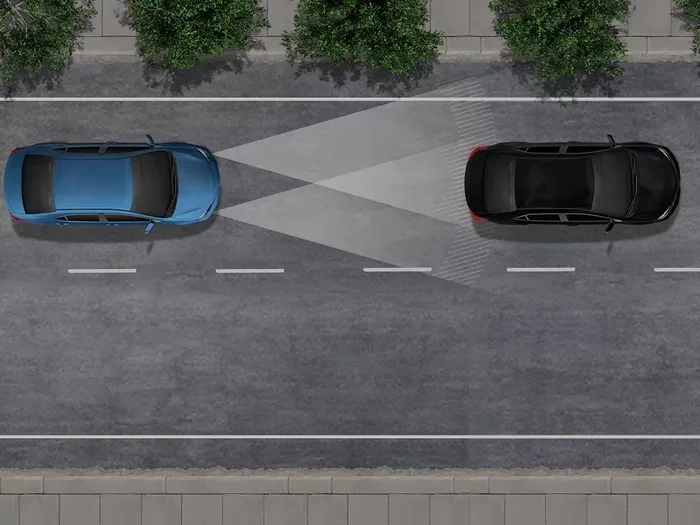
Toyota Auto High Beam is an advanced lighting feature. It automatically controls your headlight beam settings based on surrounding traffic. The system uses a forward-facing camera or sensor to detect vehicles ahead. When it spots no oncoming or preceding traffic, it switches to high beams. When it detects another vehicle, it switches back to low beams. All of this happens in seconds. You do not need to lift a finger.
The main goal is simple: give you the best possible visibility while keeping other drivers safe from glare. Toyota Auto High Beam removes the guesswork from nighttime driving. You no longer have to remember to toggle your beams on and off. The car does it for you. This feature is part of Toyota’s broader commitment to driver safety and convenience technology.
How Does the Auto High Beam System Work?
Here is a step-by-step look at what happens behind the scenes. The system starts with a small camera or sensor. It is usually mounted near the rearview mirror, behind the windshield. This camera constantly scans the road ahead. It looks for headlights of oncoming vehicles and taillights of cars in front of you.
When the camera detects no other vehicles, it sends a signal to the headlight control module. The module then switches your headlights to high beam. This gives you full visibility down the road. As soon as the camera spots another vehicle, it sends another signal. The headlights switch back to low beam. This entire process takes less than a second.
The system is designed to be seamless. You get the brightness of high beams when you need them and the safety of low beams when others are near. It is a smart balance that makes nighttime driving much more comfortable and safer for everyone on the road.
Key Components of the Auto High Beam System
To understand how Toyota Auto High Beam works, it helps to know the parts involved. Each component plays a specific role in making the system function properly.
The Forward-Facing Camera
The camera is the brain of the operation. It sits at the top of the windshield, usually near the rearview mirror. Its job is to monitor the road for other vehicles. It can detect the bright dots of oncoming headlights and the red glow of brake lights ahead. The camera processes this information in real time and tells the system when to switch beams.
The Headlight Control Module
This is the electronic brain that receives signals from the camera. When it gets the go-ahead, it switches the headlights between high and low beam. The module controls the electrical current to the headlight bulbs or LEDs. It makes the switch fast and smooth so you barely notice it happening.
The Headlight Bulbs or LEDs
The actual lights do the work. Toyota vehicles use either halogen bulbs, LED headlights, or bi-LED headlights. LED and bi-LED options are more common in newer models. They respond faster and last longer than traditional halogen bulbs. The type of bulb can affect how quickly and smoothly the auto high beam system switches.
The Dashboard Indicator Light
Your Toyota has a small light on the dash that shows when auto high beam is active. It usually looks like a blue headlight icon. This tells you the system is working and monitoring the road. If the light is off, the system is either turned off or not functioning properly.
How to Activate Toyota Auto High Beam
Turning on Toyota Auto High Beam is simple. The process is slightly different depending on your model, but the general steps are the same. Most Toyota vehicles use a lever on the steering column or a button on the instrument panel.
Here is the typical activation process:
- Step 1: Start your Toyota and make sure the headlights are on.
- Step 2: Look for the headlight lever on the left side of the steering column.
- Step 3: Push the lever forward or pull it toward you to the auto position. You will hear or feel a slight click.
- Step 4: Check the dashboard for the blue auto high beam indicator light.
- Step 5: Drive and let the system do its job.
Once activated, the system takes over. You can still manually switch to low beam if needed by pulling the lever toward you briefly. This is called the “flash to pass” feature. It overrides the auto system temporarily. When you release the lever, it returns to auto mode.
For models where the auto high beam is part of a broader safety package, it may activate automatically when you turn on the headlights. Check your owner’s manual for model-specific details. The Toyota owner’s manual will walk you through the exact steps for your vehicle.
Benefits of Toyota Auto High Beam
The auto high beam Toyota feature offers several real advantages for everyday drivers. Here is why this system is worth having:
Better Nighttime Visibility
The biggest benefit is clear. You can see more of the road at night. High beams light up the road much farther than low beams. With the auto system, you get to enjoy that extra visibility without worrying about blinding other drivers. This is especially helpful on dark rural roads or highways with no streetlights.
Reduced Driver Fatigue
Driving at night can be tiring. Constantly switching between high and low beams adds to the mental load. The auto system removes this distraction. You can focus on the road instead of fumbling with your headlights. Over long night drives, this can make a big difference in how alert and comfortable you feel.
Improved Safety for Everyone
When you use high beams incorrectly, you can blind other drivers. This creates a dangerous situation. The auto system ensures your high beams are only on when it is safe. It protects oncoming drivers and the cars ahead of you. This is a win-win for road safety.
Convenience and Ease of Use
You set it once and forget it. The system handles everything from that point on. No need to think about your headlights at all. This is especially great for drivers who frequently drive in varying light conditions, such as those who commute through both city and rural areas.
For more tips on driving safely at night and managing your headlights, you can also check out how to avoid high beams when driving in heavy traffic.
Common Issues and Troubleshooting
Like any electronic system, Toyota Auto High Beam can sometimes have issues. Most problems are easy to fix. Here are the most common ones and what you can do about them.
The Auto High Beam Indicator Is Not Lighting Up
If the blue light on your dash is not turning on, the system may not be activated. First, make sure you have pushed the lever into the auto position. If it still does not work, try turning the headlights off and back on. If the problem continues, there may be a sensor issue or a wiring problem.
The System Does Not Switch Beams Automatically
Sometimes the camera or sensor gets dirty. Mud, snow, or dust on the windshield near the rearview mirror can block the camera’s view. Clean that area carefully and see if the system starts working again. If cleaning does not help, the sensor may need to be replaced or recalibrated.
High Beams Stay On Even When There Is Traffic
This is a less common issue, but it can happen. It usually points to a faulty camera or a problem with the headlight control module. In this case, it is best to visit a Toyota dealership or a trusted mechanic. They can run a diagnostic check and pinpoint the exact problem.
System Turns Off by Itself
If the auto high beam keeps turning off unexpectedly, check your fuse box. A blown fuse can interrupt the system. Also, make sure your battery is in good condition. A weak battery can cause electronic systems to behave erratically.
For a deeper look at headlight-related issues, you might find it helpful to learn about how to turn off automatic high beams if you ever need to disable the feature temporarily.
How Toyota Auto High Beam Compares to Manual High Beam
Let us put it in perspective. Manual high beam means you decide when to switch. Auto high beam means the car decides for you. Here is how they stack up:
- Manual High Beam: You control when it is on and off. It gives you full control but requires constant attention.
- Auto High Beam: The car handles the switching. It is faster, more consistent, and less distracting.
For most drivers, the auto system is the better choice. It takes one more thing off your plate while driving. You get the same visibility benefits without the mental effort. And if you ever need to take manual control, you can always flash your high beams by pulling the lever briefly.
Knowing when to use each mode is important. In heavy city traffic, you may want to keep the system on but be ready to manually switch to low beam. On open highways at night, let the auto system do the work. It will adjust perfectly to the changing traffic around you.
Tips for Getting the Most Out of Auto High Beam
Want to make sure your Toyota Auto High Beam system works at its best? Follow these simple tips:
- Keep the windshield clean near the camera area. A dirty windshield can block the sensor’s view.
- Replace bulbs on time. Dim or burned-out bulbs can confuse the system’s readings.
- Check the dashboard indicator regularly. Make sure the blue light comes on when you activate the system.
- Have the system checked during routine service. A Toyota technician can inspect the camera and sensors during your regular maintenance visits.
- Do not modify your headlights. Aftermarket changes can interfere with the auto high beam system’s calibration.
These small steps go a long way in keeping your auto high beam system running smoothly. A well-maintained system gives you reliable performance every time you drive at night.
Final Thoughts on Toyota Auto High Beam
The Toyota Auto High Beam system is a great example of smart automotive technology. It does something simple but very important — it makes night driving safer and easier. The system uses a camera, a control module, and your headlights to create a seamless experience. You get better visibility without the hassle of manual switching.
Whether you drive a new Toyota or are considering buying one, this feature is well worth appreciating. It works quietly in the background and makes a real difference every time you hit the road after dark. Understanding how it works helps you use it better and troubleshoot issues when they come up.
If you are interested in other Toyota smart features, you might want to explore how to set up auto text when driving to learn more about Toyota’s driver-assist technology. Also, for tips on managing your lights in different driving situations, check out how to avoid high beams in challenging traffic conditions.
Take a moment to explore your Toyota’s features. Read the manual, play with the settings, and get comfortable with how everything works. The more you know about your car, the safer and more confident you will be behind the wheel. Toyota Auto High Beam is just one of many tools that make modern driving better, smarter, and safer for everyone.
Frequently Asked Questions
What is Toyota Auto High Beam?
Toyota Auto High Beam is a system that automatically switches your headlights between high and low beam based on surrounding traffic. It uses a forward-facing camera to detect oncoming and preceding vehicles and adjusts your beams accordingly without any driver input.
How do I turn on Toyota Auto High Beam?
To activate the system, push the headlight lever on the steering column into the auto position. You will see a blue indicator light on the dashboard confirming the system is on. Refer to your Toyota owner’s manual for model-specific instructions.
Can I manually override the Auto High Beam system?
Yes, you can. Pull the headlight lever toward you briefly to flash your high beams, which temporarily overrides the auto system. When you release the lever, it returns to automatic mode. This is useful for signaling or passing other vehicles.
Why does my Auto High Beam not work properly?
Common reasons include a dirty windshield near the camera, a blown fuse, a weak battery, or a faulty sensor. Cleaning the windshield area and checking your fuses often solves the problem. If issues persist, visit a Toyota dealership for a professional diagnosis.
Does Auto High Beam work in all Toyota models?
Not all Toyota models come standard with Auto High Beam. It is more common in higher trims and newer models. Check your vehicle’s features or owner’s manual to confirm whether your Toyota has this system available.
Is Auto High Beam the same as adaptive headlights?
They are related but not the same. Auto High Beam switches between high and low beams based on traffic detection. Adaptive headlights swivel or adjust their angle based on steering input. Some Toyota models offer both features as part of a comprehensive safety package.
=== CONCLUSION ===
Toyota Auto High Beam is a smart, reliable feature that makes night driving safer and more convenient. It handles the constant switching between high and low beams so you do not have to. The system uses a camera, sensors, and a control module to read the road and adjust your headlights in real time. With benefits like better visibility, reduced driver fatigue, and improved safety for everyone on the road, it is easy to see why this feature is so valuable. Keep your sensors clean, stay on top of maintenance, and enjoy the confidence that comes with knowing your headlights are working automatically. Toyota Auto High Beam is one of those features that quietly does its job and makes every night drive a little bit better.