How Do You Avoid High Beams And Prevent Dangerous Glare
Avoiding high beams is essential for safe nighttime driving. You can prevent dangerous glare by using low beam settings, adjusting dashboard controls, and leveraging automatic high beam technology. This guide covers practical methods to reduce headlight glare, protect your eyes, and stay safe on the road after dark.
Driving at night can be beautiful, but it also comes with real dangers. High beams are powerful, but they can blind other drivers and create serious headlight glare on the road. Knowing how to avoid high beams and manage your vehicle’s lighting system is one of the most important skills for nighttime driving safety. In this guide, we will walk you through every method, tip, and strategy you need to prevent dangerous glare and stay safe on dark roads.
Whether you are a new driver or someone who spends hours on the road after sunset, understanding glare reduction techniques will change the way you drive at night. We will cover everything from basic dashboard controls to advanced adaptive headlights. By the end of this article, you will have a clear plan to protect your eyes, respect other drivers, and improve your overall road visibility.
Let us be honest. Nobody enjoys being blinded by blinding headlights coming from the opposite direction. And nobody wants to be the driver causing that problem either. The good news is that avoiding high beams is simple once you know the rules, the controls, and the right habits. This article breaks it all down in plain, easy-to-follow steps.
Key Takeaways
- Switch to low beams: Always use low beam settings when following other vehicles or facing oncoming traffic.
- Use automatic high beams: Modern vehicles offer adaptive headlights that adjust automatically for glare reduction.
- Adjust your mirrors: An anti-glare rearview mirror and properly aligned headlights make a big difference.
- Follow driving etiquette: Flash your high beams once to alert others, then dim immediately.
- Protect your eyes: Nighttime driving glasses can help reduce glare fatigue and improve road visibility.
- Maintain your vehicle lighting system: Proper headlight alignment and clean lenses ensure safe light output.
- Know your dashboard controls: Understanding your vehicle’s light settings helps you react quickly in dark conditions.
📑 Table of Contents
Understanding High Beams And Why They Cause Glare
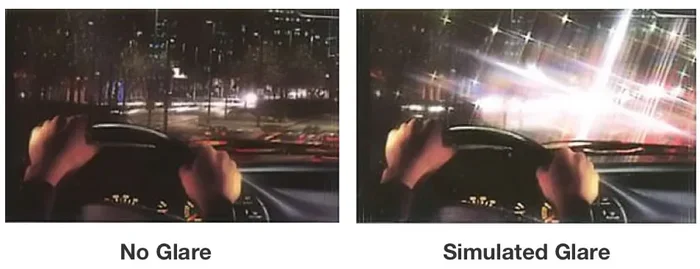
Before we dive into solutions, let us understand the problem. High beams point straight ahead and upward, lighting up the road far ahead. This is great on empty highways at night. But in town, on curved roads, or when other cars are around, high beams create a serious hazard. The intense light bounces off rearview mirrors, windshields, and even road signs, causing temporary blindness.
When your eyes are hit by a sudden burst of bright light, your pupils shrink. It takes several seconds for your vision to recover. Those few seconds of glare fatigue can be enough to cause an accident. Night driving safety depends heavily on how well you can see and how little you interfere with other drivers’ vision.
How High Beams Work
Your vehicle’s vehicle lighting system includes both low and high beam settings. Low beams angle downward and illuminate the road closer to your car. High beams shoot straight out and can reach much farther. Most cars have a simple lever or button on the steering column to switch between them. Understanding this basic function is the first step toward better driving etiquette at night.
The Science Behind Glare
Glare happens when bright light enters your eyes at an uncomfortable angle. Light sensitivity varies from person to person. Some drivers are more affected by headlight glare than others, especially those with cataracts or astigmatism. The anti-glare mirror in your car helps, but it cannot fix everything. That is why managing your own lights and knowing how to react to others’ lights is so important.
How To Avoid High Beams When Driving At Night
The most effective way to avoid high beams is to build the habit of using the right setting for every situation. Here are the key rules and scenarios where you should switch to low beams.
When You Are Following Another Vehicle
Always drop to low beam settings when you are behind another car. High beams reflect off the rearview mirror of the car ahead and blind the driver. A good rule of thumb is this: if you can see the taillights of the car in front of you clearly in your mirror, your high beams are likely hitting them. Switch down immediately.
When You Meet Oncoming Traffic
When you see headlights approaching from the opposite direction, dim your lights. This is basic driving etiquette and it is also the law in most places. Even on dark, two-lane roads, you should switch to low beams when an oncoming vehicle is within about 500 feet. This simple act protects everyone on the road.
In Fog, Rain, Or Snow
Many drivers think high beams help in bad weather. The opposite is true. In fog, rain, or snow, high beams bounce off water droplets and create a wall of white light right in front of you. Use fog lights or low beams instead. This dramatically improves your road visibility without adding to the glare for yourself or others.
In Well-Lit Urban Areas
City streets and suburban roads are usually well-lit by streetlights. There is almost never a reason to use high beams in town. Keep your lights on low beam to avoid bothering pedestrians, cyclists, and other drivers. This is one of the easiest ways to practice nighttime driving safety.
- Check your dashboard controls regularly so you know exactly where the high beam switch is.
- Make it a habit to start every night drive on low beams and only switch up when needed.
- If you are unsure whether your lights are on high or low, look at your instrument panel. Most cars show a blue icon when high beams are active.
Adjusting Your Vehicle’s Lighting System
Your car’s vehicle lighting system plays a huge role in how much glare you produce and how well you see. Proper adjustment makes a real difference in glare reduction and overall night driving safety.
Headlight Alignment
Over time, headlights can shift out of alignment. A headlight that points too high will blind oncoming drivers even on low beam. Visit a mechanic or use a wall test at home to check your headlight alignment. The top of the low beam should be at or slightly below the center of the headlight lens. Proper alignment is one of the most overlooked aspects of driving safety.
Clean Your Headlights
Dirty, cloudy headlights scatter light and create uneven glare. Over time, UV exposure causes the plastic lens to oxidize and turn foggy. A simple cleaning or restoration kit can restore clarity and improve your road visibility significantly. Clean lenses also help your low beams do their job properly without spilling light into other drivers’ eyes.
Use the Correct Bulb Type
Not all headlight bulbs are created equal. Halogen bulbs are standard and affordable. LED and xenon (HID) bulbs are brighter but can cause more headlight glare if not properly housed. If you upgrade your bulbs, make sure they are DOT-approved and correctly aimed. Using the wrong bulb type is a common mistake that leads to dangerous glare fatigue for everyone on the road.
| Bulb Type | Brightness | Glare Risk | Best For |
|---|---|---|---|
| Halogen | Moderate | Low | Daily driving, urban areas |
| LED | High | Medium | Highway driving, modern vehicles |
| Xenon (HID) | Very High | High | Open roads, with proper housing |
Dealing With Other Drivers’ High Beams
You can control your own lights, but you cannot control what other drivers do. Here is how to handle blinding headlights from oncoming or preceding vehicles.
Look Toward the Right Edge of the Road
If an oncoming driver has their high beams on, do not look directly at their headlights. Instead, shift your gaze toward the right side of your lane and use the white edge line as your guide. This protects your eyes from direct light and helps you stay on course until the vehicle passes.
Adjust Your Rearview Mirror
Most cars have a manual lever at the bottom of the rearview mirror. Flipping this lever changes the mirror angle and reduces the glare from vehicles behind you. This simple trick, known as the anti-glare mirror trick, is one of the easiest ways to reduce glare fatigue during long night drives.
Flash Your High Beams Once
If the driver ahead of you has their high beams on and you cannot see the road clearly, a quick flash of your own high beams can alert them. But do not keep your high beams on in return. Flash once, then return to your low beams. This is a universally understood signal for driving etiquette and it keeps things calm on the road.
Advanced Technologies That Help Prevent Glare
Modern vehicles come packed with technology designed to make nighttime driving safer and easier. Understanding these features can help you fully utilize your car’s capabilities.
Automatic High Beams
Automatic high beams use a sensor to detect oncoming traffic and vehicles ahead. When the sensor sees another car, the system automatically switches you to low beams. When the road is clear, it switches back to high beams. This technology is a game-changer for glare reduction because you never have to think about switching. If your car has this feature, make sure it is turned on.
Adaptive Headlights
Adaptive headlights swivel with your steering wheel, lighting up curves and turns. They do not directly reduce glare, but they improve your road visibility without needing high beams as often. If you are shopping for a new vehicle, look for models with adaptive headlight alignment and automatic dimming features.
Night Driving Glasses
Specialized nighttime driving glasses with anti-reflective coatings can help reduce the impact of headlight glare. These glasses are especially helpful for drivers with light sensitivity. While they are not a replacement for proper lighting habits, they add an extra layer of comfort during long night drives.
Rearview Mirror Auto-Dimming
Many newer vehicles come with auto-dimming rearview mirrors. These mirrors use sensors to detect bright light from behind and darken the mirror automatically. This is one of the best features for reducing glare fatigue when you are stuck in heavy traffic at night. If your car does not have this, an aftermarket auto-dimming mirror is a worthwhile upgrade.
Common Mistakes That Increase Glare
Even experienced drivers make mistakes that increase headlight glare for themselves and others. Here are the most common errors and how to fix them.
Leaving High Beams On by Default
Some drivers forget to switch from high to low beams after passing another vehicle or when entering a town. This is one of the most common causes of blinding headlights. Make it a habit to check your dashboard controls every time you start driving at night.
Overloading Your Vehicle With Upright Lights
Aftermarket light bars, LED strips, and fog lights that are not properly installed can create excessive glare. If you add any lighting upgrades, ensure they are DOT-approved and properly aimed. Unregulated lights are a safety hazard and can blind other drivers.
Ignoring Dirty or Damaged Lenses
Cloudy, yellowed headlight lenses do not just look bad. They scatter light in unpredictable directions, creating glare for everyone. Regular cleaning and timely restoration of your vehicle lighting system keeps your lights performing as designed.
Not Using Fog Lights Correctly
Fog lights are designed to sit low and cut through mist and fog. Using them in clear weather adds unnecessary light pollution and can bother drivers in front of you. Only use fog lights when weather conditions actually require them.
Quick Tips For Safer Nighttime Driving
Here are some extra tips to keep in mind every time you drive after dark:
- Clean your windshield inside and out. Streaks and smudges scatter light and increase glare.
- Keep your eyes moving. Do not stare at the lights of oncoming cars. Scan the road ahead to stay alert.
- Take breaks on long night drives. Glare fatigue builds up over time. A 10-minute rest every two hours helps your eyes recover.
- Keep your dashboard lights dim. Bright dashboard displays can affect your night vision. Most cars have a dimmer switch for this purpose.
- Maintain a safe following distance. This gives you more time to react if the driver ahead suddenly dims or switches off their lights.
- Know your vehicle’s controls. Familiarize yourself with the dashboard controls for your lighting system before you need them in the dark.
Nighttime driving does not have to be stressful. With the right habits, a well-maintained vehicle lighting system, and a little awareness, you can significantly reduce headlight glare and stay safe on the road. The goal is simple: see clearly, and do not blind others.
Remember, avoiding high beams is not just about following rules. It is about respect. Every driver on the road deserves to feel safe. When you dim your lights, you are showing consideration for the person in the car coming toward you, the driver behind you, and yourself. That small gesture goes a long way in making our roads safer for everyone.
Take a moment right now to check your headlights, adjust your mirrors, and review your dashboard controls. These few minutes of preparation can make every night drive safer and more comfortable. Glare reduction starts with you, and the roads will be better for it.
Frequently Asked Questions
How do you switch from high beams to low beams while driving?
Most vehicles have a lever on the left side of the steering column. Push or pull the lever toward you to toggle between high and low beams. Check your owner’s manual if you are unsure. Always switch to low beams when you are within 500 feet of another vehicle.
Why do high beams blind other drivers so easily?
High beams are angled straight ahead and upward, which means the light hits the rearview mirror and windshield of oncoming drivers directly. The bright light overwhelms the pupils and causes temporary vision loss. This is why driving etiquette and proper headlight alignment are so important for everyone’s safety.
Are automatic high beams worth the extra cost?
Yes, absolutely. Automatic high beams use sensors to detect other vehicles and switch your lights for you. This removes the guesswork and helps you avoid high beams at the wrong time. Many modern cars come with this feature standard, and it is one of the best investments for night driving safety.
Can dirty headlights cause more glare?
Yes. Cloudy or oxidized headlight lenses scatter light in random directions instead of focusing it on the road. This creates uneven glare for other drivers and reduces your own road visibility. Cleaning or restoring your headlights is an easy and inexpensive way to improve your entire vehicle lighting system.
What should I do if an oncoming driver refuses to dim their high beams?
Look toward the right edge of your lane and use the road line as your guide. Do not look directly at their headlights. Slow down if needed and let the vehicle pass. If the driver continues to use high beams, a quick flash of your own lights can remind them to dim. Stay calm and prioritize your own safety.
How often should I check my headlight alignment?
It is a good idea to check your headlight alignment at least once a year or whenever you notice your beams seem too high or uneven. Headlights can shift after hitting a pothole or during regular wear. Proper alignment is a key part of glare reduction and nighttime driving safety.
=== CONCLUSION ===
Avoiding high beams is one of the simplest yet most impactful things you can do for safer nighttime driving. By using low beam settings in the right situations, maintaining your vehicle lighting system, and understanding your dashboard controls, you protect yourself and everyone around you. The tips in this article, from adjusting your anti-glare mirror to leveraging automatic high beams, give you practical tools to reduce headlight glare every time you drive after dark.
Remember that glare reduction is not just about technology. It is about habits, awareness, and respect for other drivers. Clean your headlights, align them properly, and always dim when needed. These small actions add up to a much safer driving experience for everyone on the road.
Take what you have learned here and apply it on your next night drive. Share this guide with a friend who struggles with nighttime driving safety. Together, we can make our roads safer, brighter, and glare-free. Drive safe, drive smart, and always keep your lights where they belong.