How Do You Avoid High Beams When Driving on Dark Roads
Knowing how do you avoid high beams is essential for safe night driving. This guide covers simple techniques, vehicle settings, and smart habits to prevent blinding other drivers. You will learn quick fixes, automatic features, and expert tips to keep your headlights properly adjusted on dark roads.
Driving on dark roads can feel intimidating. The last thing you want is to blind another driver with your headlights. Learning how do you avoid high beams is one of the simplest yet most overlooked skills on the road.
Many drivers either forget to dim their lights or do not know how their vehicle controls work. This leads to glare, accidents, and frustrated drivers. The good news is that avoiding high beams is easy once you understand the basics.
This guide walks you through every method, tip, and trick you need. Whether you drive an older car or a brand-new model, you will find practical advice here. Let us dive in and make night driving safer for everyone.
Key Takeaways
- Quick toggle method: Most vehicles let you switch from high to low beams with a simple lever pull or button press.
- Automatic high beam systems: Many modern cars come with smart headlights that adjust on their own.
- Manual adjustment matters: Proper headlight alignment prevents glare and improves your road visibility.
- Smart driving habits: Dimming early when you see oncoming traffic keeps everyone safe.
- Fog and rain need special care: High beams bounce off moisture and make things worse, not better.
- Dashboard indicators help: Watch for the blue high beam icon to know your current setting.
- Regular maintenance keeps lights working: Clean bulbs and aligned housings make a big difference at night.
📑 Table of Contents
- Why Avoiding High Beams Matters
- How Do You Avoid High Beams: The Basics
- Automatic High Beam Systems Explained
- Common Situations Where You Should Use Low Beams
- How to Adjust Your Headlights Properly
- Smart Driving Habits for Nighttime Safety
- What to Do When Other Drivers Forget to Dim
- High Beam Assist and Future Technology
- Common Mistakes Drivers Make with High Beams
- Key Takeaways
Why Avoiding High Beams Matters
High beams are powerful. They can light up a road several hundred feet ahead. That is great when you are driving alone. But when another car approaches, those bright lights become a serious problem.
When someone drives toward you with full high beams, your vision drops dramatically. You can barely see the road edges. Your eyes need several seconds to recover. In that time, you could miss a pedestrian, a curve, or an obstacle on the road.
The same goes for drivers behind you. Blinding them with your high beams means they cannot see your brake lights. This increases the risk of a rear-end collision. Avoiding high beams is not just courtesy. It is a safety necessity.
Studies show that glare from headlights contributes to many nighttime accidents. The National Highway Traffic Safety Administration reports that fatal crashes peak between midnight and 6 a.m. Proper headlight use plays a huge role in reducing that risk.
How Do You Avoid High Beams: The Basics
Most drivers learn this once and forget it. But a quick refresher never hurts. Understanding your vehicle’s headlight controls is the first step.
The Headlight Lever Method
In most cars, the headlight lever sits on the left side of the steering column. Here is how it works:
- Pull the lever toward you: This switches from low beams to high beams.
- Push the lever back: This returns the lights to low beams.
- Pull and hold: This flashes your high beams briefly to alert other drivers.
The lever usually springs back to its original position after you pull it. So when you release it, the high beams turn off automatically. This is the most common way to avoid high beams on dark roads.
Some older vehicles use a rotary switch on the dashboard instead. You simply turn it to the low beam position. Check your owner’s manual if you are unsure where your controls are.
The Button or Touch Controls
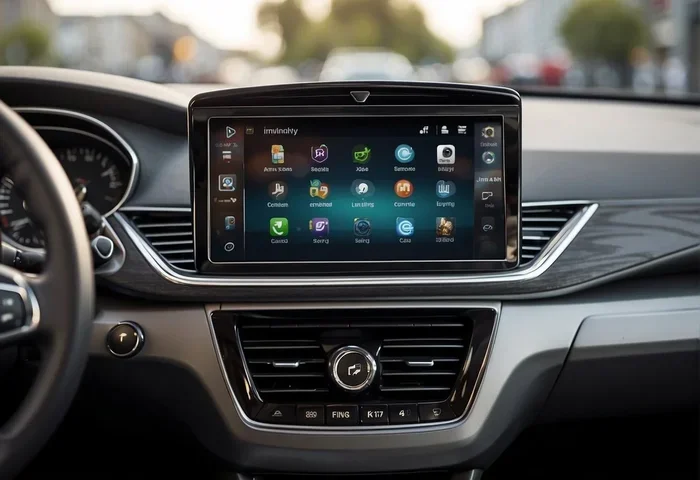
Many newer vehicles use buttons or touch panels for headlight control. These can be found on:
- The steering wheel controls
- The dashboard touchscreen
- A dedicated switch on the turn signal lever
Look for an icon that looks like a headlight with lines pointing outward. That is your high beam symbol. Tapping it once usually toggles between low and high beams. The dashboard will show a blue icon when high beams are active.
Quick Tip: Always glance at your dashboard before starting a night drive. Make sure you are on low beams. It takes just a second and saves everyone on the road from unnecessary glare.
Automatic High Beam Systems Explained
Modern vehicles come packed with smart features. One of the most helpful is the automatic high beam system. This technology takes the guesswork out of headlight management.
How Automatic High Beams Work
These systems use a camera or sensor mounted near the rearview mirror. The sensor detects light from other vehicles ahead. When it sees headlights or taillights, it automatically switches your lights to low beams.
When the road is clear, the system switches back to high beams. This gives you maximum visibility without any effort on your part.
You can usually tell if your car has this feature by looking at the headlight symbol on the dashboard. If it has a small “A” inside the headlight icon, you have automatic high beams.
Limitations of Automatic Systems
While automatic systems are great, they are not perfect. Here are some things to keep in mind:
- Weather affects sensors: Heavy rain or snow can confuse the camera.
- Dirty sensors reduce accuracy: A muddy sensor may not detect oncoming cars.
- They may not work on dimly lit roads: The system needs some contrast to work properly.
- Always stay alert: Do not rely entirely on automation. Your awareness is the best safety tool.
Even with automatic high beams, it is good practice to manually dim your lights when you see a car ahead. This ensures you are never caught off guard.
Common Situations Where You Should Use Low Beams
Knowing when to switch to low beams is just as important as knowing how. Here are the key situations where you should always use low beams.
When You Have Oncoming Traffic
This is the most obvious one. When you see headlights approaching from the opposite direction, switch to low beams immediately. Do not wait until the car is right in front of you. Dim early to protect both your vision and the other driver’s.
A good rule of thumb is to dim your lights when you are about 500 feet away from oncoming vehicles. On highways, this gives both drivers enough time to adjust.
When Driving Behind Another Vehicle
High beams reflect off the rearview mirror of the car ahead of you. This blinds the driver in front and makes it harder for them to see the road. Always use low beams when following another car.
The general guideline is to stay at least 200 feet behind the vehicle ahead. At that distance, low beams provide plenty of road illumination without causing glare.
In Fog, Rain, and Snow
This surprises many drivers. High beams actually make visibility worse in bad weather. The light bounces off water droplets, fog, and snowflakes. This creates a bright white wall in front of you.
Low beams aim downward and cut through moisture more effectively. They illuminate the road without reflecting back at you. If your car has fog lights, use those instead of high beams in heavy fog.
Quick Tip: If you are driving in heavy rain and your visibility drops below 200 feet, slow down and turn on your low beams. This dramatically improves your safety.
In Built-Up Areas and Cities
City streets are already well-lit by streetlights. High beams are unnecessary and distracting in urban areas. They can blind pedestrians, cyclists, and drivers at intersections.
Stick to low beams in neighborhoods, downtown areas, and any road with street lighting. This keeps things comfortable for everyone around you.
On Curved Roads and Hills
High beams aim straight ahead. On curves and hills, this means the light misses the road you are about to enter. Low beams angle downward and actually light up the curve better.
Additionally, on hilltops, oncoming traffic may not see you until it is too late. Using low beams helps reduce the glare effect when cars crest a hill toward you.
How to Adjust Your Headlights Properly
Even if you switch to low beams correctly, misaligned headlights can still cause glare. Proper headlight adjustment is a game changer for night driving.
Signs Your Headlights Are Misaligned
Watch for these warning signs:
- Your lights point too high and hit other drivers’ eyes
- One beam is higher than the other
- You notice a lot of glare from your own lights on wet roads
- Your light pattern looks uneven or scattered
How to Adjust Them Yourself
You can adjust your headlights at home with a few simple steps:
- Find a flat wall: Park about 25 feet from a garage door or flat wall at night.
- Mark the height: Measure the center of your headlights and mark that height on the wall.
- Check the alignment: Turn on your low beams. The center of the light should hit the mark on the wall.
- Use the adjustment screws: Most headlights have vertical and horizontal adjustment screws behind the housing. Turn them gently until the beam aligns properly.
- Check both sides: Make sure both headlights are level and aimed in the same direction.
If you are not comfortable doing this yourself, most auto parts stores and mechanic shops will adjust your headlights for free or for a small fee. It is worth doing at least once a year.
Smart Driving Habits for Nighttime Safety
Beyond headlight controls, your driving habits make a big difference. Here are some expert-backed tips for safer night driving on dark roads.
Clean Your Headlights Regularly
Dirt and grime on your headlights scatter light and reduce visibility. A dirty headlight can lose up to 80 percent of its brightness. Wipe your headlights with a microfiber cloth during your regular car wash.
If your headlights are foggy or yellowed, consider using a headlight restoration kit. These are affordable and available at most auto stores. Clear headlights mean better light output and fewer complaints from other drivers.
Keep Your Windshield Clean Inside and Out
Streaks and smudges on your windshield scatter headlight glare. This makes night driving much harder on your eyes. Clean the inside of your windshield with a glass cleaner and a lint-free cloth every week.
On the outside, a quick wipe before a night drive removes bugs, dirt, and water spots that catch the light.
Adjust Your Speed to Visibility
Even with perfect headlights, you can only see as far as your lights reach. On dark rural roads, low beams typically illuminate about 150 to 250 feet ahead. At 55 mph, your stopping distance is over 200 feet.
This means you are driving at a speed where you might not be able to stop in time for something you only see at the last second. Slow down on unlit roads and give yourself more reaction time.
Take Breaks on Long Night Drives
Fatigue affects your depth perception and reaction time. This makes it harder to judge distances and react to sudden obstacles. On long night drives, stop every 90 minutes to rest your eyes and stretch your legs.
Quick Tip: If you feel drowsy, do not rely on high beams to keep you awake. Pull over in a safe spot and rest instead. No amount of light replaces a well-rested driver.
What to Do When Other Drivers Forget to Dim
You cannot control other drivers. But you can protect yourself when someone forgets to switch to low beams.
Look Away from the Lights
When an oncoming driver has their high beams on, do not stare directly at their headlights. Shift your gaze slightly to the right edge of the road. Use the lane markings as your guide until the car passes.
This simple trick keeps your eyes adjusted to the darkness and reduces the afterimage effect.
Do Not Flash Back Immediately
It is tempting to flash your own high beams to remind them to dim. But this can escalate into a dangerous situation. Both drivers end up with high beams on, and nobody wins.
Wait a moment. If the other driver does not dim after a few seconds, slow down and let them pass at a safe distance. Your safety matters more than teaching someone a lesson.
Clean Your Mirrors
Dirty side mirrors reflect bright lights directly into your eyes. Keep your mirrors clean, especially the inside rearview mirror. A quick wipe before a night drive can reduce glare significantly.
Some drivers apply a thin layer of anti-reflective coating or use a mirror defogger to cut down on glare. These small steps add up over time.
High Beam Assist and Future Technology
The automotive industry is constantly improving headlight technology. New innovations are making it even easier to avoid high beams when they are not needed.
Matrix LED Headlights
Some luxury vehicles now offer matrix LED systems. These use dozens of individual LED segments that can be controlled independently. The system dims specific sections of the beam to avoid blinding oncoming drivers while keeping the rest of the road fully lit.
This is a huge leap forward. You get the benefits of high beam visibility without the glare risk.
Adaptive Driving Beam
Adaptive driving beam is an advanced system that continuously adjusts the light pattern based on traffic conditions. It is already available in some European and luxury models and is slowly becoming more common in mainstream vehicles.
As this technology becomes more affordable, it will likely become a standard feature across all vehicle segments. For now, if your car has it, make sure the system is turned on and functioning properly.
Common Mistakes Drivers Make with High Beams
Even experienced drivers make headlight mistakes. Here are the most common ones to avoid.
- Leaving high beams on by default: Some drivers forget to switch back to low beams after using them on an empty road. Always double-check before entering traffic.
- Using high beams in fog: This creates a wall of light that blocks your own visibility. Always use low beams or fog lights in foggy conditions.
- Ignoring the dashboard indicator: The blue high beam icon is easy to miss. Glance at it regularly, especially when transitioning between roads.
- Assuming automatic systems always work: Technology can fail. Always be ready to manually adjust your headlights if needed.
- Neglecting headlight maintenance: Dim or misaligned headlights are almost as bad as leaving high beams on. Keep them clean and properly aimed.
Key Takeaways
- Know your controls: Whether it is a lever, button, or touch panel, know exactly how to switch between high and low beams in your vehicle.
- Use low beams in all shared road situations: Oncoming traffic, following traffic, fog, rain, and city driving all call for low beams.
- Leverage automatic systems: If your car has automatic high beams, use them but stay aware of their limitations.
- Adjust your headlights regularly: Proper alignment prevents glare and maximizes your visibility on dark roads.
- Protect yourself from others’ mistakes: Look to the right, avoid flashing back aggressively, and keep your mirrors clean.
- Stay alert and maintain your lights: Clean bulbs, clear lenses, and well-adjusted housings make a massive difference at night.
- Practice smart night driving habits: Slow down, take breaks, and never rely on high beams to compensate for fatigue.
Learning how do you avoid high beams is not complicated. It is about understanding your vehicle, building good habits, and caring about the safety of everyone on the road. Small actions like dimming your lights a few seconds earlier or wiping your headlights can prevent accidents and save lives.
Night driving does not have to be stressful. With the right knowledge and a little practice, you can navigate dark roads confidently and safely. The next time you get behind the wheel after sunset, take a moment to check your headlights and adjust them properly. Your eyes and the eyes of every driver around you will thank you.
Remember, the goal is not just to see the road. It is to see the road without hurting anyone else. That is what responsible driving is all about. Keep these tips in mind, share them with fellow drivers, and make every night drive a safer one.
Frequently Asked Questions
How do I know if my high beams are on?
Look at your dashboard for a blue icon that looks like a headlight with lines pointing to the left and right. This symbol means your high beams are active. If you do not see it, your headlights are on low beam.
Can I use high beams on empty highways?
Yes, on completely empty roads with no oncoming or trailing traffic, high beams are acceptable and can improve your visibility significantly. Always switch back to low beams as soon as you see any other vehicle ahead or behind you.
Why do high beams make it harder to see in fog?
High beams point straight ahead and reflect off water droplets, fog, and snowflakes. This creates a bright glare that blocks your view. Low beams aim downward and cut through moisture more effectively, giving you better visibility.
Do automatic high beam systems really work well?
Yes, they work very well in most conditions. They use sensors to detect other vehicles and automatically switch between high and low beams. However, they can struggle in heavy rain, snow, or if the sensor is dirty. Always stay alert and be ready to adjust manually.
How often should I have my headlights adjusted?
It is a good idea to check your headlight alignment at least once a year or whenever you notice the beam is pointing too high or uneven. After replacing a headlight bulb, always verify the alignment as well.
What should I do if another driver keeps their high beams on?
Look toward the right edge of your lane and follow the road markings with your peripheral vision. Do not stare at the lights. If the driver does not dim after a few seconds, slow down safely and let them pass. Never flash your high beams back aggressively.
=== CONCLUSION ===
Understanding how do you avoid high beams is one of the most valuable skills you can develop as a driver. It protects you, it protects others, and it makes night driving more comfortable for everyone on the road. From simple lever pulls to advanced automatic systems, the tools are there. It is up to you to use them wisely.
Start by familiarizing yourself with your vehicle’s headlight controls. Check your dashboard indicators. Adjust your headlights regularly. And build the habit of dimming early and often. These small steps add up to a big difference in safety.
The next time you head out on a dark road, remember these tips. Drive responsibly, stay alert, and keep those low beams on when other drivers are around. Safe travels and happy driving!