Everything You Need to Know About Bicycle Rack for Car
A bicycle rack for car is an essential accessory for any cycling enthusiast who wants to transport bikes safely and conveniently. Whether you drive a sedan, SUV, or truck, there is a rack style that fits your vehicle and your budget. This guide covers everything from types and installation to safety tips and common mistakes.
A bicycle rack for car opens up a world of adventure. You can hit the open road with your bikes strapped securely to your vehicle. No more worrying about how to fit two or three bikes inside a cramped car. Whether you are heading to a mountain trail or a weekend cycling tour, the right rack makes all the difference.
But choosing the right one can feel overwhelming. There are so many styles, brands, and price points. Some racks mount on the roof, while others attach to the trunk or hitch. Each type has its own strengths and weaknesses. This guide walks you through everything you need to know. You will learn about the different types, how to pick the best one, and how to install it safely.
Key Takeaways
- Multiple rack types exist: roof, trunk, hitch, and spare tire racks each suit different vehicles and needs.
- Compatibility matters: always check your car’s roof bars, trunk space, or hitch receiver before buying.
- Safety comes first: proper installation and regular checks prevent accidents and bike damage.
- Weight capacity varies: choose a rack that handles the combined weight of your bikes comfortably.
- Ease of use counts: foldable and tool-free designs save time and frustration.
- Price ranges widely: you can find quality racks from under $100 to over $500.
📑 Table of Contents
What Is a Bicycle Rack for Car and Why You Need One
A bicycle rack for car is a device that holds your bikes securely on or against your vehicle during transport. It connects to your car in different ways depending on the style. The most common attachment points are the roof, the trunk or hatchback, the rear bumper, or the hitch receiver.
You need a bike carrier for car for several reasons. First, it keeps your bikes safe during driving. Second, it frees up interior space for passengers and gear. Third, it prevents scratches and damage that can happen when bikes move around inside the car. Fourth, it makes loading and unloading much easier than squeezing bikes through narrow doorways.
Almost any car can use a bike carrier. Sedans, SUVs, minivans, and trucks all have compatible options. You just need to know which type works with your vehicle. Let us explore the main types next.
Types of Bicycle Racks for Cars
Not all bike racks are the same. Each type attaches differently and offers unique benefits. Here are the four main styles you will encounter.
Roof Mounted Bike Rack
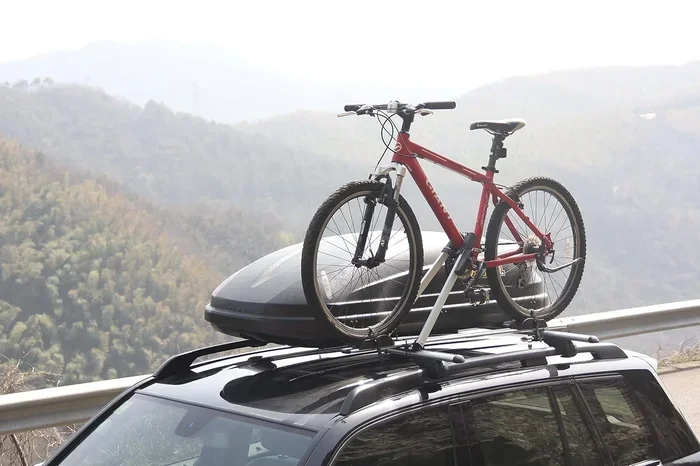
A roof mounted bike rack attaches to crossbars on your car roof. These racks hold bikes upright above the vehicle. They are great because they do not block your trunk or rear hatch. You can still open the back door easily.
Roof racks work well for most car types. However, they require crossbars already installed or purchased separately. They can also raise your vehicle center of gravity slightly. This is worth noting if you drive a tall SUV or a low-profile sports car.
Trunk Mounted Bike Rack
A trunk mounted bike rack straps onto your car using straps and a frame. It holds bikes against the rear door or trunk lid. This style is the most affordable and widely available option. You do not need any special equipment on your car.
The downside is that trunk racks can block your rear view or trunk access. They work best on hatchbacks and SUVs with large rear windows. They are also less secure than hitch-mounted options for long trips.
Hitch Mount Bike Rack
A hitch mount bike rack attaches to your trailer hitch receiver. This is the most secure and stable option available. Hitch racks hold bikes by the wheels, making loading and unloading very easy.
These racks carry the most weight and are ideal for heavy mountain bikes or e-bikes. They do not block your trunk or roof access. The main requirement is having a hitch receiver on your vehicle. Many trucks and SUVs come with one, but sedans may need a receiver installed.
Spare Tire Mounted Bike Rack
A spare tire mounted bike rack clamps onto your rear spare tire or bumper. This style is popular for SUVs and crossovers that lack a hitch. It provides a solid mounting point without any extra hardware.
These racks are convenient and relatively easy to install. They do carry some weight on your rear suspension, so check your vehicle specifications. They also slightly reduce trunk space since the rack sits behind the bumper.
How to Choose the Right Bicycle Rack for Car
Picking the right bike carrier for car depends on several factors. Do not rush this decision. Take your time and consider each point carefully.
Check Your Vehicle Compatibility
Start by checking what your car can support. Do you have roof crossbars? Do you have a hitch receiver? Is your trunk or hatchback large enough for a strap-on rack? These questions narrow down your options quickly.
For example, a sedan without a hitch cannot use a hitch mount rack. A compact car may not handle a heavy roof rack well. Always consult your vehicle manual or the rack manufacturer’s compatibility list.
Consider the Number of Bikes
How many bikes do you need to carry? Most racks hold two to four bikes. Some heavy-duty models can carry five or more. If you have a family of cyclists, you will need a larger capacity rack.
Keep in mind that each bike adds weight. A typical road bike weighs about 20 pounds. A mountain bike can weigh 30 pounds or more. An electric bike may weigh 50 pounds or higher. Add these up and make sure your rack handles the total weight.
Think About Bike Types
Different bikes have different frame shapes. Road bikes have skinny frames. Mountain bikes have wide handlebars and suspension systems. E-bikes are heavier and sometimes have unusual frame designs.
Make sure the rack you choose can accommodate your specific bikes. Some trunk racks use wheel hooks that may not fit fat-tire bikes. Some roof racks require separate adapters for certain frame shapes. Always double-check before purchasing.
Budget Considerations
Bike racks range from around $80 to over $500. A basic trunk rack can be found for under $100. A quality hitch mount rack typically costs between $200 and $400. Premium models with extra features like tool-free loading can cost more.
Do not always go for the cheapest option. A sturdy rack protects your bikes and your car. Look for features like anti-sway straps, secure locking mechanisms, and weather-resistant materials.
Ease of Use and Storage
How easy is it to load and unload your bikes? Some racks require lifting bikes high onto the roof. Others let you wheel bikes right up to the back. If you have limited mobility or strength, a hitch mount or trunk rack may be a better choice.
Also consider storage when the rack is not in use. Foldable bike racks collapse flat and tuck away in your garage or trunk. This is a great feature if you do not use the rack every day.
Step-by-Step Installation Guide
Installing a bicycle rack for car is easier than most people think. Each type has its own process, but the general steps are similar. Here is a practical walkthrough.
Installing a Roof Rack
First, attach the crossbars to your roof if they are not already installed. Place the bar ends on the roof rails and tighten the clamps securely. Next, mount the bike frame holders onto the crossbars. Slide your bikes onto the holders and secure them with wheel straps. Make sure each bike sits snugly and does not wobble.
Installing a Trunk Rack
Open your rear door or trunk. Place the rack frame against the car body. Loop the straps through the door frame or around the trunk opening. Tighten each strap firmly. Attach the wheel hooks or frame grippers to each bike. Give each bike a firm shake to test stability.
Installing a Hitch Rack
Insert the rack receiver into your hitch ball mount. Lock it in place with the hitch pin. Attach the bike arms or wheel cradles. Slide each bike onto the rack and secure the wheels. Use the anti-sway straps to prevent bikes from swinging while driving.
Installing a Spare Tire Rack
Clamp the rack base onto your spare tire or bumper. Tighten the clamps until they are firm. Attach the bike arms and secure each bike. Check that the rack does not interfere with your brake lights or license plate visibility.
Safety Tips and Best Practices
Transporting bikes on your car comes with responsibility. Follow these safety tips to keep everyone on the road safe.
Always do a pre-trip check. Before every drive, walk around your car and inspect the rack. Make sure all straps are tight. Confirm that each bike is securely held. Check that nothing blocks your headlights, brake lights, or license plate.
Drive carefully. A loaded bike rack changes your vehicle’s weight distribution and height. Take turns slowly. Avoid sudden braking when possible. Keep your speed reasonable, especially on highways.
Use tie-down straps in addition to the rack’s built-in holders. Even the best racks benefit from extra security. A secondary strap on each bike frame adds peace of mind.
Remove bikes before entering car washes or low-clearance garages. Bike racks add several inches to your vehicle height. Hitting an overpass or low branch can damage both the rack and the car.
Lock your bikes to the rack. Use a cable lock or U-lock to secure each bike frame to the rack. This deters theft at rest stops, gas stations, and parking lots.
Common Mistakes to Avoid
Even experienced cyclists make mistakes when using a bike carrier for car. Here are the most common ones and how to avoid them.
One big mistake is ignoring weight limits. Every rack has a maximum capacity. Exceeding it can damage your car’s roof, bumper, or hitch. It can also make handling unsafe. Always check the rack specifications and stay within limits.
Another mistake is buying the wrong rack type for your car. A trunk rack may work great on an SUV but poorly on a low-slung sports car. A roof rack may not suit a car without roof rails. Always verify compatibility first.
Some people forget to remove the rack when not in use. Leaving it mounted constantly adds wind drag and reduces fuel efficiency. It can also cause rust or damage to your car’s paint over time. Store it properly when not needed.
Skipping regular maintenance is another error. Check bolts, straps, and clamps periodically. Replace worn parts immediately. A loose rack on the highway is dangerous.
Expert Insights: What Cyclists Wish They Knew Earlier
Seasoned cyclists share a few pieces of advice that beginners often overlook. First, invest in a rack with a tool-free loading system. You will thank yourself after a long ride when you are tired and just want to get home fast.
Second, always test your setup in a safe area before a long trip. Drive around your neighborhood for a few miles. Listen for any rattling or movement. Make adjustments before hitting the highway.
Third, consider how the rack affects your fuel economy. A bicycle rack for car creates wind resistance. Roof racks tend to reduce fuel efficiency the most. Trunk and hitch racks have less impact. If fuel economy matters to you, choose accordingly.
Fourth, think about future needs. If you plan to add more bikes later, buy a rack with extra capacity. It is cheaper to buy a four-bike rack now than to replace a two-bike rack later.
Fifth, read reviews before buying. Real user experiences reveal durability issues and design flaws that product descriptions may hide. Look for feedback on long-term use, ease of installation, and customer service.
Key Takeaways
- Choose the right type: roof, trunk, hitch, or spare tire racks each serve different vehicles and needs.
- Check compatibility first: confirm your car supports the rack style before spending money.
- Prioritize safety: always do pre-trip checks, use extra straps, and lock your bikes.
- Consider weight and capacity: match the rack to the combined weight and number of your bikes.
- Avoid common mistakes: do not ignore weight limits, skip maintenance, or leave racks on constantly.
- Invest in quality: a well-built rack lasts for years and protects your valuable bikes.
Frequently Asked Questions
What is the best bicycle rack for car type for a sedan?
A trunk mounted or spare tire mounted rack usually works best for sedans. These styles do not require roof crossbars or a hitch receiver. They strap securely onto the rear door or bumper and provide stable transport for one or two bikes. Always check the rack’s compatibility with your specific sedan model before purchasing.
How much does a bicycle rack for car typically cost?
Prices range from around $80 for basic trunk racks to over $500 for premium hitch-mounted models. A solid mid-range rack costs between $150 and $300. The price depends on the type, material quality, and features like tool-free loading or foldable design. Spending a bit more upfront often saves money on replacements later.
Can I transport an electric bike on a bicycle rack for car?
Yes, but you need a rack with a high enough weight capacity. Electric bikes can weigh 50 to 70 pounds or more. Look for racks rated for heavy loads, especially hitch-mounted options. Always check the rack’s maximum per-bike weight and total capacity before buying. Secure the e-bike firmly with extra straps if needed.
Does a bicycle rack for car affect fuel economy?
Yes, any rack adds wind drag and can reduce fuel efficiency slightly. Roof racks have the most impact because they sit above the vehicle and catch more wind. Trunk and hitch racks have a smaller effect. Removing the rack when not in use helps restore your car’s normal fuel economy.
How do I secure my bikes from theft when using a rack?
Use a cable lock or U-lock to secure each bike frame to the rack. Some racks come with built-in locking cables. You can also use a hitch lock if you have a hitch mount rack. Always lock your bikes even during short stops at gas stations or rest areas.
Do I need special tools to install a bicycle rack for car?
Most modern racks are designed for easy installation without special tools. Trunk racks use straps and require no tools at all. Hitch racks and some roof racks may need a wrench to tighten bolts. The installation process is usually straightforward and takes 15 to 30 minutes.
=== CONCLUSION ===
A bicycle rack for car is one of the most practical investments any cyclist can make. It gives you the freedom to explore new trails, race circuits, and cycling destinations without worrying about how to get your bikes there. Whether you choose a roof rack, trunk rack, hitch rack, or spare tire rack, the key is finding one that fits your vehicle, your bikes, and your lifestyle.
Take the time to compare options, check compatibility, and install your rack correctly. Follow the safety tips and avoid the common mistakes outlined in this guide. Your bikes will arrive at every destination safe and ready to ride. Now that you have all the information, you are ready to pick the perfect rack and start your next cycling adventure with confidence.