Can You Use an E-ZPass in a Rental Car – Quick Tips
Yes, you can use an E-ZPass in a rental car, but there are a few things you need to know first. E-ZPass rental car tolls work differently than using your own vehicle, and toll billing can surprise you if you are not careful. This guide covers everything from E-ZPass rental policies to hidden fees and how to avoid toll violations. You will learn how to set up your E-ZPass account for a rental, what fees to expect, and simple tips to stay compliant with your rental car agreement.
Driving through the Northeast or Mid-Atlantic states on a road trip is one of the best ways to explore the region. And if you have an E-ZPass in your wallet, you might assume it works just like it does in your own car. But when you are driving a rental car, things get a little more complicated. The good news is that you can use an E-ZPass in a rental car in most cases. However, the way tolls are charged, the fees you may face, and the policies you need to follow can vary quite a bit. This article breaks it all down so you can drive with confidence and avoid any unexpected charges.
Whether you are picking up a car at the airport or renting one for a weekend getaway, understanding how E-ZPass rental works will save you time and money. Most car rental companies like Hertz, Enterprise, Avis, and Budget allow you to use your personal transponder. But each company has its own E-ZPass rental car policy when it comes to toll billing. Some charge a daily convenience fee. Others pass through the exact toll amount. And a few might even bill you separately for any unpaid tolls weeks after you return the vehicle. Knowing these details before you hit the road is the smartest thing you can do.
In this guide, we will walk you through everything you need to know. We will cover how electronic toll collection works with rental vehicles, what fees to watch out for, and what to do if you accidentally miss a toll. We will also compare E-ZPass with other toll payment methods and share practical tips that make your trip smoother. By the end, you will feel fully prepared to use your E-ZPass transponder in any rental car without worry.
Key Takeaways
- Yes, E-ZPass works in rental cars: Most rental companies allow you to use your personal E-ZPass transponder in their vehicles.
- Watch out for extra fees: Many car rental companies charge an E-ZPass rental fee or administrative toll charge.
- Read your rental car agreement: Your contract will outline how tolls are billed and what penalties apply for unpaid tolls.
- Toll violations can be costly: Failing to pay tolls may result in fines, additional fees, and potential credit score impacts.
- Set up your E-ZPass account before your trip: Make sure your transponder is active and your account has sufficient funds.
- Return the transponder properly: Remove your E-ZPass from the rental car before returning it to avoid confusion.
📑 Table of Contents
How E-ZPass Works with Rental Cars
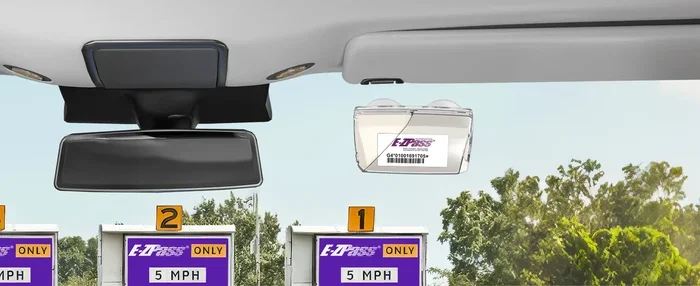
Before you drive off in your rental car, it helps to understand how the E-ZPass toll system actually works. The E-ZPass transponder is a small electronic device that you mount on your windshield. When you drive through a toll plaza or enter an express lane, the transponder communicates with the toll gantry. The system automatically deducts the toll from your E-ZPass account. You do not need to stop or roll down your window. It is that simple.
What Is an E-ZPass Transponder?
An E-ZPass transponder is a small tag that connects to your personal toll account. It uses radio frequency technology to communicate with toll sensors. When your car passes under a toll gantry, the sensor reads the transponder and records the passage. The toll amount is then deducted from your linked bank account or credit card. You can check your toll billing online at any time through your state’s E-ZPass portal.
The transponder is not tied to your vehicle. It is tied to your account. This means you can move it between cars, including rental vehicles. As long as the transponder is mounted correctly on the windshield, it will work. This is great news for rental car tolls because you do not need to buy a separate pass for every car you drive.
How Tolls Get Charged in a Rental Car
When you use your E-ZPass in a rental car, the toll is charged to your personal E-ZPass account. The rental car company does not process the toll directly. Instead, the toll authority deducts the amount from your account balance. This is different from some rental companies that offer their own toll pass programs, which bill the tolls to the rental agreement.
Here is how the process typically works:
- You drive through a toll plaza with your E-ZPass transponder mounted on the windshield.
- The toll gantry reads the transponder and records the vehicle class.
- The toll amount is deducted from your E-ZPass account balance.
- You receive a toll statement from E-ZPass showing the transaction.
However, some car rental companies add a layer of complexity. They may charge an E-ZPass rental fee or an administrative charge for using electronic toll collection. This fee can range from a few dollars per day to a flat weekly rate. Always check with your rental company before you drive through any tolls.
Can You Use an E-ZPass in a Rental Car?
The short answer to can you use an E-ZPass in a rental car is yes, in most situations. All E-ZPass member states support the use of personal transponders in rental vehicles. The E-ZPass rental car policy is designed to be flexible so that travelers can use their existing accounts without needing to set up new ones for each trip.
Checking Your Rental Agreement
Before you use your E-ZPass in a rental car, the first step is to read your rental car agreement. This document outlines the terms and conditions of your rental. Look for any sections related to tolls, electronic toll collection, or transponder use. Some agreements explicitly state that you are responsible for all toll charges. Others may mention specific fees or restrictions.
Here are a few things to look for in your agreement:
- Does the rental company charge a daily fee for electronic toll use?
- Are there any restrictions on which toll roads or bridges you can use?
- What happens if a toll goes unpaid or the transponder malfunctions?
- Is there a process for disputing incorrect toll charges?
Taking five minutes to review your agreement can save you from unpleasant surprises later. If anything is unclear, call the rental company’s customer service line before you leave the lot. It is always better to ask upfront than to deal with surprise fees afterward.
Which Rental Companies Allow E-ZPass?
Most major car rental companies allow you to use your personal E-ZPass transponder. Companies like Hertz, Enterprise, Avis, Budget, National, and Alamo all support the use of personal toll passes. They do not require you to use their own toll programs, though some may offer them as an optional add-on.
Here is a quick look at how some popular rental companies handle E-ZPass:
| Rental Company | Personal E-ZPass Allowed? | Typical Toll Fee |
|---|---|---|
| Hertz | Yes | $3-$5/day or per-transaction fee |
| Enterprise | Yes | Varies by location |
| Avis / Budget | Yes | Daily electronic toll convenience fee |
| National / Alamo | Yes | Check rental agreement |
Keep in mind that policies can change. Always confirm the current E-ZPass rental car policy with your specific rental company before your trip. A quick phone call or a check on their website can save you a lot of headaches.
Common Fees and Charges to Watch For
One of the biggest surprises for drivers using E-ZPass rental is the variety of fees that can appear. Understanding these charges upfront helps you budget properly and avoid frustration. Not all fees are obvious, and some may not show up until weeks after you return the car.
E-ZPass Rental Fee Explained
Some car rental companies charge what is commonly called an E-ZPass rental fee. This is not a toll itself but a service charge for allowing you to use electronic toll collection in their vehicle. The fee structure varies widely. Some companies charge a flat daily rate, while others add a percentage-based surcharge to each toll.
For example, a rental company might charge $3 to $5 per day for electronic toll use. On a five-day rental, that adds $15 to $25 on top of the actual toll costs. Over a longer road trip, these fees can add up quickly. This is why it is important to ask about toll policies before you sign the rental agreement.
The E-ZPass rental fee is separate from the actual toll amount. So even if a toll costs $2.50, you might end up paying $5.00 or more once the rental company’s fee is added. This is an important distinction that many renters overlook.
Administrative and Processing Fees
Beyond the daily E-ZPass rental fee, some companies charge administrative fees for processing toll transactions. These fees are separate from the actual toll amount and can range from $2 to $10 per incident. If you pass through multiple toll plazas on your trip, these fees can multiply fast.
Additionally, some rental companies use third-party toll processing services. These services may add their own markup to each toll transaction. The result is that you end up paying more than the actual toll amount. This is a common complaint among renters, so it pays to be aware of it ahead of time.
Common Mistakes to Avoid
Here are some frequent mistakes renters make when using E-ZPass tolls in a rental car:
- Forgetting to check your E-ZPass balance: A low balance can cause tolls to go unpaid, leading to violations.
- Not reading the rental agreement: Skipping this step means you might miss hidden fees or restrictions.
- Leaving the transponder in the rental car: This can result in tolls being charged to the wrong account.
- Assuming all toll roads accept E-ZPass: Some states use different electronic toll systems that are not E-ZPass compatible.
- Ignoring toll statements after your trip: Unpaid tolls can escalate into fines and collections.
Avoiding these simple mistakes can save you both money and stress. A little awareness goes a long way.
What Happens If You Forget to Pay?
If your E-ZPass transponder is not working or if you accidentally drive through a toll without it, you may face toll violations. These violations often come with steep penalties. The fine for an unpaid toll can be several times the original toll amount. Some states also add processing fees and late charges.
Toll Violations and Penalties
Here is what can happen if you miss a toll or your transponder fails:
- The toll authority records your license plate number from cameras at the toll plaza.
- A violation notice is mailed to the rental car company.
- The rental company forwards the notice to you, often with an additional processing fee.
- If unpaid, the violation may go to collections and affect your credit score.
This is why it is so important to ensure your E-ZPass account is active and has sufficient funds before you start driving. Also, make sure your transponder is mounted correctly and functioning. A misaligned transponder can cause the toll gantry to miss your passage, resulting in a violation notice.
Some car rental companies have a strict policy on unpaid tolls. They may charge your credit card on file for the toll amount plus a significant processing fee. This can happen even after you have already returned the vehicle. Always double-check that all tolls have been properly paid before leaving the rental lot.
How to Dispute a Charge
Even with the best preparation, disputes can happen. Maybe your E-ZPass transponder was not read correctly, or perhaps you were charged a toll that does not belong to you. Knowing how to handle a dispute can save you time and money.
Start by gathering your documentation. Save your rental agreement, toll receipts, and any correspondence with the rental company. Most E-ZPass accounts have an online portal where you can view your toll history. Use this to identify any incorrect charges.
Next, contact the rental company’s billing department. Explain the situation clearly and provide your evidence. Most companies have a process for resolving toll disputes, but it may take a few weeks to get a response. If the rental company does not resolve the issue, you can contact the toll authority directly. They often have a dedicated disputes team that can review your case.
Remember, timely action is important. Most toll authorities have a window of 30 to 90 days to dispute a charge. Waiting too long may mean losing your right to appeal.
Tips for Using E-ZPass in a Rental Car
Using your E-ZPass in a rental car is straightforward once you know the basics. A little preparation goes a long way toward making your toll experience smooth and stress-free. Here are some practical tips that will help you navigate rental car tolls with ease.
Setting Up Your E-ZPass Account Before Your Trip
The best time to prepare is before you pick up the rental car. Log into your E-ZPass account and check your balance. Make sure your transponder is properly registered and linked to a valid payment method. If your balance is low, add funds before you leave.
Also, verify that your transponder is functioning correctly. Most E-ZPass toll systems have a website or app where you can check your account status. If you notice any issues, contact your state’s E-ZPass customer service to resolve them before your trip.
Another helpful step is to review the toll roads map for your destination. Knowing which routes have tolls and which do not can help you plan your drive and avoid surprise charges. Many states offer free online maps that show all toll roads and bridge tolls in the area. This is especially useful if you are driving through multiple states, as toll systems and rates can vary significantly.
- Always keep a photo of your E-ZPass transponder placement on the windshield for reference.
- Set a reminder on your phone to check your E-ZPass balance midway through a long road trip.
- Download your state’s E-ZPass app for real-time toll tracking and account management on the go.
- Keep a small amount of cash in the rental car as a backup in case your transponder malfunctions at a toll plaza.
Placing the Transponder Correctly
Where you place your E-ZPass transponder matters. Most rental cars have a designated spot on the windshield, usually behind the rearview mirror near the top of the dashboard. Mount the transponder there for the best signal reception.
Avoid placing the transponder on a metal surface or over a metallic tint strip. These can interfere with the radio signal and cause toll reading errors. If the transponder is not read correctly, the toll authority may photograph your license plate and send you a bill by mail, which often comes with higher fees than the standard toll amount.
Returning the Rental Car
When you return the rental car, do not forget to remove your E-ZPass transponder. Take it off the windshield and put it back in your own vehicle or store it safely. Leaving the transponder in the rental car can cause confusion for the next driver and may result in tolls being incorrectly charged to your account.
Also, check your toll billing statement within a week or two of returning the car. Look for any tolls that do not belong to you or any fees that seem incorrect. If you spot an error, contact the rental company and the toll authority promptly to dispute the charge. Early action makes disputes much easier to resolve.
E-ZPass vs Other Toll Payment Methods
While E-ZPass is one of the most popular electronic toll systems, it is not the only option. Depending on where you are driving, you may encounter other toll payment methods. Understanding the differences helps you choose the best option for your rental car trip.
Cash vs Electronic Tolls
Many toll roads still accept cash payments at toll plazas. However, cash lanes are becoming less common as states move toward fully electronic toll collection. Cash tolls often require you to stop, which can add time to your trip, especially during peak travel periods. There is also the risk of not having exact change, which can lead to delays and frustration.
Electronic tolls like E-ZPass tolls let you keep moving without stopping. This is especially useful on busy highways and bridges. However, electronic tolls may come with additional fees from your rental company. Weigh the convenience of electronic tolls against the potential extra costs. In most cases, the time savings and ease of use make E-ZPass the better choice.
State-Specific Toll Systems
Each E-ZPass member state has its own toll system, and some states have their own electronic toll programs that are not compatible with E-ZPass. For example, Florida uses SunPass, and Texas uses TxTag and TollTag. If you are driving in a state with its own system, your E-ZPass transponder may not work on all toll roads.
Before your trip, check whether your destination state accepts E-ZPass. Most states on the East Coast do, but western and southern states may have different systems. You can usually find this information on the state’s department of transportation website or by calling the rental company.
Some rental companies offer universal toll passes that work across multiple states. These passes may be a good option if you are driving through several states with different toll systems. However, they often come with their own set of fees, so compare the costs before you choose. Look for passes that clearly list all associated fees so there are no surprises.
What to Do If You Have a Toll Dispute
Even with the best preparation, disputes can happen. Maybe your E-ZPass transponder was not read correctly, or perhaps you were charged a toll that does not belong to you. Knowing how to handle a dispute can save you time and money.
Start by gathering your documentation. Save your rental agreement, toll receipts, and any correspondence with the rental company. Most E-ZPass accounts have an online portal where you can view your toll history. Use this to identify any incorrect charges.
Next, contact the rental company’s billing department. Explain the situation clearly and provide your evidence. Most companies have a process for resolving toll disputes, but it may take a few weeks to get a response. If the rental company does not resolve the issue, you can contact the toll authority directly. They often have a dedicated disputes team that can review your case.
Remember, timely action is important. Most toll authorities have a window of 30 to 90 days to dispute a charge. Waiting too long may mean losing your right to appeal. Keep all your records organized and accessible until the dispute is fully resolved.
Conclusion
Can you use an E-ZPass in a rental car? Absolutely. The process is straightforward, and most rental companies support the use of personal transponders. However, the key to a hassle-free experience lies in preparation. Know your rental car agreement, understand the fees involved, and set up your E-ZPass account before you hit the road.
Using E-ZPass tolls in a rental car saves you time and lets you enjoy a smooth drive through toll plazas and express lanes. Just be mindful of the extra fees that some rental companies charge, and always check your toll billing after your trip. With the tips in this guide, you are well-equipped to navigate rental car tolls like a pro. Safe travels and happy driving!
Frequently Asked Questions
Do all rental car companies allow E-ZPass usage?
Most major rental car companies do allow personal E-ZPass usage, but policies vary by company and location. Always check your rental agreement or call the rental company ahead of time to confirm their specific E-ZPass rental car policy before you start driving.
What happens if my E-ZPass transponder is not read at a toll plaza?
If your transponder is not read, the toll authority may capture your license plate and send a bill by mail. This often comes with higher fees than a standard E-ZPass toll. Make sure your transponder is mounted correctly and has sufficient battery life to avoid this issue.
Are there fees for using E-ZPass in a rental car?
Yes, many car rental companies charge an E-ZPass rental fee or administrative toll charge. These fees vary widely, ranging from a few dollars per day to a flat weekly rate. Always ask about toll-related fees before signing your rental agreement to avoid surprises.
Can I use E-ZPass in a rental car in any state?
E-ZPass works in all E-ZPass member states, which include most states in the Northeast and Mid-Atlantic. However, some states like Florida and Texas have their own electronic toll systems that may not accept E-ZPass. Check the toll system compatibility for your destination before your trip.
How do I remove my E-ZPass from the rental car?
Simply peel the transponder off the windshield when you return the rental car. Store it safely in your own vehicle or at home. Removing it promptly prevents confusion for the next driver and ensures tolls are not incorrectly charged to your account.
What should I do if I receive a toll violation notice after returning the rental car?
Do not ignore the notice. Contact both the rental company and the toll authority immediately. Provide your rental agreement, toll receipts, and any evidence that shows the toll was paid or was not your responsibility. Most authorities have a 30 to 90 day window to dispute a charge, so act quickly.
=== CONCLUSION ===
Can you use an E-ZPass in a rental car? Yes, and now you know exactly how to do it without running into surprises. The key takeaways are simple: read your rental agreement, understand the fees, set up your account before you travel, and always remove the transponder when you return the car.
E-ZPass rental is convenient and saves you time at toll plazas and express lanes. But it comes with responsibilities. Stay on top of your toll billing, keep your E-ZPass account funded, and monitor your statements after every trip. These small habits make a big difference.
Whether you are planning a weekend getaway or a cross-country road trip, knowing how to handle rental car tolls puts you ahead of the game. You will drive with confidence, avoid unnecessary fees, and enjoy a smoother journey from start to finish. Apply these tips on your next rental and experience the ease of electronic toll collection the right way.