Can You Wash Your Car Too Much And Damage The Paint
Yes, you can wash your car too much, and it can seriously harm your paint. Overwashing strips away protective wax and clear coat layers, leaving your vehicle vulnerable to damage. The key is finding the right car wash frequency based on your driving conditions and environment.
You love your car. You want it to look shiny and new every single day. So you wash it. And wash it. And wash it again. But here is the big question: can you wash your car too much? The short answer is yes. Washing your car too often can actually harm the paint and strip away protective layers. Many car owners do not realize that more washing does not mean better cleaning. In fact, overwashing can lead to paint damage, clear coat erosion, and a dull, lifeless finish.
In this guide, we will dive deep into the effects of overwashing. You will learn how often you should really wash your car. We will cover the signs of paint damage from washing, the best washing methods, and expert tips to keep your vehicle looking great. Whether you hand wash your car or use an automatic wash, this article has you covered. Let us get into it.
Key Takeaways
- Overwashing damages paint: Frequent washing erodes the clear coat and removes protective wax layers.
- Wash frequency matters: Most cars need washing every 1-2 weeks, but this depends on driving conditions.
- Not all car washes are equal: Touchless and hand washes are safer than brush-based automatic washes.
- Watch for warning signs: Water spots, swirl marks, and dullness signal you may be washing too often.
- Protection is key: Using the right soap, drying techniques, and protective coatings prevents damage.
- Seasonal adjustments help: Winter and summer driving require different wash schedules.
- Quality over quantity: A proper wash less often beats a rushed wash every day.
📑 Table of Contents
What Happens When You Wash Your Car Too Much
Your car’s paint is made of several layers. The topmost layer is the clear coat. It acts like a shield. Underneath that is the base coat, which gives your car its color. When you wash your car too often, you wear down that clear coat. Over time, this leads to real problems.
The Science Behind Car Paint and Washing
Every time you wash your car, you remove something. Dirt and grime come off, sure. But so does the protective layer on top. This layer is usually wax or a paint sealant. These protectants sit on the surface of your clear coat. They block UV rays, bird droppings, tree sap, and other contaminants.
When you wash too much, you strip this layer away. The clear coat becomes exposed. It starts to lose its shine. It becomes more vulnerable to scratches and environmental damage. This process is gradual, but it adds up fast if you wash your car every single day.
Clear Coat Erosion From Overwashing
Clear coat erosion is one of the most serious risks of overwashing. The clear coat is not thick. It is usually only about 1.5 to 2 mils thick. That is thinner than a piece of paper. Every wash removes a tiny bit of that layer. Over months and years, this adds up.
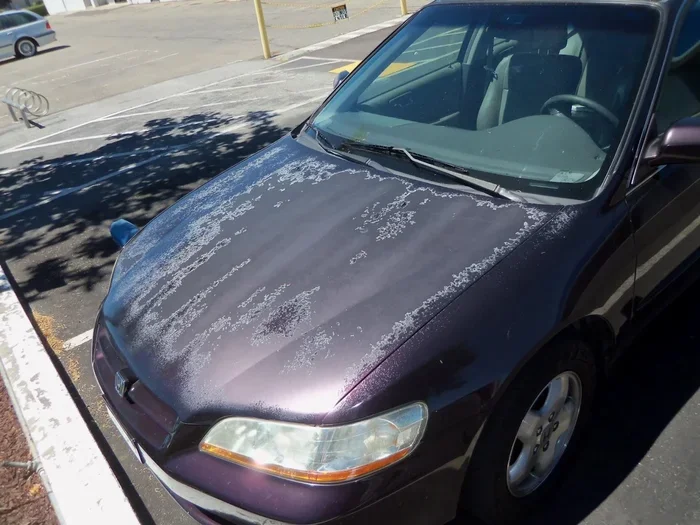
Once the clear coat is worn through, the base coat is exposed. At that point, the paint starts to fade, peel, and corrode. This kind of damage is very hard to fix. It often requires a full paint job, which can cost hundreds or even thousands of dollars.
How Often Should You Wash Your Car?
The right wash frequency depends on several factors. There is no one-size-fits-all answer. Let us break it down so you can find the perfect schedule for your vehicle.
Factors That Determine Your Wash Frequency
Several things affect how often you need to wash your car:
- Driving conditions: If you drive on dirt roads or in heavy traffic, you need to wash more often.
- Weather and climate: Salt, rain, and humidity all speed up dirt buildup and corrosion.
- Parking location: Cars parked outside get more exposure to sun, birds, and tree sap.
- Vehicle color: Dark cars show dirt and scratches more easily than light-colored ones.
- Protective coatings: Cars with ceramic coatings or paint sealants can go longer between washes.
Seasonal Car Wash Schedules
Your wash schedule should change with the seasons. Here is a simple guide to follow:
- Spring: Wash every 1-2 weeks. Pollen and rain leave a messy residue on your paint.
- Summer: Wash every 1-2 weeks. Sun, bugs, and road tar build up fast.
- Fall: Wash every 2 weeks. Falling leaves and moisture can stain the paint.
- Winter: Wash every 1-2 weeks, especially if roads are salted. Salt is one of the biggest enemies of car paint.
As a general rule, washing your car every 1 to 2 weeks is a safe range. If your car looks clean and the paint feels smooth, you may not need to wash it as often.
Signs You Are Washing Your Car Too Much
How do you know if you are overwashing? Your car will tell you. Here are the most common signs that your wash habits are doing more harm than good.
Visible Paint Damage Indicators
Look closely at your car’s surface. Do you notice any of these problems?
- Dull or faded paint: The shine is gone and the color looks washed out.
- Swirl marks: Fine circular scratches appear, especially in direct sunlight.
- Water spots: Mineral deposits from dried water leave white or cloudy marks.
- Rough texture: The paint feels gritty or rough instead of smooth.
- Wax or sealant gone: You notice water no longer beads up on the surface.
If you see any of these signs, you may be washing too much or using the wrong techniques.
When Water Spots Become a Problem
Water spots are a common issue, especially in areas with hard water. When water evaporates on your car’s surface, it leaves behind minerals like calcium and magnesium. These minerals etch into the paint over time.
Overwashing makes water spots worse because you are exposing fresh paint more often. Each time you wash and do not dry properly, you invite new spots to form. The key is to always dry your car thoroughly after washing. Use a soft microfiber cloth or a clean chamois to prevent water from sitting on the surface.
Types of Car Washes and Their Impact
Not all car washes are created equal. The method you choose matters a lot when it comes to protecting your paint. Let us compare the most popular options.
Automatic Car Wash vs Hand Wash
Many people wonder whether automatic car washes or hand washing is better. The answer depends on the type of automatic wash and how you hand wash.
Brush-based automatic washes use rotating brushes to clean your car. These brushes can trap dirt and sand from previous washes. They create fine scratches called swirl marks on your paint. Over time, these marks build up and dull the finish.
Hand washing, when done correctly, is the safest option. You control the pressure, the tools, and the soap. You can gently clean your car without risking damage. The downside is that it takes more time and effort.
Touchless Car Wash: Is It Safer?
Touchless car washes use high-pressure water and special chemicals instead of brushes. They avoid the physical contact that causes swirl marks. This makes them a better option than brush-based washes.
However, touchless washes can be harsh. The high pressure may strip away wax and protective coatings faster. Some touchless washes also use strong chemicals that can dry out the paint. If you use a touchless wash, make sure to reapply wax or sealant afterward.
Comparison Table: Car Wash Methods
| Wash Type | Paint Safety | Convenience | Cost | Risk Level |
|---|---|---|---|---|
| Brush Automatic | Low | High | Low | High |
| Touchless Automatic | Medium | High | Medium | Medium |
| Hand Wash | High | Low | Low | Low |
| Waterless Wash | Medium | High | Medium | Medium |
| Professional Detail | High | Low | High | Low |
The table shows that hand washing is the safest method for your paint. It may not be the most convenient, but it gives you the best results. If you want a quick clean, a touchless wash is a good middle-ground option.
Quick Tips to Protect Your Car’s Paint
Washing your car the right way matters just as much as how often you wash it. Here are some practical tips to keep your paint in great shape.
Best Practices for Safe Washing
- Use a dedicated car wash soap. Do not use dish soap. Dish soap is too harsh and strips wax and protectants quickly.
- Use the two-bucket method. Fill one bucket with soapy water and one with clean rinse water. This prevents you from dragging dirt across your paint.
- Wash in the shade. Never wash your car in direct sunlight. The soap and water dry too fast, leaving water spots and soap residue.
- Use a microfiber wash mitt. Microfiber is soft and gentle. It picks up dirt without scratching the surface.
- Rinse thoroughly. Make sure all soap is washed off. Soap left on the surface can cause buildup and dullness.
- Dry with a clean, soft cloth. Never let your car air dry. Air drying leaves mineral deposits and water spots.
Common Mistakes to Avoid
Even well-meaning car owners make mistakes that harm their paint. Here are the most common ones:
- Using household cleaners: These products are not designed for car paint. They can strip protective layers and cause discoloration.
- Washing too frequently: More is not always better. Stick to a regular schedule based on your driving conditions.
- Ignoring hard water spots: If you notice water spots, rinse them off immediately. Do not let them sit and etch into the paint.
- Skipping drying: Always dry your car after washing. This is one of the most overlooked steps in car care.
- Using dirty towels or mitts: A dirty cloth acts like sandpaper on your paint. Always use clean materials.
Expert Insights on Car Wash Frequency
We spoke with professional detailers and auto paint specialists to get their take on the right wash frequency. Here is what the experts have to say.
What Professional Detailers Recommend
Most professional detailers agree that washing your car every 1 to 2 weeks is ideal for everyday driving. They also recommend applying a layer of wax or paint sealant every 2 to 3 months. This adds an extra layer of protection between washes.
“People think washing their car more keeps it safer,” says one veteran detailer. “But the truth is, every wash removes a tiny bit of protection. The goal is to clean without stripping.”
Detailers also stress the importance of using the right products. A good car wash soap, a quality microfiber mitt, and a soft drying towel make all the difference. Investing in the right tools saves you money on paint repairs in the long run.
Long-Term Paint Maintenance Strategies
Beyond washing frequency, there are other steps you can take to protect your paint over the long haul:
- Apply ceramic coating: A ceramic coating creates a strong bond with your paint. It lasts for months and provides excellent protection against dirt, UV rays, and chemicals.
- Use paint protection film: Also known as PPF, this clear film wraps around vulnerable areas like the front bumper and hood. It absorbs impacts and prevents chips.
- Keep your car garaged: Parking indoors protects your car from sun damage, bird droppings, and weather exposure.
- Wax regularly: Wax fills in tiny imperfections in the paint and adds a glossy, protective layer.
- Remove contaminants quickly: Bird droppings, tree sap, and bug splatter should be removed as soon as possible. They can eat into the paint if left too long.
Common Myths About Washing Your Car
There are a lot of myths out there about car washing. Let us clear up a few of the most common ones.
Myth 1: Daily washing keeps your car in the best shape. This is not true. Daily washing removes protective layers and can cause more harm than good. Stick to a regular but not excessive schedule.
Myth 2: More foam means a better clean. Foam looks impressive, but it does not clean better. The quality of the soap and the technique you use matter far more than the amount of foam.
Myth 3: You only need to wash your car when it looks dirty. Dirt and contaminants can be on your car even when you cannot see them. Things like pollen, acid rain, and industrial fallout damage paint even on cars that look clean.
Myth 4: All car wash soaps are the same. They are not. Cheap soaps contain harsh chemicals that strip wax and dry out your paint. Always use a pH-balanced car wash soap designed for automotive use.
Conclusion
So, can you wash your car too much? The answer is a clear yes. Overwashing removes protective wax, erodes the clear coat, and leads to paint damage over time. The key is finding the right balance. Wash your car enough to keep it clean and protected, but not so much that you strip away the defenses your paint needs.
Most cars do well with a wash every 1 to 2 weeks. Adjust this based on your driving conditions, weather, and environment. Use gentle car wash soap, soft microfiber mitts, and always dry your car thoroughly. Apply wax or sealant regularly to add an extra layer of protection.
Your car is a big investment. Taking care of the paint with the right washing routine will keep it looking great for years to come. Start today by evaluating your current wash habits. Make small changes, and you will see a big difference in the health and appearance of your vehicle’s finish.
Remember, the goal is not to wash your car as often as possible. The goal is to wash it smart. Quality over quantity always wins when it comes to protecting your car’s paint.
Frequently Asked Questions
How many times a week should you wash your car?
For most drivers, washing once every 1 to 2 weeks is the sweet spot. If you drive in harsh conditions like salt roads or heavy pollen areas, you may need to wash more often. But washing more than twice a week is usually too much and can damage your paint over time.
Can overwashing cause swirl marks on car paint?
Yes, overwashing can cause swirl marks, especially if you use dirty towels, rough mitts, or wash in direct sunlight. Swirl marks are fine scratches that dull the paint’s finish. Using proper washing techniques and quality tools helps prevent them.
Is it bad to wash your car every day?
Washing your car every day is not recommended. It strips away wax and protective coatings, leaving the clear coat exposed. Daily washing is only necessary in very rare situations, like if your car is constantly covered in corrosive materials. For most people, it is overkill and harmful.
What is the best way to wash a car without damaging the paint?
The best method is a gentle hand wash using a pH-balanced car wash soap, a microfiber wash mitt, and the two-bucket method. Wash in the shade, rinse thoroughly, and dry with a clean microfiber towel. This approach cleans effectively while protecting your paint.
Does wax protect your car from overwashing damage?
Yes, wax adds a protective layer on top of your clear coat. It acts as a barrier against dirt, UV rays, and contaminants. While wax does not make overwashing safe, it does help your paint withstand regular washing better. Reapply wax every 2 to 3 months for best results.
Are touchless car washes safe for your paint?
Touchless car washes are safer than brush-based automatic washes because they do not use physical contact. However, the high pressure and strong chemicals can still strip wax and dry out the paint. If you use a touchless wash, reapply wax or sealant afterward to maintain protection.