Can I Use My Handicap Placard in Another Car Today
Yes, you can generally use your handicap placard in another car, but there are important rules you must follow. The placard is tied to the person, not the vehicle, which means it is portable across cars. However, each state has its own set of regulations that govern how and when you can transfer your disabled parking placard to another vehicle. Using your placard incorrectly can lead to fines, penalties, or even revocation of your permit. This guide covers everything you need to know about using your handicap placard in another car legally and safely.
Have you ever wondered whether you can use your handicap placard in another car? Maybe you share a vehicle with a spouse. Perhaps a friend offered to drive you to an appointment. Or maybe you simply rented a car for a weekend trip and needed accessible parking. Whatever the reason, the answer is not always as straightforward as you might think.
The good news is that in most cases, yes, you can use your disability parking permit in another vehicle. But there are rules, exceptions, and state-specific regulations that you need to understand. Getting this wrong can lead to expensive fines or even having your permit revoked. That is why we put together this comprehensive guide to help you navigate the process with confidence.
Whether you hold a temporary disability placard or a permanent one, understanding the rules around parking placard transfer is essential. This article breaks down everything you need to know in simple, clear language. Let us dive in.
Key Takeaways
- Portable Permit: Your handicap placard belongs to you, not the car, so you can transfer it between vehicles.
- State Rules Vary: Each state has specific regulations governing placard use, transfer, and display.
- Proper Display Matters: Always hang the placard from the rearview mirror or display it as required by law.
- Penalties Are Real: Misusing a placard can result in fines, license points, or permit revocation.
- Know the Difference: Temporary and permanent placards have different rules and renewal requirements.
- Never Share Your Placard: Letting someone else use your placard is illegal and can lead to serious consequences.
📑 Table of Contents
- Understanding Your Handicap Placard
- Can You Use Your Handicap Placard in Another Car?
- State-by-State Variations in Placard Rules
- Common Mistakes People Make With Placard Transfer
- Possible Penalties for Placard Misuse
- Tips for Using Your Placard Legally and Safely
- Frequently Asked Questions About Using a Handicap Placard in Another Car
- Final Thoughts
Understanding Your Handicap Placard
Before we talk about using your placard in another car, it helps to understand what a handicap placard actually is. A disability parking placard is a portable permit issued by your state’s Department of Motor Vehicles or equivalent agency. It allows people with mobility impairments to park in designated accessible parking spaces.
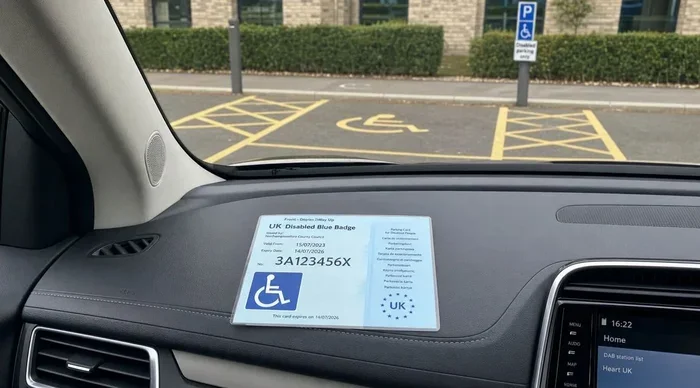
The placard is typically a small card or tag that hangs from your rearview mirror. It displays a symbol of a wheelchair and often includes a unique identification number. This number links the placard to your specific disability parking card and your medical certification.
Types of Disability Placards
Not all placards are the same. States issue different types based on the nature and duration of your disability. Here is a quick breakdown:
- Temporary Disability Placard: Issued for short-term conditions like surgery recovery or a broken leg. These usually last between 6 months and 2 years depending on your state.
- Permanent Disability Placard: For long-term or chronic conditions. These may need renewal every few years but generally last longer than temporary ones.
- Organization Placard: Issued to organizations that transport people with disabilities. These have their own set of rules and restrictions.
- Rental Vehicle Placard: Some states offer a special placard for people who rent cars frequently. This is less common but worth checking into.
Each type has its own rules about transferability. For example, a temporary placard may have stricter guidelines than a permanent one. Always check with your local DMV to confirm the specifics of your permit.
Who Is Eligible for a Handicap Placard?
Eligibility for a disabled parking placard varies by state, but most states follow similar guidelines. Common qualifying conditions include:
- Limited ability to walk long distances
- Need for a wheelchair, walker, or cane
- Chronic lung or heart conditions
- Limited mobility due to arthritis or neurological disorders
- Vision impairment that affects mobility
To get a placard, you typically need a signed medical certification from a licensed physician. This certification confirms that you have a qualifying condition. Once approved, you receive your disability parking permit and can start using accessible parking spaces right away.
Can You Use Your Handicap Placard in Another Car?
This is the question at the heart of this guide. The short answer is yes. In the vast majority of states, your handicap placard is portable. This means you can move it from one vehicle to another as needed. The placard is issued to you as an individual, not to a specific car.
However, portability does not mean you can use it however you want. There are important rules and restrictions that apply. Let us look at the key considerations.
How to Transfer Your Placard Between Vehicles
Transferring your parking placard between vehicles is usually simple. Here are the basic steps:
- Remove the placard from the rearview mirror of the original vehicle.
- Hang it from the rearview mirror of the new vehicle.
- Make sure the placard is clearly visible and not obstructed.
- Ensure the placard has not expired before using it.
That is it. There is no paperwork or DMV visit required to move your placard to another car. But you must follow the display rules. If your state requires the placard to hang from the mirror, do not leave it on the dashboard or in the glove box.
When You Cannot Use Your Placard in Another Car
There are situations where using your disability parking permit in another vehicle is not allowed. These include:
- When the placard is expired: An expired placard is invalid regardless of which car it is in.
- When you are not the permit holder: Your placard is for you and the person you are transporting if they also have a disability. It is not for friends, coworkers, or strangers.
- When your state has specific restrictions: Some states limit how often you can transfer a placard or require a new application for certain situations.
The key takeaway is that the placard follows the person, not the car. But it must be used by the person it was issued to, or a qualifying individual they are transporting.
Using a Placard When Someone Else Is Driving
Can you use your handicap placard in another car when someone else is behind the wheel? Yes, as long as you are in the vehicle. If you are the passenger and you have a disability, your placard is valid in the car you are riding in. The driver does not need to have their own disability permit.
However, you cannot give your placard to someone else to use when you are not present. For example, if your friend borrows your car and parks in a disabled spot using your placard while you are at home, that is considered placard misuse. It is a violation of the law and can result in serious penalties.
State-by-State Variations in Placard Rules
One of the most important things to understand about disabled parking placard rules is that they vary by state. While the federal government sets broad guidelines through the Americans with Disabilities Act, each state manages its own placard program. This means the rules for using your placard in another car can differ depending on where you live.
States With Strict Transfer Rules
Some states have stricter rules about transferring accessible parking placards between vehicles. For example:
- Certain states require you to report a change of vehicle to the DMV.
- A few states limit the number of vehicles you can use a single placard with within a given time period.
- Some states require the placard to be returned when the permit holder passes away or no longer qualifies.
If you move to a new state or frequently travel across state lines, it is important to familiarize yourself with local regulations. What is legal in one state may not be in another.
States With Flexible Transfer Rules
On the other hand, many states have very flexible rules when it comes to parking placard transfer. In these states, you can freely move your placard between any vehicle you own, rent, or ride in. The key requirement is simply that the placard must be displayed correctly and used by the permit holder or a qualifying person they are transporting.
How to Check Your State’s Specific Rules
When in doubt, check with your state’s DMV or equivalent agency. Most states have websites where you can look up the specific rules for disability parking permit use. You can also call your local DMV office and ask directly. Taking a few minutes to confirm the rules can save you from costly mistakes later.
Common Mistakes People Make With Placard Transfer
Even well-meaning people make mistakes when it comes to using their handicap placard in another car. Here are some of the most common errors.
Leaving the Placard on the Dashboard
One of the most frequent mistakes is failing to hang the placard from the rearview mirror. Some states require the placard to be clearly visible through the windshield. If it is tucked away on the dashboard, you could be cited for improper display even if your permit is valid.
Forgetting to Remove the Placard When Parked
Another common error is leaving the placard hanging in the mirror even when you are not parked in a disabled spot. While this is not always illegal, some states consider it a misuse of the placard. It is best practice to remove the placard when you are not using an accessible parking space.
Sharing the Placard With Others
This is perhaps the most serious mistake. Sharing your disability parking card with someone who does not qualify is illegal. It undermines the purpose of accessible parking and can result in fines, permit revocation, and even criminal charges in some cases.
Using an Expired Placard
It sounds obvious, but people forget to renew their placards on time. An expired disability parking permit is the same as having no permit at all. Always check the expiration date before using your placard, especially if you are traveling or using a vehicle you do not drive regularly.
Possible Penalties for Placard Misuse
Misusing a handicap placard is taken seriously in most states. The penalties can be steep, and they vary depending on the severity of the violation.
Fines and Fees
The most common penalty for placard misuse is a fine. Depending on your state, fines can range from $100 to over $1,000. Repeat offenses typically result in higher fines.
Permit Revocation
In more serious cases, your disabled parking placard can be revoked entirely. This means you lose your right to park in accessible spaces until you reapply and get a new permit. For people who genuinely need these spaces, revocation can be a major inconvenience.
License Points and Other Consequences
Some states add points to your driver’s license for placard violations. Accumulating too many points can lead to increased insurance premiums or even license suspension. In extreme cases, especially involving fraud or forgery, criminal charges may be filed.
Why These Penalties Exist
The penalties exist to protect the integrity of the accessible parking system. Accessible spaces are a limited resource designed to serve people with genuine mobility needs. When permits are misused, it becomes harder for people who truly need them to find parking. This is why enforcement is taken so seriously.
Tips for Using Your Placard Legally and Safely
Using your handicap placard in another car does not have to be stressful. Here are some practical tips to keep you on the right side of the law.
Always Carry Your Medical Certification
Keep a copy of your medical certification with your placard. If you are ever stopped by law enforcement, having this documentation on hand can help clarify your situation. It also serves as proof that your permit is legitimate.
Know the Display Rules for Each State You Visit
If you travel frequently, take a few minutes to learn the display rules for each state you visit. Some states require the placard to be hung from the mirror, while others may have different requirements. Knowing these rules ahead of time prevents accidental violations.
Renew Your Placard On Time
Set a reminder on your phone or calendar to renew your disability parking permit before it expires. Late renewals can leave you without a valid placard, which means no accessible parking until the renewal is processed.
Never Lend Your Placard to Anyone
No matter how well-intentioned, never let someone else use your placard. This includes family members, friends, and coworkers. The placard is issued to you based on your own medical needs, and sharing it is a violation of the law.
Report Fraud or Misuse
If you witness placard fraud or misuse, report it to your local authorities. This helps protect the accessibility of parking spaces for people who genuinely need them. Most states have hotlines or online reporting systems for this purpose.
Keep Your Placard in Good Condition
A damaged or faded placard may not be accepted by parking enforcement officers. If your placard becomes worn or illegible, request a replacement from your DMV as soon as possible.
Frequently Asked Questions About Using a Handicap Placard in Another Car
Can I use my handicap placard in a rental car?
Yes, in most cases you can use your handicap placard in another car including rental vehicles. The placard is tied to you as the permit holder, not to a specific car. Just make sure to display it properly by hanging it from the rearview mirror, and ensure it has not expired before you use it.
Is it legal to let my spouse use my handicap placard in our shared car?
Yes, your spouse can use your placard if they are transporting you or if your state allows family members with disabilities to use the same placard. However, your spouse cannot use the placard independently if they do not have their own qualifying disability. The placard is meant for the person it was issued to and individuals they are transporting who also have a disability.
What happens if I forget to remove my placard from a borrowed car?
Forgetting to remove your placard is usually treated as a minor oversight and is unlikely to result in a penalty. However, if the placard is visible while parked in a non-accessible spot, some states may view this as a technical violation. To stay safe, always remove the placard when you are not using an accessible parking space.
Can I use my handicap placard in a car I just bought?
Yes, you can use your disability parking permit in any car you own or drive. The placard is not tied to a specific vehicle. Simply transfer it to the new car’s rearview mirror and ensure it is displayed according to your state’s rules.
Do I need to update my placard if I move to a different state?
Yes, if you move to a different state, you will typically need to apply for a new accessible parking placard from your new state’s DMV. Each state has its own application process and eligibility requirements. Your old placard from a previous state will not be valid in your new state of residence.
What is the difference between a handicap placard and a handicap license plate?
A handicap placard is a portable card or tag that hangs from your mirror and can be moved between vehicles. A handicap license plate is permanently attached to a specific vehicle. If you have a handicap license plate, it stays with that car and cannot be transferred to another vehicle. Placards, on the other hand, are designed to be portable and follow the permit holder.
Final Thoughts
So, can you use your handicap placard in another car? The answer is yes, with a few important caveats. Your placard is portable and follows you, not the vehicle. You can transfer it between cars, use it in rental vehicles, and share it with qualifying individuals you are transporting. But you must follow the rules, display the placard correctly, and never share it with someone who does not qualify.
Understanding the regulations around disabled parking placard use protects you from fines, penalties, and permit revocation. It also helps ensure that accessible parking spaces remain available for people who truly need them. Take the time to learn your state’s specific rules, keep your placard current, and always use it responsibly.
With the information in this guide, you are now equipped to navigate the world of disability parking permits with confidence. Whether you are driving your own car, borrowing a friend’s vehicle, or renting a car for a trip, you know exactly what it takes to use your placard legally and correctly. Stay informed, stay compliant, and keep those accessible parking spaces working for the people who need them most.