Can I Use My Handicap Placard in Another Car Yes You Can
Yes, you can use your handicap placard in another car. Whether you are riding as a passenger or borrowing a friend’s vehicle, your disability parking placard is valid regardless of the vehicle. However, there are important accessible parking rules you must follow to avoid fines and keep your disabled parking privileges intact.
If you have a disability parking placard, you already know how much easier it makes daily life. But what happens when you get into a friend’s car, a family member’s SUV, or a rental vehicle? Can I use my handicap placard in another car? The short answer is yes. But like most things related to accessible parking rules, there are some important details you need to know.
Many people with disabled parking privileges wonder about the rules for using their handicap parking decal in vehicles that are not registered to them. The good news is that your disability parking card is tied to you, not to a specific car. This means you can use it in almost any vehicle, as long as you follow the proper guidelines. In this article, we will walk you through everything you need to know about parking placard transfer, the rules for using your tag in another car, common mistakes to avoid, and what happens if you run afoul of accessible parking regulations.
Whether you are a new placard holder or have been using your disabled parking permit for years, this guide will help you feel confident and informed. Let us dive in.
Key Takeaways
- Your placard travels with you: You can hang your disability parking placard in any car you ride in, not just your own.
- Follow the rules: Always display the placard on the rearview mirror and ensure it is not expired or suspended.
- Never lend your placard: Letting someone else use your handicap tag when you are not present is illegal in most states.
- Parking placard abuse carries penalties: Misusing your accessible parking permit can result in fines, suspension, or even revocation.
- Renew on time: Keep your parking placard renewal dates in mind to avoid losing your disabled parking tag privileges.
- State laws vary: Different states have different parking placard guidelines, so always check your local regulations.
- Know your rights: Understanding handicap parking rules empowers you to use your placard confidently and legally.
📑 Table of Contents
- What Is a Handicap Placard and How Does It Work?
- Can I Use My Handicap Placard in Another Car?
- Rules for Using Your Disability Parking Placard in Different Vehicles
- Common Mistakes People Make with Handicap Placards
- What Happens If You Abuse Your Accessible Parking Permit?
- How to Renew and Maintain Your Disabled Parking Tag
- Final Thoughts on Using Your Handicap Placard in Another Car
What Is a Handicap Placard and How Does It Work?
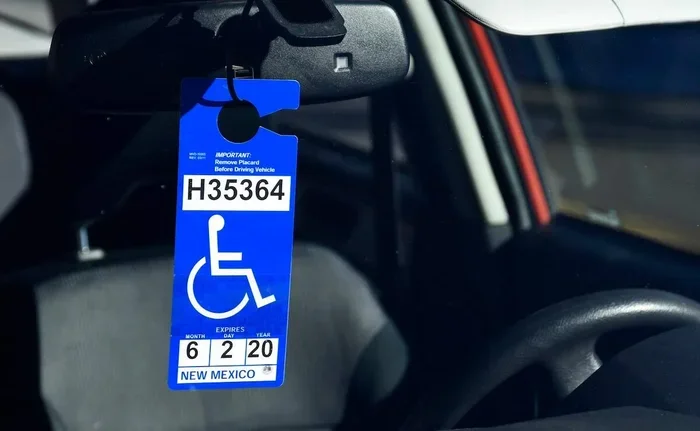
A handicap placard is a portable tag or card that allows people with disabilities to park in accessible parking spots. It is usually hung from the rearview mirror of your vehicle. The placard is issued by your state’s DMV handicap placard office or equivalent agency. It serves as proof that you are eligible for disabled parking privileges.
Types of Disability Parking Placards
There are generally two types of disability parking placards:
- Temporary placards: These are issued for short-term disabilities, such as recovery from surgery or a broken leg. They usually expire after a few months.
- Permanent placards: These are for long-term or chronic disabilities. They may need to be renewed every few years, depending on your state’s parking placard guidelines.
Who Qualifies for a Handicap Placard?
Qualification criteria vary by state, but common conditions include:
- Limited mobility due to arthritis, spinal injuries, or neurological conditions
- Need for a wheelchair, walker, or cane
- Vision impairment that makes walking difficult
- Heart disease, lung disease, or other conditions that limit walking distance
- Recovery from surgery or serious injury
To get a disabled parking tag, you typically need a doctor’s certification. Your physician will fill out a form confirming that your condition qualifies you for accessible parking permit rules. Once approved, you receive your placard, and it becomes yours to use whenever you need it.
Can I Use My Handicap Placard in Another Car?
Here is the most important question this article addresses. The answer is a clear yes. Your disability parking placard is personal to you. It is not tied to your specific vehicle or your license plate. This means you can absolutely use it when you are riding in someone else’s car, renting a vehicle, or driving a company car.
How the Placard Works Across Different Vehicles
When you park in a accessible parking spot, the handicap parking decal on your rearview mirror tells enforcement officers that you are authorized to park there. It does not matter whose car you are in. What matters is that you are present and that you have a valid disability parking permit.
For example, let us say your sister gives you a ride to the grocery store. You both park in a disabled parking spot because you have a handicap parking placard. This is perfectly legal because you are in the vehicle and you have the right to use accessible parking spaces.
Similarly, if you rent a car for a vacation, you can display your disability parking card in the rental vehicle. The rental company does not need to know anything special. Just hang your placard on the mirror and park legally.
When You Cannot Use Someone Else’s Placard
While you can use your own placard in any car, you cannot use someone else’s. If your friend offers to let you hang their handicap parking tag in your car while they are not present, that is illegal. Parking placard abuse is a serious offense in most states. Your disability parking privileges belong to you and only you.
This is one of the most common mistakes people make. Even if the person with the placard is nearby, using their tag without them being in the vehicle can result in a fine. Always carry your own accessible parking permit when you park.
Rules for Using Your Disability Parking Placard in Different Vehicles
Using your handicap placard in another car is straightforward, but there are rules you must follow. Understanding these parking placard laws will help you stay compliant and avoid unnecessary trouble.
Display Rules
Your disability parking placard must always be displayed properly. Here are the basic accessible parking compliance rules:
- Hang the placard from the rearview mirror so it is clearly visible
- Do not place it on the dashboard or hide it under a seat
- Make sure the placard is not expired or suspended
- Keep the placard clean and legible so officers can read it easily
Passenger vs. Driver Rules
Whether you are driving or riding as a passenger, your disabled parking tag is valid. If you are a passenger in a friend’s car, you can still park in an accessible parking spot as long as you display your own placard. The same applies if you are in a taxi, rideshare, or shuttle vehicle.
However, if you are the driver and you do not have a valid disability parking permit, you cannot park in an accessible spot even if there is a placard hanging in the mirror. The placard must belong to the person who is actually using the parking space.
State-by-State Variations
One thing to keep in mind is that parking placard guidelines differ from state to state. While the general principle is the same, some states have specific rules about:
- How long a temporary placard remains valid
- Whether out-of-state placards are honored
- Penalties for handicap parking abuse
- Renewal processes for disabled parking permits
If you are traveling to another state, it is a good idea to check that state’s accessible parking regulations before you go. Most states honor out-of-state placards, but there can be exceptions. Always carry a copy of your DMV handicap placard paperwork when traveling.
Common Mistakes People Make with Handicap Placards
Even well-meaning people make mistakes with their disability parking placard. Being aware of these common errors can save you from fines, penalties, and the hassle of dealing with accessible parking violation tickets.
Mistake 1: Letting Someone Else Use Your Placard
This is the number one mistake. Your handicap parking decal is for your personal use only. If you let a healthy friend or family member use your accessible parking permit while you are not in the car, you are violating parking placard laws. Enforcement officers take this very seriously, and the penalties can be steep.
Mistake 2: Forgetting to Renew
Many people let their disabled parking tag expire without realizing it. Check your parking placard renewal dates well in advance. Most states send renewal notices by mail, but do not rely on that alone. Mark your calendar and submit your renewal application early.
Mistake 3: Not Displaying the Placard Properly
Simply having a valid disability parking card is not enough. You must display it correctly on your rearview mirror. If an officer cannot see your placard, you could be ticketed for accessible parking violation. Make it a habit to hang it up every time you get in a car.
Mistake 4: Using an Expired or Damaged Placard
A faded, torn, or expired handicap parking tag is essentially useless. Officers may issue a citation if your placard is not clearly readable. Inspect your disabled parking permit regularly and replace it if it shows signs of wear.
Mistake 5: Parking in Accessible Spots Without Need
Even if you have a handicap placard, you should only use accessible parking spots when you actually need them. These spots are designed for people with mobility challenges. Using them when you do not need them takes away from someone who genuinely needs the space.
What Happens If You Abuse Your Accessible Parking Permit?
Handicap parking abuse is taken very seriously across the United States. When someone misuses a disability parking placard, it undermines the system that is meant to help people with real disabilities. Here is what can happen if you abuse your accessible parking permit.
Fines and Penalties
Fines for accessible parking violation vary by state but can range from $100 to over $1,000 in some jurisdictions. Repeat offenders may face even higher fines. In addition to monetary penalties, you could face points on your driving record in certain states.
Placard Suspension or Revocation
If you are caught misusing your disabled parking privileges, your DMV handicap placard may be suspended or revoked entirely. This means you lose the ability to park in accessible parking spots altogether. Getting your placard back can be a lengthy and frustrating process.
Legal Consequences
In extreme cases, parking placard abuse can lead to criminal charges. This is especially true if someone is selling fake placards or using another person’s disability parking card fraudulently. The accessible parking regulations are enforced to protect people who truly need these accommodations.
How to Renew and Maintain Your Disabled Parking Tag
Keeping your handicap parking decal in good standing is essential. A lapsed or damaged placard can cause problems when you are trying to park in a disabled parking spot. Here is how to keep everything in order.
Know Your Renewal Dates
Mark your parking placard renewal date on your calendar as soon as you receive your placard. Most temporary placards expire within a few months, while permanent ones may need renewal every two to five years. Set a reminder a month before your expiration date so you have time to gather the necessary documents.
What You Need for Renewal
Renewal requirements vary by state, but generally you will need:
- A renewed doctor’s certification confirming your disability
- Your current disability parking placard
- A completed renewal application form
- Payment for the renewal fee (if applicable)
Replacing a Lost or Damaged Placard
If your handicap placard is lost, stolen, or damaged, contact your local DMV handicap placard office right away. Most states allow you to request a replacement disabled parking permit either online, by mail, or in person. There is usually a small replacement fee.
Keeping Your Placard in Good Condition
To extend the life of your disability parking tag, keep it in a safe place when not in use. Avoid exposing it to excessive heat, moisture, or direct sunlight. When you hang it on your mirror, make sure the holes are not tearing. A little care goes a long way in ensuring your accessible parking permit remains valid and readable.
Final Thoughts on Using Your Handicap Placard in Another Car
So, to answer the question once and for all: can I use my handicap placard in another car? Yes, you absolutely can. Your disability parking placard is yours. It follows you wherever you go, whether you are driving your own car, riding with a friend, or renting a vehicle for a trip.
The key is to use your handicap parking decal responsibly. Display it properly, never lend it to someone else, and keep it renewed. Understanding and following accessible parking rules ensures that the disabled parking privileges system continues to serve those who truly need it.
Knowledge is power. When you know the parking placard laws and accessible parking regulations, you can navigate any situation with confidence. Whether you are running errands in your neighbor’s car or picking up a rental for a road trip, your placard has you covered. Just remember the golden rule: your placard is for you, and you alone, whenever you need it.
Stay informed, stay compliant, and never hesitate to use your disabled parking permit when you need it. You earned it, and you deserve to use it without worry.
Frequently Asked Questions
Can I use my handicap placard in a rental car?
Yes, you can use your disability parking placard in a rental car. Your placard is tied to you personally, not to a specific vehicle. Just hang it on the rearview mirror and park in accessible parking spots as you normally would.
What happens if someone else uses my handicap placard?
If someone else uses your handicap parking decal without you present, it is considered parking placard abuse. Both you and the other person could face fines, and your disabled parking permit may be suspended or revoked.
Do handicap placards work in every state?
Most states honor out-of-state disability parking placards, but rules can vary. It is always a good idea to check the accessible parking regulations of the state you are visiting before you travel.
How long does a handicap placard last before it needs renewal?
Temporary placards usually expire within three to six months, while permanent placards may last two to five years depending on your state. Always check your parking placard renewal dates to avoid losing your disabled parking privileges.
Can I park in accessible spots without displaying my placard?
No, you must always display your valid handicap parking tag on your rearview mirror when parking in accessible parking spots. Without it, you risk receiving an accessible parking violation ticket even if you have a legitimate disability parking permit.
Is there a fee to renew my handicap placard?
Many states charge a small fee for parking placard renewal, while others renew at no cost. Check with your local DMV handicap placard office or visit your state’s motor vehicle website for specific accessible parking permit rules and fees.