Can You Use Acetone on Car Paint Without Ruining It
Using acetone on car paint can cause serious damage if done incorrectly. This guide explains exactly what happens when acetone touches your vehicle’s clear coat, paint layers, and primer. You will learn safe removal methods, better alternatives, and how to protect your car’s finish from chemical harm.
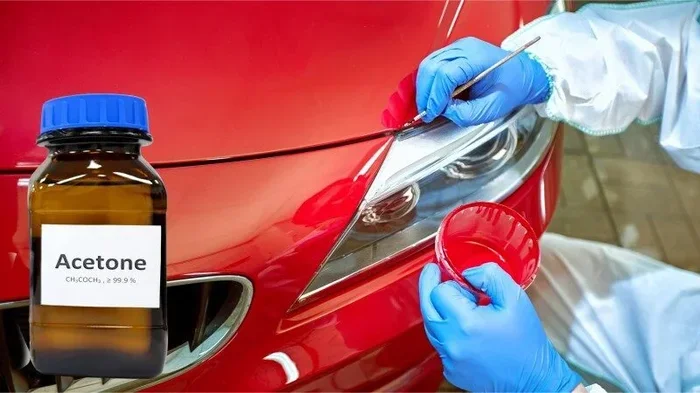
Have you ever had a stubborn stain on your car and wondered if acetone would do the trick? You are not alone. Many car owners face this exact dilemma. Acetone is a powerful solvent found in nail polish remover and many household cleaners. It works wonders on certain surfaces. But can you use acetone on car paint without causing irreversible harm?
The short answer is: it depends. Acetone can damage automotive paint if used carelessly. However, a quick, controlled application on a small spot usually will not ruin your finish. The real danger comes from leaving acetone on paint for too long or using it on the wrong type of surface. In this guide, we will walk you through everything you need to know. You will learn how acetone affects different paint layers, what safer options exist, and how to protect your car’s finish for years to come.
Whether you are dealing with a fresh sap spot, stubborn adhesive residue, or old paint overspray, this article has you covered. We will break down the science in simple terms. You will walk away with practical advice you can use right away.
Key Takeaways
- Acetone can damage car paint: It dissolves clear coats and strips protective layers from automotive surfaces.
- Brief contact is less risky: Quick, controlled use on a small spot may not ruin paint, but prolonged exposure is dangerous.
- Safer alternatives exist: Isopropyl alcohol, detailing clay, and dedicated paint removers work without harming your finish.
- Always test first: Apply any solvent to a hidden area before using it on visible paint surfaces.
- Act fast if acetone spills: Rinse immediately with water and mild soap to minimize damage.
- Professional help is an option: For stubborn stains or paint correction, a detailer can restore your car’s finish safely.
📑 Table of Contents
- What Happens When Acetone Touches Car Paint
- Common Situations Where People Consider Using Acetone
- Safer Alternatives to Acetone for Car Paint
- How to Safely Remove Contaminants from Car Paint
- What to Do If Acetone Damages Your Car Paint
- Expert Insights on Using Solvents Around Car Paint
- Common Mistakes to Avoid When Cleaning Car Paint
- Final Thoughts
What Happens When Acetone Touches Car Paint
To understand the risks, you need to know how car paint is built. Modern automotive paint has multiple layers. Each layer serves a specific purpose. Let us break them down.
The Layers of Car Paint
Car paint typically has three main layers. The first is the primer. It adheres the paint to the metal body. The second is the base coat. This is the color layer. The third is the clear coat. It sits on top and provides gloss and protection.
Acetone attacks the clear coat first. It dissolves the protective layer quickly. Once the clear coat is compromised, the base coat underneath becomes exposed. Over time, this leads to fading, dullness, and even peeling. The damage gets worse the longer acetone stays in contact with the surface.
How Acetone Affects Automotive Clear Coat
Clear coat is designed to resist UV rays and minor scratches. It is not designed to resist strong solvents. Acetone breaks down the chemical bonds in the clear coat. This causes it to become cloudy, soft, and eventually peel away.
Here is what you might notice if acetone damages your paint:
- Cloudy or hazy spots where the acetone was applied
- Loss of gloss in the affected area
- Peeling or flaking of the clear coat
- Discoloration of the base coat underneath
- Rough texture that feels different from the surrounding paint
The severity of the damage depends on several factors. These include how long the acetone stayed on the paint, the type of clear coat, and the age of the paint. Older paint tends to be more vulnerable. Newer clear coats with advanced polymers may resist brief contact better, but they are not immune.
Does the Type of Car Paint Matter?
Yes, it absolutely does. Different vehicles use different paint systems. Older cars from the 1960s and 1970s often used lacquer-based paint. Lacquer is highly sensitive to acetone. Even a brief wipe can cause permanent damage.
Modern cars typically use urethane-based paint systems. These are more durable and solvent-resistant. But urethane is not invincible. Prolonged acetone exposure will still cause harm. Some luxury brands use specialized clear coats with extra layers of protection. Even these premium finishes can suffer from acetone damage over time.
If you own a classic car or a restored vehicle, you should be especially careful. Vintage paint jobs are often more delicate and harder to repair. Always research your specific paint type before applying any solvent.
Common Situations Where People Consider Using Acetone
Why do people reach for acetone in the first place? Let us look at some common scenarios. Understanding these situations helps you find better solutions.
Removing Tree Sap or Bug Splatter
Tree sap and bug residue are common nuisances. They stick to paint and can cause etching if left too long. Some people use acetone to dissolve these substances quickly. While acetone does break down sap, it also strips away the clear coat in the process. This trade-off is rarely worth it.
Instead, use a dedicated bug and sap remover. These products are formulated to dissolve organic debris without harming paint. A quick detail spray or clay bar treatment also works well.
Stripping Paint Overspray
Paint overspray from a nearby spray job can land on your car. It creates a rough, textured surface. Acetone is sometimes suggested to dissolve overspray. However, it often damages the surrounding paint in the process.
A safer approach is using a clay bar or a paint correction compound. These tools remove overspray gently. They preserve the clear coat and restore a smooth finish.
Cleaning Adhesive Residue from Stickers or Decals
Removing a bumper sticker or decal often leaves behind sticky residue. Acetone can dissolve this adhesive effectively. But again, it comes at a cost to your paint.
Try a heat gun or hair dryer first. Warming the adhesive softens it and makes removal easier. For remaining residue, use a dedicated adhesive remover designed for automotive use. These products are much gentler on your finish.
Dealing with Paint Stains from Household Products
Sometimes paint from a can, marker, or household cleaner splashes onto your car. The instinct is to reach for acetone to clean it up fast. But acetone can react with the paint already on your car and make things worse.
Blot the stain immediately with a microfiber cloth and mild soap. For tougher stains, use a product specifically designed for automotive paint cleaning. Quick action is your best defense against permanent damage.
Safer Alternatives to Acetone for Car Paint
The good news is you have plenty of options. You do not need to risk your paint job with harsh solvents. Let us explore some safer alternatives.
Isopropyl Alcohol (IPA)
Isopropyl alcohol is a milder solvent than acetone. It is widely used in car detailing for decontamination. A 10% to 15% IPA solution works well for removing light contamination. It will not damage your clear coat when used properly.
Always dilute IPA before applying it to paint. Higher concentrations can still cause issues. Test on a hidden panel first and wait 24 hours to check for any reaction.
Detailing Clay Bar
A clay bar is one of the best tools for removing surface contaminants. It lifts off sap, overspray, and adhesive residue without chemicals. You use it with a lubricant spray to glide it smoothly over the paint.
Clay barring is safe for all paint types. It does not dissolve any layer of your paint. It simply removes what is sitting on top. This makes it an excellent first step before any chemical treatment.
Paint Correction Compounds
For tougher stains or light etching, a paint correction compound can help. These products use very fine abrasives to level the paint surface. They remove contaminants while restoring gloss.
Use a compound with a dual-action polisher for best results. Always follow up with a polish and wax or sealant to protect the paint afterward.
Dedicated Automotive Solvents
Many brands make solvents specifically formulated for automotive use. These products are designed to be effective yet gentle on paint. Look for pH-neutral options that are safe for clear coats.
Some popular choices include Gyeon Q2 Preserve, Koch Chemie Pol Star, and Meguiar’s Smooth Surface Clay Kit. These products are widely available and trusted by professional detailers.
Iron and Tar Removers
For specific types of contamination, specialized removers work best. Iron fallout removers dissolve embedded metal particles safely. Tar removers lift tar spots without abrasion or harsh chemicals.
These products are far safer than acetone for targeted cleaning. They are especially useful for maintaining paint health between washes.
How to Safely Remove Contaminants from Car Paint
Now that you know the risks and alternatives, let us walk through a safe removal process step by step.
Step-by-Step Safe Contaminant Removal
- Rinse the area with clean water to remove loose dirt and debris.
- Apply a dedicated cleaner or iron/tar remover to the affected spot.
- Let it dwell for the time recommended on the product label.
- Gently agitate with a microfiber cloth or soft brush if needed.
- Rinse thoroughly with water to remove all product residue.
- Dry the area with a clean, soft microfiber towel.
- Inspect the result. If residue remains, repeat the process or try a clay bar.
- Apply a layer of wax or sealant to protect the treated area.
This method works for most common contaminants. It keeps your paint safe and maintains the protective layers. Patience is key. Rushing the process or using harsh solvents often causes more problems than it solves.
Quick Tips for Protecting Your Paint
- Wash your car regularly to prevent buildup of contaminants.
- Use a two-bucket method when washing to avoid swirl marks.
- Apply a quality wax or ceramic coating for an extra layer of defense.
- Park in shaded areas when possible to reduce UV exposure.
- Address stains quickly before they have time to bond with the paint.
- Keep a microfiber cloth and detailing spray in your car for emergencies.
Prevention is always easier than repair. A little regular maintenance goes a long way in preserving your car’s appearance.
What to Do If Acetone Damages Your Car Paint
Despite your best efforts, accidents happen. If acetone has already contacted your car paint, do not panic. Here is what you should do immediately and what options you have for repair.
Immediate Steps to Take
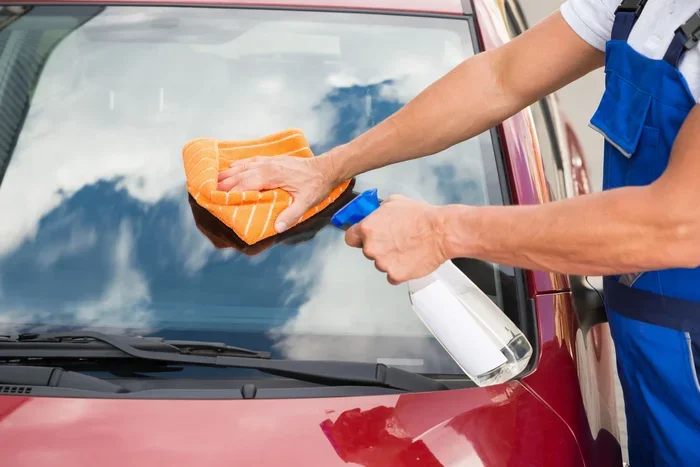
If acetone spills on your car, act fast. Blot the area with a clean microfiber cloth. Do not rub, as this spreads the solvent. Rinse the spot thoroughly with cool water. Use a mild car wash soap to gently clean the area.
Inspect the damage once the area is dry. If the paint still looks and feels smooth, the damage may be minimal. A quick application of a quality wax can help restore some protection and shine.
Minor Damage Repair
For slight cloudiness or dullness, a compound and polish can often fix the issue. Apply a small amount of paint correction compound to the affected area. Use a foam pad on a dual-action polisher set to low speed. Work in small sections and check your progress frequently.
After polishing, apply a coat of wax or sealant. This restores the protective layer and brings back the gloss. Minor acetone damage is often fully reversible with proper technique.
Severe Damage and Professional Help
If the clear coat has peeled or the paint shows deep etching, you will likely need professional help. A professional detailer or paint repair specialist can assess the damage and recommend the best course of action. Options may include spot repainting, clear coat restoration, or a full respray for severe cases.
Do not try to fix severe damage with DIY methods. Improper repairs can make the problem worse and cost more in the long run. A professional will have the right tools, products, and expertise to restore your paint properly.
Expert Insights on Using Solvents Around Car Paint
Professional detailers have strong opinions about acetone and car paint. Most agree that acetone should be a last resort, not a go-to solution. The risk-to-reward ratio simply does not favor it for most situations.
Experienced detailers recommend building a basic detailing toolkit instead. A good clay bar, a quality iron remover, a gentle cleaner, and a reliable wax or sealant can handle 95% of paint contamination issues. These tools are affordable and much safer than acetone.
Some detailers do use acetone in very controlled scenarios. For example, they might apply it briefly to remove a specific type of adhesive before immediately rinsing. But this is done with expertise and caution. It is not something recommended for the average car owner to attempt at home.
The bottom line is simple. Protect your car’s paint. Use products designed for automotive surfaces. Your future self will thank you when your car still looks great years from now.
Common Mistakes to Avoid When Cleaning Car Paint
Even well-meaning car owners make mistakes. Here are some pitfalls to watch out for:
- Using household cleaners on car paint. Products like window cleaner or all-purpose spray can strip wax and damage paint over time.
- Applying acetone without testing first. Always test any solvent on a hidden area before using it on visible paint.
- Leaving solvents on the paint too long. Dwell time matters. Follow product instructions carefully.
- Using abrasive tools on paint. Rough towels or old sponges can create micro-scratches that dull the finish.
- Skipping the protectant step. After cleaning or decontaminating, always apply wax or sealant to restore protection.
- Ignoring small stains. Small spots today become big problems tomorrow if left untreated.
Avoiding these mistakes will save you time, money, and the headache of paint repair. A little knowledge goes a long way in maintaining your car’s appearance.
Final Thoughts
So, can you use acetone on car paint without ruining it? The honest answer is that it is risky. Acetone is a strong solvent that can dissolve clear coats, strip protective layers, and cause permanent damage. Brief, controlled contact may not cause immediate harm, but it is simply not worth the gamble.
You have far better options available today. Dedicated automotive cleaners, clay bars, and paint correction compounds do the job safely and effectively. They protect your investment and keep your car looking its best. Take the time to use the right products for the right job. Your car’s paint will thank you.
Remember, prevention is your best strategy. Regular washing, quick stain removal, and proper protection with wax or ceramic coating will keep your paint in excellent condition for years. Stay proactive, stay informed, and your car will continue to turn heads wherever you go.
Frequently Asked Questions
Can acetone remove paint from a car without damaging the underlying layers?
No, acetone cannot selectively remove only the top layer of paint. It dissolves whatever it touches, including the clear coat and base coat. This is why it is so risky for automotive use. Always opt for a dedicated paint remover or clay bar instead.
How long can acetone sit on car paint before damage occurs?
Even a few minutes of contact can begin to affect the clear coat. The damage is not always immediate or visible right away. Over time, the treated area may become dull, cloudy, or start to peel. Rinse any acetone contact off immediately.
Is nail polish remover the same as pure acetone for car paint purposes?
Nail polish remover often contains acetone mixed with other chemicals and moisturizers. These additives do not make it safer for car paint. The acetone concentration in most nail polish removers is still high enough to cause damage. Avoid using it on your vehicle.
What should I do if I accidentally spilled acetone on my car?
Rinse the affected area immediately with cool water and mild soap. Dry it gently with a microfiber cloth. Inspect for any cloudiness or texture changes. If you notice damage, a paint correction compound may help restore the surface. For severe cases, consult a professional detailer.
Are there any paints that are completely resistant to acetone?
Some modern high-performance clear coats offer better solvent resistance than older formulations. However, no automotive paint is completely immune to acetone. Even the most advanced finishes will suffer damage with prolonged exposure. Always treat acetone as a threat to your paint.
Can I use acetone to clean paint tools or parts near my car?
Yes, acetone is fine for cleaning tools, rags, and parts that are not painted. Just be very careful to keep it away from your car’s painted surfaces. Work in a well-ventilated area and store acetone safely away from your vehicle.