Can You Turn Steering Assist Off And Why It Matters
Yes, you can turn steering assist off in many vehicles, but the method varies by car model and steering system type. Steering assist helps drivers park, navigate tight spaces, and maintain control, yet there are valid reasons to disable it. This guide covers everything you need to know about turning off steering assist safely.
Have you ever wondered if you can turn steering assist off in your car? Maybe the steering feels too light, or you want more road feedback when you drive. Perhaps you are planning a road trip and need to flat tow your vehicle. Whatever the reason, understanding how steering assist works and when to turn it off is important for every driver.
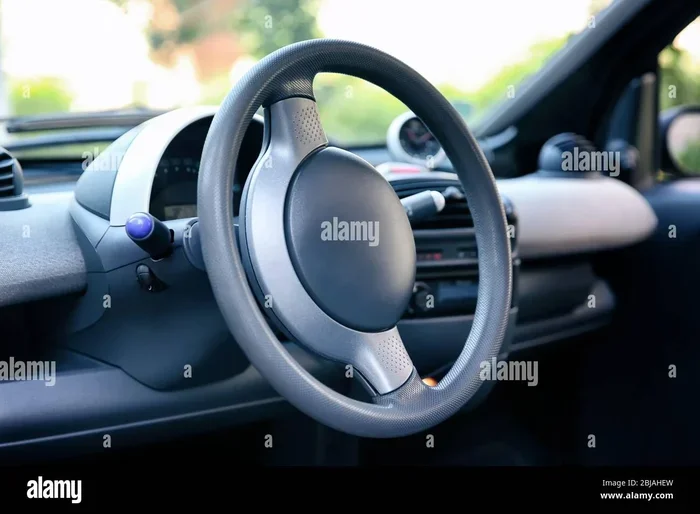
Steering assist is a feature found in most modern cars. It uses electric motors or hydraulic systems to help you turn the steering wheel with less effort. This technology makes driving easier, especially at low speeds and when parking. But it is not always welcome. Some drivers prefer a heavier steering feel. Others need to disable steering assist for specific situations like track days or vehicle transport.
In this article, we will answer the big question: can you turn steering assist off? We will explore how different steering systems work, why you might want to disable steering assist, and the step-by-step process for turning it off. We will also cover what happens when you do, common problems, and expert tips to keep you safe. By the end, you will have a clear picture of steering assist and how to control it.
Key Takeaways
- Steering assist can be turned off: Most modern vehicles with electric power steering allow you to disable steering assist, though the process differs by brand.
- You may want to turn it off for specific driving situations: Track driving, flat towing, and certain road conditions are common reasons drivers disable steering assist.
- Turning off steering assist changes your driving feel: The steering wheel becomes much heavier and requires more physical effort from the driver.
- Safety should always come first: Only disable steering assist when you fully understand the risks and are in a safe environment.
- Common problems can mimic steering assist issues: If your steering feels wrong, it might be a malfunction rather than a feature you need to adjust.
- Re-enabling steering assist is usually simple: Most vehicles let you turn the feature back on with the same method you used to turn it off.
📑 Table of Contents
- What Is Steering Assist and How Does It Work?
- Can You Turn Steering Assist Off?
- Why Would You Want to Turn Steering Assist Off?
- How to Turn Off Steering Assist: Step-by-Step
- What Happens When You Turn Off Steering Assist?
- Common Steering Assist Problems and How to Fix Them
- Expert Tips for Managing Steering Assist
- Conclusion
What Is Steering Assist and How Does It Work?
Before you can turn steering assist off, it helps to understand what it is and how it works. Steering assist is a technology built into your vehicle’s steering system. It reduces the amount of effort you need to turn the steering wheel. Without it, maneuvering a car at low speeds would feel like turning a heavy ship wheel.
Types of Steering Assist Systems
Not all steering assist systems are the same. Different vehicles use different technologies to help you steer. Here are the main types you will encounter:
- Electric Power Steering (EPS): This is the most common system in modern cars. An electric motor provides assistance based on your driving speed and how hard you push the steering wheel. Most vehicles with EPS allow you to adjust or turn off steering assist.
- Hydraulic Power Steering: Older vehicles and some performance cars use a hydraulic pump powered by the engine. This system provides constant assist and is harder to disable without major modifications.
- Electro-Hydraulic Steering: A hybrid system that uses an electric pump instead of a belt-driven one. It offers variable assist and is found in many modern sedans and SUVs.
- Adaptive Steering: Some luxury brands like BMW and Mercedes offer adaptive systems that change the steering ratio on the fly. These systems can often be adjusted or turned off through the dashboard menu.
How Steering Assist Benefits Daily Driving
Steering assist makes everyday driving much more comfortable. When you park your car in a tight spot, the system reduces the effort needed to turn the wheel. At highway speeds, it provides a more direct, stable feel. This variable assistance adapts to your driving conditions without you lifting a finger.
For most drivers, steering assist is a welcome feature. It reduces fatigue on long trips and makes the car easier to handle in city traffic. However, there are situations where drivers prefer to have more control over their steering feel.
Can You Turn Steering Assist Off?
The short answer is yes, in most cases you can turn steering assist off. But the method depends on your vehicle’s make, model, and year. Some cars make it easy with a simple button or menu option. Others require more effort or specialized tools.
Vehicles Where You Can Turn Steering Assist Off
Many popular car brands allow drivers to disable steering assist. Here are some common examples:
- Ford: Several Ford models, especially trucks and performance cars, have a steering assist toggle in the vehicle settings menu or on the steering wheel controls.
- Chevrolet: Some Chevy vehicles offer steering mode selection through the infotainment system, allowing you to reduce or eliminate assist levels.
- BMW: BMW vehicles with variable sport steering can be adjusted through the iDrive system. You can also turn off certain driver assistance features tied to steering.
- Tesla: Tesla vehicles allow you to adjust steering assist through the touchscreen under Autopilot settings.
- Toyota and Lexus: Some models offer steering mode options that change the level of assist provided.
Vehicles Where Steering Assist Cannot Be Easily Turned Off
Not all cars give you the option to turn steering assist off. Many modern vehicles integrate steering assist tightly with other safety systems. In these cars, disabling steering assist completely may not be possible without aftermarket modifications. If your vehicle does not offer a built-in option, consult your owner’s manual or a qualified mechanic before attempting any changes.
How to Find the Steering Assist Setting in Your Car
Not sure where the steering assist setting is in your car? Start by checking these common locations:
- The infotainment or settings menu on your touchscreen display.
- Buttons on the steering wheel, especially in vehicles with drive mode selectors.
- The vehicle settings under steering or driving assistance options.
- Physical switches located on the dashboard or center console.
If you cannot find the setting, your owner’s manual is the best resource. It will tell you exactly how to access and adjust steering assist features.
Why Would You Want to Turn Steering Assist Off?
There are several legitimate reasons to turn steering assist off. While most drivers keep it enabled for daily comfort, certain situations call for a different approach.
Track Driving and Performance Use
Many car enthusiasts prefer to turn steering assist off when driving on a track. With assist turned on, the steering can feel too light and disconnected at high speeds. Disabling it gives the driver a more authentic road feel. You get better feedback from the front tires, which helps you sense grip levels and cornering limits. This is especially popular among drivers who compete in amateur racing events or who simply enjoy spirited driving on closed courses.
Flat Towing and Vehicle Transport
If you need to flat tow your car behind an RV or truck, you must turn steering assist off. When a vehicle is towed with all four wheels on the ground, the steering system can be damaged if the engine is not running. Without the engine running, the power steering pump or electric motor does not work. Turning off steering assist prevents damage to the steering rack and other components during flat towing.
Steering Assist Malfunction and Error Messages
Sometimes steering assist fails, and your car displays a warning message. A common one is “Steering Assist Is Reduced, Drive With Care.” This message appears when the system detects a problem. It could be a faulty sensor, a wiring issue, or a problem with the electric motor. When this happens, the system may reduce assist automatically, making the steering feel heavy. In some cases, you might want to turn the feature off entirely until you can get it repaired.
Personal Driving Preference
Some drivers simply prefer a heavier steering wheel. They feel that heavy steering gives them more control and confidence. If you have driven older cars your whole life, the super-light feel of modern steering assist might feel unnatural or “numb.” Turning it off lets you enjoy a more traditional driving experience.
How to Turn Off Steering Assist: Step-by-Step
The exact steps to turn off steering assist vary by vehicle. Below are general methods that apply to many popular models. Always refer to your owner’s manual for specific instructions.
Method 1: Through the Infotainment Screen
This is the most common method for newer vehicles:
- Start the engine and let the vehicle come to a complete stop.
- Press the menu or settings button on your touchscreen.
- Navigate to the vehicle settings or driving assistance section.
- Look for steering assist, steering mode, or power steering options.
- Select the option to turn steering assist off or switch to a manual steering mode.
- Confirm your selection when prompted.
Once disabled, you should notice an immediate change in how the steering wheel feels. It will become noticeably heavier, especially at low speeds.
Method 2: Using Steering Wheel Controls
Some vehicles have dedicated buttons on the steering wheel for adjusting steering feel:
- Look for a steering mode button or a series of buttons labeled with steering icons.
- Press and hold the button for a few seconds until the display confirms the change.
- Some vehicles cycle through options like Comfort, Sport, and Off.
Method 3: Using a Drive Mode Selector
Vehicles with drive mode selectors (Comfort, Sport, Off-Road) may change steering assist levels rather than turning it off completely:
- Move the drive mode dial or switch to the Sport or Off-Road position.
- In some vehicles, this increases steering weight significantly, mimicking the feel of having assist turned off.
- Check if your vehicle has a custom or individual mode where you can fine-tune steering feel.
Method 4: Disconnecting the Electric Motor (Advanced)
For vehicles that do not offer a software option to turn steering assist off, some advanced users disconnect the electric power steering motor connector. This should only be done by experienced mechanics or in emergency situations. Incorrectly disconnecting steering components can damage the system or create unsafe driving conditions.
What Happens When You Turn Off Steering Assist?
When you turn steering assist off, several things change in how your vehicle drives. Understanding these changes helps you decide if disabling assist is right for your situation.
Heavier Steering Wheel
The most obvious change is that the steering wheel becomes much harder to turn. At low speeds, you will feel a significant increase in effort. This is especially noticeable when parking or making tight turns. For drivers who are not used to manual steering, this can be tiring and uncomfortable.
Reduced Low-Speed Maneuverability
Without steering assist, maneuvering your car in parking lots or tight spaces requires more physical strength. You may need to use both hands and even your body weight to turn the wheel. This is something to consider if you have any physical limitations that make steering difficult.
Improved Road Feedback at Higher Speeds
On the positive side, many drivers report better road feel when steering assist is off. You can sense more detail through the steering wheel, including road texture, camber changes, and front tire grip levels. This can make you a more confident and aware driver on open roads and tracks.
Impact on Safety Systems
Some safety systems rely on steering assist data to function properly. Lane keeping assist, for example, uses steering input data to help keep the car centered in its lane. When you turn steering assist off, these features may also be disabled or behave differently. Always check which safety features are affected before driving with assist turned off.
Common Steering Assist Problems and How to Fix Them
Sometimes steering assist issues are not about turning it off but about fixing a malfunction. Here are the most common problems drivers face and how to address them.
Steering Assist Malfunction Warning Light
If your dashboard shows a steering assist warning light, do not ignore it. This light means the system has detected a fault. Common causes include:
- A failing electric power steering motor
- Low voltage in the car battery
- Wiring or connector issues in the steering column
- A faulty steering angle sensor
Start by checking your battery. A weak battery is one of the most common causes of steering assist problems. If the battery is fine, have a mechanic diagnose the issue with a professional scan tool.
Steering Feels Stiff or Hard
If your steering suddenly becomes hard to turn, the steering assist system may have failed. This can happen due to a blown fuse, a malfunctioning motor, or a software glitch. Try restarting the vehicle first. If the problem persists, avoid driving long distances and get the car inspected.
Steering Feels Too Light or Numb
On the other end of the spectrum, some drivers find that steering assist makes the wheel feel too light. This can reduce your confidence, especially at highway speeds. Adjusting the steering mode or turning assist off partially can help restore a more natural feel.
Expert Tips for Managing Steering Assist
Here are some practical tips from automotive experts to help you get the most out of your steering assist system:
- Test your steering in a safe area first. Before driving on public roads with steering assist turned off, practice in an empty parking lot. This helps you get used to the heavier feel.
- Keep your owner’s manual handy. Every vehicle is different. Your manual will have the most accurate instructions for your specific model.
- Do not disable steering assist on public roads if you are not experienced. Heavy steering at low speeds can be exhausting and distracting, which increases the risk of an accident.
- Check for software updates. Some manufacturers release updates that improve steering assist functionality or add new adjustment options.
- Address warning lights immediately. If your car shows a steering assist warning, get it checked as soon as possible. Driving with a malfunctioning system can be dangerous.
Conclusion
So, can you turn steering assist off? The answer is yes for most vehicles, though the method varies widely depending on your car’s make and model. Whether you want to disable steering assist for track driving, flat towing, or personal preference, understanding how the system works puts you in control. Always prioritize safety when making changes to your vehicle’s steering settings. If you are unsure about any step, consult your owner’s manual or speak with a qualified mechanic. With the right knowledge, you can confidently adjust your steering assist to match your driving style and needs.
Steering assist is a wonderful technology that makes driving easier for millions of people every day. But knowing how and when to turn it off gives you flexibility and control. Whether you keep it on or turn it off, the choice is yours. Just make sure you understand the implications and drive safely no matter what setting you choose.
Frequently Asked Questions
Can turning off steering assist damage my car?
Turning off steering assist itself will not damage your car. However, driving with heavy steering for extended periods can cause driver fatigue, which may lead to unsafe situations. If you are flat towing your vehicle, be sure to follow the manufacturer’s guidelines to avoid damaging the steering system.
Why does my steering feel heavy even with steering assist on?
A heavy steering feel when assist is on usually indicates a problem. It could be a low battery, a failing power steering motor, or a sensor issue. Check for warning lights on your dashboard and have the vehicle inspected if the problem persists.
Can I turn steering assist off temporarily and turn it back on?
Yes, in most vehicles you can turn steering assist off and then turn it back on using the same method you used to disable it. The system typically resumes normal operation once you re-enable it. Always test the steering in a safe area after turning it back on.
Does turning off steering assist affect my car’s warranty?
Disabling steering assist through normal vehicle settings should not affect your warranty. However, physically modifying or disconnecting steering components may void certain coverage. Check with your dealer or read your warranty terms before making any hardware changes.
Is it safe to drive with steering assist turned off?
It can be safe if you are experienced and driving in appropriate conditions. Avoid driving with steering assist off in heavy traffic, bad weather, or on unfamiliar roads. The extra effort required to turn the wheel can be distracting and tiring, especially for drivers not used to manual steering.
How do I know if my steering assist is turned off?
Most vehicles display a message or icon on the dashboard or infotainment screen when steering assist is turned off. You will also notice that the steering wheel feels significantly heavier, especially at low speeds. If you are unsure, refer to your vehicle’s display for confirmation.