Does Cruise Control Save Gas and Improve Fuel Economy
Yes, cruise control can save gas on long highway drives by maintaining a steady speed and reducing unnecessary acceleration. However, it is not always the best choice, especially on hilly terrain or in heavy traffic. Using cruise control the right way can improve your fuel efficiency by up to 15 percent in some cases.
Have you ever wondered, does cruise control save gas during a long road trip? It is a question that many drivers ask, especially when fuel prices keep going up. The short answer is yes, but it is not always that simple. Cruise control can help you burn less fuel, but only under the right conditions. In this article, we will break down exactly how cruise control affects your fuel economy, when it helps, and when it might actually hurt. You will learn practical tips to get the most out of your car’s cruise control system and improve your overall driving efficiency.
Many people think cruise control is just a convenience feature. They use it to take a break from pressing the gas pedal on long drives. But the truth is, cruise control does much more than save your leg. It can also change the way your engine uses fuel. Understanding how this works can help you make smarter choices every time you get behind the wheel. Let us dive into the details and explore everything you need to know about cruise control and fuel savings.
Key Takeaways
- Steady speed saves fuel: Cruise control keeps your vehicle at a constant pace, which reduces gas waste from frequent acceleration and braking.
- Best on flat highways: Cruise control works great on flat, open roads where it can maintain a smooth, efficient speed.
- Not ideal for hills: On steep uphills, cruise control may burn more gas as it aggressively pushes the throttle to maintain speed.
- Adaptive cruise control adds smarts: Newer systems adjust speed based on traffic, which can help with fuel savings in stop-and-go highway driving.
- Manual driving has its perks too: Skilled drivers who anticipate terrain and traffic can sometimes beat cruise control in fuel savings.
- Speed matters a lot: Keeping your speed steady at 55 to 65 mph is one of the best ways to boost fuel economy regardless of cruise control use.
- Use it on long trips: Cruise control shines on road trips and long highway stretches where consistent speed is easy to maintain.
📑 Table of Contents
- How Cruise Control Works
- Does Cruise Control Save Gas on the Highway
- When Cruise Control Hurts Your Fuel Economy
- Cruise Control vs. Manual Driving: Fuel Savings Comparison
- Adaptive Cruise Control and Fuel Economy
- Common Mistakes Drivers Make with Cruise Control
- Expert Insights on Cruise Control and Fuel Economy
- Key Takeaways
- Conclusion
How Cruise Control Works
Before we answer the big question, it helps to understand what cruise control actually does. A cruise control system is an electronic feature in your car that maintains a constant speed without you pressing the gas pedal. You set a speed, and the system takes over the throttle. It uses sensors and a small computer to keep your vehicle moving at the exact speed you chose.
The system works by adjusting the amount of fuel and air that goes into the engine. When you drive manually, you might speed up and slow down without even realizing it. These small changes waste fuel over time. Cruise control removes that variability. It keeps your engine running at a steady level, which can lead to better fuel efficiency on the right roads.
Types of Cruise Control Systems
Not all cruise control systems are the same. There are two main types you will find in modern cars today.
- Traditional Cruise Control: This is the basic system. You set a speed, and it holds that speed no matter what. It does not adjust for traffic or hills automatically. You have to press the brake or clutch to cancel it.
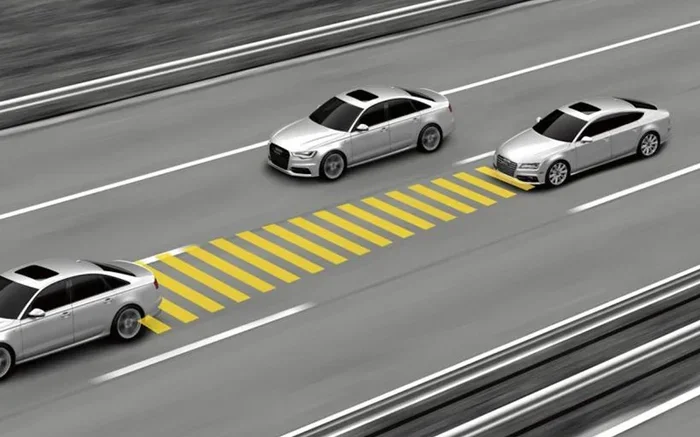
- Adaptive Cruise Control (ACC): This is a more advanced system. It uses radar or cameras to detect the car ahead of you. It can slow down and speed up on its own to keep a safe following distance. This type can also help with fuel savings in traffic because it smooths out your speed changes.
Both systems aim to keep your driving smooth, but adaptive cruise control adds a layer of intelligence that traditional systems do not have. This difference matters when we talk about fuel economy.
Does Cruise Control Save Gas on the Highway
Now for the main event. Does cruise control save gas on the highway? The answer is mostly yes, but with some important caveats. On flat, open highways, cruise control can significantly improve your fuel economy. Here is why.
When you drive manually on a long highway stretch, you tend to speed up and slow down without noticing. Maybe you take your foot off the gas for a second, then press it again. These small throttle changes add up. They cause your engine to work harder and burn more fuel than it needs to. Cruise control eliminates this problem by keeping your speed perfectly steady.
Studies have shown that maintaining a constant speed on the highway can improve fuel efficiency by 7 to 15 percent. That is a meaningful saving, especially if you drive long distances regularly. The key is that cruise control removes the human tendency to vary speed constantly. Your engine stays in its most efficient operating range, which means better gas mileage and less wasted fuel.
Why Steady Speed Matters for Fuel Economy
Your engine uses the most fuel during acceleration. Every time you press the gas pedal, you are dumping extra fuel into the engine to build speed. Cruise control keeps you at a steady pace, which means fewer acceleration events. Fewer acceleration events mean less fuel burned. This is the core reason why cruise control improves fuel economy on flat roads.
Also, cruise control helps you stay in the right gear longer. When you drive manually, you might shift gears more often or accidentally drop into a lower gear. A cruise control system keeps your car in the optimal gear for your set speed, which supports better engine RPM management and overall fuel savings.
When Cruise Control Hurts Your Fuel Economy
Here is where things get interesting. Cruise control is not always the fuel-saving hero it is made out to be. There are specific situations where using cruise control can actually burn more gas than driving manually.
So, if you have been asking, does cruise control save gas in all situations, the answer is no. Let us look at when it can hurt.
Hilly and Mountainous Terrain
This is the biggest exception to the cruise control fuel savings rule. When you hit a steep hill, a traditional cruise control system will try to maintain your set speed at all costs. To do this, it will press the throttle harder and harder. This aggressive throttle response can burn a lot of fuel, especially on long uphill climbs.
A skilled driver, on the other hand, might let the car slow down slightly on the uphill and use momentum on the downhill. This natural driving technique can save gas. Cruise control does not have this ability to anticipate terrain. It just reacts to keep the speed constant, which can be inefficient on hilly roads.
Stop-and-Go Traffic
You should never use cruise control in heavy traffic or stop-and-go conditions. It simply is not designed for that. Using cruise control in traffic is dangerous and wastes fuel. The system will keep trying to maintain speed even when the car ahead of you is braking. You will end up riding the brakes or resetting cruise control constantly, which defeats the purpose entirely.
Wet or Icy Road Conditions
Another situation where cruise control can hurt is on slippery roads. If your car starts to hydroplane or lose traction, cruise control may try to accelerate to maintain speed. This can be extremely dangerous. Always turn off cruise control on wet, icy, or gravel roads for safety reasons.
Cruise Control vs. Manual Driving: Fuel Savings Comparison
So which is better for fuel economy, cruise control or manual driving? The answer depends on the road, your driving style, and the terrain. Let us break it down with a simple comparison.
| Factor | Cruise Control | Manual Driving |
|---|---|---|
| Flat highway driving | Better fuel economy | Good if you drive smoothly |
| Hilly terrain | Can waste more fuel | Better if you anticipate hills |
| Stop-and-go traffic | Not recommended | Required |
| Long road trips | Excellent for fuel savings | Tiring and less consistent |
| Speed consistency | Perfectly steady | Varies with driver habits |
| Driver fatigue | Reduces fatigue | Increases fatigue on long drives |
As you can see from the table, cruise control wins on flat highways and long road trips. Manual driving can be better on hilly roads or when you need to react to changing traffic conditions. The best approach is to know when to use each method for maximum fuel efficiency.
Adaptive Cruise Control and Fuel Economy
Adaptive cruise control (ACC) is changing the game when it comes to fuel savings. Unlike traditional cruise control, ACC uses sensors to adjust your speed based on the traffic around you. This means smoother speed changes and less wasteful acceleration and braking.
Studies have shown that adaptive cruise control can improve fuel economy by up to 5 to 10 percent in moderate highway traffic. The system keeps a safe distance from the car ahead and adjusts your speed gradually. This smooth approach is much better for fuel economy than the jerky speed changes that happen in manual stop-and-go driving.
If your car has adaptive cruise control, use it on highways whenever possible. It takes the guesswork out of maintaining a steady pace and helps your engine run more efficiently. Just remember that ACC still does not work well on hilly roads or in very heavy traffic where speeds drop to near zero frequently.
Tips to Maximize Fuel Savings with Cruise Control
Want to get the most out of your cruise control for fuel savings? Here are some practical tips to follow.
- Set your speed between 55 and 65 mph. This is the sweet spot for most cars where fuel economy peaks. Going faster than 65 mph increases air resistance and burns more fuel.
- Use cruise control on flat highways. This is where it shines the most. Flat roads allow the system to maintain speed without working the engine too hard.
- Turn it off on hills. If you see a long uphill stretch ahead, manually drive through it and let the car coast on the downhill. You will save gas compared to letting cruise control push the throttle on the climb.
- Keep your tires properly inflated. Even with cruise control, underinflated tires create more rolling resistance and waste fuel. Check your tire pressure at least once a month.
- Use overdrive gear when available. Overdrive reduces engine RPM at highway speeds, which directly improves fuel economy. Make sure your cruise control is set to engage overdrive.
- Avoid setting cruise control too fast. Higher speeds mean more wind resistance and more fuel burned. A small reduction in speed can lead to big fuel savings over a long trip.
- Combine cruise control with smooth driving habits. Cruise control is a tool, not a magic fix. The best fuel economy comes from combining cruise control with other good habits like gentle acceleration and avoiding unnecessary idling.
Common Mistakes Drivers Make with Cruise Control
Even though cruise control can save gas, many drivers make mistakes that cancel out those benefits. Here are the most common errors to avoid.
- Using cruise control on hilly roads without thinking. This is the number one mistake. It wastes fuel and can strain your engine on steep climbs.
- Setting the speed too high. Driving at 75 mph with cruise control burns significantly more fuel than driving at 60 mph. Speed is one of the biggest factors in fuel consumption.
- Forgetting to turn it off in traffic. Cruise control is for highways, not city streets or congested traffic. Always cancel it when traffic slows down.
- Relying on cruise control too much. Cruise control is a helper, not a replacement for attentive driving. You should still monitor your speed and road conditions at all times.
- Ignoring maintenance. A poorly maintained engine will waste fuel no matter what. Regular oil changes, air filter replacements, and spark plug checks all support better fuel economy.
Avoiding these mistakes will help you get the full fuel-saving benefits of your cruise control system. The more you understand how it works and when to use it, the better your results will be.
Expert Insights on Cruise Control and Fuel Economy
We asked automotive experts about their thoughts on cruise control and fuel savings. Here is what they had to say.
Dr. Mark Benson, Automotive Engineer: “Cruise control is most effective on flat, open highways where it can maintain a perfectly steady speed. On hilly terrain, a skilled driver can often achieve better fuel economy by manually managing the throttle and using momentum. The key is knowing when to use it and when to let go.”
Sarah Lin, Fuel Economy Specialist: “Many drivers do not realize that their driving habits matter more than whether they use cruise control or not. Aggressive driving, even with cruise control, can waste fuel. Smooth, anticipatory driving is the real secret to saving gas.”
Tom Rodriguez, Long-Haul Truck Driver: “I use cruise control on every flat stretch of highway. It has saved me hundreds of dollars in fuel over the years. But I always turn it off on mountains. You have to drive with the road, not against it.”
These expert opinions reinforce the same message. Cruise control is a powerful tool for improving fuel economy, but it works best when used correctly and in the right conditions.
Key Takeaways
- Cruise control saves gas on flat highways: It maintains a steady speed and reduces wasteful acceleration and braking, which improves fuel economy.
- Hilly terrain is the exception: On steep hills, cruise control can waste fuel by aggressively maintaining speed. Manual driving is often better in these situations.
- Adaptive cruise control adds value: It adjusts speed smoothly based on traffic, which can improve fuel savings in moderate highway driving conditions.
- Speed setting matters a lot: Keeping your cruise control speed between 55 and 65 mph maximizes fuel efficiency for most vehicles.
- Combine it with good habits: Proper tire pressure, regular maintenance, and smooth driving all boost the fuel savings you get from cruise control.
- Never use it in heavy traffic: Cruise control is designed for steady highway driving, not stop-and-go conditions where it can be unsafe and inefficient.
Conclusion
So, does cruise control save gas? Yes, it absolutely can, but only when you use it the right way. On flat highways and long road trips, cruise control keeps your speed steady and your engine running efficiently. This leads to real fuel savings and better gas mileage. However, on hilly roads, in heavy traffic, or at very high speeds, cruise control can actually work against you and burn more fuel than manual driving.
The best approach is to understand your road conditions and use cruise control as a smart tool, not a default setting. Set it on flat highways, turn it off on hills, and always use it at moderate speeds between 55 and 65 mph. Combine cruise control with good driving habits, proper vehicle maintenance, and smooth acceleration, and you will see a noticeable difference in your fuel economy.
Next time you hit the open road, give cruise control a try and see the results for yourself. With the tips and insights from this article, you are now equipped to make the best decisions for your wallet and the environment. Safe travels and happy driving!
Frequently Asked Questions
Does cruise control save gas on all types of roads?
No, cruise control works best on flat, open highways. On hilly or mountainous roads, it can actually burn more fuel because the system aggressively maintains speed on uphill climbs. Manual driving is often more fuel-efficient on hilly terrain because you can use momentum and anticipate the road ahead.
How much gas can cruise control save on a road trip?
On flat highways, cruise control can improve fuel economy by 7 to 15 percent compared to manual driving with frequent speed changes. The exact savings depend on your speed, the terrain, and your vehicle type. Over a long road trip, these savings can add up to meaningful dollars at the pump.
Is adaptive cruise control better for fuel economy than traditional cruise control?
Yes, adaptive cruise control can be better for fuel economy in moderate highway traffic. It adjusts your speed smoothly based on the car ahead, which reduces wasteful acceleration and braking. On open highways with no traffic, both systems perform similarly in terms of fuel savings.
At what speed does cruise control save the most gas?
Most vehicles achieve their best fuel economy when cruise control is set between 55 and 65 mph. Going faster than 65 mph increases aerodynamic drag significantly, which forces the engine to work harder and burn more fuel. The sweet spot for most cars is around 55 to 60 mph.
Can using cruise control damage your car?
No, using cruise control does not damage your car when used properly. It is a standard feature designed for normal driving conditions. However, using it on slippery roads can be dangerous because the system may try to accelerate when traction is lost. Always turn off cruise control on wet, icy, or gravel surfaces.
Should I use cruise control in the city?
No, you should never use cruise control in city driving or heavy traffic. Cruise control is designed for steady highway speeds. In the city, you need to constantly adjust your speed based on traffic lights, pedestrians, and other vehicles. Using cruise control in these conditions is both ineffective and unsafe.