Can You Drive a Car Without Steering Assist Enabled
Yes, you can drive a car without steering assist, but it is not easy or safe for long periods. When steering assist fails or is disabled, the steering wheel becomes very heavy and hard to turn, especially at low speeds or when parking. Understanding your car steering system and recognizing steering assist failure signs early can keep you safe on the road. This guide covers everything you need to know about driving with or without steering assist.
This is a comprehensive guide about Can You Drive a Car Without Steering Assist.
Key Takeaways
- You can drive without steering assist: but expect significantly heavier steering effort, especially at low speeds.
- Steering assist failure is a serious issue: it can make your vehicle hard to control and increase accident risk.
- Common causes include: a faulty EPS module, low power steering fluid, damaged steering rack, or electrical problems.
- Warning signs are clear: a heavy steering wheel, dashboard warning lights, and strange noises all point to trouble.
- Resetting the system often helps: simple fixes like restarting the car or checking fuses can restore steering assist.
- Safety comes first: if steering assist fails at high speed, pull over safely and seek professional help immediately.
[FEATURED_IMAGE_PLACEHOLDER]
Can You Drive a Car Without Steering Assist Enabled
Have you ever turned the key and felt your steering wheel become unexpectedly stiff? Maybe a warning light popped up on your dashboard, and now you are wondering if it is safe to keep driving. The question can you drive a car without steering assist comes up more often than you might think, especially among owners of modern vehicles equipped with electric power steering systems.
The short answer is yes, you can drive a car without steering assist. But the real question is whether you should, and for how long. Driving without steering assist makes your steering wheel extremely heavy and hard to turn. It changes the way your car handles and puts extra strain on your arms, shoulders, and neck. In this article, we will walk you through everything you need to know about steering assist, what happens when it fails, and how to stay safe on the road.
What Is Steering Assist and How Does It Work
Before you can understand what happens when steering assist is gone, you need to know how it works in the first place. Steering assist is a system that helps you turn the steering wheel with less effort. It uses either hydraulic fluid or an electric motor to boost your steering effort so that turning the wheel feels smooth and easy.
How Power Steering Systems Function
Most modern cars use one of two types of power steering systems. The first is hydraulic power steering, which uses a pump and pressurized fluid to help you turn the wheel. The second is electric power steering, or EPS, which uses an electric motor attached to the steering column or steering rack. Both systems reduce the amount of force you need to apply when turning.
When you turn the steering wheel, sensors detect your input. The system then adds the right amount of steering assist to make the turn smooth. This is especially helpful when you are parking, driving slowly, or making tight turns. Without this assist, you would have to use a lot more muscle just to steer the car.
Types of Steering Assist Systems
Not all steering assist systems are the same. Here are the main types you will find in cars today:
- Hydraulic Power Steering (HPS): Uses a belt-driven pump and hydraulic fluid. Common in older vehicles and some trucks.
- Electric Power Steering (EPS): Uses an electric motor. Found in most modern cars, SUVs, and crossovers.
- Variable Ratio Steering: Adjusts the steering ratio based on speed for better control.
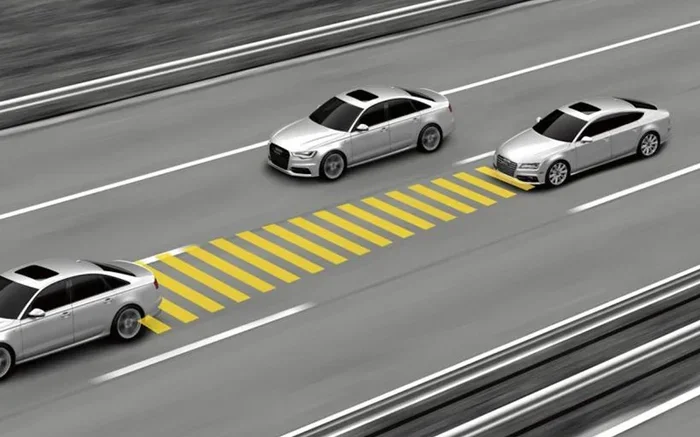
- Active Steering Systems: Advanced systems that adjust steering angle automatically for better stability.
Each system has its own way of providing steering assist, but they all share the same goal: making your driving easier and safer. When any of these systems fail, you lose that valuable assistance.
Can You Drive a Car Without Steering Assist Enabled
So, can you drive a car without steering assist enabled? Technically, yes. The car will still move, and the wheels will still turn. But the experience is very different from what you are used to. Let us break down what actually happens when your steering assist is disabled or fails.
What Happens When Steering Assist Fails
When steering assist stops working, the steering wheel becomes very heavy. At low speeds, like in a parking lot, turning the wheel can feel almost impossible without real effort. At higher speeds, the wheel may feel a bit lighter because of the natural weight of the tires and road grip, but it is still much harder to turn than normal.
Here is what you might experience when steering assist is disabled:
- A steering wheel that feels rock hard to turn
- Difficulty parking or making U-turns
- Increased fatigue in your arms and shoulders
- Slower response when trying to avoid obstacles
- A feeling of instability, especially at low speeds
Driving without power steering is not impossible, but it is tiring and can be dangerous, especially in emergency situations where you need quick, precise steering input.
Steering Without Power Assist
Older cars from the 1960s and 1970s did not have power steering at all. Drivers back then were used to heavy steering wheels. But today’s cars are designed with steering assist as a standard feature. The steering effort required without assist is much higher than what most drivers expect.
If you find yourself in a situation where your steering assist has failed, drive slowly and avoid sharp turns. Pull over as soon as it is safe to do so. Driving long distances without steering assist can lead to muscle strain and reduced reaction time, both of which increase your risk of an accident.
Warning Signs Your Steering Assist Is Failing
The good news is that steering assist failure rarely happens without warning. Your car will usually give you several signs that something is wrong with the car steering system. Learning to recognize these signs early can save you from a dangerous situation on the road.
Common Steering Assist Error Messages
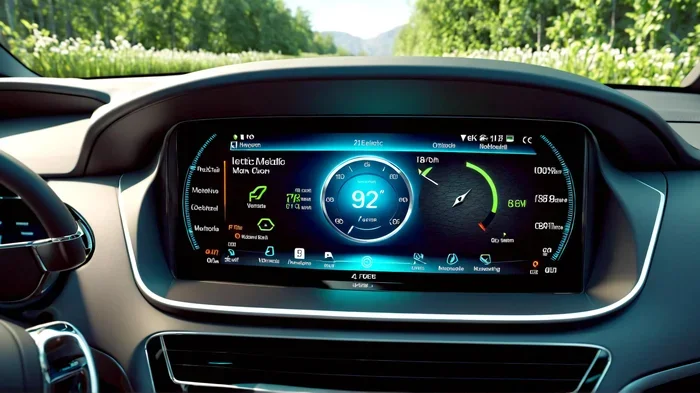
Modern vehicles are packed with sensors and computers. When something goes wrong with the steering assist module, your car will usually display a warning on the dashboard. Here are the most common steering assist error messages you might see:
- “Steering Assist Reduced, Drive with Care” — This means the system has detected a problem and is limiting its assistance.
- “Power Steering Error” — Indicates a failure in the electronic steering system.
- “Check Power Steering System” — Often related to low fluid levels in hydraulic systems.
- “Steering Assist Malfunction” — A general warning that the steering assist system needs attention.
If you see any of these messages, do not ignore them. They are your car’s way of telling you that something needs to be checked.
Physical Symptoms to Watch For
Beyond dashboard warnings, your body can also tell you something is wrong. Watch for these physical symptoms:
- A steering wheel that feels heavier than usual
- Strange noises when turning, like whining or groaning
- Vibration in the steering wheel at certain speeds
- The steering wheel not returning to center after a turn
- A steering warning light staying on the dashboard
If you notice any of these signs, get your car checked as soon as possible. Catching a steering assist problem early can prevent a complete failure while you are driving.
Is It Safe to Drive Without Steering Assist
This is the question that really matters, and the answer is nuanced. Can you drive a car without steering assist safely? In short, it depends on the situation, your driving skills, and how far you need to go.
Risks and Dangers
Driving without steering assist comes with real risks. The biggest danger is reduced control. When your steering wheel is very heavy, it takes longer to make steering adjustments. In an emergency, those extra seconds can mean the difference between a close call and a serious accident.
Here are the main risks of driving with steering assist disabled:
- Slower steering response in emergency situations
- Increased driver fatigue, especially on long trips
- Difficulty navigating tight spaces and parking
- Greater strain on your neck, shoulders, and back
- Higher chance of losing control on slippery roads
If your vehicle stability control system is also affected, the risks go up even more. This system relies on accurate steering input to keep the car stable, and without proper steering, it cannot do its job effectively.
When You Must Stop Driving
There are certain situations where you should not drive at all if your steering assist is not working. If you notice a sudden loss of power steering while driving at high speed, pull over immediately. Also, avoid driving in heavy traffic or on winding roads if your steering is very stiff.
The safest thing to do is to call for roadside assistance or have the car towed to a mechanic. It might be inconvenient, but it is far better than risking an accident because of steering assist failure.
How to Fix Steering Assist Problems
The good news is that many steering assist problems can be fixed relatively easily. The key is to identify the root cause and address it quickly. Here are some of the most common causes and their solutions.
Common Causes and Solutions
Before you panic, try to figure out what might have caused the issue. Here are the most common reasons steering assist stops working:
- Low Power Steering Fluid: In hydraulic systems, low fluid levels can cause a loss of assist. Check the reservoir and top it up if needed.
- Faulty EPS Module: The steering assist module controls the electric motor. If it fails, the system will not provide assistance.
- Damaged Wiring or Connectors: Corroded or loose connections can interrupt the electrical signals to the steering assist system.
- Failed Steering Sensor: Sensors detect your steering input. If a sensor goes bad, the system may shut down.
- Blown Fuse: A simple blown fuse can disable the entire steering assist system.
- Steering Rack Issues: A damaged or worn steering rack can affect both hydraulic and electric systems.
Resetting the Steering Assist System
Sometimes, a simple reset can fix the problem. Try these steps if your steering assist has stopped working:
- Turn off the engine and wait for 30 seconds.
- Restart the car and check if the warning light goes away.
- If the light stays on, check the steering assist fuse in the fuse box.
- Inspect all wiring connections near the steering column for damage or corrosion.
- Use an OBD-II scanner to check for error codes related to the steering assist system.
- If the problem persists, take the car to a qualified mechanic for a proper diagnosis.
A steering assist reset often clears temporary electrical glitches. However, if the underlying problem is mechanical or electrical damage, a reset will not be enough. You will need professional repairs.
Quick Tips for Driving Safely with Steering Issues
If you find yourself dealing with a steering assist problem on the road, these tips can help you stay safe until you get the issue fixed:
- Drive at lower speeds to reduce the effort needed to steer.
- Avoid sudden turns or sharp maneuvers.
- Keep both hands firmly on the steering wheel at all times.
- Increase your following distance to allow more reaction time.
- Avoid driving in bad weather or on uneven roads.
- Turn on your hazard lights if you are driving significantly below the speed limit.
- Have your car inspected by a professional as soon as possible.
These simple steps can make a big difference when your steering assist is not working properly. They give you more control and reduce the risk of accidents.
Conclusion
So, can you drive a car without steering assist enabled? Yes, you can, but it is not a comfortable or safe long-term solution. Steering assist is a critical system in modern vehicles, and losing it makes your car much harder to control. Whether your steering assist has been disabled due to an error, a blown fuse, or a mechanical failure, the best course of action is to address the problem quickly.
Pay attention to the warning signs. A heavy steering wheel, dashboard warning lights, or strange noises should never be ignored. Regular maintenance of your car steering system can help prevent steering assist failure before it happens. Keep your fluid levels checked, your wiring in good condition, and your sensors clean.
Remember, your safety and the safety of others on the road always come first. If your steering assist is not working, drive cautiously, keep your speeds low, and get professional help right away. A small fix today can prevent a serious problem tomorrow.
FAQs
What happens if steering assist is disabled while driving?
If steering assist is disabled while driving, the steering wheel will become much heavier and harder to turn. You will need to apply significantly more force to make turns, especially at low speeds. Pull over safely as soon as possible and have the issue diagnosed by a mechanic.
Can you still drive a car with a steering assist error light on?
Yes, you can drive short distances with a steering assist error light on, but it is not recommended. The light indicates that your steering assist system is not working properly, which means the steering wheel will be heavier than normal. Get the car checked as soon as possible.
How much does it cost to fix steering assist problems?
The cost varies depending on the cause. A simple fuse replacement might cost under $50. However, replacing an EPS module or steering rack can cost anywhere from $500 to $1,500 or more. Always get a professional diagnosis to know the exact cost.
Can low battery cause steering assist to stop working?
Yes, a weak or dying battery can cause steering assist problems in electric systems. The EPS module needs a steady electrical supply to function properly. If your battery is low, it can trigger a steering assist reduced warning on the dashboard.
Is it normal for steering assist to come and go?
No, steering assist should not come and go intermittently. If your assistance is inconsistent, it usually points to an electrical issue, a failing sensor, or a problem with the steering assist module. Have the car inspected to find and fix the root cause.
Can I reset steering assist myself at home?
In some cases, yes. Turning the car off, waiting 30 seconds, and restarting it can clear temporary glitches. You can also check the fuse box for a blown fuse related to steering assist. However, if the problem keeps coming back, you will need a professional mechanic to properly diagnose and fix it.
Frequently Asked Questions
What is Can You Drive a Car Without Steering Assist?
Can You Drive a Car Without Steering Assist is an important topic with many practical applications.