Can You Really Drive With Your High Beams On All The Time
Can You Drive With Your High Beams On All The Time? The short answer is no. Keeping your high beam headlights on constantly is illegal in most places and dangerous for other drivers. This guide covers the legal rules, safety risks, and the right times to use your high beams for safe driving practices and better road visibility.
Have you ever been driving down a dark highway and thought, Can You Drive With Your High Beams On All The Time? It is a question many drivers ask, especially when the road ahead looks completely dark and the standard headlights just do not seem bright enough. The short answer is no, you should not keep your high beams on all the time. But the full answer is much more interesting and important than that simple no.
High beam headlights are a powerful safety feature, but they come with rules, risks, and responsibilities that every driver needs to understand. Using them the wrong way can blind other drivers, create dangerous situations, and even lead to fines. But used at the right time and in the right place, high beam headlights can make night driving much safer and more comfortable for everyone on the road.
In this guide, we will walk through everything you need to know. We will cover the legal rules, the safety risks, the best times to use them, and the modern technology that is changing how we think about road visibility. Whether you are a new driver or someone who has been on the road for years, you will find practical advice here. Let us dive in and shed some light on this important topic.
Understanding your headlight switch and when to use each setting is one of the most overlooked aspects of safe driving practices. Many drivers simply flip the switch and forget about it. But the difference between proper and improper headlight use can mean the difference between a safe trip and a serious accident. So let us break it all down.
Key Takeaways
- High beams should not be used all the time: They are designed for specific situations where there is no oncoming or following traffic.
- Legal rules exist for a reason: Most states and countries have headlight regulations that restrict when you can use high beams, and breaking them can result in fines.
- Glare from headlights is a real danger: Blinding oncoming traffic can cause serious accidents, especially on dark rural roads and highway driving at night.
- Modern vehicles offer smart solutions: Automatic high beams and adaptive headlights take the guesswork out of when to switch between low and high beams.
- Weather changes everything: Using high beams in fog, rain, or snow actually reduces your road visibility instead of improving it.
- Headlight etiquette matters: A quick headlight flash is a universal signal to remind someone to dim their lights, and practicing good headlight etiquette makes roads safer for everyone.
- Know your vehicle: Understanding how your headlight switch works and what each setting does is essential for night driving safety.
📑 Table of Contents
- How High Beam Headlights Actually Work
- The Legal Rules Around Driving With High Beams
- When You Should Use High Beams
- When You Should Never Use High Beams
- High Beams vs Low Beams: A Side-by-Side Comparison
- Modern Headlight Technology and High Beams
- Headlight Etiquette: Unwritten Rules Every Driver Should Follow
- Common Mistakes Drivers Make With High Beams
- Expert Insights on High Beam Safety
- Conclusion
How High Beam Headlights Actually Work
What Makes High Beams Different from Low Beams
The difference between low beams and high beams comes down to the angle and focus of the light. Low beams point slightly downward and toward the right side of the road. This design helps you see the road without shining light directly into the eyes of drivers coming toward you or the car ahead of you.
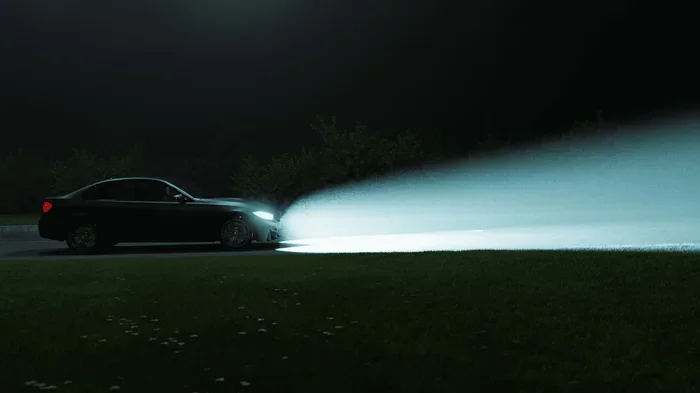
High beams, on the other hand, point straight ahead. They shine brighter and farther, giving you a much wider view of the road ahead. This is great when you are on a dark road with no other cars around. But the same brightness becomes a problem when other drivers are nearby.
Most vehicles use a standard headlight switch on the steering column or dashboard to toggle between low and high beams. You push the lever forward to switch to high beams and pull it back to return to low beams. Some newer cars have a dedicated button or even a rotary dial for this purpose.
The Role of the Headlight Switch
Your headlight switch controls more than just on and off. It manages the low beam, high beam, and sometimes automatic settings too. Many drivers do not realize that the switch also controls daytime running lights on some vehicles. These are the lights that stay on automatically when the engine is running.
It is worth taking a minute to familiarize yourself with your specific vehicle. Check the owner’s manual if you are unsure. Knowing exactly how your switch works can save you from accidentally leaving your high beams on in traffic.
How Automatic High Beam Systems Work
Many modern cars come with automatic high beams. These systems use a sensor to detect light from other vehicles. When the sensor picks up headlights from an oncoming car or the taillights of a car ahead, the system automatically switches your lights back to low beams.
This technology takes a lot of the guesswork out of headlight use. You do not have to remember to dim your lights manually. The system handles it for you. However, automatic systems are not perfect. They can sometimes fail to detect motorcycles or vehicles with dim headlights. So even with automatic high beams, you still need to stay alert and be ready to adjust manually if needed.
The Legal Rules Around Driving With High Beams
Federal and State Headlight Regulations
In the United States, there are no federal laws that specifically ban driving with high beams on all the time. However, every state has its own headlight regulations that address when high beams should and should not be used. These laws are in place to protect all road users from the dangers of glare from headlights.
Most state laws require drivers to dim their high beams when following another vehicle within a certain distance. The typical rule is about 200 to 300 feet behind the vehicle in front of you. When oncoming traffic is present, the distance is usually shorter, often around 500 feet.
These rules exist because the brightness of high beam headlights can seriously impair another driver’s vision. Even a few seconds of blindness at highway speeds can lead to a devastating accident. That is why headlight laws by state are taken seriously by law enforcement.
Headlight Laws by State: What You Need to Know
The specifics of headlight laws by state can vary quite a bit. Some states have very clear rules with specific distances. Others are more general and leave interpretation up to the officer. Here are a few examples of how different states handle high beam regulations:
- California: High beams must be dimmed when within 500 feet of an oncoming vehicle or 300 feet behind a vehicle you are following.
- New York: The rule is similar, requiring drivers to dim high beams within 500 feet of oncoming traffic and 200 feet behind a vehicle ahead.
- Texas: Texas law requires dimming high beams within 500 feet when approaching or following another vehicle.
- Florida: High beams must be dimmed within 300 feet of oncoming vehicles and within 200 feet when following another vehicle.
These are just a few examples. The key takeaway is that every state has rules about high beam use, and violating them can result in a ticket. Fines vary but typically range from $50 to $200 or more, depending on the state and the circumstances.
Common Penalties for Improper High Beam Use
Getting caught with your high beams on when you should not have them can lead to more than just a fine. In some cases, it can add points to your driving record. Too many points can lead to higher insurance rates or even a suspended license.
Beyond the legal consequences, there is a practical risk too. If your glare from headlights causes another driver to swerve or brake suddenly, you could be held responsible for any resulting accident. Insurance companies take this very seriously, and a claim related to improper headlight use can increase your premiums significantly.
So the next time you think about leaving your high beams on, remember that the legal and financial risks are real. It is simply not worth it.
When You Should Use High Beams
Driving on Dark Rural Roads
This is the ideal situation for using high beams. When you are driving on a dark rural road with no streetlights, no other cars in sight, and limited visibility, your high beam headlights can be a lifesaver. They light up the road much farther ahead than low beams, giving you more time to react to obstacles, animals, or changes in the road.
Highway driving on unlit stretches of road is another great example. The long, straight stretches of highway with no oncoming traffic are exactly where high beams shine best. They give you a wider and longer view of the road, which helps you spot potential hazards early.
Highway Driving at Night
Night highway driving is one of the best uses for high beams. The roads are typically straighter, there are fewer intersections, and the traffic is often lighter than in city areas. All of these factors make it safer to use your high beams.
However, you still need to watch for oncoming vehicles. Even on a highway, cars can appear from curves or over hills. The moment you see headlights in the distance, switch back to low beams. It takes just a second, and it keeps everyone safe.
When There Is No Oncoming Traffic
The golden rule of high beam use is simple: use them only when there is no one else around who could be affected by the glare. If you are on an empty road, in a parking lot, or on a rural highway with no other cars for miles, go ahead and use your high beams. Just remember to switch back to low beams the moment another vehicle appears.
Quick Tips for High Beam Use
- Use high beams on dark roads with no other traffic.
- Switch to low beams when you see headlights in the distance.
- Dim your lights when following another vehicle within 200 to 300 feet.
- Use your headlight flash briefly to remind an oncoming driver to dim their lights.
- Check your mirrors regularly for vehicles behind you.
When You Should Never Use High Beams
When Oncoming Traffic Is Present
This is the most important rule of all. Never use your high beams when there is oncoming traffic. The glare from your headlights can completely blind the other driver for several seconds. At highway speeds, a driver who is blinded for even two seconds is essentially driving blind for over 100 feet. That is more than enough distance to cause a serious head-on collision.
The same applies to vehicles approaching from behind at intersections or on curves. Even if you do not see the other car directly, the light from your high beams can reflect off mirrors, windows, and signs and cause glare for drivers ahead of you.
In Fog, Rain, or Snow
This surprises a lot of drivers. Many people think that brighter lights will help them see better in bad weather. But the opposite is actually true. In fog, rain, or snow, high beam headlights reflect off the water droplets or snowflakes in the air and bounce right back at you. This creates a wall of glare that actually makes your road visibility worse, not better.
In these conditions, stick with your low beams. If your vehicle has fog lights, those can be a great addition. Fog lights are mounted low on the front of the car and shine a wide, flat beam that cuts through the moisture without creating as much glare.
In Urban and Well-Lit Areas
In cities and towns, the streets are already well-lit by streetlights and building lights. Using high beams in these areas is unnecessary and disruptive. The extra brightness just adds to the overall light pollution and can blind pedestrians, cyclists, and other drivers who are already navigating a well-lit environment.
Keep your lights on low beam in urban areas at all times. This is one of the simplest ways to practice good headlight etiquette and be a considerate driver.
When Following Another Vehicle Closely
When you are driving behind another vehicle, your high beams can shine directly into the rearview mirror of the car ahead of you. This blinds the driver and makes it very hard for them to see the road. Even if the driver does not flash their lights at you, you should still switch to low beams when you are following closely.
A good rule of thumb is to use low beams whenever you are within 200 to 300 feet of the vehicle in front of you. This gives the driver ahead enough space to see the road without being distracted by your lights.
High Beams vs Low Beams: A Side-by-Side Comparison
Understanding the difference between low beams and high beams is essential for every driver. Here is a quick comparison to help you remember when to use each setting:
| Feature | Low Beams | High Beams |
|---|---|---|
| Light Direction | Points slightly downward and to the right | Points straight ahead |
| Brightness | Moderate | Maximum |
| Reach | About 150 to 200 feet | About 300 to 500 feet |
| Best Used When | In traffic, in cities, in bad weather | On dark roads with no other vehicles |
| Risk of Glare | Low | High |
| Legal Use | Always allowed | Only when no oncoming or following traffic |
| Effect on Road Visibility | Good for close-range visibility | Excellent for long-range visibility |
This table shows that both low beams and high beams have their place. The key is knowing when to use each one. Switching between them at the right time is one of the most important safe driving practices you can adopt.
Modern Headlight Technology and High Beams
Adaptive Headlights and LED Technology
Car manufacturers are constantly improving headlight technology, and LED headlights have been a game-changer. LED lights are brighter, more energy-efficient, and last longer than traditional halogen bulbs. Many modern vehicles now come with LED headlights as standard equipment, and they make a noticeable difference in night driving safety.
Even more advanced are adaptive headlights. These systems can swivel or adjust the beam angle based on your steering input. When you turn a corner, the headlights turn with you, lighting up the road ahead instead of just shining straight forward. Some adaptive systems can also automatically switch between high and low beams based on traffic conditions.
These technologies are making driving at night safer than ever before. But even with the most advanced headlights, the basic rules of high beam use still apply. Technology is a great helper, but it does not replace good judgment and consideration for other drivers.
Daytime Running Lights and Their Role
Daytime running lights are lights that stay on automatically when your engine is running. They are designed to make your vehicle more visible to other drivers during the day. However, daytime running lights are not the same as headlights. They are usually much dimmer and do not activate your tail lights, brake lights, or high beams.
Many drivers confuse daytime running lights with actual headlights. This can lead to situations where a driver thinks they have their headlights on, but they do not. In many states, it is actually illegal to drive without proper headlights on when visibility is low, even during the day. So make sure you understand what your vehicle’s lights are actually doing.
Fog Lights: A Helpful Addition
If you live in an area with frequent fog, rain, or snow, consider adding fog lights to your vehicle. Fog lights are designed to provide a wide, flat beam of light that cuts through moisture without reflecting back at you. They are mounted low on the front bumper and work great in combination with your low beams.
Fog lights are not a replacement for proper headlight use, but they are a great addition for improving road visibility in challenging weather conditions. Just remember that in many areas, it is illegal to use fog lights when visibility is clear, as they can still cause glare for other drivers.
Headlight Etiquette: Unwritten Rules Every Driver Should Follow
The Headlight Flash: What It Means
You have probably seen another driver flash their headlights at you. But what does it mean? In most cases, a quick flash of headlights is a polite way of saying “please dim your lights.” It is a universal signal that is understood by drivers all over the world.
If someone flashes their headlights at you, do not take it personally. Simply switch your lights back to low beams and thank them in your own quiet way. It is a small gesture that goes a long way toward keeping the roads safe and friendly for everyone.
You can also use the headlight flash yourself. If an oncoming driver has their high beams on and is not dimming them, a quick flash of your own lights can remind them to switch back. Just do it briefly and do not leave your high beams on in return, as that will only make the situation worse.
Being a Considerate Driver on the Road
Good headlight etiquette is really just good manners. It is about being aware of other drivers and making sure your actions do not put them at risk. When you dim your high beams for oncoming traffic, you are showing consideration and helping to keep everyone safe.
Considerate driving also means checking your mirrors regularly. If you see a vehicle approaching from behind, make sure your lights are on low beam so you do not blind the driver through their rearview mirror. These small habits might seem insignificant, but they add up to make the roads much safer for everyone.
Common Mistakes Drivers Make With High Beams
Even experienced drivers sometimes make mistakes with their high beams. Here are some of the most common errors and how to avoid them:
- Leaving high beams on in the city: City streets are already well-lit, and high beams only create unnecessary glare for pedestrians and other drivers.
- Forgetting to dim when following a vehicle: This is one of the most common mistakes. Always check your distance from the car ahead and switch to low beams when you are too close.
- Using high beams in fog or heavy rain: As mentioned earlier, this actually makes visibility worse by creating a wall of reflected light.
- Assuming automatic systems will handle everything: Automatic high beams are helpful, but they are not foolproof. Always stay alert and be ready to adjust manually.
- Not cleaning your headlights: Dirty or foggy headlights can reduce your road visibility significantly. Clean them regularly and replace any bulbs that have burned out.
- Using high beams as a warning for speed traps: Flashing high beams to warn other drivers about police speed traps is illegal in some states and can result in a citation.
Expert Insights on High Beam Safety
Driving safety experts consistently emphasize the importance of proper headlight use. According to the AAA Foundation for Traffic Safety, proper use of headlights is one of the simplest and most effective ways to reduce nighttime accidents. Many drivers underestimate how much their headlights affect the safety of everyone on the road.
Automotive engineers also point out that the condition of your headlights matters just as much as how you use them. Over time, headlight lenses can become cloudy or yellowed, which reduces the amount of light that reaches the road. If your headlights look dim or discolored, consider replacing the lenses or bulbs. This small investment can make a big difference in your night driving safety.
Defensive driving instructors also recommend practicing the habit of checking your headlight setting every few minutes. It is easy to forget that you left your high beams on, especially on long drives. A quick check of your dashboard or the reflection in the road ahead can help you catch mistakes before they become dangerous.
Conclusion
So, can you drive with your high beams on all the time? The answer is a clear no. Keeping your high beam headlights on constantly is illegal in most places, dangerous for other drivers, and simply not necessary. High beams are a valuable tool, but only when used at the right time and in the right situation.
Remember the basic rules: use high beams on dark roads with no other traffic, switch to low beams when oncoming vehicles appear, dim your lights when following another car, and never use high beams in fog, rain, or snow. These simple habits will make you a safer, more respectful driver and help everyone on the road arrive home safely.
Modern technology like automatic high beams and adaptive headlights is making it easier than ever to use the right lights at the right time. But even with the best technology, good judgment and consideration for other drivers remain the most important factors in safe driving practices. Take a moment today to review your headlight habits. Your future self, and every other driver on the road, will thank you.
Frequently Asked Questions
Is it illegal to drive with high beams on all the time?
Yes, in most states and countries it is illegal to drive with high beams on when there is oncoming traffic or when you are following another vehicle too closely. Headlight regulations vary by location, but the core principle is the same: high beams should only be used when they will not blind other drivers. Violating these rules can result in fines and points on your driving record.
How far ahead do high beams light up the road?
High beam headlights typically illuminate the road about 300 to 500 feet ahead, which is roughly twice the distance of low beams. This extra reach gives you more time to react to obstacles, animals, or changes in the road. However, that same brightness is what makes high beams dangerous when other drivers are nearby, as the glare from headlights can temporarily blind them.
Can I use high beams in fog?
No, you should never use high beams in fog, heavy rain, or snow. The bright light reflects off the water droplets or snowflakes in the air and bounces right back at you, creating a wall of glare that actually reduces your road visibility. In these conditions, use your low beams and, if your vehicle has them, your fog lights.
What should I do if an oncoming driver has their high beams on?
The best response is to glance slightly to the right side of the road and use the road edge as a guide until the other vehicle passes. You can also briefly flash your own headlights to remind the other driver to dim their lights. Never retaliate by keeping your own high beams on, as that will only make the situation more dangerous for both of you.
Do automatic high beams really work well?
Yes, automatic high beam systems work very well in most situations. They use sensors to detect light from other vehicles and automatically switch between high and low beams. However, these systems are not perfect and can sometimes fail to detect motorcycles, bicycles, or vehicles with dim headlights. Always stay alert and be ready to adjust your lights manually if needed.
How often should I clean my headlights?
It is a good idea to clean your headlights at least once a month, or more often if you drive on dirty or gravel roads. Over time, headlight lenses can become cloudy or yellowed, which significantly reduces the amount of light that reaches the road. Clean headlights improve your road visibility and make your vehicle more visible to other drivers, which is an important part of night driving safety.
=== CONCLUSION ===
Can You Drive With Your High Beams On All The Time? The answer is a definitive no. High beam headlights are a powerful tool that, when used correctly, greatly improves road visibility and night driving safety. But when used incorrectly, they create dangerous glare for other drivers and can lead to accidents, fines, and higher insurance costs.
The key is to use your high beams responsibly. Follow the headlight regulations in your area, dim your lights when other vehicles are present, and take advantage of modern technology like automatic high beams when available. Practice good headlight etiquette and always be considerate of other drivers on the road.
By following the tips and guidelines in this article, you will be a safer, more confident driver. You will protect yourself, your passengers, and everyone else sharing the road with you. So the next time you get behind the wheel, take a moment to check your headlight setting and make sure you are using the right lights for the situation. Your future self will thank you.