Can You Use Windex on Leather Seats Without Damage
Can you use Windex on leather seats? The short answer is no. Windex on leather seats can cause serious damage because it contains ammonia and harsh chemicals that strip away natural oils. This guide explains why Windex on leather seats is risky and shows you safe cleaning methods to keep your interior looking new.
You just spilled coffee on your leather seats. Panic sets in. You grab the nearest glass cleaner from under your sink. It’s Windex. You spray it right on the seat and wipe it off. The stain fades. Relief washes over you. But is that really the end of it? The truth is, using Windex on leather seats can lead to big problems down the road. Many car owners wonder if this household staple is safe for their leather interior. The answer might surprise you. In this guide, we will break down exactly why Windex on leather seats is risky. We will also share safe alternatives and simple steps to keep your leather seats looking brand new. You will learn what experts recommend and how to avoid costly mistakes. Let’s dive in.
Leather seats are a premium feature in any vehicle. They feel luxurious and add value to your car. But leather is a natural material that needs proper care. It is not like plastic or vinyl. It has pores that can absorb liquids and oils. Harsh chemicals can destroy those pores. That is where Windex on leather seats becomes a real concern. Glass cleaners are designed for windows, not for delicate surfaces. They often contain ammonia, alcohol, and solvents. These ingredients can strip the leather of its natural moisture. Over time, this leads to cracking, fading, and a dull appearance. So, can you use Windex on leather seats without damage? The honest answer is no. But do not worry. There are much better ways to clean your leather seats safely. We will show you exactly how.
Key Takeaways
- Never spray Windex directly on leather seats: ammonia dries out the material, causing cracks and fading.
- Windex on leather seats may look like a quick fix, but it harms the leather’s protective layer over time.
- Use a pH-balanced leather cleaner instead to safely remove dirt and stains without damage.
- Always condition leather seats after cleaning to restore moisture and maintain suppleness.
- Test any cleaning product on a hidden spot first to ensure it won’t discolor or harm the leather.
- Microfiber cloths and soft brushes are the safest tools for cleaning leather upholstery.
- Regular maintenance prevents buildup and keeps leather seats looking great for years.
📑 Table of Contents
Can You Use Windex on Leather Seats? The Real Answer
The short answer is a firm no. Windex on leather seats is not a safe cleaning method. Windex is a glass cleaner. Its formula is built to cut through grease and grime on glass surfaces. It is not designed for porous materials like leather. When you spray Windex on leather seats, the chemicals penetrate the surface quickly. Ammonia, one of the main ingredients, is highly alkaline. Leather prefers a neutral or slightly acidic pH balance. Alkaline substances break down the leather’s natural oils and dyes. This causes the leather to dry out. Dry leather becomes stiff. Stiff leather then cracks. You end up with ugly, damaged seats that cost a fortune to repair or replace.
Many people think a little Windex won’t hurt. They use it once and see no immediate harm. But leather damage is often cumulative. Each time you use Windex on leather seats, you remove a tiny layer of protection. The leather loses its ability to stay soft and supple. What looks clean today can look worn out in just a few months. So, even if Windex on leather seats seems like a quick fix, it is a shortcut to long-term damage. Always choose products made specifically for leather care.
Why People Reach for Windex
It is easy to see why you might grab Windex. It is cheap, it is everywhere, and it works fast on glass. When you see a stain on your leather seat, you want a fast solution. You think, “If it cleans glass, it will clean my seat.” But leather is not glass. It is a living material that needs gentle treatment. Using Windex on leather seats is like using a pressure washer on a delicate fabric. It might remove the stain, but it will also ruin the texture. The ammonia fumes can also irritate your lungs in a closed car. So, even if you are tempted, resist the urge. Your leather seats will thank you.
Why Windex Is Dangerous for Leather Seats
To understand the damage, you need to know what is inside Windex. Most Windex products contain a mix of harsh chemicals. Let us look at the main culprits and how they affect your leather seats.
The Harsh Ingredients in Windex
Windex often includes ammonia, isopropanol, and surfactants. Ammonia is a strong alkaline solvent. It is great for cutting through grease on glass. But on leather, it acts like a degreaser. It strips away the natural oils that keep leather soft. Isopropanol, or rubbing alcohol, is a drying agent. It evaporates quickly and pulls moisture out of the leather. Surfactants help lift dirt, but they can also break down the leather’s finish. Together, these ingredients create a perfect storm for leather damage. They leave the leather dry, brittle, and vulnerable to cracks.
Another issue is the pH level. Healthy leather has a natural pH around 4.5 to 5.5, which is slightly acidic. Windex is highly alkaline, with a pH around 10 or higher. When you apply an alkaline cleaner to leather, you disrupt its pH balance. This causes the leather fibers to weaken. Over time, the leather loses its flexibility. It becomes prone to tearing and splitting. So, even a single use of Windex on leather seats can start this destructive process.
Common Mistakes People Make
Many car owners make the same mistake. They see a small mark on their leather seat and spray Windex directly on it. They wipe it off quickly and think the problem is solved. But the chemicals have already soaked into the leather. Another common error is using Windex on colored leather. Ammonia can strip dyes, leaving light spots or uneven coloring. This is especially true for black or dark brown seats. The damage might not show right away, but it will appear after a few weeks of sun exposure. The UV rays react with the weakened leather and cause fading. So, avoid Windex on leather seats at all costs. It is never worth the risk.
What Happens If You Use Windex on Leather?
If you have already used Windex on your leather seats, do not panic. One time might not cause immediate disaster. But you should know what to watch for. Here are the most common effects of Windex on leather seats.
Drying and Cracking: The leather loses its natural oils and becomes dry. Within weeks, you may see fine cracks on the surface. These cracks grow over time and can eventually split the leather.
Fading and Discoloration: Windex can bleach the leather or remove its dye. You might notice lighter patches, especially where the cleaner sat for too long. Sunlight makes this worse.
Stiffness and Loss of Softness: Healthy leather should feel supple and soft. After Windex exposure, it becomes stiff and rigid. Sitting on stiff leather is uncomfortable and it can even crack under pressure.
Damage to the Protective Coating: Leather seats often have a protective finish. Windex strips this finish away. Without it, the leather is exposed to dirt, spills, and UV rays. This speeds up aging and wear.
If you notice any of these signs, you need to act fast. Stop using Windex immediately. Switch to a gentle, leather-safe cleaner. We will show you the best options in the next section.
Safe Alternatives to Windex for Cleaning Leather Seats
Now that you know why Windex on leather seats is a bad idea, let us explore the safe alternatives. You have several great options that will clean your leather without causing harm. These products are designed to respect the leather’s natural structure.
Commercial Leather Cleaners
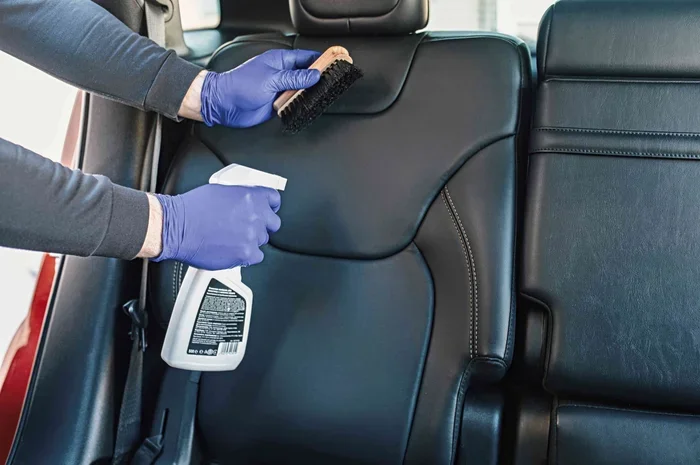
The best alternative is a dedicated leather cleaner. These products are pH-balanced for leather. They gently lift dirt and stains without stripping oils. Look for a cleaner that is specifically labeled for automotive leather. Some popular brands include Leather Honey, Chemical Guys, and Meguiar’s. These cleaners are safe and effective. They often come with a microfiber cloth or a soft brush. Always follow the product instructions for the best results.
Homemade Leather Cleaning Solution
If you prefer a DIY approach, you can make a simple cleaning solution at home. Mix a few drops of mild dish soap with warm water. Use a soft microfiber cloth to apply the solution. Wring the cloth out so it is damp, not wet. Gently wipe the leather surface. Avoid soaking the leather. After cleaning, use a clean damp cloth to remove any soap residue. Dry the seats with a soft towel. This method is gentle and safe. It will not harm the leather’s finish. It is a great alternative to Windex on leather seats.
| Cleaning Method | Safe for Leather? | Effectiveness | Cost |
|---|---|---|---|
| Windex on leather seats | No – causes drying and cracking | Removes stains quickly but damages leather | Low |
| pH-Balanced Leather Cleaner | Yes – designed for leather | Removes dirt and stains safely | Medium |
| Mild Soap and Water | Yes – gentle and effective | Good for light dirt and spills | Very Low |
| Vinegar and Water (50/50) | Use with caution – can dry leather | Good for disinfecting but not for regular use | Low |
Quick Tips for Spot Cleaning
- Act fast: Blot spills immediately with a clean, dry cloth. Do not rub, as this pushes the stain deeper.
- Test first: Always test any cleaner on a hidden area, like under the seat. Wait 10 minutes to check for discoloration.
- Use a microfiber cloth: These cloths are soft and non-abrasive. They will not scratch the leather.
- Avoid harsh scrub brushes: Use a soft-bristle brush only if needed. Never use a hard brush on leather.
- Dry thoroughly: Let the leather air dry completely. Do not use a hair dryer or direct heat, as this can dry out the leather.
How to Clean Leather Seats the Right Way
Cleaning leather seats properly is simple. You just need the right tools and a little patience. Follow these steps to keep your leather seats looking their best. This method works for all types of leather seats, including bucket seats and bench seats.
- Vacuum the seats: Use a soft brush attachment to remove loose dirt and crumbs. This prevents scratching during the cleaning process.
- Prepare your cleaning solution: Use a pH-balanced leather cleaner or the mild soap and water mixture. Mix a small amount in a bowl.
- Dampen a microfiber cloth: Dip the cloth into the solution and wring it out well. The cloth should be damp, not dripping wet.
- Wipe gently: Clean the leather in small circular motions. Work on one section at a time. Do not press too hard.
- Remove residue: Use a clean damp cloth to wipe away any soap or cleaner. This prevents buildup.
- Dry the seats: Pat the leather dry with a soft towel. Let it air dry completely before using the seats.
- Condition the leather: Apply a leather conditioner after cleaning. This restores moisture and protects the leather. Use a conditioner that is specifically made for automotive leather.
Regular cleaning keeps your leather seats in great shape. Aim to clean them once a month. If you have kids or pets, you may need to clean them more often. Always avoid Windex on leather seats. Stick to leather-safe products and your seats will stay soft and beautiful for years.
Common Mistakes to Avoid
Even with the best intentions, you can make mistakes. Here are a few to watch out for. First, never use household glass cleaners on leather. They are too harsh. Second, do not soak the leather with water. Excess moisture can seep through the seams and cause mold. Third, avoid using household cleaners like all-purpose sprays. They often contain chemicals that damage leather. Fourth, do not skip conditioning. Cleaning without conditioning can leave the leather dry and vulnerable. Finally, never use a hairdryer or direct heat to dry leather seats. The heat dries out the leather and causes cracking. By avoiding these mistakes, you protect your investment.
Expert Tips for Long-Lasting Leather Protection
Auto detailing experts know the secret to beautiful leather seats. It is all about prevention and regular care. Here are some expert tips to keep your leather seats in top condition.
Condition regularly: Use a high-quality leather conditioner every 3 to 6 months. Conditioning replenishes the oils that cleaning removes. It keeps the leather supple and resistant to cracks. Look for conditioners with UV protection to shield against sun damage.
Park in the shade: Direct sunlight is the enemy of leather. UV rays fade the color and dry out the material. Whenever possible, park your car in a garage or under a shade tree. If you must park in the sun, use a windshield sunshade. This keeps the interior temperature down and protects the leather.
Use seat covers: If you have pets or young children, seat covers are a great idea. They protect the leather from scratches, spills, and everyday wear. Choose covers made from breathable fabric to prevent moisture buildup.
Wipe down after spills: Even with the best care, spills happen. Blot them immediately with a clean, dry cloth. Do not use Windex or any harsh cleaner. Use a damp microfiber cloth with a tiny drop of mild soap. Then dry the area thoroughly.
Keep a leather care kit in your car: Pack a small kit with a microfiber cloth, a leather cleaner, and a conditioner. This way, you can handle spills and dirt right away. Having the right tools on hand prevents you from reaching for Windex in a panic.
By following these expert tips, you can keep your leather seats looking new for many years. Remember, Windex on leather seats is never the right choice. Stick to leather-safe products and enjoy a clean, luxurious interior.
What Auto Detailing Experts Say
Professional detailers warn against using Windex on leather seats all the time. They say it is one of the most common mistakes car owners make. “Ammonia-based cleaners are the worst thing you can put on leather,” says a senior detailer at a leading auto care brand. “They strip the leather’s natural oils and leave it vulnerable to damage. Always use a pH-balanced cleaner designed for automotive leather.” This advice is simple but powerful. It can save you hundreds of dollars in leather repair costs. Trust the experts. Your leather seats deserve the best care.
Key Takeaways for Leather Seat Care
- Never use Windex on leather seats: it causes drying, cracking, and fading.
- Use a pH-balanced leather cleaner or a mild soap and water solution.
- Always condition leather seats after cleaning to restore moisture.
- Test any product on a hidden spot before applying it to the entire seat.
- Clean regularly to prevent dirt buildup and stains.
- Park in the shade and use seat covers to protect against UV damage and spills.
Conclusion
So, can you use Windex on leather seats without damage? The answer is a clear no. Windex on leather seats may seem like a quick fix, but it causes long-term harm. The ammonia and harsh chemicals strip away the leather’s natural oils. This leads to cracking, fading, and stiffness. Your leather seats deserve better. Choose safe, leather-specific cleaners and conditioners. Follow the simple steps in this guide, and your leather interior will stay beautiful for years. Remember to clean regularly, condition often, and avoid common mistakes. With the right care, your leather seats will remain soft, supple, and luxurious. Take care of them now, and they will reward you with a comfortable, stylish ride every time you get behind the wheel.
Frequently Asked Questions
Can I use Windex on leather seats in an emergency?
It is best to avoid Windex even in an emergency. If you have no other option, use a tiny amount on a damp cloth and wipe the spot immediately. Do not let it sit. Rinse the area with a clean damp cloth and dry it thoroughly. However, this should be a one-time exception, not a regular practice. Always switch to a proper leather cleaner as soon as possible.
What is the best homemade cleaner for leather seats?
The safest homemade cleaner is a mix of a few drops of mild dish soap with warm water. Use a soft microfiber cloth to apply it gently. Another option is a 50/50 mix of water and white vinegar, but use vinegar sparingly because it can dry out leather over time. Always follow up with a leather conditioner to restore moisture.
Will Windex ruin leather seats permanently?
One time might not cause permanent damage, but repeated use will. Windex strips the leather’s natural oils and weakens its fibers. Over months, this leads to irreversible cracking and fading. If you have already used Windex, stop immediately and start a proper leather care routine with a conditioner to help restore some moisture.
How often should I clean my leather seats?
You should clean your leather seats at least once a month. If you have children or pets, you may need to clean them every two weeks. Regular cleaning prevents dirt from building up and penetrating the leather. Always use a gentle cleaner and dry the seats thoroughly after cleaning.
Is it safe to use baby wipes on leather seats?
Most baby wipes contain moisturizers and are gentler than Windex, but they are not ideal for leather. Some wipes have alcohol or fragrances that can dry out the leather over time. If you must use a wipe, choose a hypoallergenic, alcohol-free one. But for routine cleaning, stick to a dedicated leather cleaner or mild soap and water.
Can I use Windex on leather seats if they are already cracked?
No, never use Windex on cracked leather. The chemicals will make the cracks worse by drying out the leather further. Cracked leather needs a specialized leather repair kit and a good conditioner. Consult a professional detailer for severe damage. Using Windex will only accelerate the deterioration.