8 Year Old Cars That Deliver Amazing Value and Reliability
8 year old cars offer incredible value because they have already taken the biggest depreciation hit. You get modern features, solid reliability, and lower insurance costs compared to brand-new vehicles. This guide covers the best models, buying tips, and real costs of owning a pre-owned vehicle in this age range.
There is something smart about buying a car that is a few years old. You skip the painful first drop in value, you still get modern tech, and you pay far less than the sticker price of a new ride. If you have been wondering about 8 year old cars, you are in the right place.
This guide walks you through everything you need to know. From the best models to maintenance tips, we cover it all. Whether you are a first-time buyer or someone looking to upgrade, this guide will help you make a confident choice.
Key Takeaways
- Big Savings: 8 year old cars cost 40-60% less than new models while still offering modern technology and safety features.
- Lower Depreciation: The steepest drop in car value happens in the first few years, so buying used saves you money.
- Reliable Models Exist: Brands like Toyota, Honda, and Mazda build vehicles that easily last 200,000+ miles.
- Lower Insurance Costs: Insuring an older car typically costs less than covering a brand-new vehicle.
- Smart Buying Matters: A vehicle history report and pre-purchase inspection are essential steps before buying.
- Maintenance Is Key: Staying on top of regular upkeep keeps your used car running smoothly for years.
- Great for Budgets: Affordable cars in this age range free up money for savings, travel, or other goals.
📑 Table of Contents
Why 8 Year Old Cars Are a Smart Choice
When a car rolls off the lot as new, it loses about 20-30% of its value in the first year alone. By the time it hits 8 years old, that vehicle has already weathered the worst of its car depreciation. This means you buy a reliable used car at a fraction of its original price.
Think about it this way. A brand-new SUV might cost $45,000. That same model, 8 years old, could be $22,000 or less. You are driving the same vehicle, with many of the same features, but you saved over $20,000. That is serious money you can put toward other goals.
Depreciation Is Your Best Friend
New car owners often feel the sting of depreciation every single day. But when you buy a pre-owned vehicle, someone else absorbs that loss. The first 3-5 years are where cars lose the most value. By year 8, the depreciation curve flattens out significantly. This works in your favor as a buyer.
Here is a quick look at how car depreciation works over time:
- Year 1: 15-25% value loss
- Years 2-3: 10-15% additional loss
- Years 4-6: 5-10% additional loss
- Years 7-10: 3-5% additional loss per year
As you can see, the steepest drops happen early. Buying an 8 year old car means you let the original owner handle the biggest hit. This is one of the smartest financial moves in car ownership.
Best 8 Year Old Cars for Reliability
Not all used cars for sale are created equal. Some brands and models have a reputation for lasting well beyond 200,000 miles. When you are shopping for an 8 year old car, you want to focus on models known for durability and low repair costs.
Toyota Models That Stand the Test of Time
Toyota consistently tops reliability rankings. Their vehicles are built with simplicity and durability in mind. Here are some top Toyota picks for the 8-year-old market:
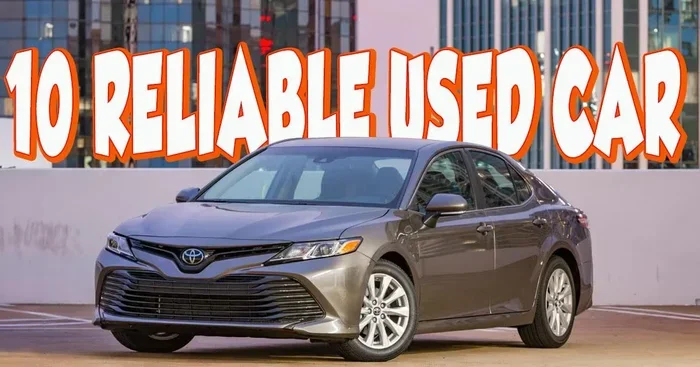
- Toyota Camry: A midsize sedan that offers smooth driving, comfortable seats, and excellent fuel efficiency. Many Camrys from this era still run like new with basic vehicle maintenance.
- Toyota RAV4: One of the best-selling SUVs on the road. The RAV4 is spacious, dependable, and handles well for its class.
- Toyota Corolla: A compact car legend. The Corolla is affordable to buy, cheap to insure, and incredibly easy to maintain.
Honda Models Built to Last
Honda shares Toyota’s commitment to reliability. Their engines are known for longevity, and their parts are widely available. Consider these Honda options:
- Honda Accord: A sporty sedan with a reputation for lasting well past 200,000 miles. The Accord offers a comfortable ride and modern features even in older model years.
- Honda Civic: A compact powerhouse. The Civic is fun to drive, fuel-efficient, and remarkably reliable for its age.
- Honda CR-V: A compact SUV that balances practicality with comfort. The CR-V is a favorite among families looking for a dependable affordable car.
Mazda and Other Strong Contenders
Do not overlook Mazda when shopping for 8 year old cars. Mazda builds vehicles that are fun to drive and surprisingly reliable. The Mazda3 and Mazda CX-5 are excellent choices. Other brands worth considering include Subaru, Hyundai, and Kia, which have improved their quality significantly over the past decade.
What to Check Before Buying an 8 Year Old Car
Buying a pre-owned vehicle requires more homework than buying new. You do not have a dealer warranty to fall back on, so you need to do your due diligence. Here is a step-by-step checklist to follow.
Get a Vehicle History Report
Always request a vehicle history report before you buy. Services like Carfax and AutoCheck pull records from databases across the country. These reports reveal critical information:
- Past accidents or flood damage
- Title status (clean, salvage, or rebuilt)
- Odometer readings over time
- Service and maintenance records
- Number of previous owners
A clean history report gives you peace of mind. A report with red flags should make you walk away or negotiate a lower price.
Get a Pre-Purchase Inspection
Never skip the pre-purchase inspection. Take the car to an independent mechanic you trust. They will check the engine, transmission, brakes, suspension, and electrical systems. This inspection typically costs $100-$200, but it can save you thousands in future repairs.
Ask the mechanic to look for these common issues in 8 year old cars:
- Transmission fluid condition
- Brake pad and rotor wear
- Suspension component wear
- Coolant system health
- Electrical gremlins
Test Drive Like a Pro
A test drive is your chance to feel the car and spot potential problems. Drive on highways, city streets, and hills. Listen for unusual sounds. Feel for vibrations in the steering wheel or brake pedal. Pay attention to how the car shifts gears and how it handles turns.
Here are some quick tips for your test drive:
- Check all dashboard warning lights before starting the engine
- Test every feature: AC, radio, windows, mirrors, and lights
- Listen for strange noises when braking, turning, and accelerating
- Check the alignment by driving on a straight, flat road
Ownership Costs for 8 Year Old Cars
One of the biggest advantages of buying 8 year old cars is the lower cost of ownership. Let us break down what you can expect to spend.
Insurance Costs
Insurance for older vehicles is typically much cheaper than for new ones. Since the car’s value is lower, the premium for comprehensive and collision coverage drops significantly. Many owners of 8 year old cars drop full coverage and switch to liability-only insurance, which saves even more money.
Maintenance and Repairs
At 8 years old, a well-maintained car should not need major repairs. Regular vehicle maintenance keeps things running smoothly. Here is a rough annual maintenance budget:
- Oil changes: $50-$100 per change (twice a year)
- Tire rotation: $25-$50 per service
- Brake pads: $150-$300 per axle (every 30,000-50,000 miles)
- Timing belt: $500-$1,000 (if due, check your owner’s manual)
- Unexpected repairs: $200-$500 per year on average
Overall, you should budget around $1,000-$1,500 per year for car maintenance on a well-cared-for 8-year-old vehicle. This is far less than what new car owners spend on payments and depreciation combined.
Fuel Efficiency
Many 8 year old cars still deliver excellent fuel economy. Smaller sedans and hybrids from this era can get 30-40 miles per gallon on the highway. Even mid-size SUVs have improved their fuel efficiency over the years. Lower fuel costs add up significantly over time, especially if you drive a lot.
Common Mistakes to Avoid When Buying Used Cars
Buying a used car can be a great experience, but mistakes happen. Here are some common pitfalls to watch out for.
Skipping the Research
Do not walk into a dealership or browse online listings without a plan. Know what model you want, what a fair price looks like, and what common problems to watch for. Use resources like Kelley Blue Book, Edmunds, and Consumer Reports to guide your research.
Ignoring the Service History
A car without service records is a gamble. Regular oil changes, tire rotations, and timely repairs tell you the previous owner cared for the vehicle. A car with no records might have hidden problems that will cost you dearly down the road.
Overlooking Insurance and Registration Costs
Before you commit, get an insurance quote for the specific vehicle you are considering. Some models cost more to insure than others. Also, check your state’s registration fees, which can vary based on the vehicle’s age and value.
Falling in Love With the Exterior
A shiny paint job can hide serious mechanical issues. Focus on what is under the hood and under the car, not just what you see from the outside. A beautiful exterior means nothing if the engine or transmission is on its way out.
How to Find the Best Deals on 8 Year Old Cars
Finding a great deal on an 8 year old car takes patience and strategy. Here are some proven approaches.
Buy From Private Sellers
Private sellers often price their vehicles lower than dealerships because they do not have overhead costs. You can find listings on platforms like Craigslist, Facebook Marketplace, and local car forums. Just be sure to follow the inspection and history report steps mentioned earlier.
Consider Certified Pre-Owned Programs
Many manufacturers offer certified pre-owned programs. These vehicles come with extended warranties, detailed inspections, and a history of professional maintenance. While they cost a bit more than regular used cars, the added protection can be worth the extra investment.
Shop at the Right Time
Timing matters when buying a pre-owned vehicle. End of month deals, year-end sales events, and seasonal transitions often bring better prices. Dealers are more motivated to close deals during these periods, which works in your favor.
Final Thoughts on 8 Year Old Cars
Buying an 8 year old car is one of the smartest financial decisions you can make in the automotive world. You get a vehicle that has already taken the biggest depreciation hit, you pay less for insurance and maintenance, and you still enjoy modern features and solid reliability.
The key is to do your homework. Check the history report, get a pre-purchase inspection, and know what a fair price looks like for the model you want. With the right approach, you can find an 8 year old car that delivers amazing value and reliability for many years to come.
Start your search today. The perfect used car is out there waiting for you, and it will save you thousands compared to buying new. Happy car shopping!
Frequently Asked Questions
Are 8 year old cars reliable enough for daily driving?
Yes, most 8 year old cars are perfectly reliable for daily driving. Brands like Toyota, Honda, and Mazda build vehicles that easily last well past 200,000 miles. As long as the car has been well-maintained and passes a pre-purchase inspection, you can expect years of dependable service.
How much should I expect to pay for an 8 year old car?
Prices vary widely depending on the make, model, and condition. On average, 8 year old cars range from $12,000 to $30,000. Popular sedans and compact SUVs tend to fall in the lower range, while luxury or performance models may cost more. Always compare prices across multiple listings to ensure you are getting a fair deal.
Do I still need full insurance coverage on an older car?
Not necessarily. Many owners of 8 year old cars drop comprehensive and collision coverage once the vehicle’s value drops below a certain threshold. Talk to your insurance agent about liability-only coverage, which is typically much cheaper and still meets most state requirements.
What is the average maintenance cost for an 8 year old car?
Budget around $1,000 to $1,500 per year for routine vehicle maintenance on an 8 year old car. This includes oil changes, tire rotations, brake work, and minor repairs. Staying on top of regular upkeep prevents costly breakdowns and extends the life of your car significantly.
Can I get a warranty on an 8 year old used car?
Yes, some dealerships offer certified pre-owned warranties on vehicles in this age range. You can also purchase aftermarket extended warranties from third-party providers. Always read the fine print carefully to understand what is covered and what is excluded before purchasing any warranty plan.
Is it better to buy an 8 year old car from a dealer or a private seller?
Both options have their advantages. Dealers offer warranties, financing options, and a more structured buying process. Private sellers often offer lower prices and more flexibility in negotiations. Whichever route you choose, always get a vehicle history report and a professional inspection before finalizing any purchase.
=== CONCLUSION ===
8 year old cars represent one of the best values in the automotive market today. You get modern features, solid reliability, and significant savings compared to buying new. The key to a great purchase lies in doing your research, getting inspections, and choosing a model known for longevity. With the right approach, your next used car can serve you well for many years to come.