Car Windshield Stickers: Everything You Need to Know
Car windshield stickers are a popular way to personalize your vehicle, show support for causes, or display important information. This guide covers everything from the different types of car windshield stickers to legal rules, application tips, and safe removal methods. Whether you are a first-time sticker user or looking to update your current ones, you will find practical advice and expert insights to help you make the best choices for your car.
Have you ever looked at a car driving by and noticed a cool car windshield sticker that made you smile? Maybe it was a funny bumper sticker, a team logo, or a support ribbon for a cause. Car windshield stickers have been around for decades, and they are more popular than ever today. People use them to express themselves, show loyalty, or share important messages with the world.
But there is more to car windshield stickers than just picking one you like. There are different types, legal rules to follow, and proper ways to apply and remove them. If you have ever wondered how to choose the right sticker or how to get it off without damaging your glass, you are in the right place. This guide covers everything you need to know about car windshield stickers in simple, easy-to-follow steps.
Whether you are a car enthusiast who loves decorating or someone who just needs a parking pass sticker, this article has you covered. Let us dive into the world of car windshield stickers and explore all the details together.
Key Takeaways
- Know the Types: There are many kinds of car windshield stickers, including static cling, vinyl, and temporary decals for different needs.
- Follow the Law: Every state has rules about where and what car windshield stickers you can legally display. Staying informed keeps you safe and avoids fines.
- Apply with Care: Proper application ensures your car windshield stickers last longer and look better without bubbles or peeling.
- Remove Safely: Using the right tools and techniques prevents damage to your glass when removing old car windshield stickers.
- Choose Quality Materials: Weatherproof and UV-resistant materials keep your car windshield stickers looking fresh through all seasons.
- Customization is Key: Custom car windshield stickers let you express your personality and stand out on the road.
📑 Table of Contents
What Are Car Windshield Stickers?
A car windshield sticker is any adhesive or non-adhesive decal placed on a vehicle’s windshield or windows. These car window stickers come in many shapes, sizes, and materials. Some are designed to last for years, while others are meant to be temporary and easy to remove.
The term car windshield stickers covers a wide range of products. You might hear people call them windshield decals, car decals, or window stickers. They all refer to the same basic idea — a piece of material with a design or message that attaches to your car glass.
Why Do People Use Car Windshield Stickers?
People use car windshield stickers for many reasons. Here are some of the most common ones:
- Personal Expression: Stickers show your personality, hobbies, or interests. A funny car window sticker can start conversations with strangers at traffic lights.
- Support and Awareness: Many people place vehicle decals on their cars to support charities, causes, or movements. A small ribbon sticker can spark awareness.
- Team Pride: Sports fans love displaying team car stickers on their windshields. It is a great way to show loyalty on game days.
- Practical Information: Some car windshield stickers serve a functional purpose, like inspection stickers, parking passes, or toll tags.
- Business Promotion: Companies use custom car stickers as mobile advertisements. A well-designed decal on a company vehicle can reach thousands of people daily.
Types of Car Windshield Stickers
Not all car windshield stickers are the same. Different materials and designs serve different purposes. Understanding the types helps you pick the right one for your needs.
Static Cling Stickers
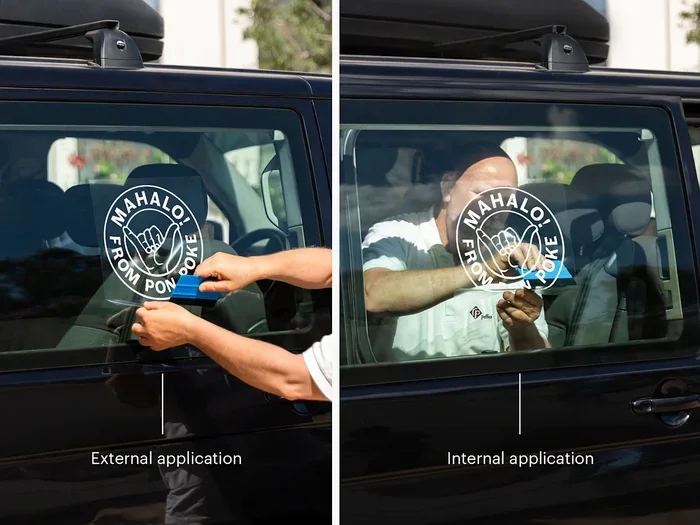
Static cling stickers are probably the most popular type of car windshield sticker. They use static electricity to stick to glass without any adhesive. You can place them, remove them, and reapply them easily. These car window stickers are perfect for temporary use, such as seasonal promotions or event decals.
One big advantage of static cling stickers is that they leave no residue. They are also gentle on your glass and work well on both the inside and outside of your windshield. Many families use them for car decoration stickers during holidays or school events.
Vinyl Decals
Vinyl stickers for cars are durable and long-lasting. They are made from a thin, flexible plastic material that conforms to curved surfaces like windshield decals. Vinyl car decals resist water, sun damage, and fading, making them ideal for outdoor use.
You can find vinyl stickers for cars in countless designs. From weatherproof car stickers that survive harsh winters to glossy finishes that pop in the sunlight, vinyl offers versatility. Many custom car stickers are printed on vinyl because it holds color well and lasts for years.
Removable and Temporary Stickers
If you want something you can change often, removable car stickers are the way to go. These car window stickers use a low-tack adhesive that grips the glass without damaging it. You can peel them off cleanly and replace them with new designs whenever you want.
Many people use removable car stickers for seasonal decorations or to promote local businesses. They are also great for car window tint stickers that add style without permanent commitment. The key benefit is flexibility — you are never stuck with a design you no longer like.
Front Windshield Stickers vs. Rear Window Stickers
Where you place your car windshield stickers matters for both visibility and legality. Front windshield stickers are the most visible but also the most regulated. Many states restrict what you can place on the front glass because it can block your view of the road.
Rear window stickers offer more freedom in many cases. Since the rear window is not directly in your line of sight, you can often place larger or more numerous car window stickers there. Some people create a full rear window sticker collage that tells a story about their interests or travels.
Laws and Regulations for Car Windshield Stickers
Before you slap any car windshield stickers on your glass, it is important to know the rules. Car stickers laws vary by state, county, and even city. Understanding these rules helps you avoid fines and keeps you safe on the road.
General Rules Across the United States
Most states share similar guidelines when it comes to car windshield stickers. Here are some general principles that apply in many places:
- Front windshield stickers are often limited to a small area, usually in the lower corner of the glass.
- Rear window stickers may have fewer restrictions, but they should not completely block your rearview visibility.
- Inspection stickers and parking stickers are usually exempt from restrictions because they are legally required.
- Dealership stickers are generally allowed during the sale period but should be removed afterward.
- No car windshield stickers should cover your mirrors, sensors, or safety cameras.
State-Specific Regulations
Some states have very strict rules about car window stickers. For example, California restricts the area of the front windshield where you can place any non-essential car windshield stickers. Other states like Texas allow more freedom with rear window stickers but still regulate front glass placement.
It is always a good idea to check your local Department of Motor Vehicles (DMV) website or contact your local authorities. They can provide the latest information on car stickers laws in your area. Ignorance of the law is not a valid excuse, and a fine for an illegal sticker is never worth the risk.
What Happens If You Violate Sticker Laws?
Placing car windshield stickers in restricted areas can lead to traffic stops and citations. In some cases, officers may consider obstructed view stickers a safety hazard. Penalties vary but can include fines ranging from $50 to several hundred dollars depending on your location and the severity of the obstruction.
More importantly, illegal car window stickers that block your vision can cause accidents. Safety should always come first when deciding where and how to place your car windshield stickers.
How to Apply Car Windshield Stickers Properly
Applying car windshield stickers correctly makes a huge difference in how long they last and how good they look. A poorly applied sticker bubbles, peels, and looks terrible within weeks. Follow these steps for a clean, professional result every time.
Step-by-Step Application Guide
- Clean the Glass: Use a glass cleaner and a lint-free cloth to wipe the area where you will place the car windshield sticker. Remove all dust, grease, and moisture. Clean glass is the foundation of a lasting sticker.
- Measure and Mark: Hold the sticker against the glass to find the perfect spot. Use a small piece of tape to mark the top edge if needed. This ensures your car window sticker goes on straight and even.
- Peel and Position: Carefully peel off the backing paper. Place the sticker on the glass, starting from one edge and smoothing it down gradually. Work slowly to avoid trapped air bubbles.
- Squeeze Out Air: Use a credit card or a squeegee to press out any air pockets. Start from the center and move outward. This step is crucial for vinyl stickers for cars and other adhesive-based car decals.
- Let It Set: Allow the sticker to cure for at least 24 hours before rolling down the window or exposing it to water. This helps the adhesive bond properly with the glass surface.
Quick Tips for Better Application
- Apply car windshield stickers on a cool, cloudy day. Direct sunlight can warm the adhesive too quickly and cause wrinkles.
- Use a spray bottle with soapy water to help position static cling stickers. The slippery solution lets you slide the sticker into the perfect spot.
- For weatherproof car stickers, apply heat with a hairdryer on a low setting after placement. This helps the vinyl conform to the glass curve.
- Always check for any remaining residue or bubbles after 24 hours. A small pinhole can release trapped air in car window stickers.
Common Mistakes to Avoid
Many people make mistakes when applying car windshield stickers. Here are the most common ones to watch out for:
- Skipping the Cleaning Step: Even a thin layer of dust can cause a sticker to peel prematurely. Always clean the glass thoroughly.
- Rushing the Process: Taking your time prevents misalignment and bubbles. Hurrying leads to crooked car window stickers that look unprofessional.
- Applying in Direct Sunlight: Heat softens adhesive unevenly. Find shade when placing your car windshield stickers for the best results.
- Ignoring the Curing Time: Rolling down your windows too soon can pull the edges of removable car stickers before they fully bond.
How to Remove Car Windshield Stickers Safely
Eventually, every car windshield sticker needs to come off. Whether you are replacing an old car decal or simply want a clean look, removing stickers safely is essential. The wrong technique can leave behind sticky residue or even damage your glass.
Methods for Removing Windshield Stickers
Here are the most effective ways to remove car windshield stickers without harming your glass:
- Heat Method: Use a hairdryer on a medium setting to warm the sticker for 30 to 60 seconds. The heat softens the adhesive and makes the car window sticker easier to peel off in one piece.
- Freezing Method: On a cold day, hold an ice pack against the sticker for several minutes. The cold makes the adhesive brittle, allowing you to crack and peel the windshield decal away cleanly.
- Oil or Rubbing Alcohol: Apply a small amount of baby oil, olive oil, or rubbing alcohol to the residue. Let it sit for 5 minutes, then gently rub with a soft cloth. This works well for removing sticky residue from car decals.
- Commercial Adhesive Remover: Products like Goo Gone or WD-40 are effective for stubborn car windshield stickers. Apply a small amount, let it sit, and wipe away with a clean cloth.
- Plastic Scraper: For thick vinyl stickers for cars, use a plastic scraper or an old credit card to gently lift the edges. Never use metal tools that can scratch your glass.
Tips for Clean Removal
- Always test any removal solution on a small, hidden area first. Some car window stickers use adhesives that react differently to cleaning agents.
- Work slowly and patiently. Rushing can tear the sticker and leave more residue behind.
- For static cling stickers, simply peel them off gently. These removable car stickers do not leave residue because they have no adhesive.
- After removal, clean the area with glass cleaner to restore clarity. This removes any last traces of adhesive from your car windshield stickers.
Best Practices for Choosing and Maintaining Car Windshield Stickers
Choosing the right car windshield stickers and taking care of them ensures they look great for as long as possible. A few smart decisions at the start can save you time and money later.
What to Look for When Buying
When shopping for car windshield stickers, consider these factors:
- Material Quality: Look for weatherproof car stickers made from UV-resistant vinyl or high-quality static cling material. Cheap materials fade and peel quickly.
- Adhesive Type: Decide whether you need permanent adhesive, removable adhesive, or static cling. Your choice depends on how long you want the car window sticker to last.
- Size and Shape: Measure your windshield or window before ordering custom car stickers. A sticker that is too large can obstruct your view and violate car stickers laws.
- Design Quality: Choose car decals with vibrant, high-resolution prints. Blurry or faded designs look cheap and detract from your vehicle’s appearance.
Maintenance Tips for Longevity
Taking care of your car windshield stickers extends their lifespan significantly. Here are some simple maintenance tips:
- Wash your car gently around the sticker area. High-pressure water can peel the edges of car window stickers over time.
- Apply a UV-protective coating to your car windshield stickers if they are exposed to direct sunlight for long periods.
- Inspect your car windshield stickers regularly for peeling edges or fading. Catching problems early makes repair easier.
- Store spare removable car stickers in a cool, dry place. Heat and moisture degrade adhesive quality.
Expert Insights on Car Windshield Stickers
According to automotive detailing experts, the lifespan of a quality car windshield sticker can range from two to five years depending on exposure and material. Experts recommend investing in weatherproof car stickers if you live in areas with extreme heat, cold, or frequent rain. These car window stickers are designed with advanced adhesives and UV inhibitors that resist the elements.
Detailing professionals also emphasize the importance of proper surface preparation. Even the best car decals will fail if applied to dirty or damp glass. Taking five extra minutes to clean and dry the surface can double or triple the life of your car windshield stickers.
Conclusion
Car windshield stickers are a fun, expressive, and practical way to personalize your vehicle. From static cling stickers to durable vinyl stickers for cars, there is a perfect option for every need and budget. Understanding the different types, following car stickers laws, and applying and removing stickers properly ensures a great experience every time.
Remember to choose quality materials, apply with care, and maintain your car windshield stickers for the best results. Whether you are displaying a rear window sticker for your favorite team or using custom car stickers to promote your business, these simple additions can make a big difference.
Now that you have all the information you need, it is time to choose your car windshield stickers and start decorating. Happy sticking!
Frequently Asked Questions
Are car windshield stickers legal in all states?
The legality of car windshield stickers depends on your state and local laws. Most states allow a small area of the front windshield for necessary stickers like inspection tags. Rear window stickers generally have fewer restrictions, but you should always check your local regulations to avoid fines.
How long do car windshield stickers last?
The lifespan of car windshield stickers varies by material and exposure. Weatherproof car stickers made from vinyl can last three to five years, while static cling stickers may last one to two seasons with proper care. Removable car stickers typically have a shorter lifespan due to their low-tack adhesive.
Can I reuse car windshield stickers after removing them?
Static cling stickers can be reused multiple times since they have no adhesive. However, removable car stickers with low-tack adhesive may lose their grip after removal. Permanent car decals are designed for single use and should not be reused.
What is the best way to prevent car windshield stickers from bubbling?
To prevent bubbles in car windshield stickers, clean the glass thoroughly before application and use a squeegee or credit card to press out air. Applying stickers on a cool, cloudy day also helps. For vinyl stickers for cars, a light mist of soapy water can help you position the sticker perfectly before squeezing out air.
Do car windshield stickers damage the glass when removed?
Most car windshield stickers do not damage glass when removed properly. However, stickers left on for too long or those with strong adhesive may leave residue. Using the right removal technique — such as heat, oil, or commercial remover — keeps your glass safe and clean.
Can I make custom car windshield stickers at home?
Yes, you can create custom car stickers at home using a cutting machine like a Cricut or by printing designs on sticker paper. Many people enjoy making personalized car window stickers for gifts or personal use. Just make sure to use weather-resistant materials for outdoor durability.