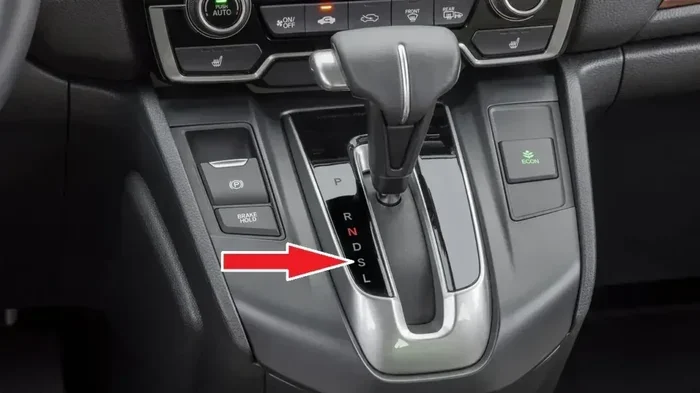
Can You Shift Into Sport Mode While Driving and What Happens
Can You Shift Into Sport Mode While Driving? is an essential topic that provides valuable insights.
Key Takeaways
- Understanding Can You Shift Into Sport Mode While Driving?: Provides essential knowledge
📑 Table of Contents
- What Is Sport Mode and How Does It Work?
- Can You Shift Into Sport Mode While Driving?
- What Happens to Your Transmission in Sport Mode?
- Benefits of Using Sport Mode While Driving
- Common Mistakes People Make with Sport Mode
- Expert Insights on Sport Mode and Daily Driving
- Sport Mode Across Different Vehicle Types
- Key Takeaways
- Conclusion
What Is Sport Mode and How Does It Work?
Before we answer whether you can shift into sport mode while driving, let us understand what it actually does. Sport mode is a vehicle setting that alters the performance characteristics of your car. It is not a physical gear change. Instead, it sends new signals to your car’s electronic control unit, which then adjusts multiple systems at once.
When you switch to sport mode, several things happen simultaneously. The throttle response becomes sharper, meaning your engine reacts faster when you press the gas pedal. The transmission holds gears longer before shifting up, keeping the engine in its power band. Some vehicles also adjust steering weight and suspension settings to feel firmer and more responsive.
The Role of the Electronic Control Unit
Your car’s electronic control unit acts like a brain. It receives input from the drive mode selector and tells different systems what to do. When you select sport mode, the ECU recalibrates engine mapping, gear ratios, and other parameters. This all happens in milliseconds, which is why modern cars can switch modes seamlessly while you are moving.
How Sport Mode Differs from Normal Mode
In normal or eco mode, your car prioritizes fuel efficiency and comfort. The transmission shifts early to keep RPMs low. The throttle feels softer. In sport mode, the priorities flip. You get more power, faster gear changes, and a more connected feel between the wheel and the road.
| Feature | Normal Mode | Sport Mode |
|---|---|---|
| Throttle Response | Soft and gradual | Sharp and immediate |
| Gear Shifting | Early upshifts for efficiency | Holds gears longer for power |
| RPM Range | Lower RPMs | Higher RPMs |
| Steering Feel | Light and comfortable | Heavier and more responsive |
| Suspension | Soft for comfort | Firmer for handling |
| Fuel Consumption | Better mileage | Higher fuel use |
Can You Shift Into Sport Mode While Driving?
The direct answer is yes. You can shift into sport mode while driving without causing any damage to your vehicle. Car manufacturers design drive mode systems to be safe and functional at all speeds. Whether you are sitting at a red light or cruising on the interstate, switching to sport mode is perfectly fine.
However, there are a few things to keep in mind. The change in vehicle dynamics can be sudden. Your engine will sound louder, the steering will feel heavier, and the car may accelerate more aggressively. If you are not prepared for this shift, it can catch you off guard, especially at low speeds or in tight spaces.
When Is the Best Time to Switch?
The best time to activate sport mode is when road conditions allow for more aggressive driving. Open highways, empty roads, or winding mountain routes are ideal. Avoid switching modes in heavy traffic, on wet roads, or in crowded parking lots. The sharper throttle response in sport mode can cause wheel spin or sudden surges if you are not careful.
Do You Need to Stop First?
You do not need to stop the car to switch to sport mode. The transmission control module handles the transition smoothly. That said, some drivers prefer to make the switch at a stoplight so they can feel the difference in a controlled setting. Both approaches are perfectly safe.
What Happens to Your Transmission in Sport Mode?
The transmission is the biggest beneficiary of sport mode. In normal mode, the automatic transmission tries to find the most fuel-efficient gear for every situation. It shifts up early and downshifts only when necessary. In sport mode, the entire strategy changes.
The transmission holds lower gears longer, which keeps the engine spinning at higher RPM ranges. This means you have more engine power available right when you need it. When you floor the accelerator, the car does not hesitate to hunt for the right gear. It stays put and delivers the power directly to the wheels.
Understanding Gear Ratios in Sport Mode
Gear ratios determine how much torque reaches the wheels at any given speed. In sport mode, the transmission favors ratios that prioritize acceleration over economy. This is why you feel the car lunge forward more eagerly when you tap the gas. The downshift speed also increases, so when you lift off the throttle, the transmission drops a gear or two to prepare for acceleration.
Manual vs. Automatic Transmission Behavior
If you drive a manual transmission car, sport mode may not change much mechanically. But it can adjust rev-matching during downshifts and raise the rev limiter. For automatic and continuously variable transmissions (CVTs), the difference is much more noticeable. The CVT will simulate more gear steps and hold the engine at higher RPM ranges for a sportier feel.
Benefits of Using Sport Mode While Driving
There are several real-world benefits to using sport mode while driving. Understanding these advantages can help you decide when it makes sense to switch.
Better Acceleration: The most obvious benefit is quicker acceleration. When you need to merge onto a highway or pass another vehicle, sport mode gives you the extra power on demand. The engine power delivery is more immediate, making overtaking safer and easier.
Enhanced Driving Engagement: Many drivers love sport mode because it makes driving more fun. The sharper steering, firmer suspension, and louder engine note create a more immersive experience. If you enjoy being connected to the road, this mode brings out the best in your vehicle.
Improved Hill Climbing: When driving uphill, sport mode prevents the transmission from shifting into too high a gear too quickly. This keeps the engine torque available and reduces the strain on the powertrain during steep climbs.
Better Braking Control: In some vehicles, sport mode also adjusts braking response. The brakes may feel more firm and responsive, giving you better control during spirited driving.
Common Mistakes People Make with Sport Mode
Even though sport mode is easy to use, drivers make mistakes that can reduce its benefits or even cause problems. Here are the most common ones.
Leaving Sport Mode On All the Time
This is the number one mistake. Many drivers switch to sport mode and forget to switch back. Doing so kills your fuel efficiency and puts extra strain on the engine and transmission over time. Your car works harder at every speed, which means more trips to the gas station and higher maintenance costs.
Using Sport Mode in Bad Weather
Sport mode is not ideal for rain, snow, or icy roads. The aggressive throttle response can cause wheel slip, and the firmer suspension reduces comfort and traction. Always switch back to normal or weather-appropriate modes when conditions are slippery.
Confusing Sport Mode with Overdrive
Some drivers think sport mode is the same as turning off overdrive. They are not the same. Overdrive is a specific gear ratio setting, while sport mode is a comprehensive adjustment of multiple systems. Understanding the difference helps you use each feature correctly.
Ignoring the Check Engine Light
If your check engine light comes on while using sport mode, do not ignore it. The higher RPM ranges and increased engine load can expose underlying problems faster. Address any warning lights promptly.
Quick Tips for Using Sport Mode
- Switch back to normal mode when you are done driving aggressively to save fuel.
- Use sport mode on open roads where you have space to enjoy the extra performance.
- Avoid sport mode in heavy traffic to prevent unnecessary wear on brakes and transmission.
- Listen to your engine. If it sounds strained or overheats, switch back to normal mode immediately.
- Combine sport mode with manual shifting if your car has paddle shifters for maximum control.
Expert Insights on Sport Mode and Daily Driving
Automotive engineers generally agree that sport mode is designed for selective use. It is not meant to replace your normal driving mode but to enhance it when the situation calls for more performance. According to experts, the key is knowing when to use it and when to leave it off.
Dr. Mark Jensen, automotive engineer, explains that modern drive mode systems are incredibly sophisticated. “The electronic control unit manages dozens of parameters in real time. Switching modes while driving is not just safe, it is engineered to be seamless,” he says.
Experts also emphasize that sport mode does not change the fundamental safety of your vehicle. The brakes, stability control, and traction control systems remain fully active regardless of which mode you select. So even in sport mode, your car has all the safety features you rely on every day.
How Sport Mode Affects Long-Term Vehicle Health
Using sport mode occasionally will not harm your car. In fact, many mechanics recommend occasionally driving in sport mode because it keeps the transmission and engine operating across a wider range of RPM ranges. This can help prevent carbon buildup and keep components lubricated.
However, constant use of sport mode can accelerate wear on several components. The brake pads wear faster because of more frequent hard acceleration and braking. The transmission fluid may degrade faster due to higher operating temperatures. Regular maintenance becomes even more important if you frequently use sport mode.
Sport Mode Across Different Vehicle Types
Not all sport mode systems are created equal. The experience varies depending on the type of vehicle you drive.
Sports Cars: Vehicles like the Porsche 911 or Chevrolet Corvette have highly refined sport mode settings. The transmission shifts in milliseconds, the steering feel becomes razor-sharp, and the engine power delivery is aggressive. These cars are built to thrive in sport mode.
Sedans and Coupes: Mid-range vehicles like the Honda Accord or Toyota Camry offer a more subtle sport mode experience. The changes are noticeable but not dramatic. They provide a nice balance between daily comfort and occasional performance.
SUVs and Trucks: Larger vehicles like the Ford Explorer or Chevrolet Tahoe use sport mode primarily to improve throttle response and transmission shifting. The suspension may not change much, but you will notice quicker acceleration and more confident highway passing.
Electric Vehicles: EVs like the Tesla Model 3 do not have traditional transmission modes in the same way. But they do offer performance modes that adjust throttle response and regenerative braking for a sportier feel. The concept is the same, just applied differently.
Key Takeaways
- Yes, you can shift into sport mode while driving. Modern vehicles are engineered to handle this transition safely and smoothly at any speed.
- Sport mode changes throttle response, transmission behavior, steering feel, and suspension settings to deliver a more engaging driving experience.
- The transmission holds gears longer in sport mode, keeping the engine in its optimal RPM range for power delivery.
- You do not need to stop the car to switch modes. The electronic control unit manages the transition seamlessly.
- Do not leave sport mode on all the time. It reduces fuel efficiency and increases wear on brakes, transmission, and engine components.
- Avoid sport mode in bad weather conditions like rain, snow, or ice, as the aggressive throttle can cause traction loss.
- Use sport mode selectively for highway merges, hill climbing, open roads, and spirited driving to get the most benefit without unnecessary wear.
Conclusion
So, can you shift into sport mode while driving? Absolutely. It is one of the simplest and most effective ways to unlock more performance from your vehicle on the fly. Whether you need to pass a slow truck on the highway or simply want a more engaging drive on a scenic road, sport mode delivers exactly what you expect.
The key is to use it wisely. Switch to sport mode when conditions are right, and switch back to normal mode when you do not need the extra performance. This approach keeps your car running smoothly, maintains fuel efficiency, and ensures your transmission and engine last for years to come.
Next time you are behind the wheel and the road opens up, do not hesitate to press that sport mode button. Your car is ready for it, and you will feel the difference immediately. Just remember to drive responsibly and enjoy the ride.
Frequently Asked Questions
Is it bad to shift into sport mode while driving?
No, it is not bad at all. Car manufacturers design drive mode systems to be safe and functional at all speeds. Switching to sport mode while driving is a normal and intended feature of modern vehicles. The electronic control unit handles the transition smoothly without any risk of damage.
Will sport mode damage my transmission?
Using sport mode occasionally will not damage your transmission. In fact, it can be beneficial because it keeps the gear ratios and RPM ranges varied. However, constantly running in sport mode can increase transmission wear over time due to higher operating temperatures and more aggressive shifting. Regular maintenance helps prevent this.
Does sport mode save fuel?
No, sport mode typically reduces fuel efficiency. The sharper throttle response and higher RPM ranges mean your engine burns more fuel. If you are looking to maximize mileage, stick with normal or eco mode. Save sport mode for when you want performance rather than efficiency.
Can you switch between drive modes at high speeds?
Yes, you can switch between driving modes at high speeds without any issues. The transmission control module and electronic control unit are designed to handle mode changes at any velocity. The transition is seamless and should not affect vehicle stability or safety.
What is the difference between sport mode and manual mode?
Sport mode automatically adjusts throttle response, gear shifting, and other settings for a sportier feel while still shifting gears for you. Manual mode gives you direct control over which gear the transmission uses, allowing you to hold a specific gear or manually downshift. They serve different purposes, and many cars offer both.
Should I use sport mode for towing?
Sport mode can be helpful when towing because it keeps the transmission in lower gears longer, providing more engine torque for heavy loads. However, many vehicles have a dedicated tow mode that is better optimized for towing. Check your owner’s manual to see if your vehicle offers a specific towing setting.