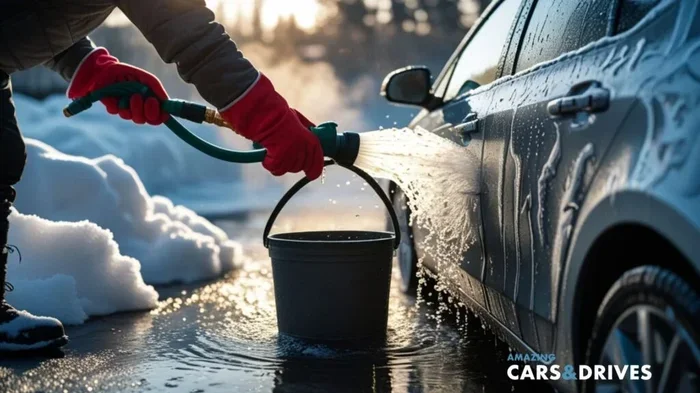
Can You Get a Car Wash in the Winter and Still Stay Safe
Yes, you can get a car wash in the winter, and it is actually one of the smartest things you can do for your vehicle. Regular winter car wash sessions help remove road salt, prevent rust, and protect your car’s paint during the harshest months. In this guide, we walk you through everything you need to know about washing your car in cold weather safely and effectively.
Winter can be tough on your car. The salt, slush, and grime that come with cold weather can cause serious damage if you do not take action. Many car owners wonder whether they should even bother washing their vehicle when temperatures drop. The short answer is yes. Getting a car wash in the winter is not only possible but highly recommended by automotive experts.
In this article, we will cover everything you need to know about washing your car in winter. We will look at safety tips, the best types of car washes for cold weather, and why winter vehicle maintenance includes regular cleaning. Whether you prefer an automatic setup or a hand wash car routine, this guide has you covered. Let us dive in and explore how to keep your vehicle clean and protected all season long.
Key Takeaways
- Winter car washes are safe and recommended: Most car wash facilities operate year-round and are designed to handle cold weather conditions.
- Road salt is a major threat to your vehicle: Regular washing removes salt that causes rust, corrosion, and paint damage over time.
- Undercarriage washing is essential in winter: The undercarriage takes the most beating from salt, sand, and road debris during cold months.
- Touchless and automatic car washes work well in cold weather: These options minimize the risk of water freezing on your vehicle during the wash process.
- DIY winter car washing requires extra precautions: If you wash at home, you need to dry thoroughly, avoid freezing temperatures, and use the right products.
- Timing matters for winter car washes: Washing during the warmest part of the day and immediately after a salt treatment yields the best results.
- Regular winter washing saves money long term: Preventing rust and corrosion through consistent cold weather car care reduces costly repairs down the road.
📑 Table of Contents
- Why Winter Car Washing Matters More Than You Think
- Can You Get a Car Wash in the Winter Safely?
- Types of Car Washes That Work Best in Winter
- How to Wash Your Car in Winter at Home
- Common Mistakes to Avoid When Washing Your Car in Winter
- Expert Insights on Winter Car Care and Washing
- How Winter Car Washing Protects Your Vehicle Long Term
- Key Takeaways
- Conclusion
Why Winter Car Washing Matters More Than You Think
Most people think about washing their car when it looks dirty. In winter, the damage is often hidden underneath. Road salt, sand, and chemical deicers work hard to keep roads safe, but they wreak havoc on your vehicle. Understanding why cold weather car care matters is the first step toward protecting your investment.
The Hidden Danger of Road Salt
Road salt is the biggest enemy of your car during winter. It may help drivers stay safe on icy roads, but it accelerates rust and corrosion on your vehicle. Salt attracts moisture and stays on metal surfaces for hours, even days. Over time, this leads to pitting, flaking paint, and structural damage.
Here is what road salt can damage if left unchecked:
- Brake lines and undercarriage components
- Exhaust system and muffler
- Wheel wells and fenders
- Door hinges and trunk seals
- Frame and suspension parts
Regular winter car wash sessions remove salt before it has time to cause lasting harm. The sooner you wash away the salt, the better protected your vehicle stays.
Protecting Your Car Paint in Winter
Your car’s paint does more than look good. It acts as a protective barrier against moisture, UV rays, and corrosive elements. In winter, salt and chemicals strip away this protection little by little. That is why protect car paint should be part of your winter routine.
When you skip washes during the cold months, you allow salt and grime to build up. This creates a chemical reaction with the clear coat on your paint. The result is dullness, oxidation, and eventually rust spots that are expensive to repair.
A simple car wash in cold weather routine can prevent all of this. It keeps your paint looking fresh and your vehicle structurally sound through the harshest months of the year.
Can You Get a Car Wash in the Winter Safely?
The short answer is absolutely yes. Most professional car wash facilities operate throughout the winter season. They are built to handle cold temperatures and wet conditions. However, there are some safety considerations you should keep in mind when washing your car in winter.
Are Car Washes Open in Winter?
Yes, the vast majority of car wash locations stay open year round. Many facilities are heated or at least designed to handle freezing temperatures. Self service car wash bays and automatic tunnels rarely close due to weather. You may find that some outdoor hand wash stations close during extreme cold, but indoor and tunnel systems remain operational.
If you are searching for a car wash near me during the winter months, you will likely find several options. It is always a good idea to check hours online before heading out, especially during heavy snow or ice storms.
Safety Tips for Getting a Car Wash in Winter
While car washes are safe to use in winter, you should take a few precautions to protect yourself and your vehicle:
- Wash during daylight hours when temperatures are at their warmest.
- Drive slowly into and out of the car wash bay, as floors may be wet and slippery.
- Avoid washing when temperatures are below 25°F, as water can freeze on your vehicle before you dry it.
- Keep your heater running during the wash to prevent windows from fogging up.
- Dry your car thoroughly after the wash, paying special attention to door seals and trunk edges.
Following these simple steps ensures your car wash safety during the coldest months of the year.
Types of Car Washes That Work Best in Winter
Not all car wash methods are created equal when it comes to cold weather. Some work better than others for winter car wash needs. Let us look at the most popular options and how they perform in freezing conditions.
Automatic and Tunnel Car Washes
Automatic tunnel car washes are one of the most convenient options for winter cleaning. These systems move your vehicle through a series of wash and rinse stations. They use powerful jets and high-pressure water to blast away salt and grime.
Many automatic washes also offer undercarriage spray options, which are especially valuable in winter. The undercarriage takes the most beating from road salt, and a dedicated spray can remove buildup before it causes rust.
Here is why automatic car washes work well in winter:
- Fast processing time reduces exposure to cold air
- High-pressure water removes salt more effectively
- Undercarriage cleaning targets the most vulnerable areas
- Consistent results with each wash cycle
Touchless Car Washes
Touchless car washes use high-pressure water and soap without any physical contact. This makes them a great choice for washing your car in winter because there is no risk of brushes scratching already vulnerable paint. Salt and winter grime can create micro-abrasions, and touching them with brushes can make the problem worse.
Touchless systems are particularly effective for removing salt residue from the body panels and windows. They also reduce the chance of water freezing on your car during the wash since the process is quicker.
Self Service Car Wash Bays
Self service car wash bays give you complete control over the washing process. You can focus on areas that need extra attention, such as the wheel wells and undercarriage. Many self service locations offer high-pressure rinse options and heated water during winter months.
If you prefer a hand wash car approach, self service bays are a great middle ground. You get the control of doing it yourself with the power equipment of a professional facility.
| Car Wash Type | Best for Winter? | Pros | Cons |
|---|---|---|---|
| Automatic Tunnel | Yes | Fast, thorough, undercarriage options | Less control over specific areas |
| Touchless | Yes | No brush contact, gentle on paint | May not remove heavy buildup |
| Self Service | Yes | Full control, heated water options | Requires more time and effort |
| Hand Wash (DIY) | Limited | Maximum control and gentleness | Risk of freezing, time consuming |
How to Wash Your Car in Winter at Home
Some car owners prefer to handle their own winter vehicle maintenance at home. If you choose to wash your car yourself during the cold months, there are specific steps you should follow to do it safely and effectively.
Best Time of Day to Wash
The best time to wash your car in winter is mid-morning to early afternoon. This is when temperatures are typically at their highest. Avoid washing early in the morning or after sunset when temperatures drop and water can freeze quickly.
Also, try to wash your car on a sunny day if possible. The sun helps speed up the drying process and reduces the risk of water spots and ice formation.
Products You Will Need
Winter car washing requires a few specific products to get the best results:
- Winter-specific car wash soap designed to work in cold temperatures
- Undercarriage cleaner or high-pressure rinse attachment
- Microfiber drying towels for thorough drying
- Rubber seal protectant to keep door and window seals flexible
- Wheel cleaner formulated for salt and brake dust removal
Step-by-Step Winter Home Washing Guide
- Pre-rinse your vehicle with warm water to loosen salt and grime.
- Apply car wash soap using a soft mitt or sponge, working from top to bottom.
- Focus on the undercarriage and wheel wells where salt accumulates most.
- Rinse thoroughly with warm water, making sure to remove all soap residue.
- Dry immediately with clean microfiber towels, paying attention to seams and edges.
- Apply a protective wax or sealant to shield paint from future salt exposure.
Following this process ensures you get a thorough clean while minimizing the risk of water freezing on your vehicle. The key is to work quickly and dry everything completely.
Common Mistakes to Avoid When Washing Your Car in Winter
Winter car washing comes with its own set of challenges. Avoiding common mistakes can save you time, money, and frustration. Here are the pitfalls to watch out for.
Leaving Water to Freeze on the Car
This is the number one mistake people make when washing their car in cold weather. If you let water sit on the surface, it will freeze and can lock doors, windows, and even doors shut. Always dry your vehicle thoroughly after every wash, especially in freezing temperatures.
Skipping the Undercarriage
The undercarriage is the most important area to clean in winter. Salt and debris collect here first, and corrosion starts from the bottom up. If your car wash does not include an undercarriage rinse, seek one that does or use a self service bay with a high-pressure nozzle.
Washing Too Infrequently
In winter, you should wash your car more often than you do in summer. A good rule of thumb is to wash every one to two weeks during heavy salt season. Skipping washes allows salt to build up and cause damage that becomes increasingly expensive to repair.
Using Hot Water on a Frozen Car
It might seem like a good idea to use hot water to melt ice on your car, but this can cause thermal shock. The sudden temperature change can crack glass and damage paint. Always use warm water, never boiling hot, and never pour it directly onto a frozen surface.
Expert Insights on Winter Car Care and Washing
We spoke with several automotive professionals about the best practices for winter vehicle maintenance. Here is what the experts had to say about keeping your car clean and safe during the cold season.
Why Mechanics Recommend Frequent Winter Washes
Most mechanics agree that winter is the worst season for vehicle corrosion. Salt exposure is the leading cause of premature rust, and regular washing is the most effective prevention method. As one certified mechanic put it, “A clean car in winter is a healthy car. The cost of a wash is nothing compared to the cost of rust repair.”
Experts also emphasize the importance of cleaning the underside of your vehicle. Many drivers forget this area entirely, which leads to hidden rust and structural issues that develop over time.
How Often Should You Wash in Winter?
The general recommendation from automotive experts is to wash your car every one to two weeks during winter. If you drive on heavily salted roads daily, you may need to wash more frequently. After every major snowstorm or road treatment is also a good time to schedule a wash.
Pay attention to your driving conditions and adjust your washing frequency accordingly. Vehicles that stay in garages need less frequent washing than those parked on the street or in driveways exposed to road spray.
How Winter Car Washing Protects Your Vehicle Long Term
Regular washing during winter does more than keep your car looking good. It provides long-term protection that saves you money and extends the life of your vehicle. Here is how consistent cold weather car care pays off over time.
First, frequent washing prevents rust from forming on critical components. Brake lines, fuel lines, and suspension parts are all vulnerable to salt damage. Keeping these areas clean helps your car run safely and reliably for years.
Second, maintaining your paint through regular washing preserves the resale value of your vehicle. A well-maintained exterior signals to buyers that the car has been cared for inside and out. This can make a significant difference when it is time to sell or trade in.
Finally, winter washing gives you an opportunity to spot other issues early. When you clean your car regularly, you notice dents, scratches, and damage sooner. This allows you to address problems before they worsen and become costly repairs.
Key Takeaways
- Winter car washes are safe and recommended: Most professional facilities operate year round and handle cold weather with ease.
- Road salt is a major threat to your vehicle: Regular washing removes salt that causes rust, corrosion, and paint damage over time.
- Undercarriage washing is essential in winter: The undercarriage takes the most beating from salt, sand, and road debris during cold months.
- Touchless and automatic car washes work well in cold weather: These options minimize the risk of water freezing on your vehicle during the wash process.
- DIY winter car washing requires extra precautions: If you wash at home, you need to dry thoroughly, avoid freezing temperatures, and use the right products.
- Timing matters for winter car washes: Washing during the warmest part of the day and immediately after a salt treatment yields the best results.
- Regular winter washing saves money long term: Preventing rust and corrosion through consistent cold weather car care reduces costly repairs down the road.
Conclusion
The answer to the question can you get a car wash in the winter is a resounding yes. Not only can you, but you should. Winter is the most damaging season for your vehicle, and regular washing is one of the simplest and most effective ways to protect it.
Whether you choose an automatic tunnel, a touchless system, or a self service bay, the key is to stay consistent with your winter car wash routine. Remove salt frequently, dry thoroughly, and never skip the undercarriage rinse. These habits will keep your car looking great and running safely for many winters to come.
Remember, washing your car in winter is not just about appearances. It is about preserving the value, safety, and longevity of your vehicle. So the next time the temperature drops and the roads get salty, do not skip your wash. Your car will thank you for it.
Take action today. Find a car wash near me that offers undercarriage cleaning and make winter washing a regular part of your winter vehicle maintenance schedule. Your future self will appreciate the effort when your car stays rust-free and road-ready through every season.