Can You Jump a Car in the Rain Without Getting Shocked
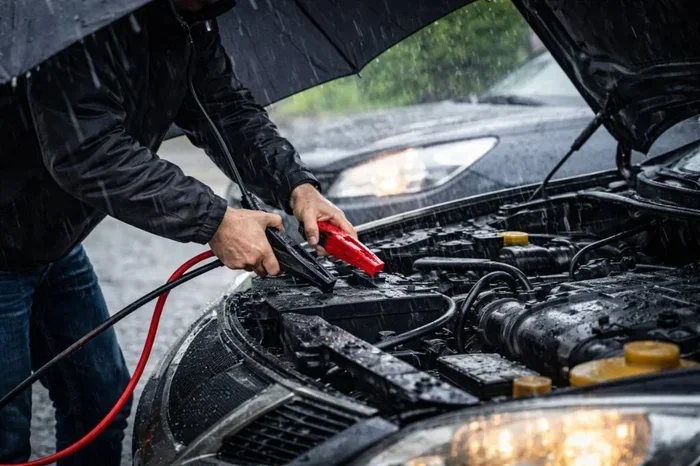
Yes, you can jump a car in the rain without getting shocked. The process is safe when you follow proper electrical safety steps. Water alone does not increase your risk of shock if you handle jumper cables correctly. This guide covers everything you need to know about jump starting your vehicle in wet conditions safely.
Have you ever been stuck in the rain with a dead car battery? It is one of the most frustrating situations a driver can face. The sky is pouring, the road is slippery, and your vehicle will not turn over. Your first thought might be, “Can I even jump a car in the rain?” The short answer is yes. But the real question is, can you do it without getting shocked?
The good news is that jump starting a car in the rain is perfectly safe when you know what you are doing. Many drivers worry about electric shock because water and electricity seem like a dangerous mix. However, the voltage in a standard car battery is not enough to harm you through rain. Still, there are safety precautions you must follow to stay safe and protect your vehicle. In this article, we will walk you through every step. You will learn the correct cable order, common mistakes to avoid, and how to use a portable jump starter as a safer alternative.
Key Takeaways
- Water does not conduct enough electricity to shock you when jump starting in the rain, as long as you follow safety steps.
- Always connect jumper cables in the correct order to prevent sparks and damage to your car battery.
- Keep cable clamps dry and avoid touching metal surfaces while cables are connected.
- A portable jump starter is a safer and more convenient option for wet weather emergencies.
- Check your battery terminals for corrosion before attempting any jump start, especially in damp conditions.
- Turn off all electronics in both vehicles before connecting cables to reduce electrical risk.
- Know when to call for help if conditions feel unsafe or if you are unsure about the process.
📑 Table of Contents
- Understanding How Jump Starting Works
- Step-by-Step Guide to Jumping a Car in the Rain
- Common Mistakes People Make When Jump Starting in the Rain
- Safety Precautions for Jump Starting in Wet Weather
- Portable Jump Starters: A Better Option for Wet Weather
- When to Call for Professional Help Instead
- How to Prevent a Dead Battery in the Rain
- Expert Insights on Electrical Safety in Wet Conditions
- Key Takeaways
- Conclusion
Understanding How Jump Starting Works
Before you touch any jumper cables, it helps to understand what is actually happening. A jump start uses power from another vehicle’s battery to charge your dead battery. Once your battery has enough charge, the vehicle engine can start. The alternator then takes over and recharges the battery while you drive.
Here is the basic process:
- Two vehicles are parked close together, engines off.
- Jumper cables connect the two battery terminals.
- Power flows from the working battery to the dead one.
- The dead battery gains enough energy to start the engine.
The entire process involves low-voltage direct current, typically 12 volts. This is far too low to cause a harmful shock to a human. Even in wet conditions, your body’s resistance is much higher than the current the cables carry. That is why jump starting in the rain is generally safe.
Why People Fear Shock in the Rain
Many drivers avoid jump starting in wet weather because they fear electric shock. This fear comes from a misunderstanding of how electricity works. The voltage in a car battery is only 12 volts. A household outlet, by comparison, delivers 120 or 240 volts. The shock from a household electrical source is what most people think of when they imagine electric shock.
Water does conduct electricity, but the amount of current flowing through jumper cables is tiny. It is not enough to travel through your body in a meaningful way. As long as you do not create a direct path between positive and negative terminals with your body, you are safe. Keep reading, and we will show you exactly how to do this the right way.
Step-by-Step Guide to Jumping a Car in the Rain
Now that you know it is safe, let us walk through the process. Follow these steps carefully every time you jump start a vehicle in wet weather.
Step 1: Park Both Vehicles Safely
Pull the working vehicle close to the car with the dead battery. Make sure both vehicles are in park or neutral. Turn off the engines, headlights, and all electronics. This includes the radio, air conditioning, and phone chargers. Turning off electronics reduces the chance of a voltage spike when you connect the cables.
In the rain, make sure both cars are on stable, flat ground. Avoid puddles that might splash up into the battery compartment. If possible, park under a canopy or overhang to keep the battery terminals and cables as dry as you can.
Step 2: Inspect the Batteries and Cables
Before connecting anything, take a moment to inspect both batteries. Look for cracks, leaks, or visible damage. If a battery is leaking, do not attempt a jump start. Call a professional or use a portable jump starter instead.
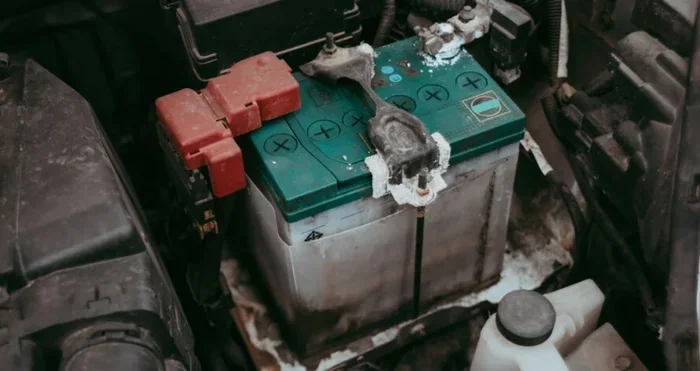
Check the battery terminals for white or greenish buildup. This is corrosion, and it can interfere with the electrical connection. If you see corrosion, clean it off with a wire brush or a battery terminal cleaner before proceeding.
Also, inspect the jumper cables themselves. Make sure the rubber insulation is intact. If you see exposed wire or damaged insulation, do not use the cables. Damaged cables increase the risk of sparks and short circuits, especially in wet conditions.
Step 3: Connect the Jumper Cables in the Correct Order
This is the most important part. Connecting cables in the wrong order can cause sparks, damage the electrical system, or even start a fire. Always follow this order:
- Connect the red clamp to the positive terminal of the dead battery.
- Connect the other red clamp to the positive terminal of the working battery.
- Connect the black clamp to the negative terminal of the working battery.
- Connect the remaining black clamp to an unpainted metal surface on the dead car’s engine block. Do not connect it directly to the negative battery terminal.
The final step — connecting the black clamp to the engine block — is especially important. It reduces the risk of sparks near the battery, where hydrogen gas may be present. In the rain, keeping sparks away from the battery area is an extra safety measure.
Step 4: Start the Working Vehicle First
Start the engine of the working vehicle and let it idle for a few minutes. This allows the alternator to send a small charge to the dead battery. After two to three minutes, try starting the vehicle with the dead battery.
If it does not start right away, wait another minute or two and try again. Do not keep trying for more than five or six attempts. Overworking the starter motor can cause it to overheat.
Step 5: Disconnect the Cables in Reverse Order
Once the dead vehicle is running, disconnect the cables in the reverse order:
- Remove the black clamp from the engine block of the dead car.
- Remove the black clamp from the negative terminal of the working battery.
- Remove the red clamp from the positive terminal of the working battery.
- Remove the red clamp from the positive terminal of the dead battery.
Keep the clamps away from each other during removal. You do not want them to touch and create a spark. In the rain, hold the cable handles, not the metal clamps, to stay safe.
Common Mistakes People Make When Jump Starting in the Rain
Even though jump starting in wet weather is safe, mistakes can still cause problems. Here are the most common errors drivers make:
Mistake 1: Touching Cable Clamps Together
This is the number one mistake. If the red and black clamps touch each other before being connected to the batteries, they create a short circuit. In the rain, this can cause sparks, which is especially dangerous near a battery that may be releasing flammable gas. Always hold clamps by the insulated handles.
Mistake 2: Connecting Cables in the Wrong Order
Connecting the black clamp directly to the negative battery terminal can cause sparks right at the battery. This is risky in wet conditions because hydrogen gas may be present. Always connect the last black clamp to the engine block, not the battery terminal.
Mistake 3: Ignoring Corrosion on Terminals
Corrosion acts as an insulator, blocking the electrical connection. If your battery terminals are corroded, the jump start may not work, and you may keep trying, which drains the working battery faster. Clean terminals first for the best results.
Mistake 4: Leaving Electronics On
Leaving your headlights or radio on during a jump start puts extra strain on both batteries. In wet weather, you want to minimize any unnecessary electrical load. Turn everything off before you begin.
Mistake 5: Not Checking Cable Condition
Old or damaged cables are a hazard in any condition, but especially in the rain. Exposed wires can cause short circuits or deliver less power to the dead battery. Always use heavy-gauge, well-insulated jumper cables.
Safety Precautions for Jump Starting in Wet Weather
Safety should always come first. Here are the key safety precautions to follow every time you jump start a car in the rain:
- Wear rubber-soled shoes. Rubber is an excellent insulator and protects you from any stray current.
- Keep your hands dry. Dry hands give you better grip on cable handles and reduce any theoretical risk.
- Stand away from the engine bay. Sparks may occur when connecting cables. Keep your body at a safe distance.
- Do not smoke near the batteries. Batteries can release hydrogen gas, which is flammable.
- Use gloves if available. Even basic rubber gloves add an extra layer of protection.
- Avoid standing in puddles. While the risk is low, it is better to be on dry ground.
- Read your vehicle manual. Some modern cars have specific instructions for jump starting that differ from the standard process.
What About Modern Cars with Computer Systems?
Many newer vehicles have sensitive computer systems and electronic control units. A wrong jump start can damage these systems. Always check your owner’s manual before jump starting a modern car. Some manufacturers recommend using a portable jump starter instead of traditional cables because they offer better voltage regulation and less risk of power surges.
Portable Jump Starters: A Better Option for Wet Weather
If you frequently deal with dead batteries in rainy conditions, a portable jump starter might be the best investment you make. These compact devices fit in your trunk and provide enough power to start your car without needing another vehicle.
Why Portable Jump Starters Are Safer in the Rain
A portable jump starter eliminates the need for a second vehicle and long cables. This means fewer connection points and less chance of error. Most models are designed with built-in waterproof housing and LED lights, making them ideal for roadside emergencies in bad weather.
Here are some benefits:
- No need for another vehicle — you are self-sufficient.
- Compact and lightweight — easy to store and carry.
- Built-in safety features — many models prevent reverse polarity and overcurrent.
- USB charging ports — you can charge your phone while waiting for help.
- Works in extreme temperatures — reliable in both hot and cold weather.
How to Use a Portable Jump Starter in the Rain
Using a portable jump starter is simple:
- Turn off the dead vehicle’s engine and all electronics.
- Connect the red clamp to the positive battery terminal.
- Connect the black clamp to the negative battery terminal or engine block.
- Turn on the portable jump starter.
- Start the vehicle.
- Disconnect the clamps in reverse order.
Keep the jump starter in a dry place, such as inside a waterproof bag or your glove box. Even though most units are water-resistant, keeping them dry extends their lifespan.
When to Call for Professional Help Instead
Not every situation is ideal for a DIY jump start. Know when to call for help. If any of the following apply, it is best to call a roadside assistance service or a professional mechanic:
- The battery is visibly cracked or leaking.
- The battery terminals are severely corroded and cannot be cleaned easily.
- You have tried jump starting three or more times without success.
- The vehicle engine makes unusual noises when you try to start it.
- You are in a dangerous location, such as a highway shoulder with poor visibility.
- You feel unsure or uncomfortable about the process.
There is no shame in calling for help. A professional has the right tools and electrical safety training to handle difficult situations. In wet conditions, it is always better to be cautious than sorry.
How to Prevent a Dead Battery in the Rain
Prevention is always better than cure. Here are simple tips to keep your car battery healthy, especially during rainy seasons:
- Inspect your battery regularly. Look for cracks, leaks, or corrosion every few months.
- Keep the terminals clean. Use a baking soda and water solution to clean off any buildup.
- Drive your car regularly. The alternator recharges the battery while you drive. Short trips may not provide enough charge.
- Turn off all electronics when parked. Lights, radio, and phone chargers drain the battery over time.
- Replace old batteries. Most car batteries last three to five years. If yours is older, consider replacing it before it fails.
- Invest in a portable jump starter. Keep one in your trunk for emergencies, especially during storm season.
Signs Your Battery Is About to Die
Watch for these warning signs so you are never caught off guard:
- Slow cranking when you turn the key.
- Dim headlights when the engine is off.
- The battery warning light on your dashboard is illuminated.
- A swollen or bloated battery case.
- A rotten egg smell coming from the battery area.
If you notice any of these signs, get your battery tested at an auto parts store. Most stores offer free battery testing. Catching a weak battery early can save you from a roadside emergency on a rainy day.
Expert Insights on Electrical Safety in Wet Conditions
Automotive experts agree that jump starting a car in the rain is safe when done correctly. According to most mechanics, the real danger is not the rain itself but the mistakes people make during the process. The most common cause of injury or vehicle damage is incorrect cable connection, not the weather.
Experienced roadside technicians also recommend keeping a basic emergency kit in your car at all times. A good kit should include jumper cables, a portable jump starter, rubber gloves, a flashlight, and basic tools. These items can make the difference between a quick fix and a long wait for help.
One expert tip from seasoned mechanics is to always keep your jumper cables coiled and stored in a dry spot. Moisture inside the cable insulation can lead to corrosion on the metal clamps over time. Clean clamps make better connections and reduce sparking.
What About Hybrid and Electric Vehicles?
Hybrid and electric vehicles have different 12-volt auxiliary batteries that can be jump started using the same method. However, the high-voltage battery in these vehicles is sealed and should never be accessed by a non-professional. Always refer to the owner’s manual for specific instructions on jump starting a hybrid or electric car.
Key Takeaways
- Jump starting a car in the rain is safe when you follow the correct steps and take basic precautions.
- Water does not increase your risk of electric shock because car battery voltage is too low to cause harm.
- Always connect jumper cables in the correct order to prevent sparks and electrical damage.
- A portable jump starter is a convenient and safer alternative for wet weather emergencies.
- Check for corrosion and cable damage before attempting any jump start.
- Know when to call a professional if the situation feels unsafe or the battery is damaged.
- Regular battery maintenance prevents most dead battery situations in the first place.
Conclusion
So, can you jump a car in the rain? Absolutely. The fear of getting shocked is understandable, but it is largely unfounded. A car battery operates at only 12 volts, which is far too low to cause a harmful shock to a human being. As long as you follow the proper safety precautions and connect your jumper cables in the correct order, you can safely jump start your vehicle in any weather condition.
Remember to inspect your batteries and cables before starting, keep your hands and feet dry, and never let the cable clamps touch each other. If you want an even safer option, invest in a portable jump starter that you can keep in your trunk year-round.
Being prepared is the best defense against a dead battery in the rain. Keep your emergency kit stocked, maintain your battery terminals regularly, and know the steps to get back on the road quickly. With the right knowledge and a little caution, wet weather should never leave you stranded. Drive safe, stay dry, and keep your battery in good shape so you are always ready for whatever the road throws at you.
Frequently Asked Questions
Can water cause a shock when jump starting a car?
No. The 12-volt current from a car battery is far too low to cause a harmful shock, even in wet conditions. Water on the surface does not increase the risk as long as you handle the cables properly and keep your hands dry.
What should I do if my jumper cables spark in the rain?
A small spark when connecting cables is normal and expected. However, if you see large or持续 sparks, disconnect the cables immediately and check your connection order. Always connect the last black clamp to the engine block, not the battery terminal, to minimize sparking near the battery.
Is it safe to use a portable jump starter in the rain?
Yes. Most portable jump starters are designed with waterproof or water-resistant housing. They are actually safer than traditional jumper cables because they eliminate the need for a second vehicle and reduce the chance of incorrect connections.
How long should I let the working vehicle run before trying to start the dead car?
Let the working vehicle idle for two to three minutes before attempting to start the dead vehicle. This gives the dead battery time to receive a small charge from the alternator, which increases the chances of a successful start.
Can a dead battery in the rain damage my car’s electrical system?
Not if you follow the correct jump start procedure. Incorrect cable connections, however, can potentially damage the electrical system. Always double-check the positive and negative connections before turning on either vehicle.
What is the best way to store jumper cables for rainy seasons?
Store your jumper cables in a dry, cool place, such as your trunk or a waterproof bag. Periodically check the rubber insulation for cracks or wear. Clean the cable clamps with a cloth to prevent corrosion and ensure good connections when you need them.