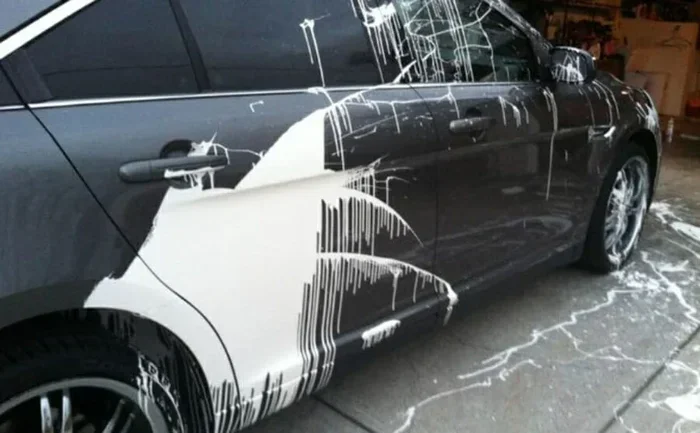
Can You Use Goof Off on Car Paint Without Ruining It
Can you use Goof Off on car paint? The short answer is yes, but with caution. Goof Off is a powerful adhesive remover that can safely remove stubborn sticky residues from your vehicle when used correctly. However, improper application may damage your car’s clear coat and paint finish. This guide covers safe application methods, risks, alternatives, and repair tips to keep your vehicle looking its best.
You just discovered a stubborn sticker residue or tree sap on your car. Your first instinct might be to grab a bottle of Goof Off. It is a popular household cleaner known for cutting through tough messes. But here is the real question. Can you use Goof Off on car paint without ruining it? The answer is not as simple as yes or no. It depends on how you use it, which formula you choose, and how long you leave it on the surface.
Many car owners have faced this exact dilemma. You want a quick fix. You do not want to drive to the store for a specialty product. Goof Off sits in your garage, and it works wonders on glue and tape. So why not just spray it on your car and wipe it clean? That instinct makes sense. But your car’s paint job is a delicate system. The clear coat, base coat, and primer all work together to protect the metal underneath. One wrong move with a harsh chemical can cause permanent damage.
This article will walk you through everything you need to know. We will cover how Goof Off interacts with automotive paint. You will learn safe application methods, risks to watch for, and gentler alternatives. Whether you are dealing with bumper stickers, adhesive residue, or road tar, you will find practical advice here. By the end, you will know exactly how to handle sticky messes without harming your vehicle’s finish.
Key Takeaways
- Goof Off works on car paint: It removes adhesives, sap, and residue effectively when applied carefully.
- Always test first: Spot-test Goof Off on a hidden area before applying it to visible paint surfaces.
- Timing matters: Leaving Goof Off on too long can strip clear coat and cause discoloration.
- Safer alternatives exist: Products like Goo Gone and clay bars offer gentler options for paint care.
- Damage can be repaired: Minor paint issues from Goof Off can often be fixed with polishing and waxing.
- Read the label: Goof Off comes in different formulas, and not all are safe for automotive surfaces.
- Prevention is best: Regular waxing and paint protection film reduce the need for harsh removers.
📑 Table of Contents
- What Is Goof Off and Why Do People Use It on Cars?
- Can You Use Goof Off on Car Paint Without Causing Damage?
- How to Use Goof Off on Car Paint Safely
- When Should You Avoid Using Goof Off on Your Car?
- Best Alternatives to Goof Off for Car Paint Care
- How to Fix Paint Damage Caused by Goof Off
- Protecting Your Car Paint for the Long Term
- Final Thoughts on Using Goof Off on Car Paint
What Is Goof Off and Why Do People Use It on Cars?
Goof Off is a solvent-based adhesive remover. It was originally designed for industrial and household use. The product contains powerful chemicals that break down the molecular bond in glues, tapes, and sticky substances. This makes it incredibly effective at removing things that regular soap and water cannot touch.
Car owners love Goof Off because it works fast. A few sprays on a bumper sticker residue, and the goo dissolves within seconds. It also handles tree sap, bug splatter, and adhesive from decals. For many people, it becomes a go-to solution for car detailing emergencies. But effectiveness does not always mean safety.
What Makes Goof Off So Effective?
The secret behind Goof Off lies in its active ingredients. The primary solvent is acetone or a similar strong chemical compound. These solvents dissolve the polymers found in most adhesives. Think of it like this. Glue is designed to form a tight bond with surfaces. Goof Off breaks that bond apart at the molecular level. This is why it works so well on stubborn residues.
However, this same power is what makes it risky for car paint. Your vehicle’s paint finish contains oils, polymers, and clear coat layers. Strong solvents can attack these materials just as they attack adhesive. The result can be dullness, discoloration, or even peeling if left too long.
Common Uses for Goof Off on Vehicles
People use Goof Off on cars for several common situations:
- Removing bumper stickers: Old stickers leave behind sticky residue that won’t wash off.
- Cleaning adhesive from decals: When you remove a custom decal, the glue often remains.
- Getting rid of tree sap: Sap hardens on paint and is notoriously difficult to remove.
- Erasing paint transfer: Sometimes another car’s paint rubs off on yours in a parking lot.
- Removing tape residue: Masking tape, duct tape, and shipping labels all leave sticky marks.
All of these are valid reasons to reach for Goof Off. But the key is knowing how to use it safely on automotive paint.
Can You Use Goof Off on Car Paint Without Causing Damage?
Can you use Goof Off on car paint? Yes, you can. But the real question is whether you should. The answer depends on several important factors. Let us break down how Goof Off interacts with your car’s paint and what determines whether damage will occur.
Understanding How Goof Off Interacts with Paint
When Goof Off touches a surface, it starts working immediately. The solvent dissolves the top layer of whatever it contacts. On a sticky sticker residue, this is exactly what you want. On your car’s clear coat, it is a different story. The clear coat is a protective layer that gives your paint its shine and depth. Goof Off can soften or dissolve this layer if it sits too long.
The interaction happens fast. Within seconds of contact, the solvent begins to break down surface materials. On a cured, hardened clear coat, this effect is slower. But on older or worn paint, the damage can happen almost immediately. This is why testing in a hidden spot is absolutely essential before you apply Goof Off anywhere visible.
Factors That Determine Paint Safety
Several factors determine whether Goof Off will harm your car paint:
- Age of the paint: Older paint has a weaker clear coat. Newer paint is more resistant.
- Type of clear coat: Some clear coats are more solvent-resistant than others.
- How long Goof Off sits on the paint: Longer contact time means higher risk.
- Which Goof Off formula you use: Goof Off Professional Strength is harsher than the original formula.
- Paint condition: Scratched or oxidized paint is more vulnerable to chemical damage.
- Temperature: Hot surfaces cause solvents to work faster, increasing the risk.
Understanding these factors helps you make an informed decision. If your car has fresh, high-quality paint in good condition, quick, careful use of Goof Off is generally safe. If your paint is old or damaged, you should consider alternatives first.
How to Use Goof Off on Car Paint Safely
If you have decided that Goof Off is the right tool for the job, follow these steps carefully. Proper technique is the difference between a clean car and a ruined paint job.
Step-by-Step Application Guide
Follow this process every time you use Goof Off on your vehicle:
- Choose the right formula. Use the original Goof Off formula, not the Professional Strength version. The original is milder and safer for automotive surfaces.
- Wash the area first. Clean the affected surface with car soap and water. Remove loose dirt and debris. This prevents scratching during the removal process.
- Spot test in a hidden area. Apply a small amount of Goof Off to a concealed spot. Wait two minutes. Wipe it off with a soft microfiber cloth. Check for any discoloration or dullness.
- Apply Goof Off sparingly. Spray a small amount directly onto a microfiber cloth, not onto the paint. This gives you control over how much product touches the surface.
- Dwell for no more than 30 seconds. Let the solvent work for a short time. Do not let it sit for minutes on end.
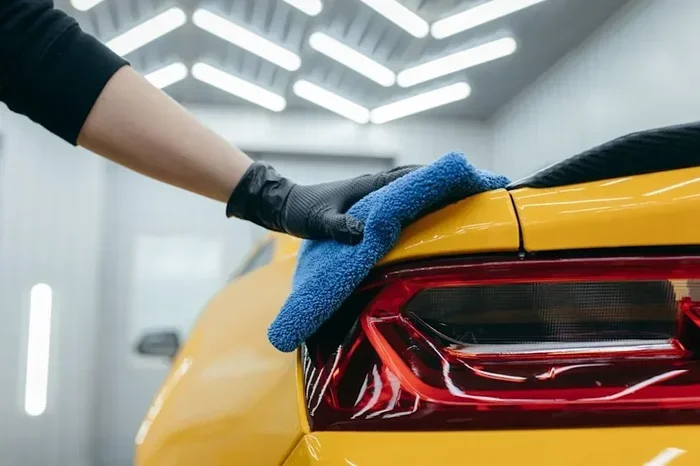
- Wipe gently with a soft cloth. Use circular motions and light pressure. Let the product do the work. You do not need to scrub hard.
- Rinse thoroughly. Wash the area with water and car soap to remove all residue.
- Apply wax or sealant. Replenish the protective layer on your paint after using any solvent-based product.
Quick Tips for Safe Application
- Never pour Goof Off directly onto your car. Always apply it to the cloth first.
- Work in the shade. Direct sunlight heats the paint and accelerates chemical reactions.
- Use microfiber cloths only. Avoid paper towels or rough fabrics that can scratch paint.
- Keep a spray bottle of water nearby. You can quickly rinse any product that drips onto unintended areas.
- Do not use Goof Off on open scratches. Solvents will seep into exposed paint and cause deeper damage.
Following these steps dramatically reduces the risk of paint damage. The goal is to remove the unwanted adhesive while preserving the protective clear coat underneath.
When Should You Avoid Using Goof Off on Your Car?
There are situations where Goof Off is simply too risky for your vehicle. Knowing when to avoid it saves you from expensive paint correction costs. Be honest about your car’s condition and choose the right approach for each situation.
Types of Paint That Are at Risk
Not all car paint is created equal. Some types are more vulnerable to solvent damage than others:
- Matte paint finishes: These have a special coating that solvents can destroy permanently.
- Ceramic-coated vehicles: The ceramic layer can be stripped away by strong chemicals.
- Older cars with single-stage paint: These lack a separate clear coat and are directly exposed to damage.
- Cars with recent paint jobs: New paint needs time to fully cure before any solvent is applied.
- Vehicles with paint protection film: PPF can be discolored or damaged by harsh solvents.
Situations Where Goof Off Is Too Harsh
Avoid Goof Off in these specific scenarios:
- When the residue covers a large area. The more surface you treat, the higher the risk of uneven damage.
- When you are in a hurry. Rushing leads to leaving the product on too long or applying too much pressure.
- When you do not have microfiber cloths. Using the wrong cloth causes scratches that compound the problem.
- When the paint already looks dull or oxidized. Damaged paint cannot withstand solvent exposure well.
- When you have a brand-new car. New paint should be treated with the gentlest methods possible.
In these cases, it is worth using a safer alternative or visiting a professional detailer. Protecting your paint is always better than trying to fix damage after it happens.
Best Alternatives to Goof Off for Car Paint Care
If you are worried about using Goof Off, you have plenty of other options. Many products are specifically designed for automotive use and are much gentler on paint. Let us explore the best alternatives for common car paint messes.
Paint-Safe Adhesive Removers
Goo Gone is a popular alternative. It uses a citrus-based solvent that is much milder than acetone. It works well on sticker residue and adhesive without attacking your clear coat. Another excellent option is 3M Adhesive Remover, which is formulated for automotive applications. It is used by professional detailers and body shops around the world.
WD-40 is also worth mentioning. Many car owners swear by it for removing sap, bug splatter, and light adhesive. It is not as strong as Goof Off, but it is much safer for regular use on paint. Simply spray, wait a minute, and wipe away.
Mechanical Removal Methods
Sometimes the best approach avoids chemicals altogether. A clay bar is a fantastic tool for removing bonded contaminants from paint. It glides across the surface and lifts away sap, industrial fallout, and light adhesive without chemicals. Pair it with a clay lubricant for the best results.
Another option is a paint correction compound. These products gently remove a microscopic layer of paint along with embedded contaminants. They are the go-to solution for professionals dealing with stubborn surface blemishes.
Homemade and Natural Alternatives
You can also try simple household items:
- Rubbing alcohol (isopropyl): Diluted with water, it removes adhesive residue gently.
- Cooking oil or olive oil: Soak the sticky area for a few minutes, then wipe clean.
- White vinegar: A natural acid that breaks down many types of adhesive.
- Baking soda paste: Mix with water to create a gentle abrasive for stubborn spots.
These alternatives take a bit more effort, but they are far safer for your car’s paint. They are especially good for regular maintenance and light messes.
How to Fix Paint Damage Caused by Goof Off
Even with the best precautions, things can go wrong. Maybe you left Goof Off on too long. Perhaps you used the wrong formula. Whatever the cause, paint damage from Goof Off can often be repaired if you act quickly.
Minor Damage Repair
For light dullness or minor discoloration, start with a good wash. Use a quality car shampoo and a microfiber wash mitt. This removes any remaining solvent residue and prepares the surface for treatment.
Next, apply a paint polishing compound. A dual-action polisher works best, but you can also do this by hand. The compound removes a thin layer of damaged paint, revealing fresh, clear paint underneath. Work in small sections and use light pressure.
After polishing, apply a layer of car wax or paint sealant. This restores the protective barrier that the solvent may have stripped away. A good ceramic coating can also provide long-lasting protection and enhance the shine.
When to Seek Professional Help
Some damage goes beyond what DIY methods can fix. If you notice any of these signs, it is time to see a professional:
- Deep discoloration or staining that does not respond to polishing.
- Peeling or flaking paint, which indicates the clear coat has been destroyed.
- Swirling scratches that appear after Goof Off application.
- Rough or textured patches where the solvent ate into the surface.
A professional detailer or paint shop can assess the damage and recommend the right repair. Options range from a full detail and paint correction to spot repainting in severe cases. The cost varies widely, so getting an estimate before committing is always smart.
Protecting Your Car Paint for the Long Term
The best way to deal with adhesive messes is to prevent them in the first place. Regular paint protection reduces the need for harsh removers and keeps your car looking great for years.
Wax your car every three months. Wax creates a sacrificial barrier that absorbs damage before it reaches your paint. It also makes surfaces easier to clean, so sticky residues come off more readily.
Consider paint protection film (PPF). This clear vinyl film covers high-impact areas like the front bumper, hood, and fenders. It shields your paint from sap, bugs, road debris, and adhesive damage. PPF is especially popular among new car owners who want maximum protection.
Use a ceramic coating for long-term defense. Ceramic coatings bond chemically with your paint and create a hydrophobic, durable surface. They make cleanup easier and provide protection that lasts one to five years depending on the product.
Address messes quickly. The longer sap, stickers, or adhesive sit on your paint, the harder they are to remove. Quick action means you need less aggressive cleaning products and reduce the risk of damage.
These habits take minimal effort but pay off enormously. A well-maintained paint job holds its value, looks better, and requires fewer repairs over the life of the vehicle.
Final Thoughts on Using Goof Off on Car Paint
Can you use Goof Off on car paint? Yes, you can, but it requires care and caution. The product is effective and convenient, making it tempting to reach for in a pinch. However, the risks are real. Strong solvents can dull, discolor, or strip your paint if used incorrectly.
The safest approach is to always spot test first, apply sparingly, and never let the product sit for more than a few seconds. When in doubt, choose a paint-safe alternative like Goo Gone or WD-40. These products deliver good results with much less risk to your vehicle’s finish.
Your car is one of your biggest investments. Taking a few extra minutes to protect the paint saves you money and headaches down the road. Whether you use Goof Off or a gentler alternative, the goal is the same. Keep your car clean, keep the paint protected, and enjoy the ride.
Now that you know the risks and the right techniques, you are equipped to handle any sticky situation that comes your way. Use this knowledge wisely, and your car will thank you with a showroom-quality shine for years to come.
Frequently Asked Questions
Will Goof Off damage my car’s clear coat?
Goof Off can damage your clear coat if left on too long or applied directly to the paint. The solvent in Goof Off is strong enough to break down the protective clear layer. Always apply it to a cloth first, keep contact time under 30 seconds, and rinse thoroughly afterward. Testing in a hidden spot first is the best way to avoid clear coat damage.
Is Goof Off safe for new car paint?
It is best to avoid Goof Off on new car paint. Fresh paint has not fully cured yet, making it more vulnerable to chemical damage. Wait at least 30 days after a new paint job before using any solvent-based cleaner. Until then, stick with gentle car wash soap and water or a dedicated paint-safe cleaner.
What is the difference between Goof Off and Goo Gone for car paint?
Goof Off uses acetone-based solvents that are very strong and effective at removing adhesives. Goo Gone uses a citrus-based solvent that is much gentler on automotive paint. For car paint care, Goo Gone is generally the safer choice. It removes most sticky residues without the risk of clear coat damage that Goof Off carries.
Can I use Goof Off to remove tree sap from my car?
Yes, Goof Off can remove tree sap, but you must be very careful. Apply it to a microfiber cloth first, not directly on the paint. Let it sit for no more than 30 seconds, then wipe gently. Follow up with a thorough wash and wax to restore protection. For a safer option, try WD-40 or a dedicated sap remover designed for automotive use.
How do I restore my car paint after Goof Off damage?
Minor damage can often be fixed with a paint polishing compound and a dual-action polisher. The compound removes the damaged layer and reveals fresh paint underneath. For more serious damage like peeling or deep discoloration, consult a professional detailer or paint shop. They can assess the extent of the damage and recommend paint correction or spot repair as needed.
Are there Goof Off products specifically safe for cars?
Goof Off does not make a product specifically formulated for automotive use. The original Goof Off formula is less harsh than the Professional Strength version, making it the safer choice for cars. However, even the original formula contains strong solvents. Always test first, apply sparingly, and consider paint-specific alternatives for regular car maintenance.
=== CONCLUSION ===
Can you use Goof Off on car paint? The answer is yes, with important caveats. Use the original formula, never apply it directly to paint, keep contact time short, and always wash and wax afterward. For everyday messes, gentler alternatives like Goo Gone, WD-40, or a clay bar are often the better choice. Protect your paint with regular waxing, ceramic coatings, or PPF to minimize the need for harsh chemicals in the first place. With the right approach, you can keep your car looking its best without worrying about paint damage.