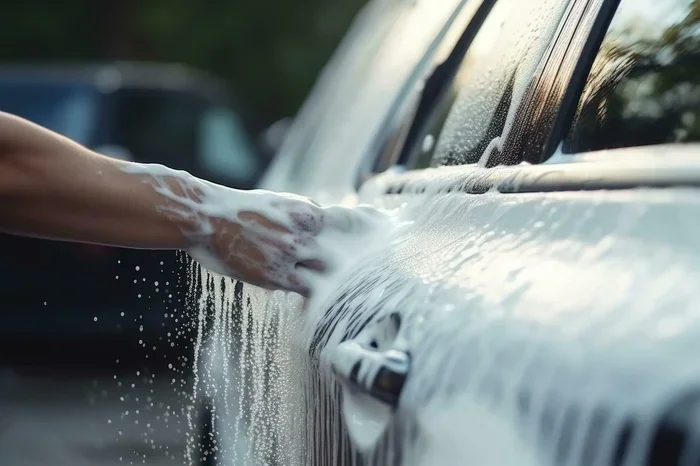
Can You Use Dish Soap to Wash Your Car Without Damage
Many car owners wonder if they can use dish soap to wash their car without causing damage. While dish soap cuts through grease effectively, it is too harsh for your vehicle’s clear coat and protective wax layer. Using the wrong cleaning product can strip sealants, cause swirl marks, and lead to long-term paint damage. This article explains exactly why dish soap is risky, what happens when you use it, and which car-safe alternatives actually work better.
Have you ever run out of car wash soap and thought, “Can I just use dish soap?” It is a tempting idea. Dish soap sits in almost every kitchen sink. It cuts through greasy dinner plates like magic. So why not use it on your car?
The short answer is no. Using dish soap to wash your car can cause real damage over time. It might look clean right after, but the long-term effects are not worth the savings. Your car’s paint job has layers. The outermost layer is a clear coat. It protects the color underneath. Dish soap attacks this protective layer. Over weeks and months, it wears it down.
In this article, we will explain exactly what happens when you wash your car with dish soap. We will also cover better alternatives that keep your vehicle looking great. Whether you are a car enthusiast or just someone who wants a clean ride, this guide has you covered.
Key Takeaways
- Dish soap is too harsh for cars: It strips wax and sealants that protect your vehicle’s paint.
- It damages the clear coat over time: Repeated use leads to dullness, swirl marks, and oxidation.
- Car-specific wash soaps are the better choice: They are pH-balanced and safe for your vehicle’s finish.
- Household alternatives exist but come with risks: Some gentle soaps work in a pinch, but they are not ideal.
- Proper washing technique matters just as much as the product: The two-bucket method and microfiber mitts make a big difference.
- Wax and sealant restoration is possible: If you have used dish soap, you can reapply protection easily.
📑 Table of Contents
- Why Dish Soap Seems Like a Good Idea
- What Happens When You Wash Your Car With Dish Soap
- Car Wash Soap vs Dish Soap: A Side-by-Side Comparison
- Quick Tips for Washing Your Car the Right Way
- Common Mistakes People Make When Washing Their Car
- What to Use Instead of Dish Soap
- What If You Already Washed Your Car With Dish Soap?
- Expert Insights on Car Washing
- Key Takeaways
- Conclusion
Why Dish Soap Seems Like a Good Idea
It is easy to see why people reach for dish soap. It is cheap. It is everywhere. Most households have at least one bottle under the sink. When you need to wash your car in a pinch, it feels like the logical choice.
Dish soap is designed to cut through tough grease and food residue. It works wonders on oily pans and baked-on dishes. The same cleaning power that makes it effective in the kitchen is exactly what makes it dangerous for your car.
The Grease-Fighting Formula
Dish soap contains powerful surfactants. These are chemicals that break down grease and oil. They lift dirt away from surfaces. This is great for dishes. It is terrible for your car’s finish. Your vehicle’s paint has a delicate protective layer. Dish soap strips it away with every wash.
Think of it this way. You would not use a steel wool pad to clean a glass window. The tool is too harsh for the surface. Dish soap is the steel wool for your car’s paint. It works too well. It removes everything, including the good stuff.
What Happens When You Wash Your Car With Dish Soap
Using dish detergent on your vehicle might not cause visible damage after one wash. But the effects build up over time. Each wash removes a tiny layer of protection. Eventually, the damage becomes obvious.
Stripping Wax and Sealant
Most cars have a layer of wax or sealant on top of the clear coat. This layer acts as a shield. It protects against UV rays, bird droppings, tree sap, and environmental contaminants. Dish soap strips this protective layer away completely. After just one wash, your car loses much of its defense.
Without wax, your paint is exposed. It starts to look dull and faded. Over time, the sun’s rays cause more damage. Water spots become harder to remove. The paint loses its depth and shine.
Damaging the Clear Coat
The clear coat is the hardest layer of your car’s paint. But it is not invincible. Harsh chemicals can erode it over time. Dish soap contains ingredients that are too aggressive for this delicate surface.
As the clear coat wears thin, you may start to see swirl marks. These are tiny scratches that catch the light. They make your car look cloudy or hazy. In severe cases, the clear coat can crack or peel. At that point, the damage is permanent and expensive to fix.
Causing Soap Residue and Water Spots
Dish soap tends to leave behind a film. This soap residue is hard to rinse off completely. When the water dries, it leaves behind spots and streaks. These water spots can etch into the paint if left untreated.
Unlike pH balanced soap designed for cars, dish soap does not rinse away cleanly. You end up spending more time drying and re-washing. The results are still not as good as a proper car wash.
Car Wash Soap vs Dish Soap: A Side-by-Side Comparison
Not all soaps are created equal. Let us look at how car wash soap compares to regular dish soap. This table shows the key differences.
| Feature | Car Wash Soap | Dish Soap |
|---|---|---|
| pH Level | pH balanced (neutral) | Alkaline (high pH) |
| Wax Protection | Preserves wax and sealant | Strips wax and sealant |
| Surfactant Strength | Gentle but effective | Aggressive and harsh |
| Rinseability | Rinses clean with no residue | Leaves soap film behind |
| Paint Safety | Safe for clear coat | Damages clear coat over time |
| Lather Quality | Rich, thick foam | Thin, runny lather |
| Cost Per Wash | Slightly higher | Cheaper upfront |
| Long-Term Value | Saves money on paint repair | Costs more in the long run |
The comparison makes it clear. Car wash soap is the better choice in almost every way. Yes, it costs a bit more per bottle. But it protects your paint. That saves you money on waxing, polishing, and paint correction later.
Quick Tips for Washing Your Car the Right Way
Now that you know to skip the dish soap, let us talk about doing it right. Proper car care tips make a huge difference. Here are some practical steps to follow.
Use the Two-Bucket Method
The two-bucket method is the gold standard for washing your car. Fill one bucket with soapy water. Fill the second bucket with clean rinse water. After wiping a section of the car, rinse your mitt in the clean water bucket. This prevents you from dragging dirt back across the paint.
This simple technique dramatically reduces the risk of swirl marks and scratches. It is one of the best car cleaning products habits you can build.
Choose a Quality Microfiber Wash Mitt
The mitt or sponge you use matters a lot. Avoid cheap sponges with rough textures. Instead, use a microfiber towel or a plush microfiber wash mitt. These materials are soft and gentle on paint. They trap dirt in their fibers instead of dragging it across the surface.
Wash your mitts separately after each use. Dirty mitts can scratch your car the next time you wash it.
Wash in the Shade
Never wash your car in direct sunlight. The heat causes the soap and water to dry too quickly. This leaves water spots and soap film on the paint. Find a shaded spot or wash your car in the early morning or late afternoon.
Rinse Thoroughly Before You Start
Always rinse your car with water before applying soap. This removes loose dirt and debris. It prevents those particles from scratching the paint during the wash. Take your time with this step. A good pre-rinse makes the entire process safer.
Common Mistakes People Make When Washing Their Car
Even well-meaning car owners make mistakes. Here are some errors to avoid.
Using Household Cleaners
Dish soap is not the only household product people misuse. Some use laundry detergent, all-purpose cleaners, or even hand soap on their cars. All of these are wrong. They are formulated for different surfaces. None of them are safe for automotive paint.
Washing Too Often or Too Rarely
There is a balance. Washing your car too often can wear down wax. Washing it too rarely allows contaminants to build up. A good rule of thumb is to wash every one to two weeks. Adjust based on your driving conditions and weather.
Letting the Car Air Dry
Never let your car air dry after a wash. The water evaporates and leaves mineral deposits. These create stubborn water spots. Instead, dry your car with a clean, soft microfiber towel. Pat or gently glide the towel across the surface.
Ignoring the Wheels and Tires
Your wheels take a beating from road grime and brake dust. Use a dedicated wheel cleaner for this area. Do not use the same soap and mitt you use on the body. Brake dust is abrasive and can scratch your paint if spread around.
What to Use Instead of Dish Soap
If dish soap is a no-go, what should you use? Plenty of great options exist for washing your car safely.
pH Balanced Car Wash Shampoo
This is the best option by far. Automotive soap is specifically formulated for cars. It cleans effectively without stripping wax or damaging the clear coat. Popular brands like Meguiar’s, Chemical Guys, and Turtle Wax make excellent options.
A quality car wash shampoo costs around $10 to $20 per bottle. A single bottle can last for 20 to 40 washes. That makes it very affordable over time.
Waterless Wash Sprays
For light dirt and dust, waterless wash sprays work well. You spray them onto the surface and wipe with a microfiber towel. They are convenient and fast. Just make sure the product is designed for cars. Some waterless formulas are too harsh for painted surfaces.
Foam Cannon and Foam Sprayer
A foam cannon attaches to your pressure washer or garden hose. It creates thick, clinging foam that lifts dirt gently. This is a great tool for a thorough wash. Use it with a pH balanced car wash soap for the best results.
What If You Already Washed Your Car With Dish Soap?
Do not panic if you have already used dish soap on your car. One or two times will not destroy your paint. But you should take steps to restore protection.
Start by washing your car again with proper car wash soap. This removes any remaining dish soap residue. Then apply a fresh layer of wax or sealant. A good carnauba wax or synthetic sealant will restore the protective barrier.
If you notice swirl marks or dullness, consider using a polish before waxing. A polish removes minor surface imperfections and restores shine. After that, apply a sealant or wax to lock in the protection.
Going forward, stick with proper car cleaning products. Your paint will thank you for it.
Expert Insights on Car Washing
Professional detailers agree on one thing. The soap you use matters more than most people realize. Wash your car with a product designed for the job. Detailers recommend using a pH neutral soap every time. They also emphasize the importance of soft tools and proper technique.
“The biggest mistake I see is people using household cleaners on their cars,” says a professional detailer. “Dish soap is convenient, but it costs you in paint health. A quality car wash soap is a small price to pay for long-lasting protection.”
Another expert adds that washing technique is just as important as the product. “Use the two-bucket method. Dry with a microfiber towel. And never wash in direct sunlight. These habits protect your paint better than any product alone.”
Key Takeaways
- Dish soap is too harsh for cars: It strips wax and sealants that protect your vehicle’s paint.
- It damages the clear coat over time: Repeated use leads to dullness, swirl marks, and oxidation.
- Car-specific wash soaps are the better choice: They are pH-balanced and safe for your vehicle’s finish.
- Household alternatives exist but come with risks: Some gentle soaps work in a pinch, but they are not ideal.
- Proper washing technique matters just as much as the product: The two-bucket method and microfiber mitts make a big difference.
- Wax and sealant restoration is possible: If you have used dish soap, you can reapply protection easily.
Conclusion
Can you use dish soap to wash your car without damage? The honest answer is no. While it might seem like a quick fix, dish soap causes more harm than good. It strips away protective wax, damages the clear coat, and leaves behind residue that leads to water spots.
The good news is that the fix is simple. Switch to a pH balanced car wash soap and use proper washing techniques. Your car will look better, stay protected longer, and hold its value over time.
Take care of your vehicle’s paint. It is the first thing people notice. A little effort goes a long way. Use the right products, follow the right steps, and enjoy a clean, shiny car for years to come.
Frequently Asked Questions
Can I use baby shampoo to wash my car in an emergency?
Baby shampoo is gentler than dish soap, but it is still not ideal. It lacks the protective additives found in car wash soap. Use it only as a very rare emergency option. Rinse thoroughly and reapply wax as soon as possible.
How often should I wash my car to keep the paint in good condition?
Washing every one to two weeks is a good rule of thumb. If you park outdoors or live near the coast, you may need to wash more often. Salt, bird droppings, and tree sap can damage paint quickly if left untreated.
Will using dish soap once really damage my car?
One time is unlikely to cause serious harm. But repeated use definitely will. Each wash strips away more wax and weakens the clear coat. Even one wash can remove protective wax, leaving your car vulnerable until you reapply it.
What is the difference between car wash soap and dish soap?
Car wash soap is pH balanced and formulated to be gentle on automotive paint. It preserves wax and sealant while cleaning effectively. Dish soap is alkaline and aggressive. It cuts through grease on dishes but also strips away the protective layers on your car.
Can I use hand soap or body wash to wash my car?
Hand soap and body wash are milder than dish soap, but they still are not designed for cars. They may leave a residue and do not clean as effectively. Stick with a dedicated car wash product for the best results.
How do I restore my car’s wax after accidentally using dish soap?
Wash your car with proper car wash soap first. Then apply a quality wax or synthetic sealant. If the paint looks dull, use a polish before waxing. This restores shine and rebuilds the protective layer that dish soap stripped away.