The Dangerous Downsides to Ignoring a Damaged Windshield
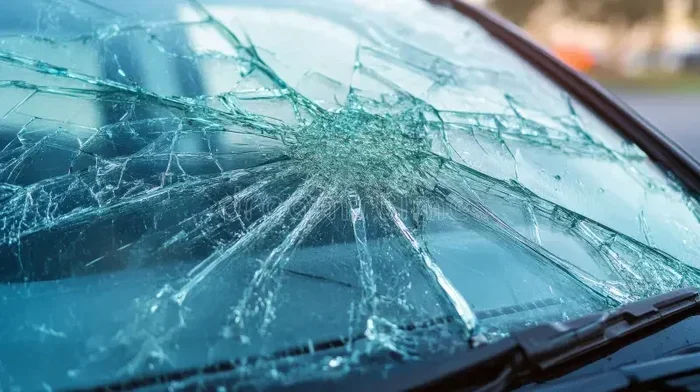
Ignoring a damaged windshield puts your safety and your wallet at serious risk. Even a small crack can spread fast, weaken your car’s structure, and reduce your visibility on the road. This guide covers the real dangers, hidden costs, and legal consequences of driving with a damaged windshield, plus practical tips to protect yourself.
You see it every morning when you get in the car. A small crack or chip right there in the center of your windshield. You tell yourself it is not that bad. You can still see fine. You will get it fixed later. Sound familiar?
Most people do it. They ignore a damaged windshield and hope for the best. But here is the truth. That tiny crack is not just a cosmetic issue. It is a serious safety hazard that gets worse every single day you drive. A damaged windshield affects more than just your view of the road. It weakens the structure of your entire car.
In this article, we will walk you through every reason why you should never ignore a damaged windshield. We will cover the safety risks, the hidden costs, the legal problems, and the simple steps you can take right now to fix the issue. Whether you have a small rock chip or a long crack running across your auto glass, this guide has the answers you need.
So grab a coffee, settle in, and let us talk about why your windshield matters more than you think.
Key Takeaways
- Safety First: A damaged windshield compromises your car’s structural strength and can fail during a crash.
- Cracks Spread Fast: Temperature changes, road vibrations, and bumps cause chips and cracks to grow quickly.
- It Costs More Later: Delaying repair often leads to a full windshield replacement instead of a simple fix.
- Legal Trouble: Many states fine drivers for operating a vehicle with a cracked or chipped windshield.
- Insurance Can Help: Most auto insurance policies cover windshield repair or replacement with minimal or no deductible.
- Know When to Act: Small rock chips can be repaired, but longer cracks usually need a full windshield replacement.
📑 Table of Contents
- Why Your Windshield Is More Important Than You Think
- How a Damaged Windshield Gets Worse Over Time
- Safety Risks You Cannot Afford to Ignore
- The Hidden Costs of Ignoring Windshield Chips and Cracks
- Legal Consequences of Driving with a Damaged Windshield
- Repair vs. Replace: Making the Right Decision
- Common Mistakes People Make With Windshield Damage
- Expert Tips to Protect Your Windshield
- Conclusion
Why Your Windshield Is More Important Than You Think
The Role of Your Windshield in Vehicle Safety
Most drivers think of their windshield as just a piece of glass. Something that keeps bugs and wind out of your face. But your windshield does so much more than that. It is a critical part of your car’s safety system.
Your car’s auto glass provides structural support to the roof. During a rollover accident, the windshield helps keep the roof from collapsing. It also plays a key role in proper airbag deployment. The airbag needs the windshield to bounce off of in order to cushion you correctly. A cracked windshield can change how that whole system works.
Here are some important facts about your car windshield that many drivers do not know:
- Windshield lamination keeps glass from shattering into dangerous shards during a crash.
- A damaged windshield can reduce the strength of your car’s roof by up to 60 percent.
- Visibility while driving depends heavily on a clear, intact windshield free of chips and cracks.
- Your windshield seal helps maintain proper cabin pressure and keeps moisture out of the car.
When you ignore a damaged windshield, you are not just risking a ticket. You are putting yourself and your passengers in real danger every time you turn the key.
How a Damaged Windshield Gets Worse Over Time
The Science Behind Crack Spreading
Here is something that surprises a lot of people. A small rock chip does not stay small. It grows. Wind, road vibrations, temperature shifts, and even the act of driving on bumpy roads all put stress on the damaged area. Over time, that stress causes the crack to spread outward in every direction.
What starts as a tiny chip the size of a dime can turn into a long crack that spans the entire windshield in a matter of days or weeks. The process speeds up dramatically when you expose the car to extreme temperatures. This is why many drivers notice their windshield damage getting worse during summer or winter months.
Think of it like a crack in a sidewalk. One small fissure seems harmless. But freeze-thaw cycles, heavy foot traffic, and water seeping in make it grow until it becomes a major problem. Your auto glass works the same way.
Temperature Changes and Windshield Damage
Temperature changes are one of the biggest enemies of a damaged windshield. When it is hot outside, the metal frame of your car expands. When it is cold, it contracts. Your windshield sits right in the middle of all that movement.
Driving with your car blasting the air conditioner on one side and then parking in direct sunlight on the other creates uneven stress. That stress pushes against existing cracks and chips. The result is almost always the same. The damage spreads.
Here are some common situations that make windshield damage worse:
- Going from a hot garage to cold air conditioning on a summer day.
- Driving through a sudden temperature drop during fall or spring.
- Washing your car with cold water when the glass is hot from the sun.
- Using your defroster on high heat right after a cold drive.
Each of these situations puts extra pressure on your cracked windshield. The more you expose it to these conditions, the faster the damage will spread. And once a crack reaches the edge of the glass, repair becomes much more difficult or even impossible.
Safety Risks You Cannot Afford to Ignore
Reduced Visibility on the Road
Let us start with the most obvious danger. A cracked or chipped windshield blocks your view of the road. Even a small crack can create glare, distort your vision, and make it harder to see other cars, pedestrians, road signs, and traffic signals.
Driving with reduced visibility is one of the leading causes of accidents on the road. You might think the crack is in your peripheral vision and does not matter. But your brain constantly adjusts to compensate for visual obstructions. That extra mental effort makes you a more tired and less focused driver over time.
Here are some real-world scenarios where a damaged windshield creates serious visibility problems:
- Driving at night when headlights and streetlights create glare through the crack.
- Rainy weather when water pools around the damaged area and distorts your view.
- Bright sunlight that hits the crack at an angle and causes blinding glare.
- Highway driving where your reaction time depends on clear sight lines.
Your ability to see clearly is the single most important factor in safe driving. A damaged windshield directly undermines that ability.
Compromised Structural Integrity
Your windshield is not just a window. It is part of the structural framework of your vehicle. In a front-end collision, the windshield helps absorb impact and supports the roof. In a rollover accident, it helps prevent the roof from crushing into the passenger cabin.
When your windshield is cracked or chipped, it cannot do its job properly. The crack acts as a weak point. During a crash, the damage can spread rapidly and the windshield can pop out of its frame much faster than it would with intact glass.
This is especially dangerous for modern cars. Many newer vehicles rely on the windshield for proper airbag deployment. A damaged windshield can cause the airbag to deploy incorrectly or even push the windshield out instead of cushioning the occupant. That completely defeats the purpose of one of your car’s most important safety features.
Some key points about windshield integrity:
- A cracked windshield is up to 30 percent less effective at absorbing impact than an intact one.
- Windshield seal damage can let water seep into the car and affect electronic systems.
- Rock chips and cracks weaken the lamination that holds the glass together during a crash.
The bottom line is simple. A damaged windshield makes your car less safe in the very accidents it is designed to protect you from.
The Hidden Costs of Ignoring Windshield Chips and Cracks
From Small Rock Chip to Full Replacement
One of the biggest mistakes drivers make is assuming a small chip does not need attention. A rock chip is usually cheap and easy to fix. A windshield repair technician can fill the chip with a special resin in less than 30 minutes. The cost is often covered by your auto insurance with little to no out-of-pocket expense.
But ignore that chip? Here is what happens. The crack spreads. Now you need a more involved repair. Then the crack reaches the edge of the glass. Now you cannot repair it at all. You need a full windshield replacement. And that is where the costs go up dramatically.
Let us put this in perspective:
- Windshield repair for a small rock chip typically costs between 50 and 150 dollars.
- A partial windshield replacement can range from 200 to 400 dollars.
- A full windshield replacement can cost anywhere from 300 to over 1,000 dollars depending on your vehicle.
That small chip you ignored could end up costing you six to ten times more than a simple repair would have. And that is not even counting the time you spend without a car while the replacement is being done.
Insurance and Financial Impact
Many people do not realize that most auto insurance policies cover windshield damage. Comprehensive coverage often includes rock chips and cracks with little or no deductible. In fact, some insurance companies offer glass repair as a no-claim benefit.
But if you wait too long and the damage becomes a full replacement, your insurance rates could go up. Your deductible might increase. And you could be stuck paying more out of pocket than you ever needed to.
The smartest thing you can do is act fast. Call your insurance provider as soon as you notice windshield damage. Ask about your coverage for auto glass repair. Get the damage fixed before it turns into a much bigger and more expensive problem.
Legal Consequences of Driving with a Damaged Windshield
Traffic Violations and Fines
Did you know that driving with a damaged windshield is actually illegal in many states? It is true. Most states have laws that require your windshield to be in good condition and free of cracks or chips that obstruct your view of the road.
If a police officer pulls you over and notices your damaged windshield, you could receive a traffic violation. The fine varies by state but can range from 50 dollars to several hundred dollars. In some cases, you might even be told to get the windshield fixed immediately or face further penalties.
Here are some common legal issues related to a damaged windshield:
- Failing a vehicle inspection. Many states require your auto glass to be intact for your car to pass inspection.
- Being cited for obstructed view. Officers can ticket you if a crack or chip blocks your line of sight.
- Increased liability in an accident. If you are in a crash and your windshield damage contributed to the outcome, you could face legal consequences.
- Problems with car registration. Some states will not renew your registration if your vehicle fails safety inspection due to windshield damage.
The legal risks alone are enough reason to take care of windshield damage promptly. Do not let a small chip turn into a big fine or worse.
Repair vs. Replace: Making the Right Decision
When a Simple Fix Is Enough
The good news is that not every damaged windshield needs to be replaced. Many rock chips and small cracks can be repaired quickly and affordably. The key is knowing when a repair will work and when you need a full replacement.
Here are some general guidelines for when a windshield repair is sufficient:
- The chip or crack is smaller than three inches.
- The damage is not in the driver’s direct line of sight.
- The crack has not reached the edge of the windshield.
- There are fewer than three separate chips or cracks.
- The damage does not go through multiple layers of the glass.
If your damage fits these criteria, a simple windshield repair should do the job. It is fast, affordable, and can restore the strength and clarity of your auto glass.
Signs You Need a Full Windshield Replacement
Sometimes repair is not an option. You know it is time for a full windshield replacement when you notice any of the following signs:
- The crack is longer than three inches and cannot be covered by a repair patch.
- The damage is directly in front of your eyes and affects your visibility while driving.
- The crack has spread to the edge of the windshield, compromising the structural seal.
- Multiple cracks or chips are clustered together, making repair impractical.
- The windshield has been damaged before and the previous repair has failed or the crack has returned.
If you are dealing with any of these situations, do not wait. Contact a professional auto glass service right away. They can assess the damage and get you a replacement windshield installed quickly and safely.
Common Mistakes People Make With Windshield Damage
There are a few mistakes that drivers make over and over again when it comes to windshield damage. Avoiding these can save you time, money, and most importantly, your safety.
Mistake number one: Waiting too long. The longer you wait, the worse the damage gets. What could have been a 50-dollar repair becomes a 500-dollar replacement. Act fast.
Mistake number two: Trying DIY fixes. There are a lot of windshield repair kits sold online. Some work okay for very minor chips. But most DIY attempts do more harm than good. They can introduce air bubbles, spread the crack, or create a poor seal that weakens the glass even more.
Mistake number three: Ignoring small chips. People often think a tiny chip is nothing to worry about. But small chips are where cracks start. A rock chip today is a crack tomorrow if you do not address it.
Mistake number four: Driving with tape over the crack. This might seem like a quick fix, but tape does not provide any structural support. It can also leave residue on your auto glass and create new visibility problems.
Avoid these mistakes. Take your car to a qualified windshield repair or replacement specialist as soon as you notice any damage to your windshield.
Expert Tips to Protect Your Windshield
Prevention is always better than repair. Here are some expert tips to help keep your windshield in great shape and avoid future damage:
- Keep a safe distance from trucks. Semi-trucks and large vehicles throw rocks and debris that can chip your windshield at highway speeds.
- Avoid driving on gravel roads when possible. Loose gravel is one of the top causes of rock chips on windshields.
- Park in a garage or shaded area. This protects your auto glass from extreme temperature changes that cause cracks to spread.
- Replace worn windshield wipers regularly. Worn wipers can scratch your windshield and make existing chips and cracks worse.
- Get annual inspections. Have a professional check your auto glass during routine maintenance to catch small chips before they become big problems.
These simple habits can go a long way in protecting your windshield and keeping you safe on the road.
Conclusion
A damaged windshield is not something you should brush off. It is a serious issue that affects your safety, your wallet, and even your legal standing as a driver. From the moment you notice a chip or crack, the clock starts ticking. The damage will get worse, the repair will get more expensive, and the risks will keep growing.
The good news is that you do not have to deal with this alone. Whether you need a simple windshield repair or a full windshield replacement, there are professionals ready to help. Check your auto insurance coverage. Find a trusted auto glass service in your area. And most importantly, do not wait.
Your windshield is one of the most important safety features in your car. Treat it that way. Take care of a damaged windshield right away, and you will drive safer, save money, and have peace of mind every time you hit the road.
Frequently Asked Questions
Can I still drive safely with a small crack in my windshield?
A small crack might seem manageable, but it can spread quickly and reduce your visibility while driving. Even a minor crack weakens the structural integrity of your windshield, which plays a vital role in crash safety. It is always best to get any crack inspected and repaired as soon as possible.
How long does a windshield repair take?
A professional windshield repair typically takes less than 30 minutes. The technician cleans the damaged area, fills the chip or crack with a special resin, and cures it with UV light. Most repairs are quick, affordable, and can be done at your home or office.
Will my auto insurance cover windshield damage?
Most comprehensive auto insurance policies cover windshield repair or replacement with little to no deductible. Many insurance companies even offer glass repair as a no-claim benefit. Contact your provider to confirm your specific coverage for auto glass damage.
What happens if I ignore a rock chip on my windshield?
A rock chip will almost always grow into a larger crack over time. Temperature changes, road vibrations, and moisture all contribute to this process. What starts as a small repairable chip can quickly become a full windshield replacement that costs significantly more.
How do I know if my windshield needs repair or replacement?
If the crack or chip is smaller than three inches and not in your direct line of sight, a repair is usually sufficient. However, if the damage is longer than three inches, has reached the edge of the glass, or blocks your view, a full windshield replacement is the safest option.
Is it illegal to drive with a cracked windshield?
In many states, it is illegal to drive with a damaged windshield that obstructs your view of the road. Laws vary by location, but most states require your auto glass to be in good condition. Violations can result in fines, failed vehicle inspections, and increased liability in the event of an accident.