Can You Drive a Car Without a Muffler and What Happens
Can you drive a car without a muffler? Yes, technically you can, but doing so comes with serious risks. Driving without a muffler exposes you to loud noise, harmful exhaust fumes, and potential engine damage. Many regions also consider it illegal due to noise pollution laws and vehicle emissions regulations. This guide covers everything you need to know about the dangers, legality, and what to do if your muffler is damaged or missing.
Key Takeaways
- It is possible to drive without a muffler: Your car will still run, but with significant risks.
- Legal issues are common: Most areas have noise and emissions laws that prohibit driving without one.
- Health hazards exist: Exhaust fumes contain carbon monoxide, which is extremely dangerous.
- Engine performance can suffer: Removing the muffler disrupts backpressure and may damage your engine over time.
- Replacement is usually the best option: A new or repaired muffler is safer and more cost-effective than a delete.
- Warning signs are easy to spot: Loud noise, rattling, and exhaust leaks signal a failing muffler.
📑 Table of Contents
- Can You Drive a Car Without a Muffler and What Actually Happens
- Can You Drive a Car Without a Muffler?
- What Happens When You Drive Without a Muffler
- Muffler Delete vs. Muffler Replacement
- Warning Signs Your Muffler Needs Attention
- Expert Insights on Exhaust System Health
- Common Mistakes People Make With Their Muffler
- Final Thoughts on Driving Without a Muffler
Can You Drive a Car Without a Muffler and What Actually Happens
The short answer is yes. You can physically turn the key and roll down the street without a muffler attached. But the better question is, should you? The truth is, driving without a muffler opens the door to a long list of problems. From deafening noise to dangerous fumes, the risks are real and they stack up fast.
A muffler is not just a decorative piece on your car. It is a critical part of your exhaust system. It controls noise, directs exhaust gases safely away from the cabin, and helps maintain proper engine performance. When it is gone, your car becomes louder, less efficient, and potentially unsafe. Let us walk through exactly what happens when you drive without one.
Many car owners wonder about a muffler delete for performance or sound reasons. While a modified exhaust can sound great, removing the muffler entirely is a different story. This article breaks down the full picture so you can make an informed decision. We will cover the risks, the laws, and what you should do instead.
What Does a Muffler Actually Do?
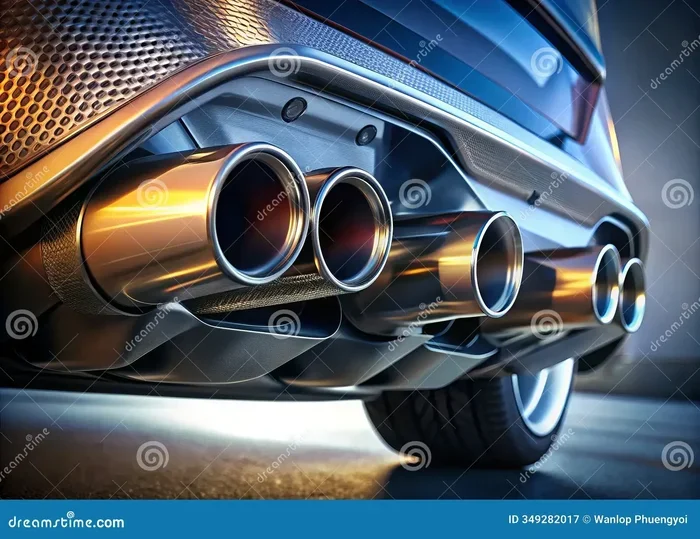
Before we dive into the consequences, it helps to understand the role of the muffler. Think of it as a sound dampener for your engine. When your engine burns fuel, it creates exhaust gases that travel through the exhaust pipe. These gases are hot, pressurized, and extremely loud. The muffler uses chambers and baffles to reduce the sound before the gases exit through the tailpipe.
But the muffler does more than keep things quiet. It also helps manage backpressure. Backpressure is the resistance the engine faces when pushing exhaust gases out. Too little backpressure can hurt engine performance. The muffler, along with the resonator and catalytic converter, keeps this pressure balanced. Together, these parts make sure your engine runs smoothly and efficiently.
Your exhaust system also plays a big role in reducing harmful vehicle emissions. The catalytic converter cleans the exhaust before it leaves the car. The muffler then keeps the noise at a safe, legal level. When you remove the muffler, you break this carefully designed system.
Can You Drive a Car Without a Muffler?
Technically, nothing stops you from driving a car with no muffler. The engine will still fire. The wheels will still turn. Gas will still burn. Your car will move forward just like it always does. But “can you” and “should you” are two very different things.
When the muffler is gone, exhaust gases escape directly and loudly from the pipes. The sound is often unbearable for the driver and everyone nearby. More importantly, the lack of backpressure can throw off your engine’s air-fuel mixture. This means the engine may run rough, waste fuel, or produce more harmful emissions than normal.
Some people remove the muffler for a louder, more aggressive sound. This is common in certain car cultures. But a muffler delete is not the same as a performance exhaust upgrade. A proper exhaust system upgrade replaces the muffler with a tuned component that still controls noise and pressure. A full delete removes that control entirely.
Is It Legally Allowed to Drive Without a Muffler?
In most places, the answer is no. Driving without a muffler is illegal in many states, provinces, and countries. Noise pollution laws set limits on how loud a vehicle can be. A car without a muffler will almost always exceed those limits. Police officers can pull you over and issue a fine.
Beyond noise laws, there are also vehicle emissions regulations to consider. Most regions require cars to pass vehicle inspection tests. A missing muffler often means a failed inspection. You may not be able to register your car or pass a safety check without a functioning exhaust system in place.
Laws vary by location, so it is always smart to check your local rules. Some rural areas may be more lenient. Urban areas with strict noise ordinances will enforce the rules heavily. Either way, getting fined is not worth the risk. A muffler replacement is far cheaper than a traffic ticket.
What Happens When You Drive Without a Muffler
Driving without a muffler affects your car, your health, and your wallet. Let us break down the most common consequences.
Loud Noise and Noise Pollution
The most obvious effect is the noise. Without a muffler, your exhaust sounds like a roaring jet engine. This level of loud exhaust is not just annoying. It can disturb neighbors, scare wildlife, and even cause hearing damage over time. Prolonged exposure to high-decibel noise is a real health concern.
Noise complaints are one of the most common reasons police stop vehicles with modified or removed mufflers. In residential areas, this can lead to fines and even court appearances. Nobody wants that kind of headache.
Exposure to Harmful Exhaust Fumes
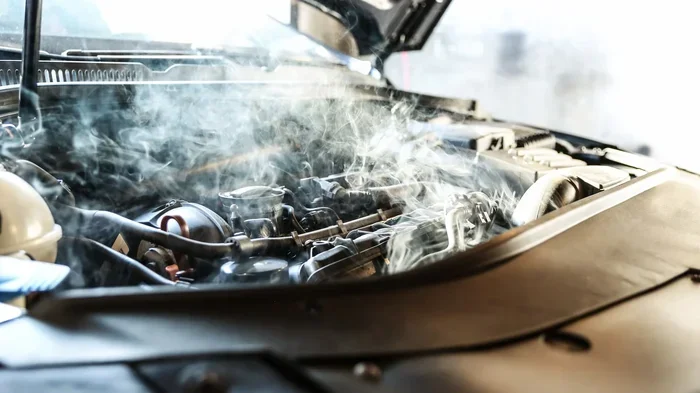
This is perhaps the most dangerous risk. A muffler helps direct exhaust fumes away from the passenger cabin. Without it, those fumes can seep into the car. Exhaust contains carbon monoxide, a colorless, odorless gas that can be fatal in high concentrations.
Even short-term exposure to carbon monoxide causes headaches, dizziness, and nausea. Long-term exposure leads to serious health problems. If you notice any exhaust smell inside your car, get it checked immediately. A damaged or missing muffler can be the cause.
Engine Performance and Backpressure Issues
Your engine is designed to work with a specific level of backpressure. The muffler helps create that pressure. When you remove it, the exhaust gases flow too freely. This disrupts the engine’s ability to expel gases efficiently.
Over time, this can lead to poor fuel economy, rough idling, and reduced power. Some drivers notice a drop in acceleration. Others see their check engine light come on. In rare cases, an extreme lack of backpressure can cause engine overheating. None of these problems are worth the “benefit” of a louder exhaust.
Damage to Other Exhaust Components
Removing the muffler changes the flow of exhaust gases through the entire system. This can put extra stress on the catalytic converter, resonator, and exhaust pipe. These parts are not cheap to replace. A damaged catalytic converter can cost hundreds or even thousands of dollars to fix.
Water and condensation also build up inside the exhaust system. The muffler helps manage this moisture. Without it, rust and corrosion can set in faster. You may find yourself needing a full muffler repair or replacement sooner than expected.
Muffler Delete vs. Muffler Replacement
Many car owners face a choice when their muffler goes bad. Should they do a muffler delete or replace the muffler? Let us compare the two options so you can decide what makes sense.
Pros and Cons of a Muffler Delete
A muffler delete removes the muffler entirely and replaces it with a straight pipe. Some people love the aggressive sound. But the downsides are significant:
- Loud noise: Your car will be much louder, which can lead to fines and complaints.
- Legal issues: In most areas, a muffler delete will fail inspection and is often illegal on public roads.
- Health risks: More exhaust fumes can enter the cabin, exposing you to carbon monoxide.
- Engine problems: Disrupted backpressure can hurt fuel economy and engine health over time.
- Resale value: A car with a muffler delete is harder to sell and may not pass resale inspections.
Pros and Cons of Muffler Replacement
Replacing a worn-out muffler with a new one is the safer and smarter choice:
- Legal compliance: A new muffler keeps your car within noise and emissions limits.
- Better performance: A properly functioning muffler maintains healthy backpressure.
- Safety: You and your passengers are protected from harmful exhaust fumes.
- Cost-effective: A standard muffler replacement costs far less than fixing engine or emissions damage.
- Peace of mind: You can drive confidently knowing your car is road-legal and safe.
If you want a louder sound without the risks, consider a performance exhaust system with a high-quality muffler. These systems are designed to improve sound and flow while still keeping your car compliant and safe.
Warning Signs Your Muffler Needs Attention
Catching a muffler problem early can save you from bigger headaches down the road. Here are the most common signs that your muffler is failing or about to fail:
- Loud rumbling or roaring noise: If your car sounds much louder than usual, the muffler may have a hole or crack.
- Visible rust or holes: Walk under your car and look at the muffler. Rust spots or visible holes mean it is time for a muffler repair.
- Exhaust smell inside the car: This is a serious warning sign. Get your exhaust system checked right away.
- Vibrations or rattling: A loose or damaged muffler can cause unusual vibrations, especially at higher speeds.
- Drop in fuel economy: If your gas mileage drops suddenly, a failing exhaust system could be the cause.
- Check engine light: Some modern cars will trigger the check engine light if exhaust pressure is abnormal.
Do not ignore these signs. A small muffler problem can turn into a big, expensive repair if you wait too long. Regular exhaust system maintenance keeps your car running safely and smoothly.
Quick Tips for Muffler Care
- Get your exhaust system inspected at least once a year.
- Wash the undercarriage of your car regularly to prevent rust.
- Avoid driving over speed bumps or potholes at high speed, which can dent or damage the muffler.
- Address any unusual noises right away. Do not wait for the problem to get worse.
- Use a trusted mechanic for muffler repair or replacement.
Expert Insights on Exhaust System Health
Automotive experts agree that the muffler is one of the most overlooked parts of a car. Many drivers do not think about it until something goes wrong. But the exhaust system plays a vital role in safety, performance, and emissions control.
According to certified mechanics, a damaged muffler is one of the most common reasons cars fail vehicle inspection. The good news is that replacing a muffler is usually straightforward and affordable. Most muffler replacement jobs take less than an hour and cost a fraction of what other exhaust repairs can run.
Experts also warn against DIY muffler deletes. While online tutorials make it look simple, the long-term risks far outweigh any short-term gains. A professional can help you choose a muffler repair or replacement option that keeps your car safe, legal, and running well.
If you are unsure about the condition of your muffler, schedule a quick inspection. A good mechanic will check the entire exhaust system, from the catalytic converter to the tailpipe. They can spot small problems before they become big ones.
Common Mistakes People Make With Their Muffler
Avoid these common mistakes to keep your exhaust system in great shape:
- Ignoring small leaks: A tiny hole in the muffler can grow into a major problem fast.
- Driving on a damaged muffler: This puts stress on the entire exhaust system and can lead to costly repairs.
- Choosing a cheap replacement: Low-quality mufflers wear out quickly and may not meet emissions standards.
- Skipping inspections: Regular checks catch problems early and save money in the long run.
- Confusing a delete with an upgrade: A proper performance exhaust is not the same as removing the muffler entirely.
Final Thoughts on Driving Without a Muffler
So, can you drive a car without a muffler? Yes, you can. But the real question is, do you want to deal with all the risks that come with it? Loud noise, harmful fumes, engine damage, legal trouble, and poor performance are all very real consequences of driving without a muffler.
The muffler is a small part of your car, but it does a big job. It keeps your ride quiet, safe, and legal. If your muffler is damaged or missing, the best move is to get it repaired or replaced as soon as possible. A muffler replacement is affordable, quick, and worth every penny.
Do not let a simple exhaust problem turn into a costly headache. Take care of your exhaust system and it will take care of you. Drive safe, drive quiet, and drive smart.
Frequently Asked Questions
Is it illegal to drive without a muffler?
In most regions, yes. Noise pollution laws and vehicle emissions regulations make it illegal to drive a car without a functioning muffler on public roads. Fines and penalties vary by location, but they can be costly. Always check your local laws before modifying your exhaust system.
Can driving without a muffler damage my engine?
Yes, it can. Removing the muffler disrupts the backpressure your engine needs to run efficiently. Over time, this can cause poor fuel economy, rough idling, reduced power, and even overheating. The lack of proper exhaust flow can also damage the catalytic converter and other expensive components.
How much does a muffler replacement cost?
A standard muffler replacement typically costs between 100 and 300 dollars, including parts and labor. The exact price depends on your vehicle model, the type of muffler, and where you live. It is a relatively affordable repair compared to the cost of fixing engine or emissions damage caused by driving without one.
What are the dangers of exhaust fumes leaking into the car?
Exhaust fumes contain carbon monoxide, which is a colorless, odorless, and potentially deadly gas. Even small amounts can cause headaches, dizziness, nausea, and confusion. Prolonged exposure can lead to serious health problems or death. If you smell exhaust inside your car, get it inspected immediately.
Can I pass a vehicle inspection without a muffler?
In most cases, no. Vehicle inspections check for noise levels and emissions compliance. A missing or damaged muffler will likely cause your car to fail the inspection. Replacing or repairing the muffler before the inspection is the best way to ensure you pass.
What is the difference between a muffler delete and a performance exhaust?
A muffler delete removes the muffler entirely and replaces it with a straight pipe. This makes the car very loud and is often illegal. A performance exhaust is a complete, tuned system that improves sound and exhaust flow while still controlling noise and maintaining backpressure. Performance exhausts are designed to be road-legal and safe.
=== CONCLUSION ===
Can you drive a car without a muffler? Technically, yes. But the risks far outweigh any perceived benefits. From health dangers to legal trouble and engine damage, driving without a muffler is a path best avoided. Your exhaust system works hard to keep you safe, your car running well, and the air clean. Take care of it, and it will take care of you. If your muffler needs attention, do not delay. A simple muffler repair or muffler replacement today can save you a lot of trouble tomorrow. Drive smart, stay safe, and keep your exhaust system in top shape.