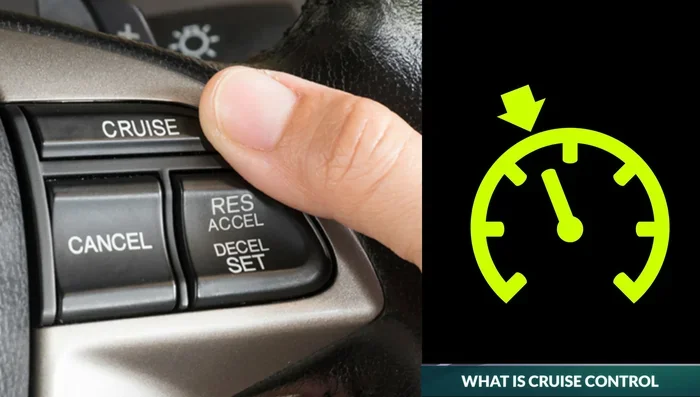
Do You Need to Press the Accelerator With Cruise Control
You do not need to press the accelerator when cruise control is active. The cruise control system manages your vehicle’s speed automatically using the throttle. However, you may need to tap the accelerator in specific situations like resuming a set speed or adjusting for hills.
Have you ever been on a long highway drive and wondered whether you need to keep your foot on the gas pedal when cruise control is on? It is a very common question, especially for newer drivers or anyone getting used to modern car features. The short answer is no. When cruise control is active, your vehicle manages the throttle on its own. But the full story has some important details that every driver should know.
Understanding how cruise control works can make your drives more comfortable and safer. It also helps you avoid confusion on the road. In this article, we will break down everything you need to know about the accelerator and cruise control. We will cover how the system works, when you might need to touch the pedal, and the different types of cruise control available today.
Key Takeaways
- Cruise control handles acceleration for you: Once activated, the system maintains your set speed without pedal input.
- Tapping the accelerator is sometimes needed: You may need to press the gas pedal to resume speed or adjust for road conditions.
- Different systems work differently: Regular cruise control and adaptive cruise control behave in distinct ways.
- Safety overrides are automatic: Pressing the brake or clutch cancels cruise control instantly.
- Fuel savings are real: Using cruise control on highways can improve your fuel efficiency.
- Know when not to use it: Heavy traffic, wet roads, and winding routes are not ideal for cruise control.
📑 Table of Contents
- How Cruise Control Works
- Do You Need to Press the Accelerator With Cruise Control?
- Types of Cruise Control Systems
- When You Should Press the Accelerator
- Common Mistakes People Make With Cruise Control
- Tips for Using Cruise Control Safely and Effectively
- Benefits of Using Cruise Control
- Cruise Control Limitations You Should Know
- FAQ
- Final Thoughts
How Cruise Control Works
Cruise control is a system that maintains your vehicle’s speed without you needing to press the accelerator. It uses a combination of sensors, a speed control module, and the throttle mechanism to keep your car moving at a steady pace. Once you set a speed, the system takes over and adjusts engine power as needed to maintain that speed.
The Throttle Mechanism
The throttle is the part of your car that controls how much air and fuel enter the engine. When you press the accelerator pedal, you open the throttle. Cruise control does this same job electronically or through a cable, depending on your vehicle. It sends signals to the throttle to keep it open at the right level for your chosen speed.
Older vehicles use a cable-driven throttle system. Newer cars use electronic throttle control, which is more precise. Both systems accomplish the same goal. They keep your speed steady so you do not have to keep your foot on the gas.
What Happens When You Hit a Hill
One of the best features of cruise control is how it handles hills. When you approach an incline, the system senses the speed dropping. It then increases engine power to maintain your set speed. On downhill slopes, it may reduce power or use engine braking to keep you from speeding up.
You usually do not need to press the accelerator during these moments. The cruise control system adjusts everything automatically. However, very steep hills may require some manual input in certain vehicles, especially older models.
Do You Need to Press the Accelerator With Cruise Control?
The main answer is no. Once cruise control is set and active, you do not need to press the accelerator pedal. The system holds your speed for you. This is the entire purpose of the feature. Your foot can rest comfortably off the pedals while the car handles the speed management.
But there are exceptions. Sometimes you will need to interact with the accelerator. Let us look at those situations so you know exactly what to expect.
When You Might Need to Tap the Accelerator
There are a few specific moments when touching the accelerator pedal makes sense while cruise control is on:
- Resuming a set speed: After slowing down for a curve or obstacle, you may need to tap the gas to tell the system to return to your original set speed.
- Adjusting speed slightly: If you want to go a few miles per hour faster or slower, a quick tap on the accelerator can adjust the cruise control setting.
- Steep inclines: On very steep hills, some older systems struggle to maintain speed. A light tap on the gas can help.
- Merging onto highways: You may want to accelerate quickly to match traffic flow before re-engaging cruise control.
These are all normal and expected uses. Tapping the accelerator lightly in these situations does not cancel cruise control in most vehicles. It simply tells the system to adjust the set speed.
What Tapping the Accelerator Does
When you lightly tap the accelerator while cruise control is active, the system usually reads this as a speed adjustment. It will set a new target speed based on your current velocity. This is a convenient feature because it lets you fine-tune your speed without digging through buttons on the steering wheel.
However, if you press the accelerator fully, most systems will cancel cruise control. This is a safety feature. It ensures that you take manual control when you need to accelerate quickly, such as when merging into fast-moving traffic.
Types of Cruise Control Systems
Not all cruise control systems are the same. Car manufacturers have developed several different versions over the years. Each type handles the accelerator and speed management in its own way. Understanding these differences can help you use cruise control more effectively.
Traditional Cruise Control
Traditional cruise control is the original version. It was introduced in the 1950s and has been a staple feature in American cars for decades. This system lets you set a fixed speed and maintains it using the throttle. It works great on flat highways and steady roads.
With traditional cruise control, you do not need to press the accelerator. The system handles everything. You can adjust the set speed using buttons on the steering wheel or a control stalk on the steering column. Common buttons include set, resume, accelerate, decelerate, and cancel.
Adaptive Cruise Control
Adaptive cruise control, often called ACC, is a more advanced system. It uses radar sensors, cameras, or both to detect vehicles ahead of you. The system automatically adjusts your speed to maintain a safe following distance. If the car in front slows down, your car slows down too. When the road clears, it accelerates back to your set speed.
With adaptive cruise control, you still do not need to press the accelerator in most situations. The system manages the throttle and braking for you. However, you should be ready to take over if traffic conditions change quickly or if the system reaches its limits.
Traffic-Aware Cruise Control
Some modern vehicles come with traffic-aware cruise control. This is an even more advanced version of adaptive cruise control. It can bring your vehicle to a complete stop in heavy traffic and then resume moving when the car ahead starts again. This feature is incredibly useful in stop-and-go traffic.
In these systems, you typically do not need to press the accelerator at all during low-speed traffic flow. The system handles acceleration and braking automatically. But you should always keep your hands on the wheel and stay alert.
Speed Limit Assist and Cruise Control
Many newer vehicles combine cruise control with speed limit assist. This feature reads speed limit signs and adjusts your cruise control speed accordingly. It adds another layer of convenience and safety to your highway driving experience.
You still do not need to press the accelerator with this system active. It manages your speed based on road conditions and legal limits. Some systems allow you to set a speed offset above the limit, giving you a little flexibility.
When You Should Press the Accelerator
While cruise control does most of the work, there are clear situations where pressing the accelerator is the right move. Knowing when to do this can make your driving smoother and safer.
After Braking or Slowing Down
If you hit the brakes for any reason, cruise control will typically cancel. You will need to reactivate it and set a new speed. In many vehicles, you can tap the accelerator lightly and press the resume button to return to your previous set speed. The system will then accelerate back to that speed on its own.
Some drivers worry that tapping the accelerator after braking will cause the car to lurch forward. In practice, the system manages this transition smoothly. You will feel a gentle increase in speed as the cruise control returns to the set limit.
During Overtaking
When you need to pass another vehicle on the highway, you will want to temporarily increase your speed. Pressing the accelerator during this maneuver is normal and expected. Once you have completed the pass and returned to your lane, you can release the pedal. In many systems, the cruise control will return to the set speed automatically.
Some drivers prefer to manually cancel cruise control before overtaking and then reactivate it afterward. Both approaches work. Choose whichever feels more comfortable and safe for the situation.
On Very Steep Grades
Most modern cruise control systems handle moderate hills very well. But on extremely steep grades, especially steep uphills, you might notice your speed dropping below the set limit. In these cases, a light tap on the accelerator can help the system recover. The system will then return to the set speed once the grade evens out.
Common Mistakes People Make With Cruise Control
Using cruise control incorrectly can reduce its benefits or even create safety risks. Here are some common mistakes drivers make and how to avoid them.
Leaving Cruise Control on in Traffic
This is one of the most dangerous mistakes. Cruise control is designed for steady, flowing traffic on highways. It is not meant for stop-and-go conditions. Leaving it on in heavy traffic can lead to rear-end collisions if the car ahead slows down suddenly.
Always cancel cruise control when traffic slows or when roads become congested. Even with adaptive cruise control, you should stay alert and be ready to brake manually at all times.
Overreliance on the System
Cruise control is a helpful tool, not a replacement for active driving. Some drivers get too comfortable and take their hands off the wheel or their eyes off the road. This is dangerous and should be avoided at all times.
Keep both hands on the steering wheel when cruise control is active. Stay aware of road conditions, traffic patterns, and any changes in the speed limit. The system assists you, but you are still the driver.
Using Cruise Control on Wet or Icy Roads
This is a critical safety point. Using cruise control on slippery surfaces can be very dangerous. If your wheels lose traction, the system may try to maintain speed by increasing throttle. This can cause a skid or loss of control.
Always disable cruise control when roads are wet, icy, or snowy. Manual control gives you the ability to adjust your speed carefully and respond to changing road conditions quickly.
Forgetting to Cancel Before Parking
Some drivers forget to turn off cruise control when they reach their destination. This can cause confusion when you shift into park or try to slow down for a parking spot. Make it a habit to cancel cruise control well before you reach your exit or parking area.
Tips for Using Cruise Control Safely and Effectively
Getting the most out of your cruise control system is easy when you follow a few simple tips. These practices will help you drive more comfortably and stay safe on the road.
Set Your Speed Appropriately
Always set your cruise control speed at or slightly below the posted speed limit. This keeps you legal and gives you a buffer for any speed fluctuations. Most drivers find that setting the speed 2 to 5 miles per hour below the limit works well on highways.
Use the Resume Function Wisely
The resume function is one of the most useful features of cruise control. After you cancel the system temporarily, pressing resume will return your vehicle to the previously set speed. This saves you from having to reset the speed every time you slow down for a curve or slower vehicle.
Keep Your Vehicle Well-Maintained
Cruise control relies on your vehicle’s engine, throttle, and sensors working properly. Regular maintenance ensures that the system operates smoothly. Keep your throttle body clean, check your sensors, and make sure your tires are properly inflated for the best cruise control performance.
Know Your Vehicle’s Specific System
Every car brand and model has slightly different cruise control features. Take the time to read your owner’s manual and understand how your specific system works. Know which buttons do what and what each indicator light on your dashboard means.
Practice in Safe Conditions
If you are new to cruise control, practice using it on familiar, open highways during light traffic. This lets you get comfortable with the system without the stress of heavy traffic or unfamiliar roads. Once you feel confident, you can use it in a wider range of driving conditions.
Benefits of Using Cruise Control
Beyond the obvious convenience, cruise control offers several real benefits for drivers. Understanding these advantages can help you use the feature more often and with more confidence.
Improved Fuel Efficiency
One of the biggest benefits of cruise control is better fuel economy. Maintaining a steady speed is more efficient than constantly accelerating and decelerating. Studies have shown that using cruise control on highways can improve fuel efficiency by 7 to 14 percent. Over long road trips, these savings add up quickly.
Reduced Driver Fatigue
Long drives can be tiring, especially on straight, featureless highways. Cruise control takes the burden of maintaining a constant speed off your right foot. This can reduce leg fatigue and help you stay more alert over longer distances. Less fatigue means safer driving overall.
Consistent Speed and Fewer Tickets
It is easy to unintentionally speed up on long highway drives. Cruise control keeps your speed consistent, which helps you avoid accidental speeding. This can save you from costly tickets and keep you safer on the road.
Better Speed Management on Long Trips
When you are on a road trip covering hundreds of miles, cruise control helps you maintain a steady pace. This makes your trip more predictable and comfortable. You spend less time worrying about your speed and more time enjoying the journey.
Cruise Control Limitations You Should Know
Even though cruise control is a great feature, it has limitations. Understanding these will help you use it more safely and make better decisions on the road.
Cruise control does not work well in city traffic, on winding roads, or in bad weather. It is designed for steady, predictable driving conditions. The system also does not read road signs or anticipate hazards. It simply maintains the speed you set. Always stay alert and be ready to take manual control at any moment.
Some older vehicles do not have a resume function. This means that after you cancel cruise control, you must set the speed again from scratch. If your car has this limitation, plan accordingly and use the accelerator to get back up to speed when needed.
The system also has speed minimums. Most cruise control systems will not activate below 25 to 30 miles per hour. This is because they are designed for highway use and higher-speed roads. For lower-speed situations, you will need to control your vehicle manually.
FAQ
Can pressing the accelerator cancel cruise control?
A light tap on the accelerator usually does not cancel cruise control. It simply adjusts the set speed. However, pressing the accelerator pedal all the way down will typically cancel the system. This is a safety feature designed to give you full control during sudden acceleration needs.
Does cruise control save gas?
Yes, cruise control can save fuel by maintaining a steady speed. It prevents unnecessary acceleration and deceleration, which are the biggest fuel wasters during highway driving. The savings are most noticeable on long, flat highway stretches where speed can vary a lot without cruise control.
Can you use cruise control in the rain?
It is best to avoid using cruise control on wet roads. If your tires lose traction, the system may continue to apply power, which can cause a skid. Always turn off cruise control when road conditions are slippery. Manual control lets you adjust your speed more carefully and respond to changing conditions quickly.
What is the difference between cruise control and adaptive cruise control?
Traditional cruise control maintains a fixed speed you set. It does not adjust for traffic ahead. Adaptive cruise control uses sensors to detect vehicles in front of you and automatically adjusts your speed to maintain a safe following distance. Adaptive systems are more advanced and work well in varying traffic conditions.
Does cruise control work below 30 mph?
Most cruise control systems require a minimum speed of around 25 to 30 miles per hour to activate. This is because they are designed for highway driving. If you are driving below this threshold, you will need to control your speed manually using the accelerator pedal.
Can cruise control cause you to speed up on a hill?
On downhill slopes, cruise control may allow your vehicle to pick up speed. The system focuses on maintaining your set speed, and gravity can cause you to exceed it on steep declines. Always monitor your speed on hills and be ready to use the brakes manually if needed. Some vehicles use engine braking to help manage this.
Final Thoughts
The answer to whether you need to press the accelerator with cruise control is simple. In most situations, you do not. The system handles the throttle for you, keeping your speed steady and consistent. This is what makes cruise control such a valuable feature for highway driving and long road trips.
That said, there are moments when a light tap on the accelerator is helpful or even necessary. Resuming a set speed after braking, adjusting for steep hills, and preparing to overtake are all normal reasons to interact with the pedal. Understanding these situations will help you use cruise control with confidence and ease.
Remember that cruise control is a tool to assist you, not replace you as the driver. Always stay alert, keep your hands on the wheel, and be ready to take manual control whenever needed. Use the system wisely, and it will make your driving experience more comfortable, more fuel-efficient, and safer. Drive smart, enjoy the ride, and let cruise control do the heavy lifting on those long, open highways.