Auto Tint: Everything You Need to Know Before Buying
Auto tint is one of the smartest upgrades you can make for your car. It blocks harmful UV rays, reduces heat, and adds privacy while driving. This guide covers every type of tint, legal limits, and how to choose the best option for your vehicle. Read on to make a confident, informed purchase.
Key Takeaways
- Auto tint reduces cabin heat by up to 70%, making your car cooler and more comfortable in summer.
- It blocks up to 99% of harmful UV rays, protecting your skin and your car’s interior from fading.
- Several tint types exist, including dyed, carbon, ceramic, and metalized films — each with unique benefits.
- Legal tint limits vary by state, so always check local regulations before purchasing.
- Professional installation beats DIY for most people, but high-quality DIY kits work well for beginners.
- A good auto tint comes with a warranty, which protects you against bubbling, peeling, or fading.
📑 Table of Contents
- What Is Auto Tint and Why Does It Matter?
- Types of Auto Tint Films Available
- How to Choose the Right Tint Percentage
- Benefits of Auto Tint You Should Know About
- Legal Tint Limits: What You Need to Know
- Comparison: Auto Tint Types at a Glance
- Auto Tint Installation: DIY vs. Professional
- How Long Does Auto Tint Last?
- Frequently Asked Questions
- Final Thoughts on Auto Tint
What Is Auto Tint and Why Does It Matter?
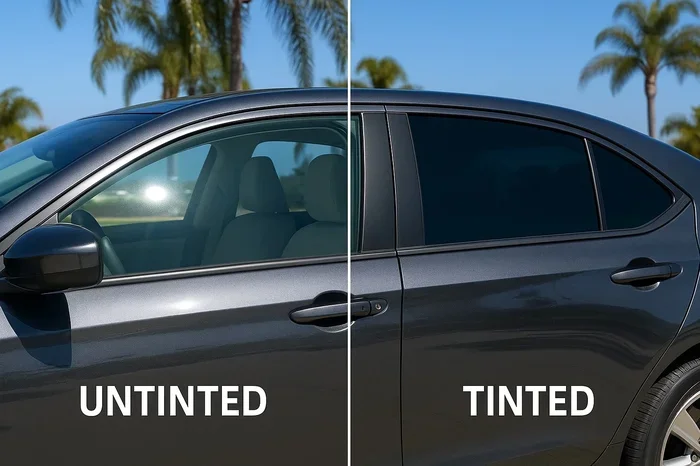
Auto tint is a thin film applied to your car windows. It darkens the glass and blocks sunlight from entering your vehicle. You may also hear people call it car window tint or window film. Either way, the purpose is the same. It improves comfort, safety, and appearance.
You might wonder why anyone needs tint. Think about parking your car under the sun on a hot day. The interior gets scorching. The steering wheel burns your hands. The dashboard cracks over time. Auto tint solves all of these problems and more.
Beyond comfort, tint offers real health benefits. It blocks ultraviolet (UV) rays that cause skin damage. It also reduces sun glare, which helps you drive safer. These are not small perks. They add up over months and years of driving.
People tint their cars for many reasons. Some want privacy. Some want a sleek look. Others focus on protection. Whatever your reason, understanding auto tint is the first step. This guide gives you everything you need to know before spending a single dollar.
Types of Auto Tint Films Available
Not all tint films are the same. Each type has different materials, performance levels, and price points. Knowing the differences helps you pick the right one. Let us break down the most common options.
Dyed Auto Tint
Dyed tint is the most basic and affordable option. It uses layers of dye to darken the glass. This type offers decent privacy and glare reduction. However, it does not block heat very well. Over time, dyed tint may fade or turn purple. It is a good starting point for budget-conscious buyers.
Metalized Auto Tint
Metalized tint contains tiny metallic particles. These particles reflect heat away from your car. They also make the film very durable. The downside? Metalized tint can interfere with cell phone signals and GPS. If you rely heavily on your phone in the car, this might bother you. But for heat rejection, it works well.
Carbon Auto Tint
Carbon tint is a popular middle-ground choice. It does not contain metal, so it does not block signals. It offers excellent heat rejection and a matte finish. Many car owners love the modern look carbon tint gives their vehicle. It also resists fading better than dyed options. This makes it a solid long-term investment.
Ceramic Auto Tint
Ceramic tint is the premium option on the market. It uses nano-ceramic particles to block heat without darkening the glass too much. Ceramic auto tint offers the highest level of UV protection and heat rejection. It does not interfere with electronics. It also looks great and lasts for years. The catch? It costs more than other types. But for many drivers, the performance is worth every penny.
How to Choose the Right Tint Percentage
Tint percentage refers to visible light transmission (VLT). This number tells you how much light passes through the film. A lower percentage means a darker tint. A higher percentage means a lighter tint. Understanding this helps you pick the right shade for each window.
Here is a quick breakdown of common tint percentages:
- 5% tint (Limousine tint): Very dark. Almost no light passes through. Used mainly for rear privacy.
- 20% tint: Dark and stylish. Good for rear windows and side windows.
- 35% tint: Moderate darkness. A popular choice for front side windows.
- 50% tint: Light tint. Blocks a good amount of heat and UV while staying fairly visible.
- 70% tint (clear tint): Nearly invisible. Used mainly for front windshield protection.
Your choice depends on your goals. Want maximum privacy? Go darker. Want to keep visibility high? Choose a lighter percentage. Many people mix percentages across different windows. For example, they might use 35% on the front doors and 20% on the rear.
Benefits of Auto Tint You Should Know About
Auto tint does much more than make your car look cool. It delivers real, practical benefits every single day. Here are the top reasons to consider tinting your windows.
Heat Rejection and Comfort
One of the biggest benefits of auto tint is heat rejection. Quality tint can block up to 70% of solar heat. This means your car stays cooler even on the hottest days. You spend less time blasting the air conditioner too. That can even improve your fuel economy over time.
UV Protection for Your Health
The sun emits harmful UV rays every single day. These rays cause skin damage and increase the risk of skin cancer. Auto tint blocks up to 99% of UV rays. This protects you and your passengers during every drive. It also prevents your skin from aging prematurely. If you spend a lot of time in your car, this benefit alone is worth it.
Interior Protection and Longevity
Sun damage wrecks your car’s interior over time. The dashboard fades and cracks. The seats bleed color. The steering wheel becomes stiff and worn. Tint slows down this damage significantly. Your car’s interior looks newer for longer when you protect it with quality film.
Glare Reduction for Safer Driving
Sun glare is a real danger on the road. It blinds you during sunrise and sunset. It bounces off other cars and the road surface. Auto tint reduces glare dramatically, making your driving experience safer and more comfortable. You will notice the difference immediately, especially on long drives.
Privacy and Security
Tinted windows make it harder for people to see inside your car. This adds a layer of privacy when you are parked. It also makes it harder for thieves to spot valuables. Many drivers feel much safer knowing their belongings are less visible.
Legal Tint Limits: What You Need to Know
Every state has its own rules about how dark your tint can be. These laws exist for safety reasons. Officers need to see into your car during traffic stops. Medical exemptions are available in some states for people with specific health conditions.
Here are some general guidelines to keep in mind:
- Front side windows: Most states require 70% or higher VLT for the driver and front passenger windows.
- Rear side windows: Rules vary widely. Some states allow very dark tint on rear windows.
- Rear windshield: Many states allow darker tint on the rear windshield if dual side mirrors are present.
- Front windshield: Usually only the top few inches can be tinted, and even then, rules are strict.
Always check your local laws before purchasing. Tinting your windows too dark can result in fines. You may also be required to remove the tint. A quick online search or a visit to your local DMV website will give you the exact limits for your area.
Common Mistakes to Avoid When Buying Auto Tint
Many people make avoidable mistakes when buying auto tint. Learning from others saves you time, money, and frustration.
Mistake 1: Choosing price over quality. The cheapest tint often fades, bubbles, and peels within a year or two. Investing in a better film pays off in the long run.
Mistake 2: Ignoring the warranty. Quality tint brands offer lifetime or multi-year warranties. Always ask about the warranty before you buy. A good warranty covers bubbling, peeling, and discoloration.
Mistake 3: Picking the wrong percentage. Some buyers choose the darkest tint they can find without checking legal limits. This leads to tickets and removal costs. Know your local laws first.
Mistake 4: Skipping professional installation. DIY tint kits seem tempting, but they often result in bubbles, creases, and uneven application. Professional installation ensures a clean, bubble-free finish that lasts.
Quick Tips for the Best Auto Tint Experience
Follow these simple tips to get the most out of your auto tint:
- Pick a reputable brand. Brands like 3M, Llumar, and SunTek have strong track records and solid warranties.
- Ask about heat rejection rates. Higher rejection rates mean a cooler, more comfortable cabin.
- Consider ceramic or carbon tint for best performance. These options offer the best balance of heat blocking and clarity.
- Wait at least 48 hours before rolling down your windows. This allows the film to cure properly.
- Clean your tinted windows with a soft cloth. Harsh chemicals can damage the film over time.
- Keep your tint receipt and warranty documents safe. You will need these if you ever file a claim.
Expert Insights: What Professionals Recommend
We spoke with several experienced tint installers about what buyers should look for. Their advice was consistent across the board. First, they stressed the importance of choosing the right film type for your climate. If you live in a hot, sunny area, ceramic or carbon tint is the way to go. If you live in a cooler region, dyed or carbon tint may work just fine.
Second, they recommended always going with a professional installation team. Even the best film will underperform if it is not applied correctly. A skilled installer ensures the film adheres perfectly without bubbles or gaps.
Third, they advised buyers to think long-term. A quality auto tint investment pays for itself through energy savings, interior protection, and comfort. Do not cut corners. The best tint you can afford is usually the smartest choice.
Comparison: Auto Tint Types at a Glance
| Tint Type | Heat Rejection | UV Protection | Signal Interference | Durability | Price Range |
|---|---|---|---|---|---|
| Dyed | Low | Moderate | None | Low (fades over time) | $ |
| Metalized | High | Good | Yes | High | $$ |
| Carbon | High | Very Good | No | High | $$$ |
| Ceramic | Very High | Excellent | No | Very High | $$$$ |
As the table shows, ceramic tint leads in almost every category. However, it also comes with the highest price tag. Carbon tint offers a great balance of performance and cost for most drivers. Dyed tint is fine for those on a tight budget who want basic protection.
Auto Tint Installation: DIY vs. Professional
You have two main options for getting your car tinted. You can do it yourself with a DIY kit, or you can hire a professional installer. Both approaches have pros and cons.
DIY tint kits cost less upfront. They work well for people with patience and a steady hand. The process involves cleaning the windows, cutting the film to size, and applying it with a squeegee. It takes time and practice. Mistakes are common, especially for first-timers.
Professional installation costs more but delivers superior results. Trained technicians use high-end tools and techniques. They ensure a perfect fit, smooth application, and bubble-free finish. Most professional shops also offer warranties on their work. For most car owners, professional installation is the better choice.
If you do choose the DIY route, buy a high-quality kit from a trusted brand. Watch several tutorial videos beforehand. Take your time, and do not rush the process. A botched DIY job can cost more to fix than a professional installation would have.
How Long Does Auto Tint Last?
The lifespan of your tint depends on the type of film and how well you maintain it. Dyed tint typically lasts 2 to 5 years. Metalized and carbon tint can last 5 to 10 years. Ceramic auto tint often lasts 10 years or more with proper care.
To extend the life of your tint, follow a few simple care steps. Avoid rolling down your windows for at least 48 hours after installation. Use a non-ammonia cleaner when washing your windows. Park in shaded areas when possible to reduce sun exposure. With proper care, your tint will look great for many years.
Also, keep an eye out for signs of wear. Bubbling, peeling, or discoloration are all indicators that your tint may need replacement. A good warranty covers these issues, so always keep your documentation handy.
Frequently Asked Questions
How much does auto tint cost on average?
The cost of auto tint varies based on the type of film and the number of windows. A basic dyed tint job for a standard sedan might cost between $100 and $200. Premium ceramic tint for a full vehicle can range from $400 to $800 or more. Professional installation is usually included in the price. Always get quotes from multiple shops before deciding.
Can I tint my car windows too dark?
Yes, you can. Every state has legal limits on how dark your tint can be. Going too dark can result in fines and mandatory removal. Check your local laws before choosing a tint percentage. Some states also require a sticker or certification to prove your tint is legal.
Does auto tint block heat from the windshield?
Most auto tint films are not applied to the front windshield due to legal restrictions. However, some states allow a strip of tint at the top of the windshield. For full windshield protection, clear UV-protective films are available. These films block UV rays and reduce heat without darkening the glass.
How long should I wait before rolling down my windows after tinting?
You should wait at least 48 hours after installation. This gives the film time to cure and bond properly with the glass. Rolling down your windows too early can cause the film to shift, bubble, or peel. Your installer will give you specific aftercare instructions.
Is ceramic auto tint worth the extra cost?
For most drivers, yes. Ceramic tint offers the best heat rejection, UV protection, and clarity of any tint type. It does not interfere with electronics, and it lasts longer than other options. If you spend a lot of time in your car or live in a hot climate, the investment pays off quickly.
Can I remove auto tint and reapply a new one?
Yes, old tint can be removed and replaced. The process involves heating the film to soften the adhesive and then peeling it off. A professional can do this safely without damaging your windows. If you are switching to a better tint type, removal and reapplication is a straightforward process.
Final Thoughts on Auto Tint
Auto tint is a smart, worthwhile investment for any car owner. It protects your health, preserves your interior, and makes every drive more comfortable. Whether you choose dyed, carbon, or ceramic film, the key is to pick a quality product and install it correctly.
Take the time to understand your options. Check your local laws. Choose a reputable brand. And invest in professional installation if you can. These steps ensure you get the best results and the longest-lasting performance from your tint.
Your car spends hours in the sun every single day. It deserves protection. With the right auto tint, you get comfort, safety, style, and savings all in one upgrade. Make the smart choice today, and enjoy the difference on every drive.