Can You Turn Off Daytime Running Lights On Any Vehicle
Yes, you can turn off daytime running lights on most vehicles, but the method depends on your car’s make, model, and lighting system. Some vehicles let you disable DRLs through a simple dashboard setting, while others require a relay bypass or wiring modification. Understanding how to turn off daytime running lights helps you avoid battery drain, customize your lighting, and comply with local regulations.
Have you ever wondered whether you can turn off daytime running lights on any vehicle? Maybe the DRLs bother you during night driving. Or perhaps you want to save a bit of fuel and reduce battery wear. Whatever your reason, the answer is not as simple as a yes or no.
The truth is that turning off daytime running lights depends on several factors. These include your vehicle’s make and model, the lighting system it uses, and the laws in your region. Some cars let you flip a switch or change a setting. Others need a bit more effort, like installing a relay module or modifying the wiring harness.
In this guide, we will walk you through everything you need to know. We will cover the different methods, legal rules, safety concerns, and practical tips. By the end, you will know exactly how to handle your vehicle’s DRL system with confidence.
Key Takeaways
- Disabling DRLs is possible: Most vehicles allow you to turn off daytime running lights through settings or hardware changes.
- Methods vary by vehicle: Some cars have a built-in option, while others need a relay module or wiring adjustment.
- Legal considerations matter: Certain countries and regions require DRLs, so turning them off may violate local laws.
- Battery and bulb life are affected: Disabling DRLs can reduce energy consumption and extend bulb lifespan.
- Safety trade-offs exist: DRLs improve visibility, so turning them off may reduce your road safety in low-light conditions.
- Aftermarket solutions work: DRL relay kits and smart switches offer easy ways to control your lighting system.
- Check your owner’s manual: The vehicle manual is the best first resource for learning how to manage your DRL settings.
📑 Table of Contents
- What Are Daytime Running Lights and Why Do They Exist?
- Can You Turn Off Daytime Running Lights On Any Vehicle?
- Methods to Turn Off Daytime Running Lights
- Legal Rules Around Daytime Running Lights
- What Happens When You Turn Off DRLs?
- Common Mistakes When Disabling DRLs
- Expert Tips for Managing Your DRL System
- Conclusion
What Are Daytime Running Lights and Why Do They Exist?
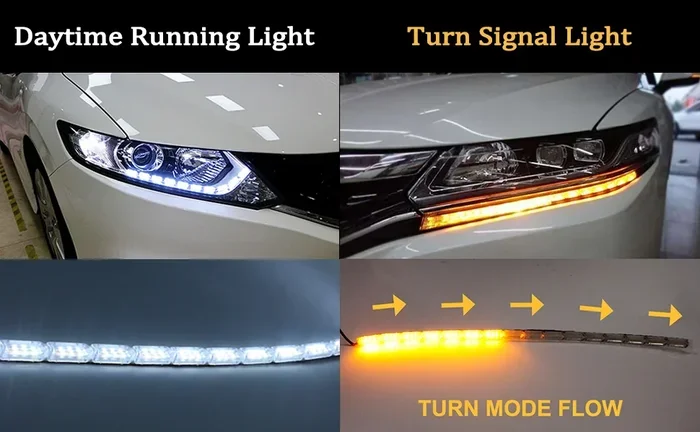
Before we dive into how to turn off daytime running lights, let us understand what they are and why they are on your vehicle. Daytime running lights, commonly called DRLs, are lighting components that automatically turn on when your engine starts. They are not the same as your headlights. DRLs are designed to make your vehicle more visible to other drivers during daylight hours.
These lights have been mandatory in many countries for decades. Canada was one of the first nations to require DRLs on all new vehicles back in 1989. The European Union followed suit with regulations that made automatic headlights and DRL systems standard on most cars sold in the region.
How DRLs Work
DRLs operate through a simple but clever system. When you start your engine, the DRL module sends power to the front lighting bulbs. These bulbs typically run at a lower intensity than your full headlights. They use your low beam headlights, fog lights, or dedicated DRL LEDs depending on the vehicle design.
Most modern vehicles use a relay module to control the DRL function. This module receives a signal from the engine control unit. It then activates the lighting circuit automatically. You do not need to flip any switch. The system handles everything for you.
Why DRLs Matter for Road Safety
The main purpose of DRLs is to improve road safety. Studies have shown that vehicles with daytime running lights are easier to spot. This is true in fog, light rain, and overcast conditions. The increased visibility helps reduce daytime accidents, especially at intersections and on highways.
However, not everyone agrees with this. Some drivers find DRLs annoying, especially at night. The bright dashboard and front lighting can cause glare. This is one reason many people search for ways to turn off DRLs on their vehicles.
Can You Turn Off Daytime Running Lights On Any Vehicle?
The short answer is no, not on every vehicle. But on most cars, trucks, and SUVs, there is a way to disable DRLs. The method you use depends on your vehicle’s lighting system and the tools available to you.
Let us break this down by vehicle type and system. This will help you understand what options you have for disabling daytime running lights.
Vehicles With a Built-In DRL Setting
Many modern vehicles come with a built-in option to turn off DRLs. These are usually found in the dashboard settings or through the infotainment system. Some vehicles have a physical switch on the dashboard or near the steering column.
For example, many Ford vehicles have a DRL override switch. You can find it near the headlight knob. Turning the knob to the parking light position often disables the DRLs. Similarly, some Toyota and Honda models let you access DRL settings through the vehicle information display.
Here are common vehicles with built-in DRL controls:
- Ford F-150 and many Ford trucks
- Chevrolet Silverado and GMC Sierra
- Toyota Camry and certain Toyota models
- Honda Civic and select Honda vehicles
- Volkswagen models with manual headlight controls
Vehicles Without a Built-In Option
Not all vehicles give you a simple switch or setting. Many newer cars, especially those from European manufacturers, do not offer a factory DRL disable option. In these cases, you need to explore aftermarket solutions or hardware modifications.
Vehicles from brands like BMW, Mercedes-Benz, and Audi often have integrated DRL systems that cannot be turned off through standard settings. The lighting system is designed to always run when the engine is on. For these vehicles, you will need a different approach.
Methods to Turn Off Daytime Running Lights
Now let us look at the actual methods you can use. We will cover everything from simple settings to hardware modifications. Each method has its pros and cons, so choose the one that fits your vehicle and comfort level.
Method 1: Use the Headlight Switch
The simplest way to turn off DRLs is to use your headlight switch. On many vehicles, setting the headlight switch to the parking light or off position disables the DRL system. This works because the DRL module often reads the headlight switch position as a signal.
However, this method has a downside. When you set the headlights to off, your dashboard lights and tail lights may also turn off. This can reduce your visibility at night. You need to weigh the trade-off carefully.
Quick Tip: Before trying any method, read your vehicle’s owner manual. The manual will tell you exactly how your DRL system works and what options are available.
Method 2: Install a DRL Relay Bypass Module
A DRL relay bypass module is one of the most popular aftermarket solutions. This small device plugs into your vehicle’s wiring harness and intercepts the DRL signal. When installed correctly, it prevents power from reaching the DRL bulbs, effectively turning them off.
These modules are affordable and easy to install. Most cost between $15 and $50. You can find them online or at auto parts stores. Installation usually takes about 30 minutes and requires basic tools.
Here is what you need for this method:
- DRL relay bypass module (compatible with your vehicle)
- Wire strippers and connectors
- Electrical tape or heat shrink tubing
- Vehicle owner manual for wiring reference
Method 3: Modify the Wiring Harness
For more advanced users, modifying the wiring harness is an option. This involves cutting or splicing wires in the DRL circuit to prevent power flow. This method is more permanent and should only be done by someone with electrical experience.
We recommend caution here. Incorrect wiring can cause electrical problems, blown fuses, or even damage to your vehicle’s computer system. If you are not comfortable with this, stick to the relay bypass method or seek professional help.
Method 4: Use an Aftermarket Smart Switch
Some companies now offer smart switches that let you control DRLs with a push of a button. These devices are more advanced than relay modules. They often include features like timer controls and dimming options.
A smart switch gives you the flexibility to turn DRLs on or off whenever you want. This is ideal for drivers who travel between regions with different legal requirements for daytime running lights.
Legal Rules Around Daytime Running Lights
One of the most important things to consider before you turn off daytime running lights is the law. DRL regulations vary by country and even by state or province. What is legal in one place may not be legal in another.
Countries That Require DRLs
Several countries have made DRLs mandatory on all new vehicles. These include:
- Canada – DRLs have been required since 1989
- European Union – All new vehicles must have DRLs since 2011
- Russia – DRLs are mandatory for all vehicles
- Mexico – DRLs are required on new vehicles
- Australia – DRLs are mandatory on new vehicles since 2011
Countries Without Mandatory DRL Laws
In the United States, DRLs are not federally mandated. However, many vehicles sold in the U.S. come with DRLs as standard equipment. The National Highway Traffic Safety Administration has studied DRLs but has not made them a legal requirement.
In countries like the United Kingdom and Japan, DRLs are common but not always mandatory. However, vehicles without DRLs may not meet certain safety standards or import requirements.
Expert Insight: Always check your local regulations before modifying your vehicle’s lighting system. Disabling DRLs in a country where they are mandatory could result in fines, failed inspections, or insurance issues.
Insurance Implications of Disabling DRLs
Some insurance companies consider vehicle modifications when processing claims. If you disable DRLs and get into an accident, the insurer might argue that the lack of DRLs contributed to the collision. This could affect your claim or increase your premiums.
To avoid this, check with your insurance provider before making any changes to your lighting system. They can tell you if disabling DRLs will impact your coverage.
What Happens When You Turn Off DRLs?
Disabling daytime running lights has several effects. Some are positive, and some come with trade-offs. Let us look at what actually happens when you turn off DRLs on your vehicle.
Impact on Fuel Efficiency and Battery Life
DRLs consume energy. While the amount is small, it adds up over time. A typical DRL system draws about 5 to 15 watts per bulb. Over a full day of driving, this can use a measurable amount of fuel and battery power.
When you disable DRLs, you reduce this energy draw. For hybrid and electric vehicles, the savings can be more noticeable. For traditional gas-powered cars, the difference is small but still real.
| Factor | With DRLs On | With DRLs Off |
|---|---|---|
| Energy Consumption | Higher (5-15W per bulb) | Lower (no DRL draw) |
| Bulb Lifespan | Shorter (daily use) | Longer (less wear) |
| Battery Drain | Slight daily drain | Reduced drain |
| Fuel Economy | Marginally lower | Slightly improved |
| Visibility | Better in low light | Reduced without headlights |
Impact on Visibility and Safety
The biggest trade-off of disabling DRLs is reduced visibility. DRLs make your vehicle stand out during the day. Without them, other drivers may not see you as easily, especially in poor weather conditions.
This is why many safety experts recommend keeping DRLs enabled. The road safety benefits outweigh the small energy savings for most drivers.
Impact on Dashboard and Instrument Lights
On some vehicles, the DRL system is tied to the dashboard lighting. When you turn off DRLs, the dashboard lights may also dim or turn off. This can make it harder to read your speedometer, fuel gauge, and warning lights at night.
Make sure you understand how your specific vehicle handles this before you disable DRLs. You do not want to end up driving blind at night.
Common Mistakes When Disabling DRLs
Many people make mistakes when trying to turn off daytime running lights. Here are the most common errors and how to avoid them.
Mistake 1: Confusing DRLs with Headlights
DRLs are not the same as headlights. When you turn off your headlights, the DRLs may still stay on. And when you disable DRLs, your headlights may still work independently. Understanding this difference is key to getting the results you want.
Mistake 2: Ignoring the Vehicle Manual
Your vehicle owner manual is the best resource for understanding your DRL system. Skipping this step can lead to confusion, wrong wiring, or even damage to your electrical system. Always read the manual first.
Mistake 3: Using the Wrong Relay Module
Not all DRL relay modules are the same. Using an incompatible module can cause flickering lights, error messages on your dashboard, or even electrical shorts. Make sure the module you buy matches your vehicle’s make, model, and year.
Mistake 4: Forgetting About Legal Requirements
As we discussed earlier, disabling DRLs may be illegal in some regions. Forgetting this can lead to fines, failed vehicle inspections, or problems with your insurance. Always research your local laws before making changes.
Common Mistakes to Avoid:
- Assuming all vehicles have a simple DRL switch
- Skipping the owner manual before modifications
- Buying incompatible relay modules or switches
- Ignoring local legal requirements for DRLs
- Disabling DRLs without considering safety impacts
Expert Tips for Managing Your DRL System
Whether you keep your DRLs on or turn them off, there are smart ways to manage your vehicle’s lighting system. Here are some expert tips that actually work.
Tip 1: Use Automatic Headlights with DRL Override
Many modern vehicles have automatic headlight systems. These systems turn your headlights on when light conditions require it. Some of these systems also allow you to override the DRL function. Check your settings to see if this option is available.
Tip 2: Keep Your Bulbs in Good Condition
If you keep your DRLs enabled, make sure the bulbs are in good shape. Dim or burnt-out DRL bulbs reduce your visibility and defeat the purpose of the system. Replace bulbs regularly and clean the lenses for the best performance.
Tip 3: Consider LED Upgrades
If you are modifying your DRL system anyway, consider upgrading to LED bulbs. LEDs use less energy, last longer, and provide better light output. They are a great upgrade whether you keep DRLs on or off.
Tip 4: Test Your System After Any Modification
After you make any changes to your DRL system, test everything thoroughly. Check that your headlights, tail lights, and dashboard lights all work correctly. Make sure the DRLs are either fully disabled or functioning as expected.
Conclusion
So, can you turn off daytime running lights on any vehicle? The answer is that it depends on your vehicle, your comfort level with modifications, and the laws in your area. On most vehicles, there is a way to disable DRLs. Whether you use a built-in setting, a relay bypass module, or a wiring modification, the option exists for the vast majority of cars and trucks.
However, you should always think carefully before making changes. DRLs exist for a reason. They improve road safety and make your vehicle more visible to others. If you do decide to turn off DRLs, make sure you understand the trade-offs. Keep your headlights available for when you need them, and always follow local regulations.
We hope this guide has given you the knowledge and confidence to manage your vehicle’s DRL system. Whether you keep them on or disable them, the most important thing is that you drive safely and stay visible on the road.
Frequently Asked Questions
Can I turn off daytime running lights on a new car?
It depends on the vehicle. Many new cars have a built-in setting or switch to disable DRLs. However, some modern vehicles, especially European models, do not offer a factory option to turn off daytime running lights. In those cases, you will need an aftermarket relay module or wiring modification.
Is it illegal to turn off daytime running lights?
This varies by country and region. In Canada, the European Union, Russia, and Australia, DRLs are mandatory. Turning them off in these regions may violate local laws and result in fines or failed inspections. Always check your local regulations before disabling DRLs.
Will turning off DRLs save fuel?
Yes, but only marginally. DRLs consume a small amount of energy, typically 5 to 15 watts per bulb. Over time, this adds up slightly. The fuel savings are modest, but they can be more noticeable on hybrid and electric vehicles where every watt matters.
Can I just pull the DRL fuse to turn them off?
You can remove the DRL fuse, but this is not recommended. Pulling the fuse may also disable other lighting functions or trigger error messages on your dashboard. A DRL relay bypass module is a safer and more controlled way to disable the system.
Do DRLs drain the car battery?
DRLs draw a small amount of power from the battery, but modern vehicles are designed to handle this. In most cases, the battery drain is minimal and should not cause problems. However, if your vehicle has a weak battery or you drive very short distances frequently, the continuous DRL draw could contribute to battery issues over time.
What is the difference between DRLs and automatic headlights?
DRLs are specifically designed to run during daylight hours at a lower intensity. They are meant to make your vehicle visible to others. Automatic headlights, on the other hand, turn your full headlights on or off based on ambient light conditions. Some vehicles tie both systems together, but they serve different purposes.