What Happens If You Overfill Oil And Why It Matters
Overfilling engine oil can cause serious damage to your vehicle’s engine, leading to issues like oil foaming, increased pressure, seal failure, and even catalytic converter damage. When the oil level exceeds the maximum mark on the dipstick, the crankshaft begins to churn the excess oil, creating foam that loses its lubricating power. Understanding the overfill oil symptoms early and knowing how to fix an overfilled engine can save you from expensive repairs.
You just finished an oil change or topped off your engine, and you want to make sure everything is perfect. But then you notice the oil level is slightly above the max mark on the dipstick. Your heart skips a beat. What happens if you overfill oil? Is it really that bad? The short answer is yes. Putting too much oil in your engine can lead to a host of serious problems that range from minor annoyances to catastrophic engine failure.
Many car owners don’t realize that overfill oil symptoms can be subtle at first. A little extra oil might seem harmless, but engines are precision machines. Every fluid level matters. The oil capacity your manufacturer specifies is not a suggestion, it is a carefully calculated amount designed for optimal performance. When you exceed that level, things start to go wrong fast.
This guide will walk you through exactly what happens when there is too much oil in your engine. You will learn how to spot the warning signs, what kind of damage can occur, and how to fix an overfilled engine before it becomes a costly repair bill. Whether you are a DIY mechanic or someone who just wants to understand their car better, this article has you covered.
Let us be clear about something important. A few millimeters above the max line on the dipstick is not the end of the world. But when you are significantly over the limit, you need to act. Adding oil correctly is one thing. Overfilling is another entirely. Let us break down why this matters so much.
Key Takeaways
- Overfilled oil creates foam: Excess oil gets churned by the crankshaft, reducing lubrication and causing engine wear.
- Blue smoke is a warning sign: Too much oil can burn in the combustion chamber, producing blue exhaust smoke.
- Pressure damage is real: Overfilling increases oil pressure, which can blow out gaskets and seals.
- DIY fix is possible: You can drain excess oil yourself or have a mechanic do it quickly and affordably.
- Prevention is simple: Always check the dipstick and add oil in small amounts to avoid overfilling.
- Ignoring it gets costly: Running an engine with too much oil can lead to catalytic converter failure and major engine repairs.
- Check oil after every change: Make it a habit to verify the oil level after any oil change or oil top-off.
📑 Table of Contents
- What Exactly Happens When You Overfill Oil
- Common Overfill Oil Symptoms to Watch For
- How Much Oil Should You Actually Add
- How to Fix an Overfilled Engine
- Can Overfilled Oil Cause Permanent Engine Damage
- Prevention Tips to Avoid Overfilling Oil
- Expert Insights on Oil Overfill Damage
- Key Takeaways
- Conclusion
What Exactly Happens When You Overfill Oil
Your engine oil serves one primary purpose, lubricating moving parts. When the oil level is correct, the pump circulates the right amount of oil through the engine, keeping everything running smooth. But when you overfill the crankcase, the physics change dramatically. The spinning crankshaft sits in the oil sump, and when the oil level rises too high, the crankshaft starts dipping into the excess oil.
Here is what happens next. The crankshaft rotates at thousands of revolutions per minute. When it hits a pool of excess oil, it whips the oil into a froth, much like a blender mixing ingredients. This process is called oil foaming, and it is the first domino to fall when you overfill engine oil.
Oil Foaming and Loss of Lubrication
Foamed oil is a serious problem. When air gets mixed into the oil, it loses its ability to form a proper lubricating film between engine components. The oil becomes bubbly and thin. Instead of protecting your pistons, bearings, and camshaft, the foamed oil barely provides any cushion at all.
Think of it like this. A solid block of rubber absorbs shock. But a block of whipped cream does not. That is essentially what happens to your engine oil when it gets over-aerated. The moving parts start grinding against each other, and wear accelerates rapidly.
Over time, this can lead to increased oil consumption as the foamed oil gets burned in the combustion chamber. You might notice your car burning oil faster than usual, which is one of the most common overfill oil symptoms people overlook.
Increased Oil Pressure and Gasket Damage
Too much oil in the crankcase means more fluid for the oil pump to push through the system. This raises the overall oil pressure inside the engine. While oil pressure is important, too much of it can be just as dangerous as too little.
Excessive oil pressure puts stress on every gasket and seal in the engine. The front and rear main seals, the valve cover gasket, and the oil pan gasket all have limits. When oil pressure exceeds those limits, these seals can fail. You might notice oil leaking from underneath the car or around the engine bay.
Gasket repairs are not cheap. A rear main seal replacement can cost anywhere from $500 to over $1,500 depending on the vehicle. A valve cover gasket leak is usually less expensive, but it still requires labor and parts. All of this from simply adding too much oil.
Blue Smoke and Combustion Chamber Problems
One of the most visible overfill oil symptoms is blue or gray smoke coming from the exhaust. When there is too much oil in the crankcase, the excess oil can get pushed past the piston rings and into the combustion chamber. Once there, it burns along with the fuel and air mixture.
This produces that telltale blue smoke, especially noticeable on acceleration or when the engine is cold. Not only does this look alarming, but it also means oil is being consumed at an abnormal rate. Burning oil can also foul your spark plugs, reduce fuel efficiency, and create deposits inside the engine.
If the oil gets into the catalytic converter, the damage can compound. The catalytic converter is designed to handle exhaust gases, not burning oil. Over time, the excess oil can clog or destroy the converter, which is an expensive component to replace. During routine maintenance, it is always a good idea to have a professional double-check all fluid levels to avoid these kinds of issues.
Diesel Engine Risks Are Even Higher
If you drive a diesel vehicle, the risks of overfilling oil are amplified. Diesel engines have different compression ratios and oil system designs. The oil foaming issue is more pronounced, and the potential for hydrolock, a condition where liquid oil enters the cylinder and prevents the piston from moving, is a real concern.
Hydrolock can bend connecting rods or crack pistons in a matter of seconds. Diesel owners need to be especially careful about oil levels. Always follow the manufacturer oil capacity specifications to the letter.
Common Overfill Oil Symptoms to Watch For
The good news is that your car will tell you when something is wrong. Overfill oil symptoms are usually noticeable if you know what to look for. Here are the most common signs that your engine has too much oil.
1. Blue or Gray Exhaust Smoke
This is the most obvious symptom. If you see blue smoke, especially under acceleration, too much oil is likely burning in the combustion chamber. Do not ignore this. Continued operation with blue smoke can cause long-term damage to your exhaust system and emissions components.
2. Oil Leaks From Unusual Places
When oil pressure builds up from overfilling, it seeks the path of least resistance. You might notice oil seeping from the oil pan gasket, the front seal, or even around the oil filter housing. If you just had an oil change and now see new leaks, overfilling could be the culprit.
3. Unusual Engine Noise
Foamed oil does not lubricate well. When the lubrication breaks down, metal components start making contact. You might hear knocking, ticking, or rattling sounds coming from the engine. These noises mean the oil is not doing its job, and damage is occurring right now.
4. Strong Oil Smell Inside the Cabin
If oil is getting past the seals and into areas it should not be, you may smell it inside the car. This is especially true if the ventilation system pulls air from the engine bay. A strong oil smell inside the cabin is never normal and should be investigated immediately.
5. Check Engine Light or Oil Pressure Warning
Modern vehicles have sensors for everything. When oil pressure goes too high or too low, the check engine light may illuminate. Some vehicles also have a dedicated oil pressure warning light on the dashboard. If either of these comes on after an oil change or oil top-off, check the oil level right away.
6. Poor Engine Performance
Too much oil can reduce engine efficiency. You might notice rough idling, reduced power, or poor fuel economy. These symptoms develop gradually, so they are easy to miss if you are not paying attention.
How Much Oil Should You Actually Add
Every engine has a specific oil capacity, and this number is listed in your owner manual. The capacity includes both the oil already in the system and any oil you add. Understanding your engine oil capacity is the first step in avoiding overfilling.
Most passenger vehicles take between 4 and 6 quarts of oil. Smaller engines might need as little as 3.5 quarts, while larger V8 engines can require 8 quarts or more. The key is to never assume. Always check the owner manual or look up the specific oil capacity for your vehicle online.
When adding oil, do it in small increments. Add about a quarter of a quart at a time, then check the dipstick. This slow approach gives you precise control and prevents you from accidentally overfilling. It takes a few extra minutes, but it is well worth the peace of mind.
If you are unsure about the process, having a dealership handle your oil change ensures the job is done correctly with the right amount of oil.
Understanding the Dipstick Marks
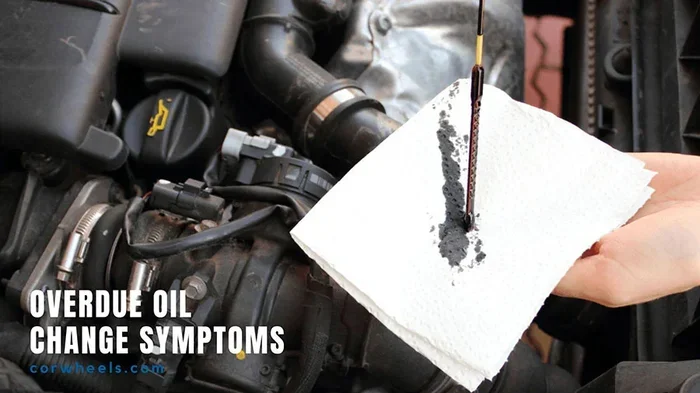
The dipstick is your best friend when it comes to oil levels. It has two marks, a minimum line and a maximum line. The oil level should always fall between these two marks. The ideal spot is usually near the full mark but not above it.
Here is a quick way to check your oil properly:
- Park the car on a level surface.
- Turn off the engine and wait a few minutes for the oil to settle.
- Pull the dipstick out, wipe it clean with a rag.
- Reinsert the dipstick fully, then pull it out again.
- Check where the oil level falls between the min and max marks.
Do not check the oil right after driving. The oil needs time to drain back into the sump for an accurate reading. Taking two minutes to do this correctly can save you from the headaches of an overfilled engine.
How to Fix an Overfilled Engine
If you discover that you have overfilled your engine, do not panic. The fix is usually straightforward, and the sooner you address it, the less damage you will face. Here are your options for correcting an overfilled engine.
Option 1: Drain the Excess Oil
The most common way to fix an overfilled engine is to drain the excess oil. You will need to get under the vehicle and remove the oil drain plug. Let the excess oil flow out until the level is back within the safe range on the dipstick.
If you have never done this before, it is a good idea to have a professional handle it. Draining oil requires a jack, jack stands, and a drain pan. You also need to make sure you do not lose the drain plug washer, as that can cause leaks.
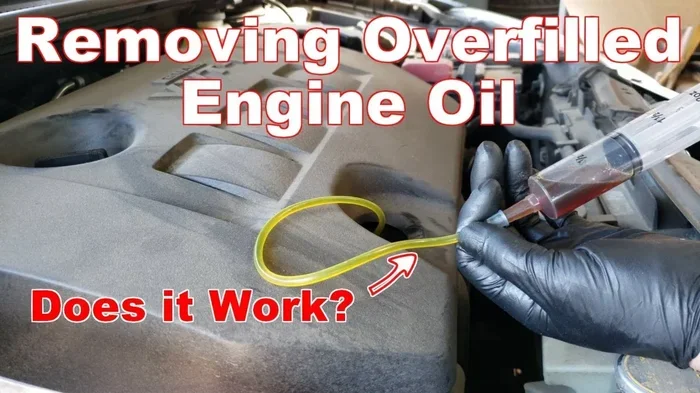
Alternatively, you can use an oil extractor pump. These pumps insert through the oil dipstick tube and suck out excess oil from the top. This method is cleaner and does not require getting under the car. Oil extractors are inexpensive and available at any auto parts store.
Option 2: Visit a Mechanic
If you are not comfortable doing it yourself, simply visit a mechanic. Most shops can drain excess oil quickly and for a reasonable fee. Some may even do it for free if you had your oil change done with them. It is always better to pay a small fee now than to deal with major engine damage later.
Negotiating the price of an oil change is another smart move that can help you save money on routine maintenance, including oil level corrections.
What to Do After Draining
Once you have removed the excess oil, run the engine for a few minutes and then shut it off. Wait a few minutes for the oil to settle, then check the dipstick again. The level should now be between the min and max marks. If it is still too high, repeat the draining process until the level is correct.
After fixing the overfill, monitor your vehicle for a few days. Watch for any remaining smoke, leaks, or unusual noises. If the symptoms persist, there may already be damage that needs professional attention.
Can Overfilled Oil Cause Permanent Engine Damage
This is the question most car owners want answered. The honest answer is it depends on how much the oil was overfilled and how long the engine ran in that condition.
A slight overfill, maybe a few millimeters above the max line, that is corrected quickly, usually causes no lasting damage. The engine can recover just fine once the oil level is back to normal.
But if you run the engine for an extended period with way too much oil, the damage can be significant and permanent. Here is what can happen:
- Worn bearings: Foamed oil cannot protect bearings properly. Over time, bearing surfaces wear down, leading to engine knocking and reduced performance.
- Damaged catalytic converter: Oil burning in the exhaust can clog or destroy the catalytic converter, which can cost $1,000 or more to replace.
- Blown head gasket: Excessive oil pressure can force its way past the head gasket, leading to coolant mixing with oil and serious engine problems.
- Piston ring damage: Oil fouling the piston rings can cause compression loss and increased oil consumption going forward.
- Engine seizure: In extreme cases, hydrolock from too much oil can cause catastrophic engine failure that requires a full rebuild or replacement.
The takeaway is clear. The longer you drive with overfill oil in the crankcase, the worse the consequences become. Acting quickly is essential.
Prevention Tips to Avoid Overfilling Oil
Preventing an overfilled engine is much easier than fixing one. Here are some practical tips to keep your oil level exactly where it should be.
- Always use the dipstick: Never add oil without checking the level first. Even if you think you know how much is needed, always verify.
- Add oil in small amounts: Quarter-quart increments are the way to go. Add a little, check, add a little more, check again.
- Know your engine oil capacity: Keep your owner manual handy or save the specifications on your phone for quick reference.
- Check oil after every change: Whether you do it yourself or a mechanic does it, always verify the level after an oil change.
- Use the right oil type: Using the correct viscosity and specification ensures the oil behaves as expected and fills to the right level.
- Keep a drain pan handy: If you ever do overfill, having a drain pan ready makes the fix much easier and cleaner.
Taking these simple precautions can save you from the stress and expense of dealing with an overfilled engine. Prevention is always better than repair.
Expert Insights on Oil Overfill Damage
Experienced mechanics see overfilled engines more often than you might think. The causes are usually the same, either adding too much oil during a change, not checking the level afterward, or using an incorrect oil capacity spec.
One common scenario involves DIY oil changes where the person loses track of how much oil has been added. Without a clear plan and a careful approach, it is easy to pour in too much. Another frequent situation is when a car owner tops off the oil at home and adds a little extra just to be safe, not realizing that extra is already too much.
Professional technicians emphasize that the oil capacity number on the dipstick or in the manual is the maximum safe level. Going even slightly above it regularly can compound the problems over time. If you are unsure about the correct oil level for your specific vehicle, consult a trusted mechanic or refer to the manufacturer documentation.
Some modern vehicles have oil level sensors that alert the driver if the oil is too high or too low. If your car has this feature, pay attention to any warnings it provides. These sensors exist specifically to help you avoid problems like overfill oil damage before it becomes serious.
Key Takeaways
- Overfilled oil creates foam: Excess oil gets churned by the crankshaft, reducing lubrication and causing engine wear.
- Blue smoke is a warning sign: Too much oil can burn in the combustion chamber, producing blue exhaust smoke.
- Pressure damage is real: Overfilling increases oil pressure, which can blow out gaskets and seals.
- DIY fix is possible: You can drain excess oil yourself or have a mechanic do it quickly and affordably.
- Prevention is simple: Always check the dipstick and add oil in small amounts to avoid overfilling.
- Ignoring it gets costly: Running an engine with too much oil can lead to catalytic converter failure and major engine repairs.
- Check oil after every change: Make it a habit to verify the oil level after any oil change or oil top-off.
Conclusion
So what happens if you overfill oil? The answer is a lot of things you do not want to deal with. From oil foaming and loss of lubrication to blue exhaust smoke, gasket failures, and potentially permanent engine damage, the consequences of too much oil can be severe. But here is the good news. Most of these problems are entirely preventable with a little attention and care.
Always check your oil level using the dipstick, add oil in small increments, and never exceed the maximum mark. If you do accidentally overfill, take action immediately. Drain the excess oil or visit a mechanic to get the level corrected before any damage occurs.
Your engine is the heart of your vehicle. Treating it right with the proper oil level is one of the simplest and most effective ways to keep it running strong for years to come. Stay proactive, stay informed, and your car will reward you with reliable performance mile after mile.
Remember, when it comes to engine oil, more is not better. The right amount is the best amount. Keep that oil level just right, and your engine will thank you.
Frequently Asked Questions
Can overfilling oil cause engine damage?
Yes, overfilling oil can cause serious engine damage. When the oil level exceeds the maximum, the crankshaft churns the excess oil into foam. Foamed oil loses its lubricating ability, which leads to increased wear on engine components like bearings, pistons, and camshafts. Prolonged operation with too much oil can also damage the catalytic converter and blow out gaskets and seals.
What are the symptoms of too much oil in the engine?
The most common overfill oil symptoms include blue or gray exhaust smoke, oil leaks from unusual places, unusual engine noises like knocking or ticking, a strong oil smell inside the cabin, and the check engine or oil pressure warning light illuminating. Poor engine performance and increased oil consumption are also signs that the oil level may be too high.
How do you fix an overfilled engine?
To fix an overfilled engine, you need to remove the excess oil. You can do this by draining oil from the drain plug underneath the car or by using an oil extractor pump through the dipstick tube. Alternatively, you can visit a mechanic who can quickly and safely drain the excess oil for you. Always recheck the dipstick after draining to confirm the oil level is within the safe range.
How much oil overfill is dangerous?
Even a small amount of overfill can be problematic if driven for a long time. A few millimeters above the max line on the dipstick is usually not an emergency, but you should correct it as soon as possible. Being significantly overfilled, such as half a quart or more above the maximum, is dangerous and should be fixed immediately to prevent oil foaming, pressure buildup, and engine damage.
Can too much oil cause blue smoke from the exhaust?
Yes, too much oil is a common cause of blue smoke from the exhaust. When the oil level is too high, excess oil can get pushed past the piston rings and into the combustion chamber. There, it burns along with the fuel and produces blue or gray smoke. If you notice blue smoke, check your oil level right away and address any overfill issues immediately.
Is it safe to drive with overfilled oil?
Driving with overfilled oil is not recommended, even for short distances. The foaming and pressure issues can begin almost immediately. If you accidentally overfill by a very small amount and need to drive a short distance to a repair shop, that is usually okay. But continuing to drive with too much oil for any length of time increases the risk of serious and costly engine damage.