How to Turn Off Reverse Beep Sound on Hyundai Tucson
Turning off the reverse beep on a Hyundai Tucson is straightforward once you know where to look. Whether you use the infotainment screen, steering wheel controls, or dashboard menus, this guide walks you through every method. We also cover why the beep exists and what to do if it keeps buzzing even after you try to disable it.
This is a comprehensive guide about How to Turn Off Reverse Beep on Hyundai Tucson.
Key Takeaways
- Multiple Methods Available: You can turn off the reverse beep through the infotainment system, steering wheel buttons, or dashboard settings depending on your Tucson trim.
- Why It Matters: The reverse beep is a safety feature, but constant beeping in tight spaces can be annoying and distracting.
- Trim Differences Exist: Not all Hyundai Tucson models have the same settings menu, so your exact steps may vary slightly.
- Common Issues Have Fixes: If the beep persists, a faulty sensor or software glitch could be the culprit.
- Other Alerts Work Similarly: The same settings menu often controls other vehicle warning sounds like the seatbelt chime and turn signal clicks.
[FEATURED_IMAGE_PLACEHOLDER]
The Hyundai Tucson is a popular compact SUV loved for its sleek design, solid fuel economy, and modern tech features. But if you have one, you already know the reverse beep can get old fast. That annoying chirp every time you shift into reverse grates on your nerves, especially in quiet neighborhoods or parking garages. Whether you are backing out of your driveway at 6 a.m. or maneuvering in a tight parking spot, that sound never seems to stop.
The good news is that you have options. Turning off the reverse beep on a Hyundai Tucson is something you can do yourself without visiting a mechanic or spending a dime. This guide covers every method, from the infotainment screen to hidden dashboard menus. We will also explain why the beep exists, troubleshoot common problems, and share tips to keep your vehicle running smoothly.
So if you are tired of that constant beeping and want a quieter ride, you are in the right place. Let us dive into everything you need to know about silencing your Hyundai Tucson reverse alert.
Before we jump into the how-to, it helps to understand what you are dealing with. The reverse beep on a Hyundai Tucson is part of the parking sensor system. When you shift into reverse, the sensors at the rear of the vehicle activate and emit a warning sound. The beeping gets faster as you get closer to an object behind you. This is designed to help drivers avoid collisions while backing up.
The parking assistance feature is especially useful in crowded areas. It acts as a second set of eyes, alerting you to obstacles you might not see in your mirrors. The reverse camera works alongside these sensors to give you a visual reference as well. Together, these systems make parking safer and easier, especially for newer drivers.
However, the system can become a nuisance in everyday use. Maybe you reverse into your garage every day and already know the layout by heart. Perhaps you live in a quiet street where the beep echoes off walls. Or maybe you simply prefer a quieter driving experience. Whatever your reason, knowing how to manage these car warning sounds gives you more control over your vehicle.
Some drivers also wonder whether turning off the beep affects the blind spot monitoring or other safety features. It does not. The reverse beep is a standalone audio alert. Disabling it does not turn off your sensors or cameras. The visual display on the infotainment screen continues to work normally, giving you the same safety support you always had.
Now let us get into the actual steps. There are several ways to turn off reverse warning sounds on a Hyundai Tucson. The method you use depends on your model year and trim level. Below are the most common and effective approaches.
The infotainment system is the easiest and most common way to adjust your reverse beep settings. Most Hyundai Tucson models from 2018 onward come with a touchscreen display that gives you access to a wide range of vehicle settings.
Start by turning on your vehicle or pressing the start button. Make sure the parking brake is engaged and the vehicle is in park. Now look at the infotainment screen on the center console.
Tap the Settings icon. It usually looks like a gear or cog wheel. Once inside Settings, scroll down to find the “Vehicle Settings” or “Driver Assistance” menu. The exact name varies by model year.
Inside the Vehicle Settings menu, look for an option labeled “Reverse Beep,” “Parking Sensor Sound,” or “Warning Sounds.” Tap on it. You should see a toggle switch or checkbox that lets you turn the reverse beep on or off. Slide it to the off position.
Some Tucson models also let you adjust the volume of the beep rather than turning it off completely. If you just want it quieter, look for a volume slider within the same menu. This gives you a middle-ground solution if you still want some auditory feedback but at a lower level.
After making your selection, exit the settings menu. Shift into reverse and test it out. The beep should now be silent. If it is not, do not worry. We will cover troubleshooting steps later in this article.
Not all Tucson models have the same infotainment interface. Older models or base trims may use a slightly different menu layout. Here are a few things to keep in mind.
If you cannot find the “Vehicle Settings” option, try looking under “System Settings” or “Audio Settings.” Some models group the reverse beep toggle under the audio or sound settings menu instead of the driver assistance section.
For 2020 and newer models, Hyundai introduced a more refined interface with dedicated tabs for different systems. You may need to tap on “Advanced Settings” or “Customization” to find the parking sensor options.
If your Tucson has the Navigation Plus package, the settings menu may include additional audio alert options. These can sometimes override the default reverse beep behavior, so check all sound-related menus if the first one does not work.
For drivers who prefer using physical controls, the steering wheel buttons offer another way to access vehicle settings. While this method is less common for adjusting the reverse beep specifically, it can be useful for quick access to sound settings.
Press the menu button on your steering wheel. Scroll through the options using the arrow buttons until you reach the Settings or Preferences menu. From there, you can navigate to the same sound and alert settings described above.
This method is especially handy if your touchscreen is temporarily unresponsive or if you prefer not to take your eyes off the road for extended periods.
The dashboard controls on older Tucson models provide yet another pathway to adjust your reverse beep. This method works well for 2015 to 2019 model years.
Start by pressing the Home button on your dashboard control panel. Use the knob or arrows to navigate to Settings. From there, look for the “Vehicle” or “Security” tab. Inside that tab, you should find the parking sensor or reverse alert settings.
Some older Tucson models do not have a full toggle to completely disable the reverse beep. In these cases, you may only be able to reduce the volume or adjust the sensitivity of the parking sensors. Reducing sensitivity means the sensors will activate later, giving you more space before the beeping starts.
The Hyundai Tucson offers different trim levels, and each trim may have slightly different features when it comes to alert sounds. Here is a quick comparison of what to expect across popular trims.
The SE and SEL trims are the most common and usually include the full infotainment settings menu. You should be able to turn off the reverse beep without any issues on these trims. The Limited and Ultimate trims come with more advanced driver assistance features, which sometimes include additional audio alerts. These trims may have more granular control over individual warning sounds.
The hybrid versions of the Tucson follow the same settings layout. However, because the hybrid model already has unique audio cues for electric driving, the overall sound profile is different. The reverse beep is still present and can be disabled using the same methods described above.
If you own a 2023 or 2024 Tucson with the latest software update, Hyundai may have reorganized the settings menu. Always check for the most recent firmware update if you cannot find a specific option. Sometimes new features and settings are only available after a software refresh.
Now that you understand the methods, let us talk about what happens inside the system. The parking sensor system on the Hyundai Tucson uses ultrasonic sensors mounted in the rear bumper. These sensors emit sound waves that bounce off objects and return to the sensor. The system calculates the distance based on the time it takes for the waves to return.
When an object is detected within a certain range, the system triggers the reverse beep. The beeping frequency increases as the distance decreases. This gives the driver a real-time sense of how close they are to an obstacle.
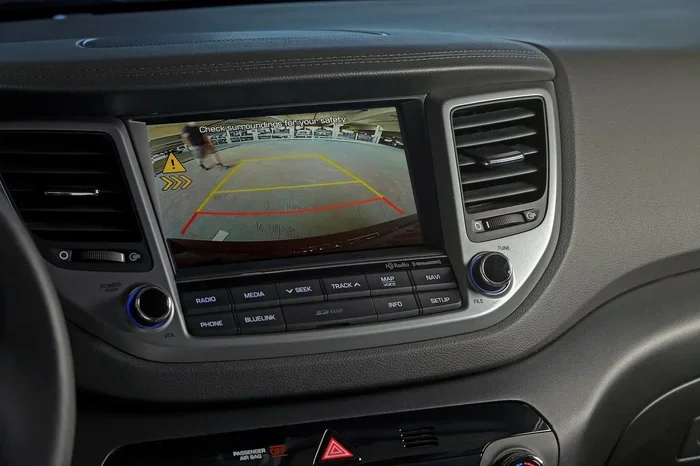
The reverse camera activates at the same time, displaying a live feed on the infotainment screen. The camera also shows dynamic guidelines that adjust as you turn the steering wheel. Together, the sensors and camera create a comprehensive backing-up experience.
The parking assistance system is designed to reduce the risk of low-speed collisions. According to safety studies, backing-up accidents account for a significant percentage of parking lot incidents. The reverse beep and camera work together to give drivers extra confidence and awareness.
However, the system is not perfect. Sensors can become dirty or covered in snow, ice, or mud. When this happens, the system may malfunction or produce false alerts. This is an important thing to keep in mind, especially during winter months or after driving through muddy conditions.
Sometimes the reverse beep on a Hyundai Tucson will not turn off even after you follow all the steps correctly. This can be frustrating, but there are several common causes and fixes.
First, check if your vehicle has a software update available. Hyundai regularly releases updates that fix bugs and improve functionality. An outdated software version might prevent the settings from applying correctly. Visit your dealer or check the infotainment system for available updates.
Second, inspect the rear bumper sensors. If they are dirty, covered in debris, or damaged, the system may default to always-on mode. Clean the sensors with a soft cloth and warm water. If cleaning does not help, the sensors themselves may need replacement.
Third, a bad battery can sometimes cause erratic behavior in your vehicle’s electronic systems. If the battery is weak or failing, it may not supply enough power for the settings to save properly. This is similar to how a weak battery can cause the wrench light to come on unexpectedly.
Fourth, there may be a fuse issue. The fuse box under the hood contains fuses dedicated to the audio and sensor systems. If a fuse is blown, it can disrupt the normal operation of the reverse beep circuit. Check your owner’s manual for the exact fuse location.
Fifth, some aftermarket modifications or accessories can interfere with the factory settings. If you recently installed a new sound system, dash cam, or other electronic device, it could be conflicting with the reverse beep settings. Try disconnecting any aftermarket electronics temporarily to see if the issue resolves.
If none of these fixes work, it is time to visit a certified Hyundai service center. A professional technician can run diagnostics and identify any deeper issues with the vehicle settings or sensor modules.
Beyond turning off the reverse beep, there are several other vehicle alert sounds you can customize on the Hyundai Tucson. Understanding these options helps you create a quieter, more personalized driving experience.
The seatbelt chime is one of the most common sounds drivers want to adjust. While you cannot completely disable the seatbelt chime in most vehicles due to safety regulations, you can reduce its frequency on some Tucson models. Look for “Seatbelt Alert” in the same settings menu where you found the reverse beep option.
The turn signal click is another sound that can become annoying over time. Unfortunately, most vehicles do not offer a way to turn off the turn signal click entirely. However, some Tucson trims allow you to adjust the volume of all audio alerts, which includes the turn signal sound.
The key fob alert is the chirp you hear when you lock or unlock your vehicle. This is typically controlled through the key fob itself or the infotainment settings. Some drivers prefer to turn this off, especially if they live in apartment buildings or shared parking spaces.
The dashboard warning sounds include alerts for low fuel, open doors, and system malfunctions. These are generally non-adjustable because they serve critical safety functions. However, you can reduce their volume by adjusting the overall alert sound level in your vehicle settings.
The audio alerts system on the Tucson also includes navigation prompts and phone call notifications. These are separate from the warning sounds and can be adjusted independently. If you find the navigation voice distracting, you can lower its volume or turn it off entirely through the navigation settings.
Managing all of these sounds gives you a more customized and enjoyable driving experience. It also reduces cabin noise, which can help you stay more focused on the road.
Maintaining the systems that produce these sounds is an important part of overall car maintenance. Here are a few tips to keep your Hyundai Tucson’s audio and sensor systems in top shape.
Keep the rear bumper sensors clean at all times. A quick wipe-down during your regular car wash routine goes a long way. Use a soft microfiber cloth and avoid harsh chemicals that could damage the sensor housing.
Check your vehicle settings after any software update. Sometimes updates reset preferences to default values, which means your carefully adjusted sound settings may revert. Take a few minutes after each update to verify everything is still configured the way you want it.
Replace your vehicle’s battery every 3 to 5 years to prevent electrical issues. A failing battery can cause all sorts of strange behavior in modern vehicles, from flickering dashboard lights to unresponsive settings menus.
Keep your infotainment system updated. Hyundai releases firmware updates that improve performance, fix bugs, and sometimes add new features. Check for updates at least once every six months.
If you notice any unusual sounds or behaviors, address them early. Ignoring a persistent beep or alert can sometimes indicate a deeper problem that becomes more expensive to fix over time. Regular vehicle troubleshooting keeps small issues from becoming big ones.
Now let us address some of the most common questions drivers have about the Hyundai Tucson reverse beep. These questions come up frequently in forums, owner groups, and service centers.
Can I turn off the reverse beep on all Hyundai Tucson trims?
Yes, most Hyundai Tucson trims allow you to turn off the reverse beep through the infotainment settings. However, some older or base models may only offer a volume reduction rather than a complete disable option. Check your owner’s manual or the settings menu for the specific options available on your trim level.
Will turning off the reverse beep affect my warranty?
No, adjusting the reverse beep settings does not affect your Hyundai warranty. These are standard user-adjustable features designed by the manufacturer. As long as you do not physically modify or remove the parking sensors, your warranty remains fully intact.
Why does my reverse beep keep coming back after I turn it off?
If the reverse beep returns after you disable it, it is usually caused by a software glitch, a weak battery, or a dirty sensor. Try restarting your vehicle and rechecking the settings. If the problem persists, clean the rear sensors and check for software updates. A bad battery can also cause settings to reset unexpectedly.
Does turning off the reverse beep also turn off the reverse camera?
No, the reverse camera operates independently from the beep sound. Even with the beep turned off, the camera will still activate when you shift into reverse and display the rear view on your infotainment screen. The dynamic guidelines and parking distance indicators remain fully functional.
Can I adjust the sensitivity of the parking sensors instead of turning off the beep entirely?
Yes, some Hyundai Tucson models allow you to adjust the sensitivity of the parking sensors. This changes how close you need to be to an object before the beeping starts. You can find this option in the same settings menu where you control the reverse beep. Lower sensitivity means the sensors activate later, giving you more room before the beeping begins.
Is it legal to turn off the reverse beep on my Hyundai Tucson?
In most regions, turning off the reverse beep is legal for personal vehicle use. However, some areas have regulations requiring backup warning sounds on certain types of vehicles. If you use your Tucson for commercial purposes or operate it in a regulated environment, check local laws before disabling the reverse beep. For personal use, you are generally free to adjust the alert settings as you see fit.
Turning off the reverse beep on your Hyundai Tucson is a simple process that can dramatically improve your daily driving experience. Whether you use the infotainment screen, steering wheel controls, or dashboard menu, you now have all the tools you need to silence that persistent chirp.
Remember that the reverse beep exists for a reason. It is a helpful safety feature that can prevent accidents while parking. But if the sound has become more of a nuisance than a help, you are fully entitled to turn it off. The methods in this guide give you complete control over your vehicle’s audio alerts.
Keep your parking sensors clean, stay on top of software updates, and pay attention to your vehicle settings menu. These small habits go a long way toward keeping your Tucson running smoothly and quietly.
If you run into issues that you cannot resolve on your own, do not hesitate to consult a professional. A certified Hyundai technician can diagnose and fix most problems quickly and affordably. And always remember that features like turning off steering assist and adjusting other driver assistance settings work the same way. Once you learn how to navigate your Tucson’s settings, you can customize almost every aspect of your driving experience.
Enjoy the quieter ride, and happy driving in your Hyundai Tucson!
Frequently Asked Questions
What is How to Turn Off Reverse Beep on Hyundai Tucson?
How to Turn Off Reverse Beep on Hyundai Tucson is an important topic with many practical applications.