What Happens If I Drive Past an Oil Change Right Now
Driving past an oil change can cause serious engine damage, reduced performance, and costly repairs. When you skip or delay an oil change, old oil loses its lubricating power, leading to increased friction, overheating, and even engine failure. This guide explains exactly what happens when you drive past an oil change and how to avoid expensive consequences.
You know that little reminder on your dashboard. The one that says it is time for an oil change. Maybe you have been busy. Maybe you thought you had more time. But now you are wondering, what happens if I drive past an oil change? The honest answer is that it is not great for your car. Your engine depends on clean oil to run smoothly. When that oil gets old, dirty, or low, things can go wrong fast. Let us walk through exactly what happens and what you can do about it.
Many drivers push past their oil change mileage without thinking twice. It happens all the time. But your car is not forgiving when it comes to engine oil maintenance. Old oil breaks down. It loses its ability to protect internal engine parts. Over time, this leads to increased friction, heat buildup, and serious wear. Understanding the risks can save you from a very expensive repair bill.
Key Takeaways
- Engine damage risk increases: Old oil loses lubrication, causing metal-on-metal contact and wear.
- Warning signs appear early: Knocking sounds, dark oil, and the check engine light signal overdue changes.
- Costly repairs await: Ignoring oil changes can lead to engine rebuilds costing thousands of dollars.
- Safe limits exist: Most vehicles can go slightly past a scheduled oil change, but not by much.
- Prevention is simple: Stick to your maintenance schedule and monitor oil levels regularly.
- Oil type matters: Synthetic oil lasts longer than conventional oil, but still needs replacement.
- Action now matters: If you have driven past an oil change, get it done immediately to minimize damage.
📑 Table of Contents
- What Does It Mean to Drive Past an Oil Change?
- What Happens to Your Engine When Oil Gets Old?
- Warning Signs That Your Oil Change Is Overdue
- How Far Can You Safely Go Past an Oil Change?
- The Cost of Ignoring Your Oil Change
- How to Get Back on Track After Driving Past an Oil Change
- Common Mistakes Drivers Make With Oil Changes
- Expert Insights on Oil Change Timing
- Final Thoughts
What Does It Mean to Drive Past an Oil Change?
Every vehicle has an recommended oil change interval. This is the mileage or time frame the manufacturer suggests for replacing your engine oil. For most cars, this falls between 5,000 and 7,500 miles. Some newer vehicles with synthetic oil can go even longer. But when you pass that recommended mileage without getting fresh oil, you are driving past an oil change.
Think of it like skipping a meal but then running a marathon. Your body needs fuel. Your engine needs clean oil. When you skip that oil change, the old oil starts to degrade. It becomes less effective at reducing friction and cooling engine parts. The longer you drive, the worse it gets.
Some drivers wonder if they can just push a little further. Maybe you are 500 miles past your due date. Or maybe you are 2,000 miles over. The truth is, every mile you drive past the recommended interval adds stress to your engine. And if you are asking yourself, what happens if I drive past an oil change right now, the answer depends on how far past you are and what condition your oil is in.
How Oil Degrades Over Time
Fresh oil is a clear, amber-colored liquid that flows easily. It lubricates every moving part inside your engine. It carries heat away from critical components. It also traps tiny particles of dirt and metal debris. But over time, oil breaks down. Heat causes the chemical compounds in oil to deteriorate. Additives that protect your engine wear off. The oil becomes thicker or thinner than it should be.
When oil degrades, it loses its viscosity. Viscosity is just a fancy word for how thick or thin your oil is. The right viscosity keeps a protective film between engine parts. When that film breaks down, metal rubs against metal. This creates heat, friction, and eventually, damage.
What Happens to Your Engine When Oil Gets Old?
Driving with old or degraded oil is one of the worst things you can do for your engine. Here is what goes wrong inside when you skip an oil change.
Increased Friction and Wear
Engine oil creates a thin cushion between moving parts. Pistons, crankshafts, camshafts, and valves all rely on this cushion. When oil gets old, it loses its ability to maintain that protective layer. Parts start grinding against each other. This causes accelerated wear on critical components. Over time, this wear adds up and shortens the life of your engine.
Overheating Problems
Oil helps pull heat away from the engine. Without fresh, clean oil, heat builds up faster. Overheating can warp engine parts, crack heads, and even seize the engine. If your temperature gauge starts climbing, pull over safely and check your oil level immediately.
Sludge Buildup
Old oil collects contaminants. Dirt, carbon deposits, and metal particles mix with the oil. This creates a dark, sludgy substance that clogs oil passages. Sludge restricts oil flow to important engine parts. When those parts do not get enough oil, they overheat and fail. Sludge buildup is one of the most common causes of premature engine failure.
Reduced Fuel Efficiency
Dirty oil makes your engine work harder. When internal parts experience more friction, your engine burns more fuel. You might notice your gas mileage dropping. This is a clear sign that your oil needs changing. Fresh oil lets your engine run efficiently, saving you money at the pump.
Warning Signs That Your Oil Change Is Overdue
Your car will tell you when something is wrong. You just need to pay attention. Here are the most common warning signs that you have driven too far past an oil change.
Dark or Dirty Oil on the Dipstick
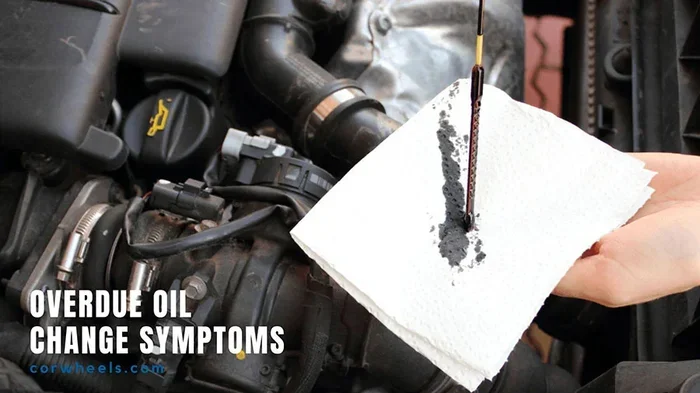
Check your oil level using the dipstick. Fresh oil is amber and translucent. If your oil looks dark brown or black, it is past its prime. Dirty oil means it has collected too many contaminants. It is no longer protecting your engine effectively.
Knocking or Ticking Sounds
Have you heard a knocking sound coming from under the hood? This is a classic sign of low or degraded oil. When oil cannot lubricate properly, metal parts tap and knock against each other. Do not ignore this sound. It means your engine is suffering.
Oil Pressure Warning Light
If the oil pressure light on your dashboard comes on, take it seriously. This light means your oil pressure is too low. Low oil pressure can be caused by low oil levels or degraded oil. Pull over and check your oil. If it is low, add oil right away and visit a service center soon.
Burning Oil Smell
A burning smell inside your car is never a good sign. It could mean oil is leaking onto hot engine parts. It could also mean your oil is so old it is burning inside the combustion chamber. Either way, get this checked immediately.
Reduced Engine Performance
Old oil makes your engine feel sluggish. You might notice slower acceleration, rough idling, or a general lack of power. If your car does not feel the way it usually does, your oil might be the culprit.
Some drivers ignore these signs and keep pushing. But here is the thing. The longer you wait, the worse the damage becomes. If you are concerned about your engine health, you might want to read about whether you can go two years without an oil change. This article covers extended oil change intervals and when they might actually be okay.
How Far Can You Safely Go Past an Oil Change?
Every vehicle is different. Some cars have oil life monitoring systems that track your driving conditions and adjust the oil change interval accordingly. These systems are smarter than simple mileage counters. They look at factors like engine temperature, driving habits, and time since the last change.
Most manufacturers design a small buffer into their recommended intervals. So if your oil change is due at 7,500 miles, you might safely make it to 8,000 or even 8,500 miles without major issues. But this buffer is not a license to ignore your oil change indefinitely.
If you are slightly over, do not panic. Get your oil changed as soon as possible. But if you are hundreds or thousands of miles past the due date, you are taking a real risk. Here is a quick look at what different levels of delay can mean.
- 50-100 miles past: Minimal risk. Get it done at your next convenient opportunity.
- 100-500 miles past: Moderate risk. Oil is starting to degrade. Schedule a change soon.
- 500-1,000 miles past: Significant risk. Old oil is losing protective properties. Visit a service center now.
- Over 1,000 miles past: Serious risk. Engine damage is possible. Stop driving and get service immediately.
If you find yourself well past your oil change and wondering if you can just add oil instead, check out this article on whether you can add oil to your car if it is low. Adding oil is a temporary fix, not a replacement for a full oil change.
Oil Change Intervals: Conventional vs Synthetic
Not all oil is the same. Conventional oil, which is the standard type, typically needs changing every 3,000 to 5,000 miles. Synthetic oil lasts longer. It can go 7,500 to 10,000 miles or more between changes. Synthetic oil resists breakdown better than conventional oil. It handles extreme temperatures more effectively.
If you use conventional oil, you need to be more careful about staying on schedule. Pushing past a conventional oil change is riskier than pushing past a synthetic oil change. But even synthetic oil has limits. No oil lasts forever.
Some drivers also wonder about the differences between oil weights, like using 5W20 instead of 5W30. Using the wrong oil weight can compound the problems of an overdue oil change. Always use the oil weight recommended by your vehicle manufacturer.
The Cost of Ignoring Your Oil Change
Let us talk numbers. A routine oil change costs between $40 and $100 for most vehicles. It takes about 30 minutes. It is one of the cheapest and most important maintenance tasks you can do for your car.
Now let us talk about what happens when you ignore it. An engine rebuild can cost anywhere from $2,500 to $4,500. A new engine can cost $4,000 to $8,000 or more. The difference between a $75 oil change and a $5,000 engine replacement is staggering. It is not even close.
Beyond the financial cost, driving past an oil change can void your warranty. Most manufacturers require proof of regular oil changes as part of the maintenance schedule. If you skip oil changes and your engine fails, the warranty may not cover the repair. That is a risk no one should take.
Some drivers also ask whether they can negotiate the price of an oil change at a dealership. You can read more about that in our guide on negotiating oil change prices. It never hurts to ask, especially if you are a loyal customer.
What Mechanics Check During an Oil Change
When you go for an oil change, a good mechanic does more than just drain and refill your oil. They also check your oil filter, inspect for leaks, and examine the condition of your oil. Many mechanics will also check other fluids, including transmission fluid. You can learn more about what mechanics check during an oil change in our detailed guide.
These additional checks are valuable. They can catch small problems before they become big ones. A mechanic might notice an oil leak, a worn oil filter, or signs of engine wear that you would never see on your own.
How to Get Back on Track After Driving Past an Oil Change
If you have already driven past your oil change, do not beat yourself up. The most important thing is to act now. Here is what you should do to get back on track and protect your engine.
- Check your oil level right away. Use the dipstick to see where your oil stands. If it is low, add the correct type of oil. Do not overfill.
- Look for warning signs. Listen for knocking sounds. Watch your temperature gauge. Check for the oil pressure light. If anything seems off, get your car to a service center immediately.
- Schedule an oil change ASAP. Do not wait for the next week or the next month. Book an appointment today. The sooner you get fresh oil in your engine, the better.
- Ask for a full inspection. When you get your oil changed, ask the mechanic to inspect for any signs of damage. This is especially important if you have driven far past your due date.
- Reset your oil change reminder. After the service, make sure your oil life monitor or maintenance reminder is reset. This keeps you on track for the next change.
If you are worried about what else might be affecting your vehicle, you might want to check whether you can still drive with a maintenance required light on. Our article on driving with a maintenance required soon light covers this topic in detail.
Prevention is always better than repair. Set reminders on your phone. Track your mileage. Keep a log of your oil changes. These simple habits will keep your engine healthy and your wallet happy.
Common Mistakes Drivers Make With Oil Changes
Even good drivers make mistakes when it comes to oil changes. Here are the most common ones to avoid.
- Ignoring the oil life monitor: Some drivers trust the dashboard monitor completely. While these systems are helpful, they are not perfect. Use them as a guide, but also follow the manufacturer recommended mileage intervals.
- Using the wrong oil type: Not all oil is the same. Using the wrong viscosity or type of oil can cause problems. Always check your owner manual for the recommended oil specification.
- Forgetting to change the oil filter: The oil filter catches contaminants. An old filter can clog and restrict oil flow. Always replace the filter with every oil change.
- Checking oil when the engine is hot: For the most accurate reading, check your oil when the engine is cool or has been off for a few minutes. Hot oil can give a false reading.
- Assuming no news is good news: Just because your car seems fine does not mean your oil is fine. Oil degradation happens gradually. By the time you notice symptoms, damage may already be occurring.
Expert Insights on Oil Change Timing
Most automotive experts agree that staying on top of your oil change schedule is the single best thing you can do for your engine. According to the American Automobile Association, regular oil changes are the most important maintenance task for vehicle longevity. They also note that many drivers overestimate how long their oil can last.
Engine specialists point out that short trips, extreme temperatures, and stop-and-go driving all shorten oil life. If you drive in harsh conditions, you may need to change your oil more frequently than the standard recommendation. This is called severe service driving, and it includes things like towing, driving in dusty conditions, and frequent short trips under five miles.
If you are curious about whether certain vehicles can handle longer intervals, you might have seen questions like can I go 2 years between oil changes. The answer depends on your vehicle, your oil type, and your driving conditions. When in doubt, follow the manufacturer guidelines for your specific model.
Final Thoughts
So, what happens if you drive past an oil change? The short answer is that you are putting your engine at risk. Old oil loses its ability to lubricate, cool, and protect. The longer you drive on degraded oil, the more damage accumulates. Small problems become big problems fast.
The good news is that this is entirely preventable. A simple oil change every few thousand miles can keep your engine running strong for hundreds of thousands of miles. It is one of the easiest and most affordable ways to protect your biggest investment.
If you are currently past your oil change, do not wait another day. Schedule your service now. Your engine will thank you. And your future self will be glad you did not let a small delay turn into a major repair.
Remember, your car relies on clean oil to function. Treat your oil changes as non-negotiable appointments. Set reminders, keep records, and stay ahead of the schedule. Your vehicle will reward you with reliable performance and a longer lifespan.
For more information on vehicle maintenance and care, explore our other articles on topics like oil change services, engine health, and keeping your car running at its best. Staying informed is the first step toward becoming a smarter, more confident car owner.
Frequently Asked Questions
Can I drive 100 miles past my oil change?
Driving 100 miles past your oil change is generally low risk for most vehicles. However, you should get your oil changed as soon as possible. The buffer built into most oil change intervals accounts for minor delays, but do not make a habit of pushing past the recommended mileage.
What happens if I never change my oil?
Never changing your oil will lead to engine failure. Old oil loses its lubricating properties, causing metal parts to grind against each other. Over time, sludge builds up, oil pressure drops, and the engine overheats. Eventually, the engine will seize and need a full replacement.
How do I know if my oil is bad?
Check your oil using the dipstick. Fresh oil is amber and translucent. Bad oil is dark brown or black and feels gritty. You may also notice a burning smell, knocking sounds, or an oil pressure warning light. If any of these signs appear, change your oil immediately.
Does driving past an oil change void my warranty?
It can. Most manufacturer warranties require proof of regular maintenance, including oil changes. If you fail to follow the recommended maintenance schedule and your engine fails, the warranty may deny your claim. Always keep records of your oil changes and other maintenance services.
How often should I check my oil level?
You should check your oil level at least once a month. Make it a habit to check it before long trips as well. Checking regularly helps you catch low oil levels early, before they cause engine damage. Keep your oil topped off between scheduled oil changes.
Is it better to change oil too early than too late?
Yes, changing your oil a little early is much better than going too late. Early oil changes cost a bit more in oil and labor, but they are far cheaper than engine repairs. When in doubt, err on the side of changing your oil sooner rather than later.
=== CONCLUSION ===
Driving past an oil change is a risk you do not need to take. Your engine depends on clean, fresh oil to run properly. When you skip or delay an oil change, you invite friction, heat, and wear into your engine. The consequences range from reduced performance to complete engine failure. The fix is simple, affordable, and entirely within your control. Stay on top of your maintenance schedule, watch for warning signs, and never ignore that oil change reminder. Your car will last longer, run better, and save you from expensive repairs down the road.