How to Check BMW Engine Temperature and Keep It Cool
Checking your BMW engine temperature is one of the simplest ways to prevent costly damage and keep your car running smoothly. This guide walks you through reading the temperature gauge, understanding warning lights, and taking quick action when things heat up. You will also learn easy cooling tips that every BMW owner should know.
Your BMW is a finely tuned machine. But like any car, it generates a lot of heat while running. Keeping an eye on your BMW engine temperature is one of the smartest things you can do as an owner. When the engine runs too hot, it can cause serious damage. And when it runs too cold, it wastes fuel and wears parts faster. This guide shows you exactly how to check your BMW engine temperature and keep everything running in the safe zone.
Whether you are a new BMW owner or have been driving for years, understanding your engine temperature matters. It is not just about avoiding breakdowns on the highway. It is about protecting your investment and making sure your car lasts for years. We will walk you through every step in plain, simple language. No mechanic degree required.
Key Takeaways
- Know your gauge: The BMW temperature gauge is your first line of defense against engine overheating.
- Watch for warning signs: A rising needle or a red warning light means act fast.
- Check coolant levels regularly: Low coolant is one of the most common causes of high engine temperature.
- Keep up with maintenance: Regular oil changes and cooling system checks help your BMW stay cool.
- Don’t ignore unusual sounds or smells: These can signal serious cooling system problems.
- Act quickly when overheating: Pull over safely and let the engine cool before checking anything.
📑 Table of Contents
- Why BMW Engine Temperature Matters
- How to Check BMW Engine Temperature Step by Step
- Common Causes of High BMW Engine Temperature
- How to Keep Your BMW Engine Cool
- What to Do When Your BMW Overheats
- BMW Engine Temperature: Quick Tips for Everyday Driving
- Expert Insight: When to See a Mechanic
- Conclusion
Why BMW Engine Temperature Matters
Your BMW engine operates within a specific temperature range. Most BMW engines run best between 195 and 220 degrees Fahrenheit. When the temperature goes above or below this range, problems start to appear. Engine overheating can warp metal parts, blow head gaskets, and even crack the engine block. On the flip side, running too cold can cause poor fuel economy and increased wear on internal components.
The good news is that modern BMWs come equipped with excellent temperature monitoring systems. Your dashboard gives you real-time feedback. The key is knowing what to look for and how to respond. Let us break down the tools and signs you need to watch.
The BMW Temperature Gauge
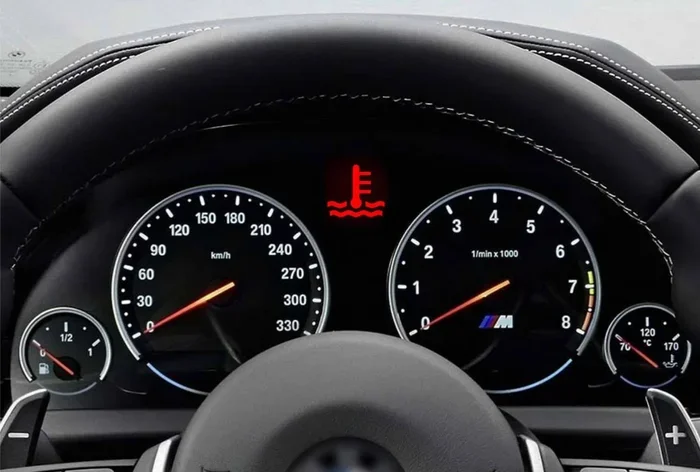
Every BMW has a temperature gauge on the dashboard. It is usually located near the speedometer or tachometer. The gauge has a normal range marked in the middle, with hot and cold zones on either side. When your engine is warming up, the needle will start low and slowly rise. Once it reaches the middle, your engine is at its ideal operating temperature.
Here is what the different positions mean:
- Needle in the normal zone: Your engine is running at a healthy temperature. No action needed.
- Needle rising toward hot: The engine is getting warmer than it should. Check your coolant level and watch for other signs.
- Needle in the red zone: This is an emergency. Pull over safely and turn off the engine immediately.
- Needle below normal: The engine is running too cold, which can happen in very cold weather or if the thermostat is stuck open.
Understanding this gauge is the first step in managing your BMW engine temperature. Make it a habit to glance at it during your drive, especially on long trips or in hot weather.
How to Check BMW Engine Temperature Step by Step
Checking your BMW engine temperature is straightforward. You do not need any special tools for the basic check. Here is exactly what to do.
Step 1: Start the Engine and Let It Warm Up
Turn on your BMW and let it idle for a minute or two. Do not rev the engine right away. Give it time to reach its normal operating temperature. The needle on the gauge should slowly rise from cold to the middle of the dial.
Step 2: Watch the Temperature Gauge
Once the engine is warm, keep an eye on the gauge. It should hold steady in the normal range. If the needle starts climbing, that is your first signal that something may be wrong. Note where the needle sits and whether it stays stable or moves around.
Step 3: Check for Warning Lights
Modern BMWs have warning lights that activate when the engine temperature goes too high. If you see a red temperature warning light or a wrench light on the dashboard, do not ignore it. These lights are designed to alert you before serious damage occurs. If the wrench light comes on, it could also signal other issues. You can learn more about what triggers the wrench light in our article on can a bad battery cause the wrench light to come on.
Step 4: Inspect the Coolant Level
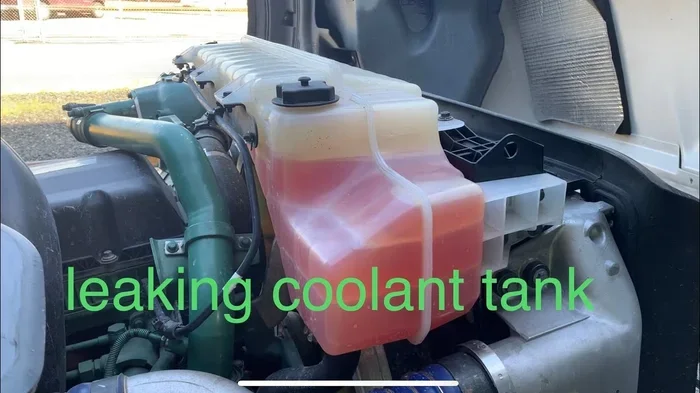
When the engine is cool, open the hood and locate the coolant reservoir. The tank has minimum and maximum markings. The coolant level should be between these marks. If it is low, top it off with the correct type of coolant for your BMW model. Low coolant is one of the most common reasons for rising engine temperature.
Step 5: Feel the Hoses
With the engine running, carefully touch the radiator hoses (use a towel to protect your hands). They should feel firm and warm but not extremely hot. If a hose feels hard, cracked, or unusually cold, it may be failing. A failing hose can lead to coolant leaks and engine overheating.
Common Causes of High BMW Engine Temperature
If your BMW engine temperature is running higher than normal, several things could be to blame. Here are the most common culprits.
Low Coolant Level
This is the number one cause of overheating in BMWs. Coolant circulates through the engine and absorbs heat. When the level drops too low, there is not enough coolant to do its job. Coolant can leak from hoses, the radiator, or the water pump. Check for puddles under your car or white residue around hose connections.
Faulty Thermostat
The thermostat controls the flow of coolant through the engine. When it gets stuck closed, coolant cannot circulate, and the engine heats up fast. A stuck-open thermostat can cause the engine to run too cold. Either way, a bad thermostat needs to be replaced promptly.
Failing Water Pump
The water pump pushes coolant through the engine and radiator. Over time, the pump can wear out or develop leaks. If the water pump fails, the coolant stops moving and the temperature rises quickly. This is a serious issue that needs immediate attention.
Clogged Radiator
The radiator releases heat from the coolant. When it becomes clogged with debris or old coolant deposits, it cannot cool the fluid effectively. This leads to higher engine temperatures, especially in stop-and-go traffic or hot weather.
Broken Radiator Fan
The radiator fan pulls air through the radiator to cool the coolant when the car is moving slowly or idling. If the fan stops working, the engine can overheat at low speeds or while sitting. You might notice the fan is not running when the engine is hot.
Old or Contaminated Coolant
Coolant breaks down over time. Old coolant loses its ability to transfer heat and can become corrosive. This damages internal components and reduces cooling efficiency. Regular coolant flushes keep the system clean and effective. If you have old coolant sitting in the system, it can even lead to engine overheating. You can read more about how old fluids affect your engine in our piece on can old coolant cause engine overheating.
Low Engine Oil
Engine oil does more than lubricate moving parts. It also helps carry heat away from the engine. When oil levels are low, the engine runs hotter. This is why regular oil changes are so important. Low oil can also cause the engine to work harder, generating even more heat. To understand the relationship between oil and engine heat, check out our article on can low oil cause engine overheating.
How to Keep Your BMW Engine Cool
Prevention is always better than repair. Here are practical steps to keep your BMW engine temperature in the safe zone.
1. Check Coolant Levels Monthly
Make it a routine to check your coolant level once a month. It only takes a minute and can catch small leaks before they become big problems. Always check the coolant when the engine is cool to avoid burns.
2. Use the Right Coolant
Not all coolants are the same. BMWs require specific coolant formulations. Using the wrong type can cause corrosion and reduce cooling performance. Check your owner manual or ask your dealer for the correct coolant specification.
3. Replace Coolant on Schedule
Most BMW manufacturers recommend a coolant flush every 30,000 to 60,000 miles. Follow the schedule in your owner manual. Fresh coolant performs better and protects the cooling system from internal damage.
4. Keep the Radiator Clean
Debris like leaves, dirt, and bugs can block airflow through the radiator. Periodically hose down the front of the radiator to keep it clean. This is especially important if you drive on gravel roads or in areas with a lot of insects.
5. Monitor Your Oil Level
Check your oil level regularly and change it on schedule. Clean oil keeps the engine lubricated and helps manage heat. If you notice the oil is dark or gritty, it is time for a change.
6. Pay Attention to the Temperature Gauge While Driving
Do not just set the gauge and forget it. Glance at it periodically during your drive, especially in summer or during long highway trips. Catching a rising needle early can save you from a roadside breakdown.
7. Address Warning Signs Immediately
If you notice steam coming from under the hood, a sweet smell inside the car, or the temperature needle climbing, do not keep driving. Pull over safely and turn off the engine. Continuing to drive an overheating engine can cause thousands of dollars in damage.
What to Do When Your BMW Overheats
Even with the best maintenance, overheating can happen. Here is what you should do if your BMW engine temperature spikes.
- Pull over safely. Find a flat, safe spot away from traffic. Turn on your hazard lights.
- Turn off the engine. Let the engine rest and stop generating heat.
- Do not open the hood immediately. Steam and hot coolant can cause serious burns. Wait at least 10 to 15 minutes.
- Check the coolant level. Once the engine has cooled, carefully open the coolant reservoir and check the level.
- Call for help if needed. If you cannot identify the problem or the coolant is empty, call a tow truck. Driving an overheating engine can destroy it completely.
Remember that a dirty air filter can also contribute to engine heat by restricting airflow. Keeping your air filter clean is a simple maintenance step that supports overall engine health. Learn more about this in our article on can a dirty air filter cause your car to overheat. Similarly, low coolant can cause your car to shake or vibrate, which is another sign to watch for. Read more in our guide on can low coolant cause a car to shake.
BMW Engine Temperature: Quick Tips for Everyday Driving
Here are some quick, practical tips to keep in mind during your daily drives:
- Never ignore the temperature gauge. It is there to protect your engine.
- Keep a spare bottle of coolant in your trunk. It can save you in an emergency.
- Watch for puddles under your car. Green, orange, or pink fluid could be a coolant leak.
- Listen for unusual sounds. A whining or grinding noise from the engine bay can signal a failing water pump or fan.
- Plan ahead for hot weather. On very hot days, give your engine extra time to cool down after long drives.
- Keep your BMW well-maintained. Regular service appointments catch cooling system issues before they become emergencies.
Taking care of your BMW engine temperature is not complicated. It is about staying aware and staying consistent with basic maintenance habits. A few minutes of attention each month can save you hours of trouble and thousands of dollars in repairs.
Expert Insight: When to See a Mechanic
Some BMW engine temperature issues are easy to handle on your own. Checking coolant levels, topping off fluids, and watching the gauge are all things you can do. But some problems need a professional touch. If you notice any of the following, it is time to visit a trusted mechanic:
- The temperature gauge keeps rising even after adding coolant.
- You see steam or fluid leaking from under the hood.
- The temperature warning light stays on after the engine warms up.
- Your BMW is overheating frequently, even on short trips.
- You hear grinding, whining, or bubbling sounds from the engine bay.
A mechanic can run a full cooling system diagnostic and check for hidden leaks, failing water pumps, or thermostat issues. Regular professional check-ups keep your BMW in top shape and your engine temperature right where it should be.
Conclusion
Keeping your BMW engine temperature in check is one of the most important parts of car ownership. It does not have to be complicated or time-consuming. With a simple monthly check of your coolant, a glance at the temperature gauge during drives, and regular maintenance, you can prevent overheating and keep your BMW running strong for years to come. Remember, your engine is the heart of your car. Treat it well, and it will take care of you.
Stay proactive, stay informed, and never ignore the signs your car gives you. A few small habits today can save you from big headaches tomorrow. Drive safe, stay cool, and enjoy every mile in your BMW.
Frequently Asked Questions
How often should I check my BMW engine temperature?
You should glance at the temperature gauge every time you start driving. For a deeper check, inspect your coolant level once a month. This simple habit helps you catch problems early before they turn into expensive repairs.
What is the normal temperature range for a BMW engine?
Most BMW engines operate between 195 and 220 degrees Fahrenheit. The temperature gauge needle should sit in the middle of the dial when the engine is at its normal operating temperature. If it moves into the hot zone, take action right away.
Can I drive my BMW if the temperature gauge is rising?
No, you should not keep driving if the gauge is climbing into the hot zone. Pull over safely, turn off the engine, and let it cool down. Continuing to drive can cause serious and costly engine damage. Check the coolant level once the engine has cooled.
What coolant does my BMW need?
BMW specifies a particular coolant formulation that is different from standard green coolant. Check your owner manual for the correct type, or ask your dealer. Using the wrong coolant can lead to corrosion and cooling system failure.
How do I know if my BMW thermostat is failing?
Signs of a failing thermostat include the temperature gauge fluctuating wildly, the engine overheating quickly, or the heater not working properly. If you notice any of these symptoms, have a mechanic inspect the thermostat as soon as possible.
Is it expensive to fix a BMW cooling system problem?
The cost varies depending on the issue. A simple coolant top-off is inexpensive, while replacing a water pump or radiator fan can cost more. Regular maintenance keeps costs low and prevents major repairs. Addressing small issues early is always the most affordable approach.