How to Unlock an Ignition Without Calling a Locksmith
Unlocking your ignition is easier than you think, and you don’t need a locksmith. This guide walks you through the most common reasons your ignition gets stuck and shows you simple, proven methods to fix it yourself. From key fob issues to steering wheel locks, we cover it all with safe, practical steps.
You’re standing by your car, key in hand, and the ignition just won’t turn. It’s frustrating, it’s stressful, and it’s the last thing you expected today. But before you call a locksmith and spend hundreds of dollars, take a deep breath. There’s a good chance you can fix this yourself.
Learning how to unlock an ignition is a valuable skill every car owner should have. Whether it’s a simple steering wheel lock or a deeper mechanical issue, most ignition problems have straightforward solutions. This guide gives you everything you need to know to tackle the problem with confidence.
We’ll walk through the common reasons your ignition gets stuck, the tools you need, and step-by-step fixes that really work. No fluff, no jargon — just clear, practical advice you can use right now.
Key Takeaways
- Steering wheel lock is the #1 cause of a stuck ignition and is usually easy to fix with a gentle wiggle.
- A dead key fob battery can prevent your ignition from recognizing the key, and replacing it takes just minutes.
- Worn or damaged ignition cylinders may need professional attention, but early detection saves you money.
- Never force your key — it can break inside the lock and make the problem much worse.
- Preventive maintenance like lubrication and key care keeps your ignition working smoothly for years.
📑 Table of Contents
- Why Does an Ignition Get Stuck?
- How to Unlock an Ignition: Step-by-Step Fixes
- When to Call a Professional
- How to Prevent Ignition Problems
- Common Mistakes People Make With Stuck Ignitions
- Tools You Might Need
- How Ignition Systems Work (A Quick Overview)
- Quick Tips for Emergency Situations
- Final Thoughts
Why Does an Ignition Get Stuck?
Before you try any fix, it helps to understand what’s actually going on. Your car’s ignition system is made up of a few key parts that work together. When one of them fails, your key won’t turn and your car won’t start. Let’s look at the most common culprits.
The Steering Wheel Lock
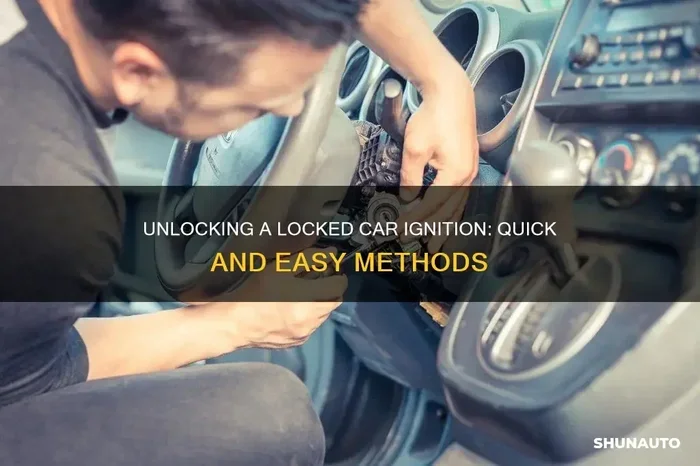
This is the number one reason people think their ignition is broken. When you turn off your car and turn the steering wheel, a lock mechanism engages to prevent theft. The steering wheel locks in place, and the ignition key can’t turn because the steering column is locked too.
It happens to everyone at some point. You turn off the car, bump the steering wheel, and — suddenly — you can’t get your key out or turn it back on. The good news is this is the easiest problem to fix.
A Dead Key Fob Battery
If you drive a car with a push-button start or a smart key system, a dead key fob battery can cause ignition lockout. Your car can’t detect the key, so it thinks you’re trying to start it without permission. The ignition simply won’t respond.
Replacing the key fob battery is usually quick and inexpensive. You might even find a spare battery in your glove box. If you want to learn more about what to do after replacing your key fob battery, check out our guide on what to do after replacing a key fob battery for helpful tips.
Worn or Damaged Ignition Cylinder
Over time, the ignition cylinder wears down. The key grooves get worn, the internal pins get scratched, and eventually, the key just won’t fit or turn properly. This is more common in older vehicles or cars with high mileage.
A damaged ignition cylinder doesn’t just make your key hard to turn — it can also cause your car to stall or fail to start. If you notice your key feeling loose or wobbly in the ignition, it’s worth addressing early before the problem gets worse.
Debris and Dirt in the Lock
Dust, lint, crumbs, and even small bits of dirt can work their way into your ignition lock over time. This debris builds up around the key and the cylinder, making it hard for the key to slide in or turn smoothly.
This is especially common if you keep your keys on a heavy keychain with other metal keys. The extra weight and grime can grind against the ignition lock cylinder and cause problems. A little cleaning can often solve this entirely.
Transponder Key Issues
Modern cars use transponder keys that communicate with your car’s computer. If the chip inside the key gets damaged or the car’s computer fails to read it, the ignition won’t recognize the key. This can feel like the key is completely dead even though it’s perfectly fine mechanically.
These issues are trickier to fix on your own and may require a dealership visit. But before you go that route, make sure you’ve ruled out the simpler causes first.
How to Unlock an Ignition: Step-by-Step Fixes
Now that you know the common causes, let’s get into the solutions. Try these methods in order, starting with the simplest fix first.
Method 1: Wiggle the Steering Wheel
This fixes the steering wheel lock issue in most cases, and it takes just a few seconds.
- Don’t force the key. Keep it in the ignition but don’t apply pressure.
- Use your other hand to wiggle the steering wheel left and right. Move it firmly but gently.
- While wiggling the wheel, try turning the ignition key.
- The lock should release, and the key will turn freely.
This works because wiggling the steering wheel disengages the lock pin inside the steering column. Once the pin is free, the ignition cylinder can rotate normally. It’s that simple.
Method 2: Replace the Key Fob Battery
If your car uses a smart key or push-button start, a dead battery in the fob is a likely cause.
- Check if your car has a backup start method. Many vehicles let you hold the fob directly against the start button.
- Open the key fob with a small flathead screwdriver or coin.
- Remove the old battery and note the model number (usually CR2025 or CR2032).
- Insert a new battery with the correct orientation.
- Reassemble the fob and try starting the car again.
This simple fix costs about two dollars and takes less than five minutes. It’s the first thing you should try if your car has a smart key system.
Method 3: Clean the Ignition Cylinder
Debris in the lock can prevent your key from turning. Here’s how to clean it safely.
- Spray a small amount of electrical contact cleaner or compressed air into the ignition lock.
- Insert and remove your key several times to work the cleaner through the cylinder.
- Wipe the key with a clean cloth before reinserting it.
- Try turning the ignition again.
Avoid using oil-based lubricants like WD-40 for long-term use. They can attract more dirt and make the problem worse over time. Use electrical contact cleaner for the best results.
Method 4: Jiggle the Key While Turning
Sometimes a slightly worn key just needs a little extra movement to engage the pins inside the cylinder.
- Insert the key fully into the ignition.
- Gently push the key inward while simultaneously trying to turn it.
- Use small, gentle jiggling motions — don’t force it.
- Try different slight angles of the key as you turn.
This works by shifting the key slightly so the ridges can catch the right pins in the cylinder. It’s not a permanent fix, but it can get you going when you need it most.
Method 5: Tap the Ignition Cylinder
This is a trick that many mechanics use. A light tap can dislodge stuck pins inside the lock cylinder.
- Insert the key into the ignition.
- Use a small hammer or the handle of a screwdriver to gently tap the side of the ignition cylinder.
- While tapping, try turning the key.
- The vibration can free up stuck internal components.
Be gentle with this method. You’re not trying to break anything. A light, rhythmic tap is all it takes. If the key still won’t turn after a few tries, move on to the next method.
When to Call a Professional
Not every ignition problem should be handled alone. Some situations really do require a professional mechanic or locksmith. Here’s when you should stop trying DIY fixes and call for help.
Your Key Is Broken Inside the Ignition
If your key snaps off inside the ignition lock, don’t try to pull it out with tweezers or pliers. You risk pushing the broken piece deeper into the cylinder. This is a job for a professional who has specialized extraction tools.
A locksmith can remove the broken key fragment and either repair or replace the ignition cylinder. Attempting to remove it yourself can damage the lock further and increase the repair cost significantly.
The Ignition Cylinder Is Severely Worn
When the cylinder is worn beyond what cleaning or jiggling can fix, it needs to be replaced entirely. This involves removing the steering column cover, disconnecting the electrical connections, and installing a new cylinder.
If you’re not comfortable working on your car’s electrical and steering systems, leave this to a qualified mechanic. A damaged steering column can affect your safety on the road.
Your Car Has a Complex Security System
Some vehicles, especially luxury brands, have advanced immobilizer systems that are difficult to bypass without specialized equipment. If your car has this type of system and the ignition won’t recognize your key, a dealer or certified locksmith may be your best option.
For example, if you’re dealing with a Toyota and wondering about service options, you might check whether you can take your Toyota to any dealer for service. Sometimes the dealership has the tools and expertise to handle complex ignition and security system issues.
How to Prevent Ignition Problems
The best way to deal with a stuck ignition is to never have one in the first place. Prevention is simple and costs almost nothing. Here are the habits that keep your ignition working smoothly.
- Don’t carry a heavy keychain. The extra weight puts pressure on the ignition key and the cylinder. Use a lightweight keychain or keep your car key separate.
- Replace your key fob battery every two years. Don’t wait until it dies completely. A proactive replacement prevents lockout situations.
- Clean your ignition regularly. Spray electrical contact cleaner into the cylinder every few months to prevent debris buildup.
- Don’t force the key. If it won’t turn, stop and try a different approach. Forcing it can bend or break the key.
- Turn the steering wheel gently when shutting off. This reduces the chance of engaging the steering lock mechanism.
- Use the correct key. Duplicate keys wear out faster and may not have the correct transponder chip. Get keys cut by a professional.
Common Mistakes People Make With Stuck Ignitions
When you’re frustrated and your car won’t start, it’s easy to make things worse. Here are the mistakes to avoid.
Forcing the Key
This is the most common and most damaging mistake. A forced key can bend, break, or damage the ignition cylinder beyond repair. A broken key inside the lock is a much bigger problem than a stuck key.
Using the Wrong Lubricant
Some people reach for WD-40 or motor oil to fix a sticky ignition. These attract dirt and dust, creating a gritty paste that makes the problem worse. Always use electrical contact cleaner or a dry lubricant designed for locks.
Ignoring the Steering Wheel Lock
Many people skip the simple steering wheel wiggle and jump straight to complex solutions. Always check for the steering wheel lock first. It’s the easiest fix and the most common cause.
Trying to Drill the Lock
YouTube videos show people drilling out stuck ignitions. This is a terrible idea unless you’re a trained professional with the right tools. Drilling can damage the steering column, airbag wiring, and other critical components.
Tools You Might Need
Having the right tools on hand makes every fix easier. Here’s a quick list of what you’ll need for most ignition unlock situations.
- Electrical contact cleaner — for cleaning the lock cylinder
- Compressed air can — for blowing out debris
- Small flathead screwdriver — for opening the key fob
- Replacement key fob battery (CR2025 or CR2032) — for smart key systems
- Soft cloth or microfiber towel — for wiping the key and lock area
- Small hammer or rubber mallet — for tapping the ignition cylinder
- Spare key — always keep one as a backup
Keeping these items in your glove box means you’re prepared for most ignition problems on the road. A little preparation goes a long way toward avoiding a stressful roadside situation.
How Ignition Systems Work (A Quick Overview)
Understanding your car’s ignition system helps you troubleshoot problems faster. Here’s a simple breakdown of how it all works.
When you insert your key and turn it, the ignition cylinder activates a series of electrical connections. These connections send power to the starter motor, fuel pump, and spark plugs. The car’s computer verifies your key’s transponder chip, and if everything checks out, the engine starts.
The steering column lock is a separate security feature that prevents the steering wheel from turning when the car is off. When you turn the key to the “on” position, the lock releases, allowing you to steer and drive. If the lock engages while the key is in the ignition, it physically blocks the cylinder from turning.
Modern cars add layers of complexity with smart keys, push-button starts, and immobilizer systems. But the basic principle remains the same — the key communicates with the car’s computer, and the ignition cylinder allows the engine to start when everything matches. The more you understand this system, the easier it is to diagnose problems when they arise.
Quick Tips for Emergency Situations
Sometimes you’re locked out of your ignition at the worst possible moment — rushing to work, in a parking lot, or late at night. Here are quick tips for these high-pressure moments.
- Stay calm. Panicking leads to forcing the key, which makes everything worse.
- Try the steering wheel wiggle first. It solves the problem 80% of the time.
- Check the dashboard lights. If the dashboard lights up but the engine won’t crank, the problem might be with the starter, not the ignition.
- Use your spare key. If you have one, try it now before trying anything else.
- Call roadside assistance. Many insurance plans and car warranties include free towing and lockout service. It’s worth checking before you pay for a locksmith out of pocket.
These simple steps can save you time, money, and a lot of stress when you’re in a tight spot.
Final Thoughts
Knowing how to unlock an ignition without calling a locksmith is one of the most useful skills you can have as a car owner. Most ignition problems are caused by simple issues like a steering wheel lock, a dead key fob battery, or debris in the cylinder. With the right approach, you can fix these problems yourself in minutes.
Prevention is your best friend. Keep your keychain light, clean your ignition regularly, and replace your key fob battery on schedule. These small habits save you from big headaches down the road.
And remember — there’s no shame in calling a professional when the problem is beyond DIY fixes. A trained mechanic or locksmith can handle complex issues safely and efficiently. The goal is to get you back on the road quickly and without unnecessary expense.
Keep this guide bookmarked. You never know when you’ll need it, and now you’re prepared for whatever your ignition throws at you.
Frequently Asked Questions
Can a dead key fob battery cause the ignition not to turn?
Yes, absolutely. If your car uses a smart key or push-button start system, a dead battery in the key fob can prevent the car from recognizing the key. This can make it seem like the ignition is locked when it’s really just not detecting the fob. Replacing the battery usually solves the problem immediately.
Is it safe to wiggle the steering wheel to unlock the ignition?
Yes, it’s completely safe and it’s actually the recommended first step for most stuck ignition situations. The steering wheel lock is a security feature that engages when you turn off the car and turn the wheel. Gently wiggling the wheel while trying to turn the key releases this lock without any risk of damage.
What should I do if my key breaks off in the ignition?
Don’t try to pull the broken piece out with tweezers or pliers — you could push it deeper into the cylinder. Instead, call a locksmith or mechanic who has specialized extraction tools. They can safely remove the broken key and repair or replace the ignition cylinder without causing further damage.
How much does it cost to replace an ignition cylinder?
The cost varies depending on your car’s make and model, but most ignition cylinder replacements range from $150 to $350 including parts and labor. Luxury vehicles or cars with advanced security systems may cost more. Getting a quote from a trusted mechanic before the repair is always a good idea.
Can I use WD-40 to lubricate my ignition lock?
No, WD-40 is not recommended for ignition locks. It attracts dust and dirt over time, creating a gritty buildup that makes the problem worse. Use an electrical contact cleaner or a dry lock lubricant instead. These products won’t attract debris and keep the cylinder working smoothly.
How can I prevent my ignition from getting stuck in the future?
Keep your keychain lightweight, clean the ignition cylinder with electrical contact cleaner every few months, replace your key fob battery every two years, and never force the key if it won’t turn. These simple habits go a long way in preventing ignition problems and extending the life of your lock cylinder.