Can You Jump-Start a Dead Hybrid Car With Another Car
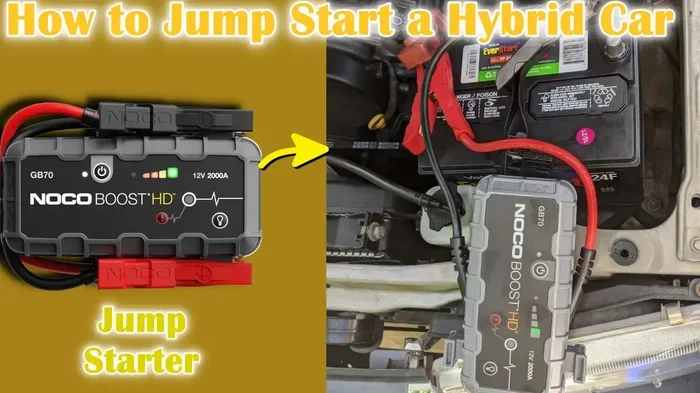
Yes, you can jump-start a dead hybrid car with another vehicle, but the process differs from a standard gasoline car. Hybrid vehicles have both a 12-volt auxiliary battery and a high-voltage hybrid battery. The jump-start process targets the 12-volt battery, not the main hybrid powertrain pack. Following the right steps keeps you and your car safe.
You turn the key or press the start button on your hybrid car, and nothing happens. No hum. No dashboard lights. Just silence. Your heart sinks a little because you know what this means. Your battery is dead. Now the big question hits you. Can you jump-start a dead hybrid car with another car? The short answer is yes. But the full answer is a bit more involved than what you would do with a regular gasoline vehicle. Hybrid cars have a unique setup. They run on two different battery systems. Each one serves a different purpose. And each one requires a different approach when things go wrong.
This guide walks you through everything you need to know. We will cover how hybrid cars work, why jump-starting them is different, and the exact steps you should follow. You will also learn about safety precautions, common mistakes, and when to call for help. Whether you drive a Toyota Prius, a Honda Insight, or any other hybrid vehicle, this article has you covered. Let us get into it.
Key Takeaways
- Hybrid cars use two battery systems: a 12-volt auxiliary battery and a high-voltage traction battery.
- You can jump-start a dead hybrid car using another vehicle or a portable jump starter, just like a regular car.
- The jump-start process targets the 12-volt battery, not the high-voltage hybrid battery pack.
- Safety comes first: always follow the correct sequence when connecting and disconnecting jump cables.
- Common mistakes include connecting cables to the wrong terminals and ignoring warning lights.
- Call a professional if you are unsure or if the hybrid system shows error messages.
- Regular hybrid car maintenance helps prevent dead batteries and unexpected breakdowns.
📑 Table of Contents
- How Hybrid Cars Work and Why Jump-Starting Is Different
- Can You Actually Jump-Start a Dead Hybrid Car?
- Step-by-Step Guide to Jump-Starting a Hybrid Car
- Safety Precautions You Must Follow
- Common Mistakes People Make When Jump-Starting Hybrids
- When to Call for Professional Help Instead
- Preventing a Dead Battery in Your Hybrid Car
- Key Differences Between Jump-Starting a Hybrid and a Gasoline Car
- Final Thoughts
How Hybrid Cars Work and Why Jump-Starting Is Different
Before we dive into the jump-start process, it helps to understand what makes a hybrid car different from a regular car. Hybrid vehicles use two power sources. They have a gasoline engine and an electric motor. These two systems work together to improve fuel efficiency and reduce emissions. But they also need two separate battery systems to function.
The 12-Volt Auxiliary Battery
Every hybrid car has a 12-volt auxiliary battery. This is the same type of battery found in a regular gasoline car. It powers the car’s electronics. It runs the lights, the infotainment system, and the computer modules. Most importantly, it powers the starter motor. When you turn the key or press the start button, the 12-volt battery sends power to the starter. The starter then wakes up the hybrid system. Without a working 12-volt battery, your car will not start at all.
The High-Voltage Hybrid Battery
The second battery is the high-voltage hybrid battery. This is the big one. It is the main power source for the electric motor. It stores energy generated through regenerative braking. This battery pack typically operates at 200 to 400 volts. It is much more powerful than the 12-volt auxiliary battery. When the high-voltage battery is healthy, it provides the electric boost that makes hybrids so efficient. But here is the key point. A dead high-voltage battery does not usually stop the car from starting. A dead 12-volt battery does.
Why This Matters for Jump-Starting
When your hybrid car won’t start, the problem is almost always the 12-volt auxiliary battery. The high-voltage battery is usually fine. So when you jump-start a dead hybrid car, you are really jump-starting the 12-volt battery. You are not touching the high-voltage system. This is a crucial distinction. It means the jump-start process is similar to what you would do with a regular car. But there are some important differences you need to know about.
Can You Actually Jump-Start a Dead Hybrid Car?
The answer is a clear yes. You can jump-start a dead hybrid car with another car. You can also use a portable jump starter. The process targets the 12-volt auxiliary battery. And it follows many of the same principles as jump-starting a regular car. However, there are a few things you need to watch out for. Hybrid cars have both a 12-volt system and a high-voltage system. The high-voltage system carries a lot of power. It can be dangerous if you handle it incorrectly.
Here is what you need to know. The hybrid car’s manual will have specific instructions. Always read your owner’s manual before attempting a jump-start. Different brands and models have slightly different procedures. Some hybrids have a dedicated jump-start terminal in the engine bay. Others require you to connect directly to the 12-volt battery. Knowing your specific car makes the process much easier and safer.
What Happens When a Hybrid Battery Dies?
When the 12-volt battery in your hybrid car dies, you will notice clear signs. The dashboard lights may be dim or completely off. The car will not respond when you press the start button. You might hear a clicking sound when you turn the key. That clicking means the starter motor is trying to engage but has no power. In some cases, the hybrid system warning light will appear on the dashboard. This light tells you the car has detected a problem with the electrical system.
A dead high-voltage battery is a different story. If the high-voltage pack fails, the car may still start on the 12-volt system. But it will not run on electric power. The gasoline engine might still work. However, the car will lose its hybrid capabilities. Fuel economy will drop significantly. In rare cases, a completely dead high-voltage battery will prevent the car from operating at all. But this is uncommon. Most of the time, a “dead hybrid car” means a dead 12-volt battery.
Step-by-Step Guide to Jump-Starting a Hybrid Car
Now let us get into the practical part. Here is how to jump-start a dead hybrid car using another vehicle. Follow these steps carefully and in the correct order. Safety is the top priority.
Step 1: Gather Your Equipment
You will need a few things before you start. Good quality jump cables are essential. Make sure they are thick enough to handle the current. A standard set of red and black cables will work. You also need a second vehicle with a working battery. The second car should have a similar voltage system. Most cars on the road use a 12-volt system, so this should not be a problem. Keep the jump cables in your trunk at all times. You never know when you will need them.
Step 2: Position the Vehicles
Park the working car close to your hybrid. But do not let the two vehicles touch. Turn off the engines in both cars. Put both vehicles in park. Engage the parking brake on both cars. This prevents any movement during the jump-start process. Make sure both cars are in a safe, well-lit location. If you are on the side of a highway, turn on your hazard lights. Set up warning triangles if you have them.
Step 3: Locate the 12-Volt Battery and Jump Terminals
Open the hood of your hybrid car. Look for the 12-volt auxiliary battery. In many hybrids, this battery is located in the engine bay. Some models, like the Toyota Prius, have a jump-start terminal instead of a direct battery access point. Check your owner’s manual to find the exact location. You are looking for the positive (+) and negative (-) terminals. They may be labeled with red and black covers. Some hybrid cars have a dedicated jump-start port under the hood. This is a safer and easier access point.
Step 4: Connect the Jump Cables in the Correct Order
This is the most important step. You must connect the cables in the right sequence. Follow this order exactly:
- Connect the red clamp to the positive terminal of the dead hybrid battery.
- Connect the other red clamp to the positive terminal of the working car’s battery.
- Connect the black clamp to the negative terminal of the working car’s battery.
- Connect the remaining black clamp to an unpainted metal surface on the hybrid car’s engine block. This is called grounding. Do not connect it directly to the dead battery’s negative terminal if possible.
Connecting in this order reduces the risk of sparks near the battery. Batteries can produce hydrogen gas. Sparks near the battery can cause an explosion. This is why grounding the last clamp on the engine block is so important.
Step 5: Start the Working Car First
Start the engine of the working car. Let it idle for a few minutes. This allows the working car’s alternator to send power to the dead battery. After two to three minutes, try starting your hybrid car. Press the start button or turn the key. If the hybrid car starts, let it run for several minutes. The alternator will begin charging the 12-volt battery.
Step 6: Disconnect the Cables in Reverse Order
Once your hybrid car is running, it is time to remove the cables. Disconnect them in the reverse order of how you connected them:
- Remove the black clamp from the engine block of the hybrid car.
- Remove the black clamp from the negative terminal of the working car.
- Remove the red clamp from the positive terminal of the working car.
- Remove the red clamp from the positive terminal of the hybrid car.
Keep the cables organized. Do not let the clamps touch each other or any metal surface. This prevents short circuits.
Step 7: Let the Hybrid Car Run
After a successful jump-start, let your hybrid car run for at least 20 to 30 minutes. This gives the 12-volt battery time to recharge. If you drive the car, the alternator will continue charging the battery. But do not turn the car off immediately. A short drive is a good idea. It helps the battery recover fully.
Safety Precautions You Must Follow
Jump-starting a hybrid car is generally safe. But it does come with risks. The high-voltage system in a hybrid operates at hundreds of volts. This is not something you want to mess with. Here are the safety precautions you should always follow.
Never Touch the High-Voltage Components
Hybrid cars have bright orange cables running through the engine bay. These cables connect to the high-voltage battery and electric motor. Never touch these cables or any components with orange markings. The high-voltage system can deliver a lethal shock. Even when the car is turned off, these components can hold a charge. Keep your hands, tools, and jewelry away from orange cables and connectors.
Read Your Owner’s Manual
Every hybrid car is a little different. The owner’s manual contains specific jump-start instructions for your model. It tells you where the jump terminals are located. It may also include warnings or precautions unique to your car. Taking five minutes to read the manual can save you a lot of trouble. It can also prevent costly mistakes.
Check for Damage Before You Start
Inspect the jump cables before use. Look for frayed wires, cracked insulation, or corroded clamps. Damaged cables can cause sparks or fail to deliver power. Also, check the hybrid car’s battery for any signs of leakage or swelling. If the battery looks damaged, do not attempt a jump-start. Call a professional instead.
Work in a Well-Ventilated Area
Batteries produce hydrogen gas. This gas is flammable and can ignite with a spark. Always work in an open, well-ventilated area. Do not attempt a jump-start in a closed garage. If you are stuck in a garage, open the door and work outside. Keep all flames and cigarettes away from the battery area.
Wear Protective Gear
Rubber gloves and safety glasses are a good idea. They protect you from accidental sparks or acid splashes. While the 12-volt system is relatively low-voltage, it can still cause burns or injuries if something goes wrong. A little protection goes a long way.
Common Mistakes People Make When Jump-Starting Hybrids
Even experienced car owners make mistakes when jump-starting a hybrid car. These errors can damage the electrical system or even cause injury. Here are the most common mistakes to avoid.
Connecting Cables in the Wrong Order
This is the number one mistake people make. Connecting the cables in the wrong sequence can cause sparks, short circuits, or damage to the car’s electronics. Always follow the correct order. Positive to positive first, then ground the last clamp on the engine block. When disconnecting, go in reverse order.
Connecting to the Wrong Terminals
Some hybrid cars have a dedicated jump-start terminal in the engine bay. This terminal is separate from the 12-volt battery itself. If you connect the cables directly to the battery terminals when a jump terminal is available, you risk damaging the car’s electrical system. Always check for a jump terminal first.
Ignoring Warning Lights
After a jump-start, your dashboard lights should return to normal. If you see warning lights stay on or new ones appear, do not ignore them. The hybrid system warning light or the check engine light could indicate a deeper problem. Have the car inspected by a qualified mechanic as soon as possible.
Turning Off the Car Too Soon
A jump-start gives the 12-volt battery a temporary boost. It does not fully recharge the battery. If you turn the car off too soon, the battery may die again. Let the car run for at least 20 to 30 minutes after a jump-start. Better yet, take a drive to let the alternator do its job.
Using the Wrong Type of Jump Starter
Not all portable jump starters are created equal. Some are designed for standard gasoline cars. Others are rated for hybrid vehicles. Make sure your jump starter is compatible with hybrid cars. Check the voltage and amperage ratings before using it. Using the wrong device can cause more harm than good.
When to Call for Professional Help Instead
Most of the time, jump-starting a hybrid car is straightforward. But there are situations where you should call a professional. Knowing when to ask for help saves you time, money, and potential danger.
If you have tried jump-starting the car and it still will not start, there may be a deeper issue. The hybrid battery might need replacement. The alternator could be failing. There might be an electrical short somewhere in the system. These are problems that require professional diagnosis and repair.
Also, call for help if you notice any of these signs. A burning smell coming from the engine bay. Visible damage to the battery or cables. Fluid leaking under the car. Dashboard warning lights that keep coming back after a jump-start. Any of these symptoms suggest a serious problem. Do not try to fix it yourself. Call roadside assistance or a certified hybrid mechanic.
Many auto insurance policies include roadside assistance. Check your policy before you need it. Some hybrid manufacturers also offer roadside assistance programs. Toyota, Honda, and other brands often provide this service for new vehicles. Knowing your options ahead of time makes emergencies much easier to handle.
Preventing a Dead Battery in Your Hybrid Car
The best way to deal with a dead battery is to prevent it from happening in the first place. Hybrid car maintenance plays a big role in keeping your 12-volt battery healthy. Here are some simple tips that make a real difference.
- Drive your hybrid car regularly. The alternator charges the 12-volt battery while the engine runs. If your car sits unused for weeks, the battery can drain.
- Turn off all electronics when the car is off. Lights, the infotainment system, and phone chargers all draw power. Even small drains add up over time.
- Get your battery tested regularly. Most auto parts stores offer free battery testing. A quick check can reveal a weak battery before it dies completely.
- Replace the 12-volt battery on schedule. Most 12-volt batteries last three to five years. Check your owner’s manual for the recommended replacement interval.
- Keep the battery terminals clean. Corrosion on the terminals can prevent a good connection. A simple cleaning with a wire brush can go a long way.
Taking these small steps can save you from the frustration of a dead battery. It also extends the life of your hybrid car’s electrical system. Prevention is always better than a cure.
Key Differences Between Jump-Starting a Hybrid and a Gasoline Car
While the basic process is similar, there are important differences to understand. These differences come from the dual-battery setup in hybrid vehicles.
- Two battery systems: Hybrids have a 12-volt battery and a high-voltage battery. Gasoline cars only have the 12-volt battery.
- High-voltage safety: Hybrids have orange cables and high-voltage components. Gasoline cars do not have this hazard.
- Jump terminals: Many hybrids have a dedicated jump-start terminal. Gasoline cars usually do not.
- System complexity: The hybrid powertrain is more complex. A jump-start affects only the 12-volt system, not the high-voltage system.
- Regenerative braking: Hybrids recharge the high-voltage battery through regenerative braking. This does not affect the 12-volt jump-start process.
Understanding these differences helps you approach the jump-start process with confidence. It also reminds you why reading your owner’s manual is so important.
Final Thoughts
Jump-starting a dead hybrid car is something most hybrid owners can do with a little knowledge and the right tools. The process targets the 12-volt auxiliary battery, not the high-voltage hybrid battery pack. By following the correct steps, you can get back on the road safely and quickly. Remember to always prioritize safety. Read your owner’s manual. Know the correct cable connection order. And never touch the high-voltage components.
If you ever feel unsure, there is no shame in calling for professional help. Roadside assistance services are widely available. And a certified mechanic can diagnose any deeper issues with your hybrid system. With proper care and regular hybrid car maintenance, you can minimize the chances of a dead battery. Your hybrid car will keep running smoothly for years to come.
Frequently Asked Questions
Can I jump-start my hybrid car with a regular gasoline car?
Yes, you can jump-start a hybrid car with a regular gasoline car. Both vehicles use a 12-volt system for the auxiliary battery. The jump-start process is essentially the same. Just make sure to follow the correct cable connection order and safety precautions. Always refer to your hybrid car’s owner manual for specific instructions.
Will jump-starting damage my hybrid car’s high-voltage battery?
No, jump-starting does not affect the high-voltage battery. The process only powers the 12-volt auxiliary battery. The high-voltage hybrid battery remains completely separate. As long as you follow the correct procedure, there is no risk to your hybrid powertrain or electric motor system.
How long should I let my hybrid car run after a jump-start?
Let your hybrid car run for at least 20 to 30 minutes after a jump-start. This gives the alternator time to recharge the 12-volt battery. Taking a short drive is even better. It allows the charging system to work more efficiently and helps the battery recover fully.
What if my hybrid car still won’t start after a jump-start?
If the car still will not start after a proper jump-start, there may be a deeper issue. The 12-volt battery could be failing and need replacement. The alternator might not be charging properly. There could also be an electrical problem in the hybrid system. In this case, call a professional mechanic or roadside assistance for help.
Do I need a special jump starter for hybrid cars?
You do not need a special jump starter, but it helps to use one rated for hybrid vehicles. Standard portable jump starters rated for 12-volt systems work fine. Just make sure the device has enough power output. Check the manufacturer’s specifications to confirm compatibility with hybrid cars.
Is it safe to jump-start a hybrid car in the rain?
It is not ideal to jump-start any car in wet conditions. Water increases the risk of electrical shorts and sparks. If you must jump-start in the rain, take extra precautions. Keep the cables away from puddles. Make sure your hands and the connection points are dry. If conditions are unsafe, wait for the rain to stop or call for roadside assistance.
=== CONCLUSION ===
Jump-starting a dead hybrid car with another vehicle is a practical skill every hybrid owner should know. The process is straightforward once you understand the dual-battery system. Focus on the 12-volt auxiliary battery. Follow the correct cable connection order. And always put safety first. With the right knowledge and a set of good quality jump cables, you can handle a dead battery situation confidently. Keep your owner’s manual handy. Practice the steps before you actually need them. And remember, when in doubt, professional help is always a phone call away.