Can You Park a Car Without License Plates in Your Driveway
You can often park a car without plates in your driveway, but the rules depend on your state, city, and how long the vehicle will stay there. Most residential areas allow short-term parking of unregistered cars, but long-term storage may violate local ordinances. Understanding the laws helps you avoid fines, towing, and legal headaches.
You pull into your driveway after a long day, only to notice the car sitting there with no plates on it. Maybe you just bought it. Maybe the tags expired last month. Or maybe you are keeping it there temporarily while you sort out the paperwork. The question nagging at you is simple but important: can you park a car without license plates in your driveway?
The short answer is: it depends. In many cases, you can park an unplated vehicle in your own driveway for a limited time. But the rules are not the same everywhere. Your state, your city, and even your neighborhood association may have specific regulations that you need to follow. Ignoring these rules can lead to fines, towing, or other headaches you simply do not need.
This guide breaks down everything you need to know about parking a car without plates in your driveway. We will look at the laws, the exceptions, the risks, and the steps you can take to stay compliant. Whether you just bought a new car, are restoring a classic, or are dealing with an expired registration, you will find practical answers here.
Key Takeaways
- You can usually park without plates temporarily: Most states allow short-term driveway parking of unplated vehicles, especially during the registration process.
- Local laws vary significantly: City and county ordinances may impose stricter rules than state laws, so always check your local regulations.
- Fines and towing are real risks: Parking without plates for too long or in violation of local rules can result in penalties and vehicle removal.
- Exceptions exist for specific situations: New car purchases, classic car restorations, and temporary permits may allow unplated parking under certain conditions.
- Insurance still matters: Even parked without plates, your vehicle may need to be insured depending on your state’s requirements.
- Documentation helps protect you: Keeping proof of registration, purchase receipts, or temporary permits on hand can prevent disputes with authorities.
📑 Table of Contents
Understanding License Plate Laws for Driveway Parking
Before you decide whether to leave an unplated car in your driveway, it helps to understand the basics of license plate laws. These rules exist at both the state and local levels, and they serve a few important purposes.
At their core, license plate requirements are about vehicle identification. When a car is on public roads, plates help law enforcement identify vehicles, track registrations, and enforce traffic laws. But what about when a car is parked in your own driveway? That is where things get a little more complicated.
What Are License Plate Requirements?
Every state in the US requires vehicles to display valid license plates when operated on public roads. The car registration process typically involves visiting your local DMV or Secretary of State office, paying fees, and receiving your plates. Once you have plates, you are expected to display them on the front and rear of your vehicle.
But what about a car that is not currently registered? Or one that has just been purchased and is waiting for plates to arrive? This is where driveway parking laws come into play. Most states distinguish between a vehicle being operated on public roads and a vehicle being stored on private property.
The key distinction is this: if the car is on a public street or highway, it almost always needs plates. If it is on your private driveway, the rules are often more relaxed, but they are not completely absent. Understanding this difference is the first step toward staying compliant.
Why Do States Require Plates in the First Place?
States require plates for several reasons. First, plates help identify vehicles involved in crimes or accidents. Second, they ensure that drivers have registered their vehicles and paid the necessary taxes and fees. Third, plates make it easier for parking enforcement officers to identify improperly parked or unregistered vehicles.
When a car sits without plates on a public street, it raises red flags. But on a private driveway, the concern is usually less about enforcement and more about making sure the vehicle is properly registered and insured. The vehicle titling process is closely tied to plate issuance, and having both in order is the best way to avoid legal trouble.
Understanding these basics gives you a solid foundation for navigating the more specific rules that follow in this guide.
Why People Park Cars Without Plates in Their Driveway
There are many legitimate reasons someone might need to park a car without plates in their driveway. Let us look at the most common scenarios and what you should know about each one.
New Car Registration Process
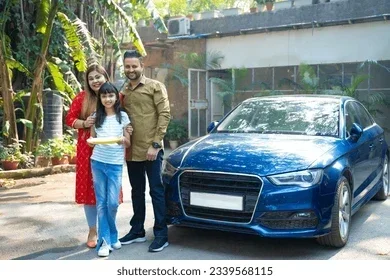
One of the most common reasons is simply the new car registration process. When you buy a new vehicle, you typically get a temporary permit or a paper registration to drive home. But once you get the car to your house, you may need to wait for your permanent plates to arrive in the mail.
This waiting period can last anywhere from a few days to several weeks, depending on your state and the DMV workload. During this time, many people park their new car in the driveway without plates. In most cases, this is perfectly fine as long as you have your temporary registration paperwork in the vehicle. Keep your receipt from the dealer and your temporary permit visible so that you have proof of your legal status if anyone asks.
Buying a Car From a Private Seller
Buying a car from a private seller is another common scenario. You hand over the cash, sign the title, and drive the car home. But you do not have plates yet, and you may not be able to get them until you complete the formal registration process at the DMV.
In these situations, parking the car in your driveway without plates is often allowed for a short period. However, you should complete the registration as soon as possible. Delaying too long can create legal issues, especially if your expired plates from your previous vehicle are no longer valid. Make sure you transfer the title and begin the registration process within the timeframe allowed by your state.
Restoring or Collecting Classic Cars
If you are restoring a classic car or maintaining a collection, you may have vehicles that are not currently roadworthy. These cars may not have plates because they are not being driven on public roads. Vehicle storage regulations often allow this type of parking on private property, but there may still be rules you need to follow.
For example, some neighborhoods have rules about how many unregistered vehicles you can keep on your property. Others require that non-running vehicles be covered or stored in a garage. Always check your local residential parking rules before leaving classic cars or project vehicles in your driveway for extended periods.
Expired or Lost Plates
Sometimes plates expire, get lost, or are stolen. In these cases, you may need to park the car in your driveway while you wait for replacements. Most states allow a short grace period, but you should act quickly to renew your registration and get new plates.
Driving with expired plates on public roads is a different story and can result in a parking ticket or worse. But parking in your driveway during the renewal process is usually tolerated. Just make sure you are actively working on getting the renewal done and do not let the situation drag on for months.
How State and Local Laws Differ
One of the most important things to understand about parked car regulations is that they vary widely. What is legal in one state or city may not be legal in another. Let us break down how state and local laws affect your ability to park an unplated vehicle in your driveway.
State-Level Regulations
At the state level, car ownership laws generally require that any vehicle on public roads be registered and plated. But for vehicles stored on private property, state laws tend to be more permissive.
For example, in states like Texas and Florida, you can typically park an unplated vehicle in your driveway for a reasonable amount of time. These states focus their enforcement on public roads and parking areas rather than private driveways. As long as you are going through the registration process or have a valid reason for the delay, you are usually in the clear.
On the other hand, some states have stricter rules. California, for instance, has specific local ordinances that can affect how long you can store an unregistered vehicle on your property. The California Vehicle Code requires vehicles to be properly registered, and while enforcement on private property is less common, it is still possible if a complaint is filed.
City and County Ordinances
City and county governments often have their own rules that go beyond state laws. These local government rules can affect everything from how long you can park an unplated car in your driveway to whether you can park multiple unregistered vehicles on your property.
For instance, some cities have rules that limit the number of unregistered vehicles on a residential property to two or three. Others require that any vehicle parked on a driveway be covered or hidden from street view. These rules are often designed to maintain neighborhood aesthetics and property values.
Here is a quick comparison of how a few states handle driveway parking for unplated vehicles:
| State | Driveway Parking Without Plates | Typical Time Limit | Additional Notes |
|---|---|---|---|
| Texas | Generally allowed | No strict limit | Must be registered or in registration process |
| California | Allowed with conditions | Varies by city | Local ordinances may apply |
| Florida | Generally allowed | No strict limit | Neighborhood rules may apply |
| New York | Allowed with restrictions | Varies by municipality | NYC has strict rules on visible vehicles |
| Ohio | Generally allowed | 30-90 days typical | County ordinances may differ |
As you can see from the comparison table, there is no one-size-fits-all answer. Always check your specific state and city regulations before parking an unplated vehicle in your driveway. A quick call to your local DMV or city hall can save you a lot of trouble.
Neighborhood and HOA Rules
If you live in a neighborhood with a homeowners association or HOA, there may be additional rules to consider. HOAs often have their own residential parking rules that go beyond local government regulations.
Some HOAs prohibit parking any unregistered vehicle in the driveway. Others allow it but require that the vehicle be covered or stored out of sight. Still others have no restrictions at all. Before parking an unplated car in your driveway, check your HOA guidelines to avoid potential fines or disputes with your neighbors.
What Happens If You Park Without Plates
Ignoring license plate requirements can lead to real consequences. Let us look at what might happen if you park a car without plates in your driveway for too long or in violation of local rules.
Fines and Penalties
If a neighbor reports your unplated vehicle or if a parking enforcement officer notices it, you could receive a fine. The amount varies by jurisdiction but can range from $25 for a minor violation to several hundred dollars for repeated offenses.
In some cases, the fine is for having an unregistered vehicle on your property. In other cases, it is for violating a specific local ordinance about visible or stored vehicles. Either way, these fines can add up quickly if you do not address the issue. The best approach is to resolve the registration problem as soon as you become aware of it.
Towing and Impound Risks
In more serious cases, an unplated vehicle left in a driveway for an extended period could be towed. This is more common if the vehicle is considered abandoned or if it violates local storage regulations.
Towing can be expensive. Depending on your location, retrieving a towed vehicle can cost anywhere from $100 to $500 or more. And if the vehicle is not properly registered or insured, you could face additional penalties when you go to pick it up. In some cases, the vehicle may even be sold at auction if left unclaimed for too long.
Impact on Your Insurance
Even if your car is parked and not being driven, most states require you to maintain vehicle insurance. Letting your insurance lapse because you are not driving the car can lead to serious consequences, including license suspension and higher premiums when you do insure the vehicle again.
Some states have continuous insurance requirements that apply to all registered vehicles, regardless of whether they are being driven. Make sure your insurance coverage remains active even if the car is sitting in your driveway without plates. A lapse in coverage can follow you for years and affect your rates.
Exceptions and Special Situations
Not every situation involving an unplated vehicle in a driveway is a violation. There are several exceptions and special cases where parking without plates is allowed or even expected. Let us explore the most common ones.
Temporary Registration Permits
Most states offer temporary registration permits or paper tags that allow you to drive and park your vehicle legally for a limited period. These permits typically last 30 to 90 days and give you time to complete the full registration process.
If you have a valid temporary permit displayed in your windshield, parking your car without permanent plates in your driveway is generally not an issue. Just make sure the permit is current and visible at all times. If the permit expires before you complete registration, you may need to renew it or explore other options.
Dealer and Commercial Exceptions
Car dealerships and commercial lots often park vehicles without plates for extended periods. These businesses typically have special permits or dealer tags that allow them to do so legally. If you are not a dealer, you generally cannot use these exceptions for yourself.
However, if you are picking up a new car from a dealership, the dealer will usually provide you with temporary plates or a permit to drive the car home and park it in your driveway. Take advantage of this and make sure the temporary tags are valid before you drive off the lot.
Inherited or Abandoned Vehicles
If you have inherited a vehicle from a family member, you may need time to sort out the legal ownership and registration. During this transition period, parking the car in your driveway without plates is often tolerated, but you should work to complete the title transfer and registration as soon as possible.
Similarly, if you are dealing with an abandoned vehicle on your property, different rules may apply. Many jurisdictions have specific procedures for handling abandoned vehicles, and simply parking it in your driveway without proper documentation could create legal problems. Contact your local authorities to understand the proper steps for handling inherited or abandoned vehicles.
Practical Tips to Stay on the Right Side of the Law
Now that you understand the rules and risks, let us look at some practical steps you can take to park safely and legally in your driveway.
Quick Tips for Driveway Parking
- Keep your temporary registration in the car: If you are waiting for permanent plates, always have your temporary permit or paper registration visible inside the vehicle.
- Complete the registration promptly: Do not let a car sit unregistered in your driveway for months. Complete the DMV registration process as soon as possible.
- Check your local ordinances: Visit your city or county website or call your local government office to learn about specific parked vehicle laws in your area.
- Review your HOA rules: If you live in a neighborhood with an HOA, review the parking and storage rules before parking an unplated vehicle.
- Keep your insurance active: Even if the car is not being driven, maintain continuous insurance coverage to avoid legal and financial problems.
- Document everything: Keep receipts, temporary permits, and registration paperwork in a folder. If anyone questions your parked vehicle, you will have proof that you are in the process of complying with the law.
Common Mistakes to Avoid
Here are some common mistakes people make when parking a car without plates in their driveway:
- Assuming it is always legal because it is your driveway: Private property does not exempt you from all vehicle regulations. Local ordinances still apply, and violations can result in fines even on your own property.
- Letting the situation drag on for months: What starts as a short-term arrangement can quickly become a violation if you do not take action. Set a deadline for yourself to complete the registration process.
- Ignoring neighbor complaints: If a neighbor reports your unplated vehicle, your local government may investigate. Ignoring the issue will not make it go away and could make it worse.
- Forgetting to update your insurance: A lapse in coverage can lead to license suspension and higher insurance costs down the road. Keep your policy active even for parked vehicles.
- Not checking for temporary permit options: Many people do not realize that temporary permits exist and can keep you legally compliant while you wait for permanent plates. Ask your DMV about available options.
Expert Insights
“The biggest mistake we see is people assuming that because a vehicle is on their own property, there are no rules,” says Mark Delgado, a traffic law specialist based in Austin, Texas. “The truth is that local ordinances still apply to private property, and enforcement can happen even on your driveway if a neighbor files a complaint or if the vehicle is deemed a nuisance.”
“If you are parking a car without plates, make sure you have your temporary registration paperwork in order and that you are actively working through the registration process,” Delgado adds. “Being proactive is the best way to avoid fines and towing.”
Another expert, Sarah Chen, a real estate and property law attorney in Los Angeles, emphasizes the role of HOA rules. “Many people focus on state and city laws but overlook their HOA guidelines. A violation of HOA parking rules can result in fines that have nothing to do with the state vehicle code. Always read your HOA documents carefully before parking an unregistered vehicle.”
So, can you park a car without plates in your driveway? The answer is: in most cases, yes, at least for a limited time. But the specifics matter a great deal. Your state laws, your city ordinances, your HOA rules, and the reason you are parking without plates all play a role in whether this is legal for you.
The best approach is to be proactive. Complete your registration quickly, keep your temporary paperwork visible, maintain your insurance, and check your local rules before parking an unplated vehicle. Doing these simple things can save you from fines, towing, and unnecessary stress.
Can you park a car without license plates in your driveway? Yes, but only if you understand and follow the rules that apply to your situation. Stay informed, stay compliant, and you can handle this situation with confidence. The key is to not let the issue sit unresolved for too long. Take action, get your plates, and park with peace of mind.
Frequently Asked Questions
Can I Park an Unregistered Car in My Driveway?
In most cases, yes. Parking an unregistered car in your own driveway is generally tolerated for a short period, especially if you are in the process of completing registration. However, the specific rules depend on your state and local parked car regulations. Always check with your local government to understand the time limits and requirements in your area.
How Long Can I Legally Park a Car Without Plates?
The answer varies by jurisdiction. Some states allow indefinite parking of unplated vehicles on private property, while others impose time limits of 30 to 90 days. The key factor is whether you are actively working through the car registration process. If you have a temporary permit and are making progress on registration, you are generally in the clear.
What Happens if My Neighbor Reports My Unplated Car?
If a neighbor reports your unplated vehicle, your local code enforcement or parking authority may investigate. Depending on your local ordinances, you could receive a warning or a fine. In most cases, simply providing proof of registration or a temporary permit resolves the issue. Keeping your paperwork organized is the best defense against neighbor complaints.
Do I Need Insurance for a Car Parked in My Driveway?
Yes, in most states you do. Even if the car is not being driven, many states require continuous vehicle insurance for all registered vehicles. Letting your insurance lapse can result in license suspension, fines, and higher premiums when you reinstate coverage. Check your state’s specific insurance requirements to make sure you remain compliant.
Can I Get a Ticket for Parking Without Plates in My Driveway?
It is possible, especially if your local parking enforcement officers are active in your area or if a neighbor files a complaint. Tickets for unplated vehicles on private property are less common than for vehicles on public streets, but they do happen. The best way to avoid a ticket is to complete your registration promptly and keep your temporary paperwork visible.
What Should I Do if My License Plates Are Stolen?
If your plates are stolen, report the theft to your local police department and get a police report. Then contact your DMV to request replacement plates. In the meantime, you can generally park the vehicle in your driveway without plates while you wait for replacements. Having a police report shows that you are not intentionally parking without plates and can help if you are questioned by authorities.