Damaged Auto Tint: Common Causes and Proven Solutions
Damaged auto tint is a common problem that affects both the look and function of your car’s windows. Whether you notice bubbling, peeling, or discoloration, understanding the root cause is the first step to a fix. This guide covers the top reasons your automotive window film fails and the best proven solutions available. You will learn how to spot early warning signs, choose between repair and full replacement, and prevent future damage. By the end, you will feel confident tackling any tint film degradation issue head-on.
Key Takeaways
- Heat and UV exposure are the leading causes of damaged auto tint over time.
- Poor installation often leads to adhesive failure, edge lift, and premature bubbling.
- Minor damage like small bubbles can sometimes be fixed with DIY repair methods.
- Severe damage such as large bubbles, peeling, or discoloration usually requires professional replacement.
- Regular maintenance and proper care can significantly extend the life of your car window tint.
- Always check your tint warranty before deciding on a repair or replacement path.
- Choosing high-quality automotive window film during installation reduces future damage risks.
📑 Table of Contents
What Is Damaged Auto Tint and Why It Matters
Your car’s auto tint does more than just look good. It blocks harmful UV rays, reduces glare, and keeps your interior from fading. When that tint gets damaged, all of those benefits disappear fast.
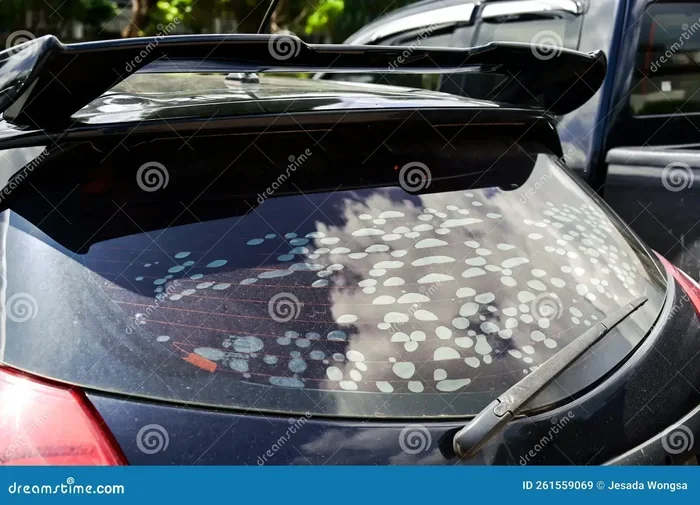
Damaged auto tint can show up in many forms. You might see bubbles forming between the film and the glass. The edges might start to lift. Or the whole tint could turn purple and blotchy over time. None of these look good, and all of them reduce the protection your windows provide.
Ignoring tint film degradation is a mistake many car owners make. They think a little bubble here or there is no big deal. But small problems grow fast. Moisture sneaks in, the adhesive weakens, and before you know it, you are dealing with a full peeling mess. Plus, damaged tint does a poor job at heat rejection, which means your car gets hotter inside and your AC works harder.
Understanding what causes damaged auto tint is the first step to fixing it. Once you know the enemy, you can pick the right solution and keep your car looking and performing its best.
Common Causes of Damaged Auto Tint
Several factors can ruin your automotive window film. Some happen slowly over months, while others strike all at once. Let us break down the most common culprits.
Heat and Sun Exposure
The sun is the number one enemy of car window tint. UV rays break down the film’s dyes and adhesives over time. On hot days, the temperature inside your car can soar past 150 degrees. That extreme heat causes the film to expand and contract constantly. Eventually, this weakens the bond between the tint and the glass.
You will notice tint discoloration first. The film turns purple or brownish. Then window tint bubbles start to form. In severe cases, the film curls at the edges. Cars parked outside daily without shade take the hardest hit.
Poor Installation
Not all tint jobs are created equal. Poor installation is one of the fastest ways to end up with damaged auto tint. If the installer does not clean the glass properly, dust and debris get trapped underneath. This creates tiny bubbles that grow over time.
Using the wrong adhesive is another common mistake. Cheap films paired with low-quality adhesives fail quickly. Even a slight error during application can lead to edge lift within weeks. That is why choosing a professional tint installation service matters so much.
Physical Impact and Accidents
Life happens. A rock flies up from the highway and chips your window. A minor fender bender sends cracks through your tint. Even a rough car wash can cause damage if the pressure is too high. Physical impact is one of the most immediate causes of tint film degradation.
Cracks and chips in your automotive window film let moisture seep in. Once water gets under the film, it spreads fast. You will see bubbling tint spread from the impact point outward. In some cases, the entire panel can bubble up within days of the damage.
Age and Natural Wear
Everything has a lifespan, and car window tint is no exception. Most quality films last between five and ten years. But cheaper films can fail in just two or three. As the film ages, the adhesive breaks down naturally. This leads to peeling tint film and loss of glare reduction.
Older tint also loses its ability to block UV rays effectively. You might not notice this at first, but your interior starts to fade faster. The dashboard and seats take a beating when the UV protection wears off. This is a silent problem that catches many car owners off guard.
How to Identify Damaged Auto Tint
Catching damaged auto tint early saves you money and headaches. But how do you know the tint is actually damaged? There are clear visual signs and performance clues to watch for.
Visual Signs of Damage
The easiest way to check your tint is to look closely at each window. Here is what to look for:
- Bubbles: Small or large air pockets between the film and glass.
- Peeling edges: The tint starts to lift away from the window edges.
- Discoloration: Purple, brown, or blotchy patches across the film.
- Cracks or chips: Visible breaks in the film surface.
- Wrinkles or creases: Areas where the film has shifted or folded.
- Foggy or hazy spots: Moisture trapped under the film.
If you notice any of these, your automotive window film needs attention. The sooner you act, the easier the fix will be.
Performance Issues to Watch For
Damage is not always visible right away. Sometimes, the first sign is a drop in performance. Ask yourself these questions:
- Does your car feel hotter inside than it used to? This points to lost heat rejection.
- Is the glare from the sun worse when you drive? Your glare reduction has likely weakened.
- Do you notice more UV exposure on your skin or seats? The UV protection is fading.
- Has the tint changed color or become uneven? This means the dyes are breaking down.
These performance drops are your car telling you something is wrong with the auto tint. Do not ignore them.
Proven Solutions for Damaged Auto Tint
Now that you know what causes damaged auto tint and how to spot it, let us talk about fixes. The right solution depends on the type and severity of the damage.
DIY Fixes for Minor Damage
Small issues do not always require a trip to the shop. If you have minor window tint bubbles or a small peeling edge, you can try a fix at home.
Method 1: The Squeegee Technique. For tiny bubbles, use a small squeegee or a credit card wrapped in a soft cloth. Gently push the bubble toward the nearest edge. The air should escape, and the film should lay flat again. This works best when the bubble is fresh and the adhesive is still somewhat flexible.
Method 2: Heat and Press. Use a hairdryer on a low setting to warm the bubbled area. The heat softens the adhesive. Then press the bubble flat with your finger or a cloth. Hold it for about 30 seconds. Let it cool before letting go.
Method 3: Soapy Water Trick. Mix a few drops of dish soap with water in a spray bottle. Spray the peeling edge and press it back down firmly. The soap acts as a temporary adhesive while the original bond sets.
These DIY fixes work well for minor cosmetic issues. But they are not permanent solutions for serious damage.
Professional Repair Options
For moderate damage, a professional tint repair is your best bet. A skilled technician can do things you simply cannot do at home.
- Spot repairs: The technician cuts out the damaged section and patches it with matching film.
- Bubble removal: Using specialized tools, they can remove large bubbles without replacing the whole panel.
- Edge resealing: They reapply adhesive along peeling edges to restore the bond.
- Color matching: Professionals can match the existing tint shade to keep your car looking uniform.
Professional repair costs less than full replacement and can extend the life of your automotive window film by several years. Always ask about the technician’s experience and whether they offer a repair warranty.
Full Replacement for Severe Damage
When the damage is too extensive, replacement is the only real option. Large areas of bubbling tint, widespread peeling, or cracks that run across the entire panel all call for a full replacement tint film.
Here is what the process looks like:
- The old film is carefully removed from the glass.
- The glass is cleaned and prepared with a special solution.
- A new automotive window film is cut to size and applied.
- The technician squeegees out all air and moisture.
- The film is trimmed at the edges and left to cure.
Full replacement costs more upfront, but it gives you a fresh start. You get UV protection, heat rejection, and glare reduction all over again. Plus, a new installation often comes with a fresh tint warranty.
Repair vs Replacement: Which Is Right for You?
Deciding between a repair and a full replacement can be tricky. Use this comparison to help you decide.
| Factor | Repair | Replacement |
|---|---|---|
| Cost | Lower ($50-$150 per repair) | Higher ($150-$400 per window) |
| Time | 30-60 minutes | 1-2 hours per window |
| Best For | Small bubbles, edge lift, minor peeling | Large bubbles, cracks, widespread peeling |
| Durability | 1-3 years | 5-10 years |
| Appearance | Good if done well | Like-new finish |
| Warranty | Varies by provider | Usually includes full warranty |
As a general rule, if more than 30 percent of the tint is damaged, go with replacement. A repair on severely damaged film will not hold up and will just cost you more in the long run.
How to Prevent Damaged Auto Tint
Prevention is always easier and cheaper than repair. A few simple habits can keep your car window tint in great shape for years.
Protect Your Tint from Heat
Park in the shade whenever possible. Use a windshield sunshade to block direct sunlight. If you can, tint your windows with a high-quality ceramic or carbon film. These materials handle heat better than cheaper dyed films and resist tint discoloration much longer.
Be Gentle with Your Windows
Avoid using harsh chemicals or abrasive cloths on your tinted windows. Stick to ammonia-free cleaners and soft microfiber towels. When rolling down your windows, do it slowly. Aggressive or jerky movements can stress the film edges and cause edge lift.
Choose Quality Installation
The best way to prevent damaged auto tint is to get it installed right the first time. Look for experienced professionals with good reviews. Ask about the type of film they use and what tint warranty they offer. A quality installation from the start saves you from headaches later.
Schedule Regular Inspections
Every six months, take a close look at your tint. Check for early signs of bubbling tint, peeling, or discoloration. Catching small issues early means you can fix them before they turn into big, expensive problems.
Expert Insights on Auto Tint Longevity
Industry professionals agree that the lifespan of your auto tint depends heavily on two things: the quality of the film and the skill of the installer. A premium ceramic film applied by an experienced technician can last a decade or more with proper care.
Experts also stress the importance of the curing period. After installation, the adhesive needs time to fully bond. Most technicians recommend keeping your windows rolled up for at least 48 to 72 hours. Opening them too soon can cause the film to shift, leading to peeling tint film and adhesive failure.
Another tip from the pros: avoid automatic car washes for the first two weeks after installation. The high pressure and harsh chemicals can disturb the curing adhesive and cause cosmetic damage to the film. Hand washing is always the safer choice for newly tinted windows.
One final insight: do not assume all automotive window film is the same. Films vary widely in quality, thickness, and UV-blocking ability. Investing in a better film upfront means fewer repairs and less tint film degradation down the road. It is one of those rare cases where spending a little more saves you a lot in the long run.
Conclusion
Damaged auto tint is a frustrating problem, but it is far from hopeless. Whether the cause is sun exposure, poor installation, physical impact, or simple age, there is always a solution. You can tackle minor issues with DIY methods and save money. For moderate damage, professional tint repair restores both appearance and function. And when the damage is severe, a full replacement tint film gives you a fresh, like-new finish.
The key is to act early. The longer you wait, the worse the damage gets. Moisture spreads, adhesives fail completely, and UV protection drops to near zero. By staying proactive and keeping an eye on your car window tint, you protect your investment and your comfort.
Take care of your auto tint today, and it will take care of you for years to come. Your car will look better, stay cooler, and offer better glare reduction every time you hit the road.
Frequently Asked Questions
How long does it take for damaged auto tint to get worse?
Minor damage like small bubbles can stay stable for months. But once moisture gets under the film, things can escalate quickly. Within a few weeks, a small bubble can spread across the entire window. That is why early attention is so important.
Can I drive with damaged auto tint?
Yes, you can drive with damaged auto tint in most cases. However, it is not ideal. Damaged tint blocks less UV light, offers less heat rejection, and weakens your window’s structural integrity. It also reduces visibility in bright sunlight due to poor glare reduction.
Does insurance cover damaged auto tint repair?
It depends on your policy and the cause of the damage. If the damage came from an accident, comprehensive coverage may pay for replacement tint film. Gradual wear from sun exposure is usually not covered. Check with your provider to be sure.
What is the average cost to replace auto tint?
Full replacement typically costs between $150 and $400 per window. The total depends on the type of film, the size of the windows, and where you live. Ceramic films cost more but offer superior heat rejection and durability.
How do I know if my auto tint is still under warranty?
Check your original receipt or the documentation from your professional tint installation. Most quality automotive window film brands offer a warranty that covers bubbling, peeling, and adhesive failure. The warranty period usually ranges from five years to a lifetime, depending on the brand.
Can I apply new tint over damaged auto tint?
No. You should always remove the old film before applying new car window tint. Applying new film over damaged old film traps moisture, bubbles, and debris underneath. It leads to even worse tint film degradation and a poor appearance. Always start with clean, smooth glass.