Car Key Not Turning Why It Happens And How To Fix It
A car key not turning is a frustrating problem with several common causes. From a locked steering wheel to a worn ignition cylinder, the issue is usually easy to diagnose and fix. This guide walks you through every reason and solution step by step.
You hop into your car, slide the key into the ignition, and turn it. Nothing happens. The key won’t budge. You try again. Still nothing. This is one of those moments that can throw off your entire morning. A car key not turning is more common than you think, and it happens to almost every driver at some point. The good news is that most causes are easy to fix once you know what to look for.
In this article, we will walk you through every reason your key might not be turning. We will cover steering wheel locks, worn keys, bad ignition switches, and more. You will also learn simple fixes you can try right now. Let us get you back on the road.
Key Takeaways
- Steering wheel lock is the most common reason a car key won’t turn.
- Worn or damaged keys can jam inside the ignition cylinder.
- Ignition switch failure needs professional diagnosis and repair.
- Dead key fob battery prevents transponder keys from being recognized.
- Simple fixes like jiggling the wheel or replacing the battery often work.
- Avoid forcing the key to prevent breaking it inside the lock.
- Call a locksmith when DIY methods don’t solve the problem.
📑 Table of Contents
- Why Your Car Key Won’t Turn
- How To Diagnose the Problem
- Steering Wheel Lock: The Hidden Culprit
- Worn Keys and Ignition Cylinders
- Ignition Switch and Electrical Problems
- How To Fix a Stuck Car Key
- Common Mistakes People Make
- Expert Insights
- When To Call a Professional
- Comparison Table: Common Causes and Solutions
- Quick Tips to Prevent Key Problems
- Conclusion
Why Your Car Key Won’t Turn
When your key not turning in ignition, the problem usually comes down to one of a few common culprits. Understanding the root cause helps you choose the right fix. Let us break them down one by one.
1. Steering Wheel Lock
This is the number one reason keys get stuck. When you turn off your car and remove the key, the steering wheel can lock into place. This is a security feature. But it also locks the ignition cylinder. The key cannot move because the wheel is pressing against the lock mechanism.
Here is what to do. Grab the steering wheel and wiggle it left and right while you try to turn the key. You should feel the wheel release. Once it moves freely, the key will turn. This simple trick solves the problem in most cases.
2. Worn or Damaged Key
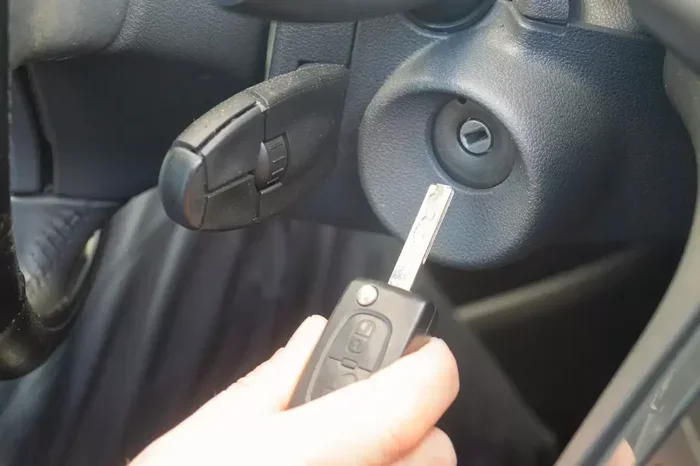
Over time, keys wear down. The ridges on your key match the lock tumblers inside the cylinder. When those ridges get smooth from daily use, the key cannot push the tumblers into the right position. A worn car key will feel stiff or will not go in all the way.
If you have a spare key, try it. If the spare works, your original key is worn out. Get a new key cut to match your current key code. Most hardware stores and locksmiths can do this for a small fee.
3. Ignition Switch Failure
The ignition switch controls the electrical connection when you turn the key. When it fails, the key may feel stuck or refuse to move to the “on” position. Ignition switch failure is more common in older vehicles and high-mileage cars.
Signs of a bad ignition switch include:
- The key turns but the dashboard lights do not come on.
- The car starts and then stalls immediately.
- You need to wiggle the key multiple times to get a response.
- The key feels loose or sloppy in the ignition.
If you notice these symptoms, have a mechanic check the switch. Replacing an ignition switch usually costs between 150 and 300 dollars depending on your vehicle.
4. Dead Key Fob Battery
Modern cars use transponder keys and key fobs. These have a small chip that communicates with the car’s computer. If the battery in your fob dies, the car will not recognize the key. Even if the key physically fits, it will not turn or start the engine.
This is a very common issue, especially in cold weather when batteries drain faster. Most key fob batteries last one to two years. Replacing the battery is easy. Open the fob with a small flathead screwdriver, swap in a new CR2032 battery, and you are good to go.
5. Debris or Dirt in the Lock Cylinder
Dust, lint, and grime can build up inside the ignition cylinder over time. This debris gets between the moving parts and prevents the key from turning. If you park your car outside a lot, this is more likely to happen.
A quick fix is to spray a small amount of lock lubricant into the keyhole. Do not use WD-40 as a long-term solution. It attracts more dirt. Use a dry graphite lubricant or a silicone-based lock spray instead. Insert the key and work it back and forth a few times to spread the lubricant.
6. Broken or Bent Key
A broken key in ignition is a worst-case scenario. If the key snaps inside the lock, you cannot turn it at all. This usually happens when a key is already weak or damaged. Forcing a stiff key increases the risk of breakage.
If your key breaks inside the cylinder, do not try to dig it out with a paperclip. You could push the broken piece deeper. Instead, take your car to a locksmith. They have special tools to extract the broken piece and cut a new key.
How To Diagnose the Problem
Before you try any fix, it helps to narrow down the cause. A quick diagnosis saves time and prevents damage. Here is a simple step-by-step approach.
First, check the steering wheel. Can you move it freely? If not, the lock is the likely cause. Second, inspect your key. Look for bends, cracks, or worn-down ridges. Third, check the dashboard. Do the lights come on when you turn the key? This tells you whether the issue is mechanical or electrical.
If the key goes in but will not turn, focus on the lock cylinder and steering column. If the key does not go in at all, look for debris or a bent key. If the key turns but the car does not start, the ignition switch or transponder chip may be the problem.
Steering Wheel Lock: The Hidden Culprit
Let us talk more about the steering wheel lock because it causes so many panic moments. When you park and turn the wheel slightly while removing the key, the lock engages. This is a theft deterrent built into every car.
The problem is that many drivers do not realize this has happened. They stand there turning the key and pushing the button, wondering why nothing works. The steering wheel is pressing against a pin inside the column, and the key cannot rotate.
The fix is simple and free. Use one hand to gently rock the steering wheel back and forth. With your other hand, turn the key. You will feel the wheel release with a slight click. The key will turn smoothly after that. This works every time for steering wheel lock issues.
To prevent this from happening, avoid turning the wheel when you shut off the engine. If you need to turn the wheel, do it before you remove the key. A small habit like this saves a lot of frustration later.
Worn Keys and Ignition Cylinders
A key not turning in car ignition is often a wear-and-tear issue. Both the key and the cylinder inside the lock can degrade over time. Let us look at how each one contributes to the problem.
Your car key is a precision tool. The cuts on the blade are machined to exact tolerances. When those cuts wear down, the key cannot properly align the internal tumblers. This is especially true for keys that are five or more years old.
The ignition cylinder itself can also wear out. Inside the cylinder, there are small pins that move when the key turns. These pins get worn from repeated use. When they do, the key feels loose or gets stuck. A worn ignition cylinder needs to be replaced entirely.
Here are some signs your cylinder is wearing out:
- The key feels like it is sliding around inside the lock.
- You have to jiggle the key multiple times to start the car.
- The key gets harder to turn over time.
- You hear grinding or clicking sounds when turning.
Replacing an ignition cylinder costs between 100 and 250 dollars for parts and labor. A locksmith can often do this same-day service at your location.
Ignition Switch and Electrical Problems
Sometimes the key turns fine, but the car does not start. This points to an electrical issue, usually a failing ignition switch. The switch sends power to the starter motor, fuel pump, and ignition system when you turn the key.
When the switch fails, it breaks that connection. You might hear the dashboard lights flicker or notice that the engine cranks slowly. In some cases, the car starts intermittently and then dies without warning.
Electrical problems can be tricky to diagnose. Here are some quick tips:
- Check the fuse box first. A blown fuse can mimic ignition switch symptoms.
- Test the battery voltage. A weak battery can cause similar starting issues.
- Listen for a clicking sound when you turn the key. This often indicates a starter relay problem.
- Have a multimeter ready to test continuity at the ignition switch.
If you are not comfortable with electrical testing, take your car to a qualified mechanic. They can run the proper diagnostics and confirm whether the switch needs replacement.
How To Fix a Stuck Car Key
Now that we have covered the causes, let us look at the fixes. Most of these are things you can do yourself in under five minutes.
Fix 1: Release the Steering Wheel Lock
Rock the steering wheel gently left and right while turning the key. This is the easiest fix and works in the majority of cases. Do not use excessive force. Gentle pressure is all you need.
Fix 2: Lubricate the Lock Cylinder
Spray a dry graphite lubricant into the keyhole. Work the key in and out several times to distribute the lubricant. This clears minor debris and reduces friction. Reapply every six months to keep the lock working smoothly.
Fix 3: Replace the Key Fob Battery
Open the fob and replace the CR2032 battery. Make sure the positive side faces up. Close the fob firmly and try the key again. This simple swap fixes the problem for many modern car owners.
Fix 4: Get a New Key
If your key is visibly worn or damaged, get a replacement. Take your current key to a locksmith or key-cutting service. They can make a new key from the original code stamped on your key or lock cylinder.
Fix 5: Replace the Ignition Cylinder or Switch
For mechanical or electrical failures, replacement is usually the only option. A professional locksmith or mechanic can install a new cylinder or switch. This is a straightforward repair that most shops can complete in under an hour.
Common Mistakes People Make
When your key will not turn, it is tempting to force it. Here are mistakes that make the problem worse.
- Forcing the key sideways. This can bend or break the key inside the lock.
- Using oil sprays like WD-40. These attract dust and gum up the cylinder over time.
- Ignoring the steering wheel. Many people forget to check if the wheel is locked.
- Using the wrong key. Double-check that you are using the correct key for that door or ignition.
- Waiting too long to seek help. A small problem can become a big repair if you keep forcing the key.
Avoiding these mistakes saves you time, money, and the headache of a broken key stuck in the ignition.
Expert Insights
Automotive locksmiths and mechanics see the car key not turning problem every day. Here is what the professionals want you to know.
Preventive maintenance matters. A little lubrication and care goes a long way. Spray your lock cylinder with graphite every year or so. This keeps the internal parts moving freely and extends the life of the lock.
Do not ignore warning signs. If your key starts feeling stiff or you need to wiggle it more than usual, get it checked. Early intervention prevents a full lock failure. A locksmith can inspect the cylinder and recommend service before you get stranded.
Keep a spare key. Having a backup key saves you in emergencies. Store it in a safe place at home or give one to a trusted family member. A spare key also gives you options if your primary key gets damaged.
Know your vehicle’s age and model. Older cars are more prone to ignition cylinder wear. Newer cars with push-button start systems have different failure points. Understanding your specific vehicle helps you anticipate problems.
When To Call a Professional
Most car key not turning issues can be fixed at home. But some situations need a professional touch. Call a locksmith or mechanic if:
- The key is broken inside the ignition cylinder.
- The steering wheel will not release after trying the fix.
- The ignition switch shows electrical failure signs.
- The key turns but the engine does not crank.
- You have tried multiple fixes and the problem persists.
A professional has the right tools and experience to handle complex lock and ignition issues safely. Trying to fix these problems without the proper knowledge can cause expensive damage.
Comparison Table: Common Causes and Solutions
| Cause | Symptom | DIY Fix | Cost if Professional |
|---|---|---|---|
| Steering Wheel Lock | Key will not turn at all | Rock wheel and turn key | Free |
| Worn Key | Key feels stiff or does not go in fully | Get a new key cut | 10 to 30 dollars |
| Dead Key Fob Battery | Key fob does not work, car does not start | Replace CR2032 battery | 5 to 10 dollars |
| Debris in Cylinder | Key turns with difficulty | Apply graphite lubricant | Free to 20 dollars |
| Ignition Switch Failure | Key turns but no electrical response | Not recommended DIY | 150 to 300 dollars |
| Broken Key in Lock | Key snaps inside the cylinder | Call a locksmith | 50 to 150 dollars |
| Worn Ignition Cylinder | Key feels loose or gets stuck | Replace cylinder | 100 to 250 dollars |
Quick Tips to Prevent Key Problems
- Clean your key regularly with a soft cloth.
- Use graphite lubricant in the lock cylinder twice a year.
- Do not carry heavy keychains that put pressure on the key.
- Replace key fob batteries before they die completely.
- Avoid forcing the key if it feels stuck.
- Keep a spare key in a safe location.
- Get your ignition cylinder inspected during routine maintenance.
Conclusion
A car key not turning is almost always a fixable problem. Whether it is a simple steering wheel lock or a more complex ignition switch issue, you now have the knowledge to diagnose and solve it. Start with the easiest fixes first. Check the steering wheel, try a spare key, and lubricate the cylinder. These steps resolve the problem for most drivers.
When DIY fixes do not work, do not hesitate to call a professional locksmith or mechanic. Forcing the key can turn a minor issue into an expensive repair. Take it step by step, stay patient, and you will get your car running again. The key to avoiding this problem in the future is regular maintenance and a little bit of care. Keep your keys in good shape, and they will keep you moving.
Frequently Asked Questions
Why won’t my car key turn in the ignition?
The most common reason is a locked steering wheel. When the steering wheel locks, it presses against the ignition cylinder and prevents the key from turning. Try rocking the steering wheel left and right while turning the key. This releases the lock and allows the key to turn freely.
Can a dead battery in my key fob cause the key not to turn?
Yes, a dead key fob battery can prevent your car from recognizing the transponder chip in the key. Even though the key physically fits in the ignition, the car will not start. Replace the battery inside the fob with a new CR2032 battery and try again.
How do I know if my ignition switch is bad?
Signs of a failing ignition switch include the dashboard lights not coming on when you turn the key, the car starting and then stalling, or needing to wiggle the key multiple times to get a response. A mechanic can run a continuity test to confirm whether the switch needs replacement.
What should I do if my key breaks off inside the ignition?
Do not try to extract the broken piece yourself. Pushing it deeper into the lock will make the problem worse. Take your car to a locksmith or mechanic who has special extraction tools. They can remove the broken piece and cut a new key for you.
Is it safe to use WD-40 on my car lock?
No, WD-40 is not recommended for car locks as a long-term solution. It attracts dust and dirt, which can gum up the lock mechanism over time. Use a dry graphite lubricant or a silicone-based lock spray instead. These keep the lock clean and running smoothly.
How much does it cost to replace an ignition cylinder?
The cost to replace an ignition cylinder typically ranges from 100 to 250 dollars for parts and labor. The exact price depends on your vehicle make and model. Luxury vehicles and newer models with advanced security features may cost more. A local locksmith often offers competitive pricing compared to a dealership.